Bambang Pamungkas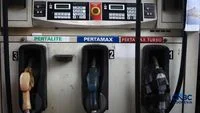
Jakarta, Indonesia – PT Pertamina Patra Niaga (PTPN), the commercial and trading sub-holding of state-owned energy giant Pertamina, has officially announced adjustments to the retail prices of several non-subsidized fuel products, effective June 1, 2026. This strategic move encompasses high-performance diesel variants, Dexlite and Pertamina Dex, which will see price reductions, alongside a marginal increase for the high-octane gasoline, Pertamax Turbo. The adjustment reflects Pertamina Patra Niaga’s ongoing commitment to balancing market realities, supporting national mobility, and ensuring the sustained provision of energy amidst an increasingly dynamic global energy landscape.
The comprehensive price adjustment specifically targets the diesel sector, with Dexlite (Cetane Number 51) decreasing from Rp 26,000 per liter to Rp 23,000 per liter, marking a significant reduction of Rp 3,000. Similarly, Pertamina Dex (Cetane Number 53), the premium diesel offering, will see its price lowered from Rp 27,900 per liter to Rp 24,800 per liter, a decrease of Rp 3,100. Conversely, Pertamax Turbo (Research Octane Number 98), the highest octane gasoline available from Pertamina, will experience a modest price increase, moving from Rp 19,900 per liter to Rp 20,750 per liter. Meanwhile, prices for other popular non-subsidized gasoline products, Pertamax (RON 92) and Pertamax Green 95 (RON 95), remain stable at Rp 12,300 per liter and Rp 12,900 per liter, respectively.
Contextualizing Indonesia’s Fuel Landscape and Pertamina’s Mandate
Indonesia’s energy sector is characterized by a dual pricing mechanism for fuels: subsidized and non-subsidized. Subsidized fuels, primarily Pertalite (gasoline) and Solar (diesel), are offered at fixed, government-controlled prices to ensure affordability for the general populace, with the government covering the difference between market prices and retail prices. Non-subsidized fuels, like those affected by this adjustment, are priced closer to market rates, allowing for greater flexibility in response to global price fluctuations. As the national energy provider, Pertamina, through its sub-holding Pertamina Patra Niaga, plays a crucial role not only in distributing subsidized fuels to ensure energy equity but also in providing higher-quality, non-subsidized options for consumers and industries that demand better performance and efficiency. This dual mandate requires constant vigilance over both domestic economic conditions and international market trends.
The adjustments are not arbitrary but are a result of a periodic review process, as articulated by Roberth MV Dumatubun, Corporate Secretary of Pertamina Patra Niaga. "The decrease in prices for Pertamina Dex and Dexlite, along with the adjustment for Pertamax Turbo, is undertaken with careful consideration of global energy price dynamics and parameters set by the government through the applicable price formula," Dumatubun stated. This adherence to a predetermined pricing formula, which typically factors in global crude oil prices (such as MOPS – Mean of Platts Singapore), exchange rates, distribution costs, and taxes, underscores the company’s commitment to transparency and market-based pricing for its non-subsidized products.
Global Energy Market Dynamics: The Primary Catalyst
The global energy market has been a crucible of volatility in recent years, influenced by a confluence of geopolitical tensions, supply chain disruptions, shifts in demand patterns, and the ongoing energy transition. Leading up to June 2026, analysts suggest a complex interplay of factors has shaped the refined product markets. For diesel, a potential easing of crude oil prices in the preceding months, coupled with a more stable refining margin for middle distillates, could have contributed to the favorable environment for price reductions. Global demand for industrial and transportation fuels, while robust, may have found a temporary equilibrium with supply, allowing for a slight downward correction in international diesel benchmarks.
Conversely, the market for high-octane gasoline, such as Pertamax Turbo, often exhibits different dynamics. Factors like increased demand for premium fuels in certain regions, specific refinery maintenance schedules impacting high-octane component availability, or even a stronger global economic outlook driving luxury vehicle consumption, could exert upward pressure on prices. Furthermore, the Indonesian Rupiah’s exchange rate against the US Dollar plays a significant role, as crude oil and refined products are primarily traded in dollars. Any depreciation of the Rupiah would inherently increase the cost of imported fuels, even if global dollar prices remain stable. The period leading to June 2026 likely saw a nuanced divergence in the cost components for diesel and high-octane gasoline, prompting the mixed price adjustments.
The Government’s "Formula Harga" and Pertamina’s Strategic Vision
The "formula harga" or price formula, stipulated by the government for non-subsidized fuels, aims to ensure fair pricing while allowing flexibility for market fluctuations. This formula typically benchmarks against international prices like MOPS, adds an ‘alpha’ factor to account for Pertamina’s specific operational costs and margin, and then incorporates excise duties, value-added tax (VAT), and other levies. Pertamina Patra Niaga’s regular adjustments are a direct implementation of this framework, ensuring that prices remain competitive relative to other private fuel retailers operating in Indonesia and reflective of actual costs.
Dumatubun emphasized that these policy decisions are made with a keen eye on societal conditions, including consumer purchasing power and the energy needs of various economic sectors. "By offering more competitive prices for the diesel sector, we anticipate broader benefits for national economic stability," he added. This statement highlights the strategic importance of diesel, which powers critical sectors such as logistics, transportation, mining, and agriculture. Ensuring competitively priced diesel directly impacts operational costs across these industries, potentially leading to stable goods prices and supporting overall economic growth.
Implications for Key Economic Sectors
The differentiated price adjustments carry significant implications for various stakeholders within the Indonesian economy.
Logistics and Transportation: The reduction in Dexlite and Pertamina Dex prices is a substantial boon for the logistics and transportation sectors. Businesses relying heavily on diesel-powered fleets, including cargo companies, public transportation operators, and freight services, will experience a direct reduction in operational expenses. This cost saving can translate into more stable freight rates, potentially mitigating inflationary pressures on consumer goods and improving the profitability of logistics providers. Industry associations, such as the Indonesian Logistics and Forwarders Association (ALFI), have consistently advocated for stable or reduced fuel prices, recognizing their direct impact on the cost of doing business and national competitiveness.
Manufacturing and Agriculture: These sectors, fundamental to Indonesia’s economy, also heavily depend on diesel for machinery, generators, and transportation of raw materials and finished products. Lower diesel prices will reduce input costs for factories and farms, enhancing their competitiveness and potentially leading to higher production outputs or more affordable consumer products. This aligns with the government’s broader efforts to bolster domestic industry and food security.
High-Performance Automotive Segment: The slight increase in Pertamax Turbo prices will primarily affect owners of high-performance vehicles that require higher octane fuel for optimal engine efficiency and longevity. While this segment represents a smaller portion of the overall fuel market, consumers in this category are generally less price-sensitive and prioritize fuel quality for their vehicles. The adjustment reflects the premium nature of the product and the specific market dynamics for high-octane gasoline components.
Broader Economic and Social Impact
From a macroeconomic perspective, the adjustments aim to strike a delicate balance. The decrease in diesel prices could act as a disinflationary force, particularly in categories related to food and transportation, which are major components of Indonesia’s Consumer Price Index. This could provide some relief to household budgets and support consumer purchasing power. For the government, while non-subsidized fuels contribute to tax revenues, the primary goal for this segment is often market efficiency and ensuring the availability of quality fuels without direct fiscal burden from subsidies. Economists generally view market-based pricing for non-subsidized fuels as a healthy sign of economic maturity, promoting efficient resource allocation.
Maintaining competitive pricing for non-subsidized fuels is also vital for Pertamina Patra Niaga to retain its market share against increasing competition from international private fuel retailers like Shell, BP, and Vivo, which also offer a range of non-subsidized products across Indonesia. This competitive environment encourages efficiency and customer-centric strategies from all players.
Reactions and Expert Analysis
While official statements from other parties were not immediately available, such adjustments typically elicit a range of reactions. Officials from the Ministry of Energy and Mineral Resources (ESDM) would likely reiterate their support for market mechanisms in pricing non-subsidized fuels, aligning with the national energy policy that seeks to gradually reduce reliance on subsidies where appropriate. They would emphasize the importance of Pertamina’s role in ensuring energy security and stability.
Industry analysts and economists are expected to offer nuanced perspectives. Many would commend the strategic reduction in diesel prices for its potential to stimulate economic activity and alleviate cost burdens on crucial sectors. They might also point to the need for continued transparency in the pricing formula, especially for products experiencing increases, to maintain consumer trust. Consumer advocacy groups, while appreciating the diesel price cuts, might call for a broader review of the entire fuel pricing structure, particularly the subsidized categories, to ensure equitable access and affordability for all segments of society.
Pertamina’s Forward-Looking Strategy and Energy Security
Pertamina Patra Niaga has reiterated its commitment to continuous monitoring of global energy market developments and close coordination with the government. This proactive approach is crucial for ensuring that energy services remain reliable, competitive, and sustainable in the long term. The company also stressed its unwavering commitment to supporting national economic growth by ensuring a stable and easily accessible energy supply across the archipelago.
Beyond pricing, the company underscored its dedication to maintaining robust supply chains. "Pertamina Patra Niaga will continue to ensure the availability of energy, reliable and easily accessible to the public throughout Indonesia, including quality fuel products to support vehicle performance," Roberth concluded. This assurance of supply continuity is paramount, especially given Indonesia’s vast geography and the critical role fuel plays in connecting communities and powering economic activities from Sabang to Merauke. The comprehensive network of Pertamina fuel stations (SPBU) across the nation is a strategic asset in fulfilling this commitment, ensuring that even with price adjustments, access to essential energy remains unhindered.
In essence, the latest fuel price adjustments by Pertamina Patra Niaga represent a calculated response to the intricate dynamics of the global energy market while steadfastly upholding its mandate to serve national interests. By strategically lowering diesel prices, the company aims to inject vitality into key economic sectors, while the targeted adjustment for high-octane gasoline reflects specific market realities for premium products. This balancing act underscores Pertamina’s ongoing efforts to navigate a complex energy landscape, ensuring both economic viability and public welfare.