Bambang Pamungkas
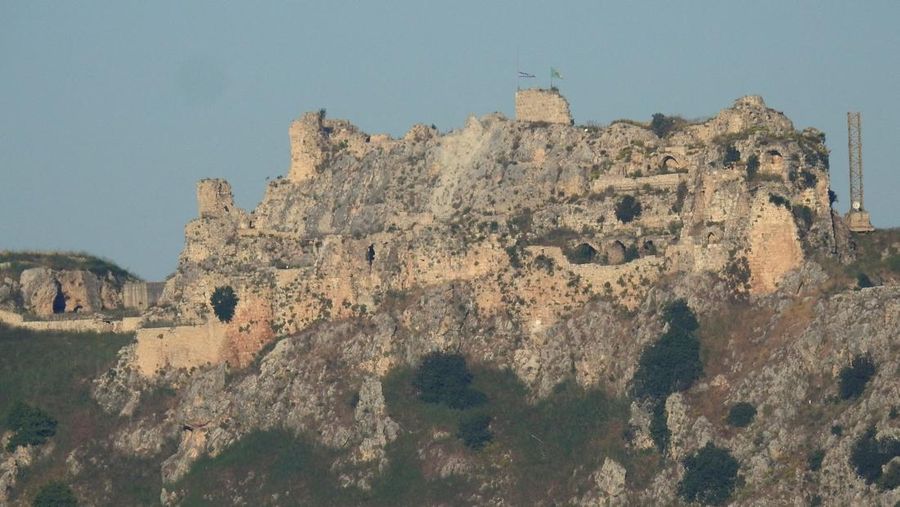
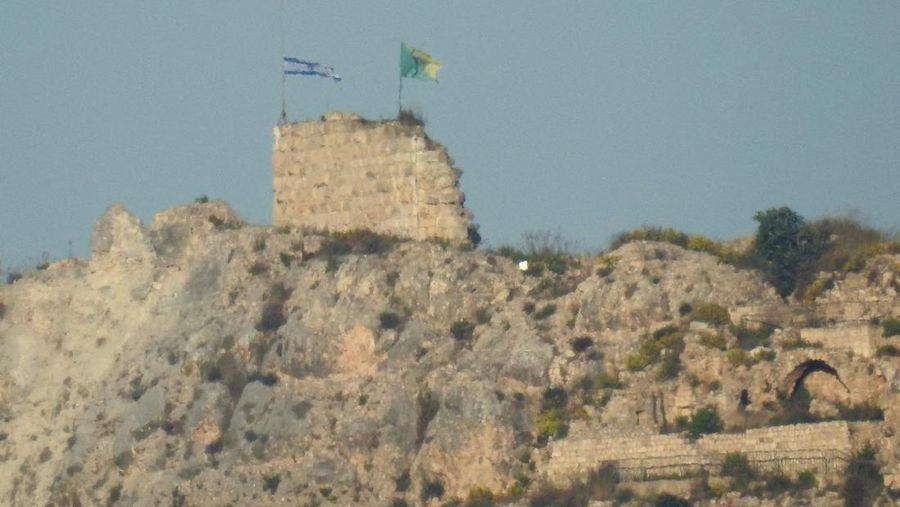
Israeli military forces, spearheaded by the elite Golani Brigade, successfully captured the ancient Beaufort Castle and its commanding strategic ridge in southern Lebanon on Sunday, May 31, 2026. This significant territorial acquisition, marking a notable advancement against the Iran-backed Hezbollah militia, comes despite a regional ceasefire that had been in effect for over six weeks, highlighting the persistent volatility and complex dynamics of the ongoing conflict in the Middle East. The operation saw Israeli and Golani Brigade flags proudly hoisted over the 900-year-old Crusader stronghold, a move visible from the Lebanese town of Marjayoun, symbolizing a decisive gain in Israel’s efforts to push Iranian-aligned forces away from its northern border.
The seizure of Beaufort Castle represents more than just a military victory; it is a profound geopolitical statement, deepening Israel’s footprint in southern Lebanon and potentially altering the tactical landscape of the protracted conflict. The castle’s elevated position offers unparalleled oversight of vast swathes of southern Lebanon and northern Israel, a critical vantage point for intelligence gathering, surveillance, and potentially for directing future military operations. This strategic advantage is particularly crucial for Israel, which has faced sustained rocket and drone attacks launched from these very areas by Hezbollah since early March 2026. The capture has drawn immediate attention from regional and international observers, raising concerns about the stability of the fragile ceasefire and the potential for a wider escalation in a region already grappling with what is described as a broader "US-Israel war against Iran."
A Chronology of Renewed Hostilities
The path to the capture of Beaufort Castle on May 31, 2026, is rooted in a recent resurgence of hostilities that shattered a period of relative calm. The initial flashpoint occurred on March 2, 2026, when Hezbollah, a powerful Lebanese political party and militant group extensively supported by Iran, formally entered the broader regional conflict by launching a series of rockets and sophisticated drones towards Israeli territory. This action was a direct challenge to Israel’s security and signaled Hezbollah’s deep commitment to its alliance with Iran in what the original reporting frames as an unfolding "US-Israel war against Iran."
In response to Hezbollah’s aggressive posture and the clear threat posed to its northern communities, Israel immediately initiated a robust military campaign. The primary objective of this campaign was to degrade Hezbollah’s capabilities and, crucially, to establish a secure buffer zone by pushing the Iran-backed militia away from the Israeli border. This period saw sustained Israeli aerial bombardments and targeted ground operations aimed at dismantling Hezbollah’s infrastructure, weapons caches, and operational bases in southern Lebanon.
Approximately six weeks prior to the May 31 operation, a regional ceasefire had been announced. The specifics of this truce, including its scope and enforcement mechanisms, remained somewhat ambiguous, but it was widely understood to encompass a de-escalation of hostilities along the Israel-Lebanon front. However, the continuous Israeli operations, culminating in the capture of Beaufort Castle, demonstrate the inherent fragility of this ceasefire. The Israeli military’s decision to proceed with such a significant offensive action underscores their assessment that Hezbollah’s presence and continued threat necessitated decisive action, even at the risk of violating the recently established truce. The operation on May 31, therefore, represents a critical juncture, not merely as a tactical success for Israel but as a potent indicator of the tenuous nature of peace and stability in the Levant.
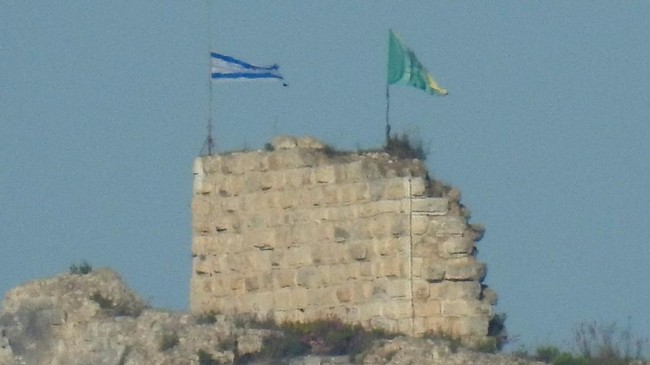
Beaufort Castle: A Bastion Through the Ages
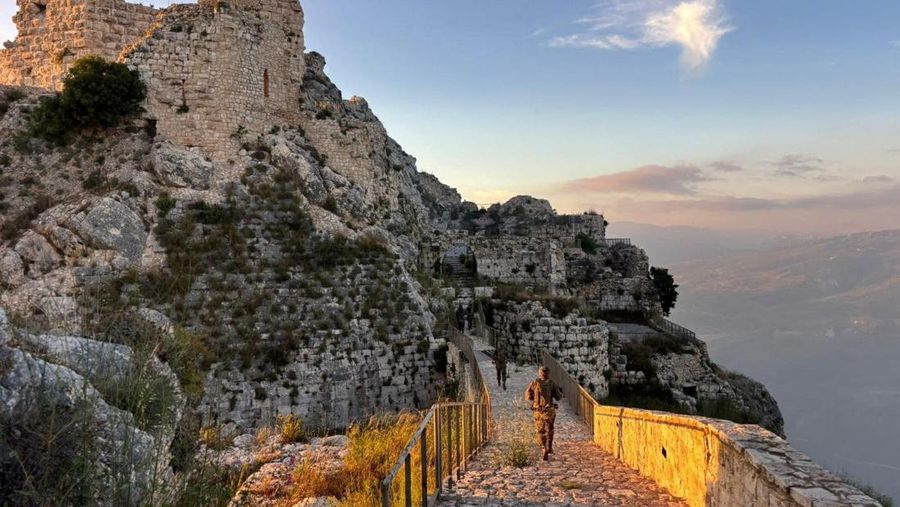
The historical significance of Beaufort Castle, or Qal’at al-Shaqif in Arabic, cannot be overstated. Perched atop a steep ridge overlooking the Litani River gorge, the castle has commanded a strategic position for over nine centuries, bearing witness to countless conflicts and shifting empires. Its very existence is a testament to the enduring military importance of this terrain.
Originally constructed by the Crusaders in the 12th century, Beaufort Castle was strategically vital for controlling the route between Sidon and Damascus and for defending the Latin Kingdom of Jerusalem from northern threats. Its robust fortifications allowed it to withstand numerous sieges, including those by Saladin’s forces, before eventually falling under Mamluk and later Ottoman rule. Throughout these periods, its elevation and natural defenses made it a coveted prize, a high ground from which to dominate the surrounding landscape.
In more contemporary times, Beaufort’s strategic value persisted. During the Lebanese Civil War (1975-1990), the castle became a stronghold for Palestinian militants, particularly the Palestine Liberation Organization (PLO). Its formidable position allowed these groups to launch attacks into northern Israel, earning it the nickname "Fatahland." This period further cemented its reputation as a crucial military outpost.
Following Israel’s invasion of Lebanon in 1982, the castle was captured by Israeli forces, a pivotal event famously depicted in the Israeli film "Beaufort." For nearly two decades, until Israel’s withdrawal from southern Lebanon in 2000, the castle and its surrounding ridge remained a key Israeli military outpost, forming part of the "Security Zone." Its history in this conflict underscores its role as a critical observation point and a formidable defensive position. The subsequent withdrawal saw Hezbollah quickly re-establish a presence in the area, once again highlighting the castle’s enduring strategic allure.
The current Israeli re-capture on May 31, 2026, therefore, is not merely a modern military maneuver but a continuation of a historical pattern. Control of the Beaufort ridge grants unparalleled visual command over the Litani River, a significant geographical barrier, and provides an unobstructed view of key access routes and population centers across southern Lebanon and into northern Israel. This makes it an invaluable asset for surveillance, target acquisition, and establishing a forward defensive or offensive posture, explaining why both historical powers and modern militias have consistently vied for its control.
Escalating Regional Dynamics and the Ceasefire’s Frailty
The capture of Beaufort Castle transcends a localized skirmish, unfolding within the context of intensely escalating regional dynamics, particularly the "US-Israel war against Iran" as described in the original report. This broader conflict signifies a profound deterioration of stability across the Middle East, where proxy engagements and direct confrontations between major powers and their aligned factions are becoming increasingly common. Iran, through its extensive network of proxies, including Hezbollah, has established a significant sphere of influence, challenging the security interests of Israel and its allies, including the United States.
Hezbollah stands as Iran’s most formidable and strategically important proxy. More than just a militia, Hezbollah is a highly organized political and military entity with deep roots in Lebanese society. It possesses a substantial arsenal of rockets, missiles, and drones, some of which are highly sophisticated and capable of striking deep into Israeli territory. Iran provides Hezbollah with crucial financial support, advanced weaponry, and extensive training, enabling it to act as a significant deterrent and an instrument of Iranian foreign policy in the Levant. Hezbollah’s operational doctrine and capabilities are constantly evolving, making it a persistent and adaptable adversary for Israel.
The regional ceasefire announced roughly six weeks prior to the Beaufort operation was likely an attempt by international actors to de-escalate the widespread tensions gripping the region. Such ceasefires are often negotiated through complex diplomatic channels, involving various stakeholders and aiming to create windows for dialogue or humanitarian relief. However, the capture of Beaufort Castle by Israeli forces represents a clear and unequivocal breach of this agreement. This violation not only jeopardizes the immediate stability of the Israel-Lebanon border but also casts a long shadow over the efficacy and trustworthiness of any future diplomatic efforts to mitigate the broader regional conflict.
The incident highlights the inherent difficulties in enforcing ceasefires when underlying strategic objectives and existential threats persist. For Israel, the imperative to secure its northern border against Hezbollah’s perceived aggression likely outweighed the commitments of a fragile truce. For Hezbollah, any loss of territory or strategic positions, particularly a historically significant one like Beaufort Castle, would be seen as a major blow, potentially compelling them to retaliate and further unravel the ceasefire. The event thus underscores the profound fragility of any peace initiatives in a region characterized by deep-seated animosities and a complex web of interconnected conflicts.
Military Operation and Israeli Strategic Objectives
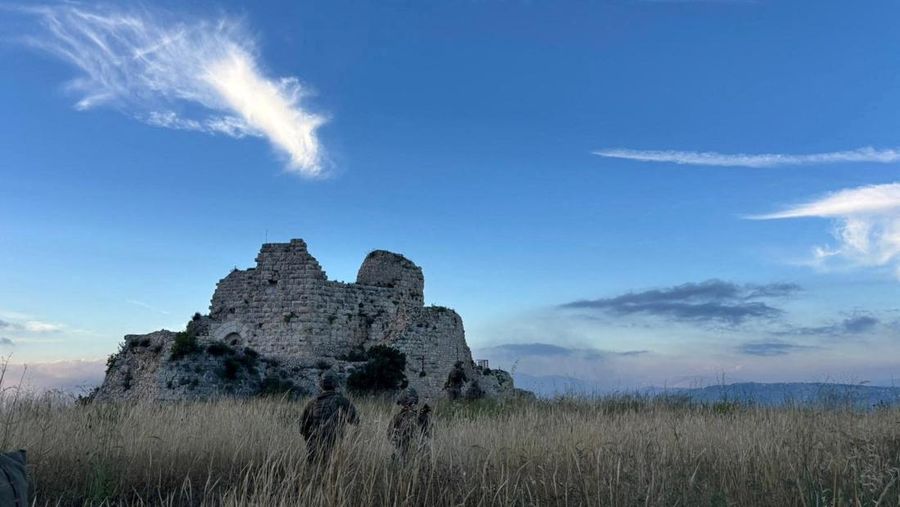
The operation to seize Beaufort Castle was reportedly led by the Golani Brigade, one of the most storied and elite infantry units within the Israel Defense Forces (IDF). Known for its rigorous training, combat experience, and specialized capabilities in mountainous and complex terrain, the Golani Brigade’s deployment underscores the high strategic importance Israel placed on this objective. Their expertise would have been critical in navigating the challenging topography of the Beaufort ridge and overcoming any entrenched Hezbollah defenses.
Israel’s motivations for undertaking such a high-stakes operation, especially in violation of a ceasefire, are multifaceted. Primarily, it aligns with their stated objective of securing the northern border. The constant threat of rocket and drone attacks from Hezbollah necessitates a robust defensive and pre-emptive strategy. By controlling Beaufort Castle, Israel gains a superior tactical position that can:
- Enhance Surveillance and Intelligence: The panoramic views allow for comprehensive monitoring of Hezbollah movements, infrastructure, and potential launch sites across southern Lebanon, significantly improving Israel’s early warning capabilities.
- Degrade Hezbollah’s Operational Capacity: Denying Hezbollah access to such a commanding height removes a crucial platform for their operations and limits their ability to project power into Israel.
- Establish a Defensive Buffer: The ridge provides a natural barrier and a forward defensive line, making it harder for Hezbollah to launch cross-border incursions or establish new offensive positions close to Israeli communities.
- Deter Future Aggression: The aggressive and successful capture sends a clear message to Hezbollah and its Iranian patrons about Israel’s resolve to act decisively to protect its security interests, even if it means challenging existing agreements.
The tactical execution of the operation would have likely involved a combination of ground forces supported by precision air strikes and artillery fire to suppress enemy positions and clear the path for the Golani Brigade. Advanced intelligence gathering, possibly involving drones and human intelligence, would have been crucial in identifying Hezbollah’s defensive layouts and planning the assault. The raising of Israeli and Golani Brigade flags on the castle ramparts serves as a powerful symbol of conquest and control, intended to bolster morale within the IDF and convey a message of dominance to its adversaries.
Reactions from Key Players
The capture of Beaufort Castle has predictably elicited strong and varied reactions from the principal actors and the international community, each reflecting their respective interests and positions within the ongoing regional conflict.
Israel: Official statements from Jerusalem have lauded the operation as a vital success in safeguarding Israeli national security. Military spokespersons have emphasized the strategic necessity of the capture, framing it as a pre-emptive measure to counter persistent threats from the Iran-backed Hezbollah militia. They are likely to justify the violation of the ceasefire by citing Hezbollah’s continuous hostile actions, arguing that the truce was not being honored by their adversaries and that Israel retains the right to defend its borders. Statements would highlight the Golani Brigade’s valor and the strategic importance of the castle in deterring future attacks and securing Israeli communities in the north.
Hezbollah: The Iran-backed group has issued strong condemnations, denouncing the Israeli action as a flagrant act of aggression and a blatant violation of Lebanese sovereignty. Hezbollah’s leadership would likely vow continued resistance, portraying the Israeli move as a desperate attempt to undermine the "Axis of Resistance." While acknowledging the Israeli presence, they might downplay the long-term strategic significance of the capture, emphasizing their deep roots in southern Lebanon and their capacity for retaliation. Statements would probably reinforce their commitment to liberating Lebanese territory and supporting the Palestinian cause, painting Israel as the aggressor undermining regional stability.
Lebanese Government: The official Lebanese government, distinct from Hezbollah’s military arm, has vehemently condemned the Israeli incursion as a grave breach of international law and a violation of Lebanese territorial integrity. Calls for immediate international intervention to pressure Israel to withdraw and adhere to the ceasefire have been made. The government would appeal to the United Nations and its Security Council, highlighting the destabilizing effect of such actions on an already fragile nation and demanding respect for Lebanon’s sovereignty.
International Community and UNIFIL: The United Nations Interim Force in Lebanon (UNIFIL), tasked with maintaining peace and monitoring the ceasefire along the Blue Line, has expressed deep concern over the escalation. UNIFIL officials are likely to issue statements urging all parties to exercise maximum restraint, de-escalate tensions, and strictly adhere to the ceasefire agreement. They would emphasize the need for diplomatic solutions and caution against actions that could ignite a wider conflict. Various international bodies and nations would likely echo these calls for restraint, with some, particularly those allied with Israel, perhaps acknowledging Israel’s security concerns while still urging adherence to international norms.
Iran and the United States: Within the context of the "US-Israel war against Iran," Tehran would predictably condemn Israel’s actions, reiterating its unwavering support for Hezbollah and the "Axis of Resistance." Iran would likely characterize the Israeli move as an extension of American-backed aggression in the region. The United States, while likely expressing concern for regional stability, would reaffirm its support for Israel’s right to self-defense, potentially framing the Israeli action as a response to continuous threats from Iranian-backed proxies. This dynamic underscores the complex and often contradictory positions of international powers in the region.
Broader Implications and Future Outlook
The capture of Beaufort Castle carries profound implications that extend far beyond the immediate tactical gain, signaling a dangerous turn in regional dynamics and casting a long shadow over the prospects for lasting peace.
Firstly, it starkly underscores the fragility of the ceasefire that was ostensibly in place. A truce violated by such a significant military operation suggests that the underlying drivers of conflict remain potent and that any cessation of hostilities is merely a temporary pause rather than a fundamental resolution. This erosion of trust in diplomatic agreements makes future peace efforts exceedingly difficult.
Secondly, the incident significantly raises the risk of escalation. Hezbollah, a powerful and heavily armed non-state actor with a history of fierce retaliation, is unlikely to accept the loss of a strategic position like Beaufort Castle without a response. This could manifest as intensified rocket attacks, more sophisticated drone operations, or even cross-border incursions, potentially drawing both Israel and Lebanon into a full-scale war. Such a conflict would inevitably destabilize the entire region, potentially involving other proxy groups and regional powers, fulfilling the fears of a broader conflagration.
The humanitarian impact of such an escalation would be severe. Southern Lebanon has historically borne the brunt of conflict, leading to widespread displacement, destruction of infrastructure, and civilian casualties. Renewed hostilities would exacerbate an already dire humanitarian situation, placing immense strain on aid organizations and increasing suffering for vulnerable populations. The images of smoke billowing from southern Lebanon after Israeli attacks are a stark reminder of the human cost of this conflict.
Geopolitically, the Israeli presence at Beaufort Castle shifts the balance of power in southern Lebanon. It provides Israel with a continuous tactical advantage, potentially allowing for more aggressive interdiction of Hezbollah activities. However, it also entrenches Israeli forces deeper into Lebanese territory, raising questions about international law, sovereignty, and the future of the border. This could further complicate the role of UNIFIL and international peacekeepers in the region, whose mandates are predicated on respecting existing borders and maintaining stability.
The event also has ramifications for the "US-Israel war against Iran" narrative. It highlights the continued struggle between Israel and Iran through their proxies, demonstrating that even with a ceasefire, the strategic competition for regional influence remains intense. It suggests that both sides are willing to take calculated risks to advance their objectives, even if it means breaching agreements and increasing the likelihood of a larger conflict.
In conclusion, the capture of Beaufort Castle by Israeli forces on May 31, 2026, is a pivotal moment in the ongoing Middle Eastern conflict. It represents a significant strategic gain for Israel, securing a vital vantage point against Hezbollah, but it simultaneously shatters a fragile ceasefire and dramatically elevates the risk of widespread escalation. The ancient walls of Beaufort, having witnessed centuries of conflict, now stand as a potent symbol of the enduring volatility and the profound challenges to peace in a region perpetually on the brink.