
 Nila Kartika Wati
The history of medicine is punctuated by moments of profound courage, and perhaps none is more poignant than the journey of an Alsatian mother to Paris in July 1885. Seeking a miracle for her nine-year-old son, Joseph Meister, who had been viciously attacked and bitten fourteen times by a rabid dog, she arrived at the doorstep of Louis Pasteur. At that time, rabies was a death sentence—a terrifying, incurable condition that turned the most loyal of companions into instruments of lethal infection. Pasteur, a chemist by trade, had successfully tested a vaccine on canines and rabbits, but the ethical weight of applying the experimental treatment to a human child was immense. Encouraged by physician Jacques Joseph Grancher, Pasteur proceeded with the treatment. Over ten days, Meister received 12 injections of the attenuated virus. When the boy survived and thrived, the trajectory of modern immunology was forever altered, leading to the establishment of the Institut Pasteur and the birth of a global campaign against one of humanity’s oldest foes.
The Evolution of Rabies Control and the Global Burden
Today, the legacy of that first successful vaccination is commemorated annually on September 28, the date of Louis Pasteur’s death. This year, the international community observes World Rabies Day under the theme "Stronger Together," a rallying cry that acknowledges the reality that rabies cannot be eradicated by any single nation or organization acting in isolation. It requires a unified front involving local communities, public health experts, educators, media organizations, and international stakeholders.
Despite the medical advancements since 1885, rabies remains a formidable public health crisis, particularly in the Global South. Data from the World Health Organization (WHO) indicates that rabies claims approximately 59,000 lives annually. The demographic impact is heart-wrenching, with roughly 40 percent of these victims being children under the age of 15. The disease is categorized as a Neglected Tropical Disease (NTD), a group of conditions that thrive in impoverished settings where access to preventative healthcare and veterinary services is limited.

In response, the WHO has spearheaded the "Zero by 30" initiative, a strategic roadmap aimed at ending human deaths from dog-mediated rabies by 2030. This plan relies on a multi-pronged approach: expanding access to affordable human vaccines, improving surveillance systems, and—most crucially—implementing mass canine vaccination campaigns. To date, 17 nations, including Germany, Belgium, and the Czech Republic, have achieved official rabies-free status, proving that the target is attainable through consistent political will and public health investment.
Understanding the Pathophysiology of a Fatal Virus
Rabies is a zoonotic disease caused by a lyssavirus that attacks the central nervous system. Its lethality is almost absolute once clinical symptoms manifest. While the virus can infect any mammal, dogs are responsible for nearly 99 percent of human transmissions. The virus is typically transmitted via the saliva of an infected animal through bites, scratches, or direct contact with mucous membranes or open wounds.
The incubation period is highly variable, ranging from one week to over a year, with an average of two to three months. This long window offers a critical opportunity for post-exposure prophylaxis (PEP), provided the victim seeks medical attention immediately. Once the virus reaches the brain, however, it triggers severe neurological inflammation. Symptoms begin with flu-like sensations, fever, and neuropathic pain or tingling at the site of the original wound.
There are two primary clinical presentations of the disease:

- Furious Rabies: Characterized by hyperactivity, hallucinations, hydrophobia (fear of water), and aerophobia (fear of drafts or fresh air). This form is typically fatal within a few days due to cardiorespiratory arrest.
- Paralytic Rabies: Accounting for approximately 20 percent of cases, this form is often misdiagnosed as other neurological conditions. It presents with progressive muscle paralysis starting from the site of the injury, eventually leading to a coma and death.
Because there is currently no WHO-approved diagnostic tool to detect the infection during the incubation phase, public health experts stress that any suspicion of exposure must be treated as a medical emergency. The standard protocol for any animal bite is to wash the wound thoroughly with soap and running water for at least 15 minutes, followed by an immediate visit to a healthcare facility for a post-exposure vaccine regimen.
The Situation in Indonesia: A Persistent Challenge
In Indonesia, the fight against rabies is a matter of urgent national priority. The Indonesian Ministry of Health has reported staggering figures: between January and March 2025 alone, there were 13,453 reported cases of animal bites involving suspected rabid animals, resulting in 25 fatalities. These figures follow a concerning trend from the previous year, which saw 185,359 animal bite incidents and 122 human deaths.
The burden is not evenly distributed across the archipelago. While provinces such as DKI Jakarta, Central Java, East Java, and several regions in Papua have been declared rabies-free, other areas continue to grapple with high transmission rates. The persistence of the disease in these regions is often linked to gaps in the "One Health" approach—a collaborative strategy that integrates human, animal, and environmental health sectors.
The primary obstacle in Indonesia remains the management of the free-roaming dog population. Vaccination rates in some rural areas are insufficient to create the "herd immunity" required to stop the virus from circulating within the canine reservoir. When animal vaccination coverage is low, the risk to human populations, especially children who are more likely to interact with stray animals, skyrockets.

The One Health Paradigm: A Path Toward Elimination
The path to eradicating rabies is not merely a clinical challenge but a systemic one. The One Health approach is essential because it recognizes that the health of humans is inextricably linked to the health of animals and the environment. Eliminating the virus at its source—the animal population—is significantly more cost-effective than managing human cases post-exposure. A single human treatment course, often requiring multiple doses of vaccine and sometimes expensive immunoglobulin, is a heavy financial burden for both individuals and the state. In contrast, vaccinating a dog is a fraction of that cost and provides a permanent barrier to transmission.
Beyond vaccination, community education is vital. Public awareness campaigns regarding responsible pet ownership, the dangers of stray animal populations, and the necessity of immediate wound care after a bite are the front lines of defense. Furthermore, strengthening surveillance infrastructure is necessary to ensure that suspected cases are accurately reported, diagnosed, and mapped.
Global Implications and Future Outlook
The global effort to reach "Zero by 30" serves as a benchmark for international cooperation. The success of the 17 countries that have already eliminated rabies demonstrates that with sustained political commitment, effective legislation, and inter-sectoral collaboration, the disease can be relegated to history.
However, the disparity in rabies control highlights broader inequities in global health. While developed nations have largely eradicated the disease through rigorous veterinary controls, developing nations continue to face the brunt of the mortality. Bridging this gap requires the international community to move beyond rhetoric and provide the necessary technical and financial support to countries where the disease remains endemic.
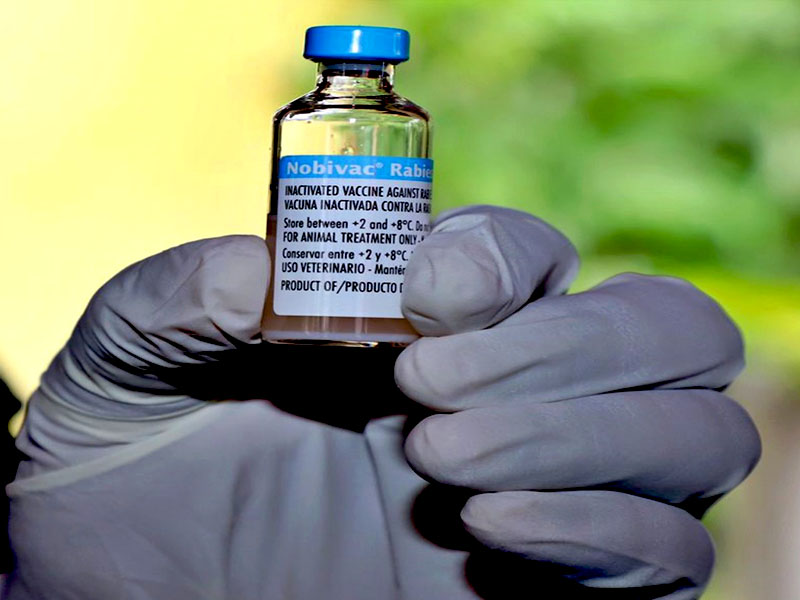
As we look back at the courage shown by Louis Pasteur and the young Joseph Meister, the message remains clear: the tools to eradicate rabies already exist. The struggle now is to distribute these tools equitably and to foster a global commitment to One Health. By strengthening our collective response—from the village level to global policy forums—we can honor the memory of those lost to this preventable disease by ensuring that no child in the future has to face the fear and uncertainty that Joseph Meister faced in 1885. The goal is clear, the science is proven, and the window of opportunity is open until 2030. Success will depend on our ability to remain "Stronger Together."









