Chalifah Fatihah
The thyroid gland, a butterfly-shaped organ nestled at the base of the neck, plays a pivotal role in regulating a myriad of bodily functions, from metabolism and energy production to heart rate and temperature. However, when this crucial endocrine gland undergoes abnormal enlargement, the condition is known as a goiter. Often insidious in its onset, goiter can manifest with subtle symptoms that may be overlooked in its early stages. This article delves into the characteristic signs of goiter, its underlying causes, and the risk factors that individuals should be aware of to facilitate early detection and intervention.
Goiter, or thyroid enlargement, can develop gradually, making it difficult for individuals to notice the changes initially. According to medical resources like the Mayo Clinic, in some cases, goiter may only present as a visible change in the neck’s contour. However, in more advanced or severe instances, it can significantly impede vital functions such as breathing and swallowing. While goiter can affect anyone, regardless of gender, it is notably more prevalent among women. It is crucial to understand that the presence of a goiter does not always correlate with an imbalance in thyroid hormone levels; nevertheless, any discernible thyroid enlargement warrants professional medical evaluation to rule out or address potential health issues.
Key Indicators of Goiter: Recognizing the Symptoms
Identifying the signs of goiter is paramount for timely medical attention. While the physical manifestation of swelling is often the most apparent indicator, a range of other symptoms can accompany thyroid enlargement.
Visible Swelling and Pressure Sensations
-
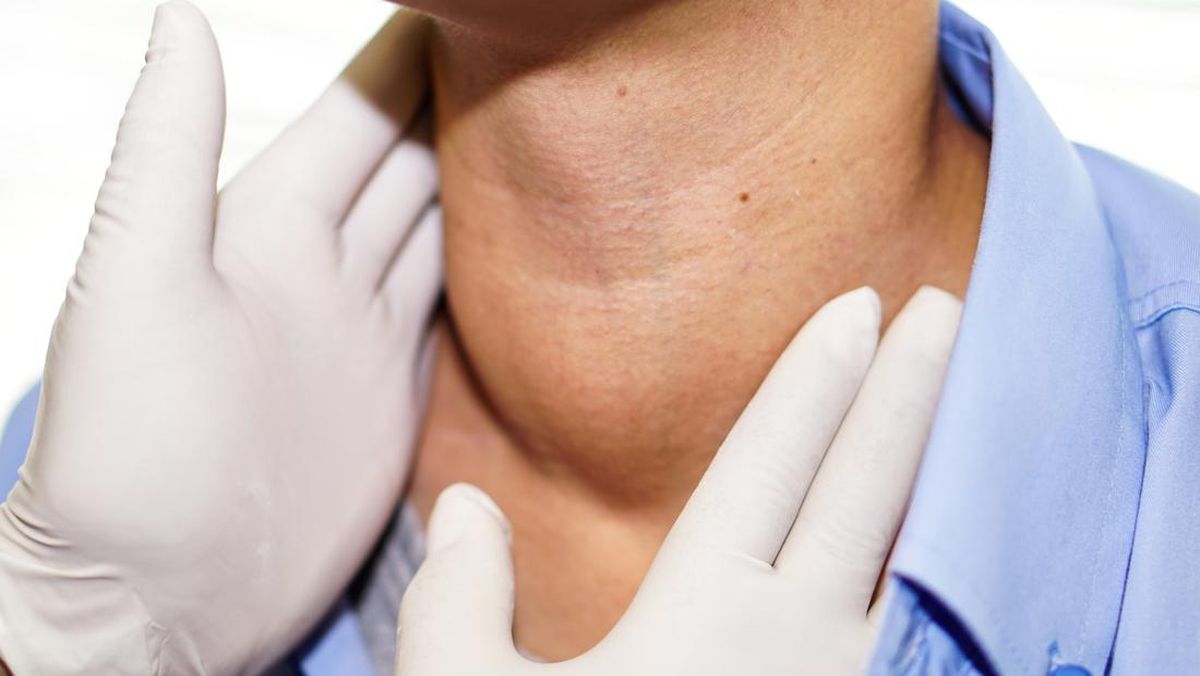
A Nodule or Swelling at the Front of the Neck: The most distinct hallmark of goiter is the presence of a palpable lump or visible swelling at the front of the neck, typically situated just below the Adam’s apple. The size of this swelling can vary considerably, from a small, barely noticeable protrusion to a significantly enlarged mass that is readily apparent.
-
A Sensation of Pressure or Fullness in the Throat: The enlarged thyroid gland can exert pressure on surrounding tissues, leading to an uncomfortable feeling of tightness or fullness in the throat area. This sensation can range from mild discomfort to a persistent feeling of obstruction.
Changes in Voice and Breathing
-
Hoarseness of Voice: As a goiter grows, it can press upon the nerves or tissues that control the vocal cords. This compression can disrupt normal vocal cord function, resulting in a hoarse voice or other vocal changes.
-
Difficulty Breathing: In cases where the goiter has become significantly large, it can constrict the airway. This compression can lead to noticeable shortness of breath, particularly during exertion or when lying down.
-
Coughing or Wheezing: The pressure on the respiratory passages can also trigger a persistent cough or a whistling sound during breathing, known as wheezing. These respiratory symptoms indicate a potential compromise of the airway.
Swallowing Difficulties and Other Physical Manifestations
-
Difficulty Swallowing: The esophagus, the tube that carries food from the mouth to the stomach, can also be compressed by an enlarged thyroid gland. This pressure can make the act of swallowing difficult, uncomfortable, or even painful.
-
Swollen Neck Veins: In certain instances, the increased pressure from a goiter can cause the blood vessels in the neck to become more prominent and appear swollen.
-
Dizziness When Raising Arms: Some individuals with goiter may experience dizziness or lightheadedness when they raise both arms above their head. This phenomenon can be attributed to changes in blood flow dynamics in the neck region due to the enlarged gland.
Hormonal Imbalances Associated with Goiter
It is important to note that goiter can occur with normal thyroid hormone levels, but it can also be associated with either an overproduction (hyperthyroidism) or underproduction (hypothyroidism) of thyroid hormones.
-
Symptoms of Hyperthyroidism: When a goiter is accompanied by an overactive thyroid gland, individuals may exhibit symptoms such as a rapid heartbeat (palpitations), unexplained weight loss, excessive sweating, trembling hands, and feelings of anxiety or restlessness.
-
Symptoms of Hypothyroidism: Conversely, if the goiter is associated with an underactive thyroid gland, symptoms might include persistent fatigue, constipation, dry skin, unexplained weight gain, and irregularities in the menstrual cycle for women.
Understanding the Underlying Causes of Goiter
Goiter is not a disease in itself but rather a sign of an underlying issue affecting the thyroid gland. Several factors can contribute to its development.
Iodine Deficiency: A Global Health Concern
Historically, and still in many parts of the world, iodine deficiency has been the most prevalent cause of goiter. Iodine is an essential component of thyroid hormones. Without adequate iodine intake, the thyroid gland cannot produce sufficient amounts of these hormones. In response, the pituitary gland in the brain releases more thyroid-stimulating hormone (TSH), which prompts the thyroid to grow larger in an attempt to capture more iodine from the bloodstream and produce more hormones. The World Health Organization (WHO) has made significant strides in global iodine deficiency disorders (IDD) prevention through salt iodization programs. However, regions where access to iodized salt is limited remain at higher risk. Data from the WHO indicates that despite progress, millions worldwide still suffer from iodine deficiency, leading to various thyroid-related issues including goiter.
Autoimmune Thyroid Diseases
Autoimmune conditions, where the body’s immune system mistakenly attacks its own tissues, can also lead to goiter.
-
Graves’ Disease: This condition causes the thyroid gland to produce excessive amounts of thyroid hormones (hyperthyroidism). The immune system produces antibodies that stimulate the thyroid gland to grow and secrete more hormones, resulting in a diffuse enlargement of the gland.
-
Hashimoto’s Thyroiditis: In contrast, Hashimoto’s thyroiditis is an autoimmune disease that leads to the gradual destruction of the thyroid gland, resulting in hypothyroidism. Initially, the thyroid may enlarge as it tries to compensate for the damage and inflammation, but over time, its function diminishes.
Other Contributing Factors
-
Thyroid Nodules: The development of one or more nodules within the thyroid gland can lead to its overall enlargement. These nodules can be benign (non-cancerous) or, in rare cases, malignant (cancerous).
-
Thyroiditis: Inflammation of the thyroid gland, regardless of the cause (e.g., viral infections), can lead to swelling and enlargement.
-
Certain Medications: Some medications, including lithium and certain anti-thyroid drugs, can interfere with thyroid hormone production and potentially lead to goiter.
-
Pregnancy and Menopause: Hormonal fluctuations during pregnancy and menopause can sometimes stimulate the thyroid gland to enlarge. This is often a temporary phenomenon.
-
Thyroid Cancer: While less common than benign causes, thyroid cancer can also manifest as a goiter. Early detection is crucial for effective treatment.
Identifying Risk Factors for Goiter
Certain factors can increase an individual’s susceptibility to developing a goiter. Understanding these risk factors can empower individuals to take proactive steps for their thyroid health.
-
Age: The risk of developing thyroid problems, including goiter, tends to increase with age.
-
Gender: As previously mentioned, women are more prone to thyroid disorders than men. This is partly due to hormonal influences and the higher prevalence of autoimmune diseases in women.
-
Family History: A personal or family history of thyroid disease or autoimmune conditions can elevate an individual’s risk of developing a goiter. Genetic predisposition plays a significant role in many thyroid disorders.
-
Iodine Intake: Living in a region with a high prevalence of iodine deficiency or having a diet low in iodine-rich foods significantly increases the risk of goiter. This is particularly relevant in geographical areas where natural iodine sources are scarce.
-
Pregnancy and Breastfeeding: The increased demand for thyroid hormones during pregnancy and breastfeeding can place extra stress on the thyroid gland, potentially leading to enlargement in some individuals.
-
Radiation Exposure: Exposure to radiation, particularly to the head and neck region (e.g., from medical treatments like radiation therapy for certain cancers), can damage the thyroid gland and increase the risk of developing goiter or other thyroid abnormalities.
The Importance of Early Detection and Medical Consultation
Given that goiter can often develop without pronounced symptoms in its initial stages, regular medical check-ups are essential, especially for individuals with known risk factors. A thorough physical examination, including palpation of the neck, can help detect any abnormalities. Further diagnostic tools such as thyroid function tests (blood tests to measure thyroid hormone levels), thyroid ultrasound, and potentially a thyroid scan or biopsy may be employed to determine the cause and extent of the goiter.
Prompt medical attention is crucial for managing goiter effectively. The treatment approach will depend on the underlying cause, the size of the goiter, and the presence of any associated symptoms or hormonal imbalances. Options may range from thyroid hormone replacement therapy, medication to manage hyperthyroidism, to surgical intervention in cases of large goiters that cause significant discomfort or breathing/swallowing difficulties, or when malignancy is suspected.
In conclusion, while the term "goiter" may sound alarming, understanding its varied presentations, causes, and risk factors is the first step towards proactive thyroid health management. By recognizing the subtle signs and seeking timely medical advice, individuals can ensure that any thyroid enlargement is properly diagnosed and managed, safeguarding their overall well-being. The ongoing efforts by global health organizations to combat iodine deficiency, coupled with increased awareness and access to diagnostic tools, are vital in reducing the global burden of goiter and its associated complications.