Nila Kartika Wati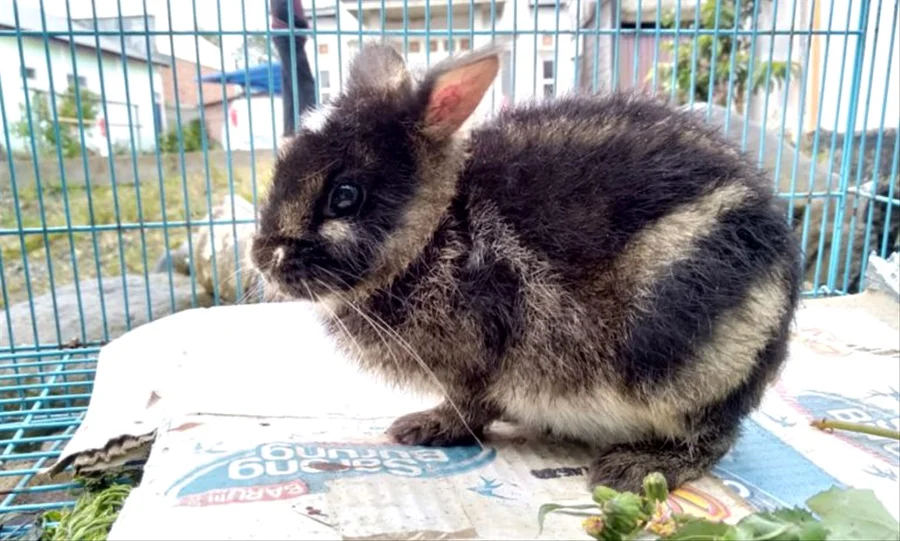
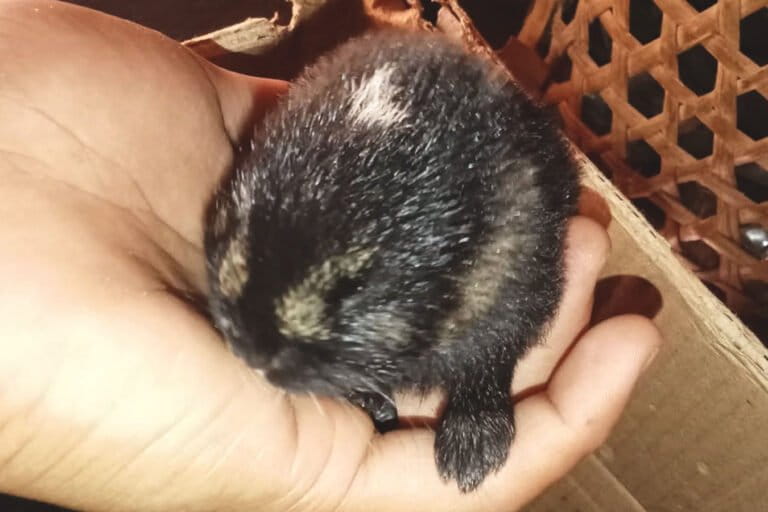
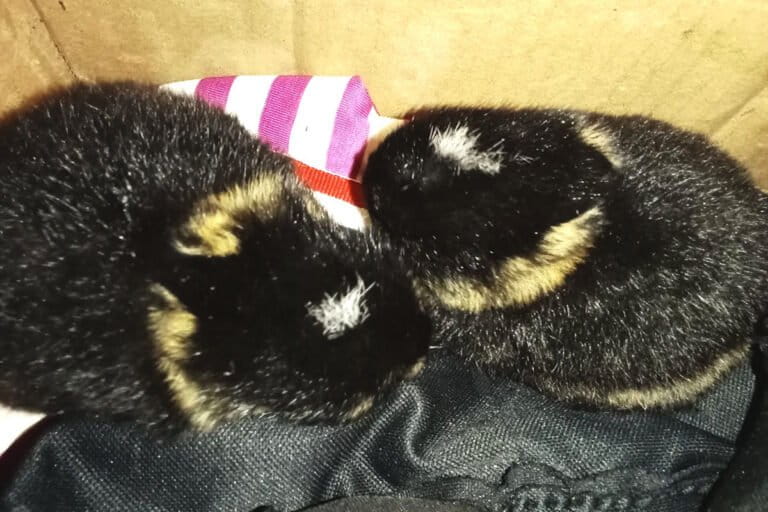
The recent discovery and subsequent release of two Sumatran striped rabbit kittens (Nesolagus netscheri) found in a resident’s plantation near the Kerinci Seblat National Park (TNKS) has cast a spotlight on the precarious existence of one of the world’s most elusive mammals. These kittens, belonging to a species so rare it was once thought extinct, were briefly held by a local villager before being successfully returned to their natural habitat through the intervention of conservationists. This incident highlights not only the biological importance of the Sumatran striped rabbit but also the evolving challenges of wildlife protection in the digital age, where social media serves as both a threat and a tool for monitoring.
The Sumatran striped rabbit is an Indonesian endemic, found only in the highland forests of the Barisan Mountains. Known for its distinct dark stripes, short ears, and nocturnal habits, the species is notoriously difficult to study. The recent encounter began when a resident discovered the two kittens in a garden area adjacent to the national park boundaries. Unaware of the animal’s extreme rarity and protected status, the individual posted images of the rabbits on Facebook on April 26, 2026, with a caption suggesting they were "garden playthings" for children. This digital footprint was immediately flagged by the cyber patrol team of the Scents Foundation (Science for Endangered and Trafficked Species), an organization dedicated to monitoring the illegal wildlife trade on digital platforms.
The swift response from Scents and local authorities prevented what could have been a tragic outcome for the kittens. Dwi Nugroho Adhiasto, a Senior Advisor at Scents, explained that the organization maintains a constant vigil over social media to identify potential trafficking or the illegal possession of protected species. Upon identifying the post, the team traced the uploader, who admitted to finding the rabbits and intending to keep them as pets. Rather than pursuing immediate punitive measures, the team employed a persuasive approach, educating the resident on the legal ramifications of the Law on the Conservation of Living Natural Resources and their Ecosystems. By explaining the rabbit’s status as a protected species and the ecological importance of its survival, the team convinced the resident to surrender the animals for release.
A Chronology of Discovery and Intervention
The timeline of the rescue reflects a sophisticated integration of community monitoring and field action. On April 26, 2026, the initial Facebook post appeared, documenting the kittens in a domestic setting. Within 24 hours, the Scents cyber patrol had verified the location and established contact with the resident. By the evening of the same day, a team was dispatched to provide conservation counseling. Following a health assessment to ensure the kittens were fit for survival, they were transported back into the deep forest of the Kerinci Seblat National Park, far from human settlement.
This case is part of a broader, more troubling trend. Maruf Erawan, Director of Scents, noted on April 27, 2026, that the illegal trade of protected species is becoming increasingly complex and international in scope. The Sumatran striped rabbit, despite its "Data Deficient" status on the IUCN Red List, has recently appeared in international smuggling circuits. Records from Scents indicate that between April and June 2025, three separate smuggling attempts involving a total of six Sumatran striped rabbits were intercepted in India and Thailand. Furthermore, on July 15, 2025, authorities in Pune, India, seized 20 rare species—including green tree pythons, two-eyed fig parrots, and Sumatran striped rabbits—from the luggage of a passenger arriving from Bangkok. These incidents suggest a growing demand in the exotic pet trade that threatens to wipe out the species before scientists can even map its population.
The Challenge of "Data Deficient" Status
One of the primary hurdles in protecting the Sumatran striped rabbit is the profound lack of scientific data regarding its ecology, population density, and distribution. Wido R. Albert, Biodiversity Manager for Fauna & Flora International (FFI) in the Kerinci Seblat region, emphasized that most of what is known about the species comes from incidental sightings and camera trap footage. Speaking on May 7, 2026, Albert noted that while camera traps are deployed throughout the national park, they are primarily positioned to monitor "charismatic megafauna" such as the Sumatran tiger and the Sumatran elephant. Because the rabbit is small and nocturnal, it often evades detection or is only captured by chance.
The "Data Deficient" classification by the International Union for Conservation of Nature (IUCN) reflects this vacuum of information. Without a clear understanding of the rabbit’s breeding cycles, dietary needs, or specific habitat requirements, conservationists are forced to operate with limited tools. Albert pointed out that there has yet to be a dedicated, species-specific study on the Sumatran striped rabbit, partly due to the high cost and logistical difficulty of tracking such a shy animal in the rugged terrain of Sumatra. The lack of specialized equipment tailored for small mammal monitoring further exacerbates the data gap.
Risky Ananda Putri, a forest ranger with the TNKS Authority, corroborated these difficulties during a statement on May 20, 2026. She explained that the rabbit’s naturally reclusive nature and its preference for dense, hidden habitats mean that it is rarely encountered by park rangers during standard patrols. In 2025, TNKS and its partners intensified their use of camera traps to monitor tigers and elephants, and it was through these efforts that the rabbit was occasionally spotted. However, data for 2026 remains pending as equipment is still deployed in remote areas of the park.
Legal Protections and Habitat Threats
In Indonesia, the Sumatran striped rabbit is strictly protected under the Ministry of Environment and Forestry Regulation No. P.106/MENLHK/SETJEN/KUM.1/12/2018. This regulation makes it illegal to hunt, capture, injure, kill, keep, possess, transport, or trade the animal, whether alive or dead. Violations of these laws carry heavy criminal penalties, including imprisonment and substantial fines. Despite these legal safeguards, the species faces existential threats from habitat degradation and the encroachment of agricultural activities into forest buffers.
The Barisan Mountains, which form the backbone of Sumatra and the primary range for the rabbit, are under constant pressure from illegal logging and the conversion of forest land into coffee and cinnamon plantations. As the buffer zones of the national park are eroded, the likelihood of human-wildlife conflict increases. The kittens found in the resident’s garden are a testament to this shrinking boundary. When wildlife loses its canopy cover and undergrowth, it is forced into human-dominated landscapes, where it becomes vulnerable to domestic predators like dogs and cats, as well as human interference.
The Role of Community and Digital Awareness
The Scents Foundation and TNKS authorities agree that the future of the Sumatran striped rabbit depends heavily on the people living on the edges of the forest. Maruf Erawan noted that many people do not intend to harm these animals but simply do not recognize them as rare or protected. "Sometimes we lose something not because we don’t care, but because we don’t know it well enough," he explained. The rabbit’s presence in the "backyards" of Sumatra is a double-edged sword; it offers a chance for community-led conservation but also exposes the animals to the risks of the digital marketplace.
The shift toward cyber-patrolling is a response to the way wildlife trade has moved from physical markets to private groups on Facebook, WhatsApp, and Telegram. By monitoring keywords and images, conservationists can intervene before an animal is sold into an international trafficking network. However, the ultimate goal is to move from intervention to prevention. This involves "SMART Patrols" (Spatial Monitoring and Reporting Tool), which allow rangers to collect data on both wildlife sightings and illegal activities in real-time, and extensive outreach programs aimed at the younger generation in Sumatra.
Broader Implications for Sumatran Biodiversity
The story of the two kittens is more than just a successful rescue; it is a warning. The Sumatran striped rabbit serves as an indicator species for the health of the Sumatran highland ecosystem. If a species that has survived for millennia in the dense undergrowth of the Barisan Mountains is now being found in gardens and seized in foreign airports, it suggests a systemic breakdown in habitat integrity and border security.
Conservationists are calling for a multi-pronged approach to ensure the species’ survival. This includes:
- Dedicated Research: Securing funding and technology specifically for small mammal studies to move the species out of the "Data Deficient" category.
- Enhanced Border Control: Strengthening the capacity of airport and seaport authorities to recognize and intercept rare endemic species before they leave the country.
- Buffer Zone Management: Working with local farmers to create wildlife-friendly corridors and preventing further encroachment into the National Park.
- Digital Literacy: Educating social media users about the dangers of posting wildlife locations and the legal consequences of possessing protected animals.
As the two kittens disappear back into the shadows of the Kerinci Seblat forest, they leave behind a community more aware of their existence. The rescue serves as a reminder that in the fight against extinction, every individual animal counts. The collaboration between cyber-patrols, field researchers, and local residents provides a blueprint for modern conservation, where technology and human empathy must work in tandem to protect the "forgotten" species of the Indonesian wilderness. Without continued vigilance, the Sumatran striped rabbit—the "striped ghost" of the forest—could vanish permanently, leaving behind only grainy camera trap images and the memory of a narrow escape.