Azin Asro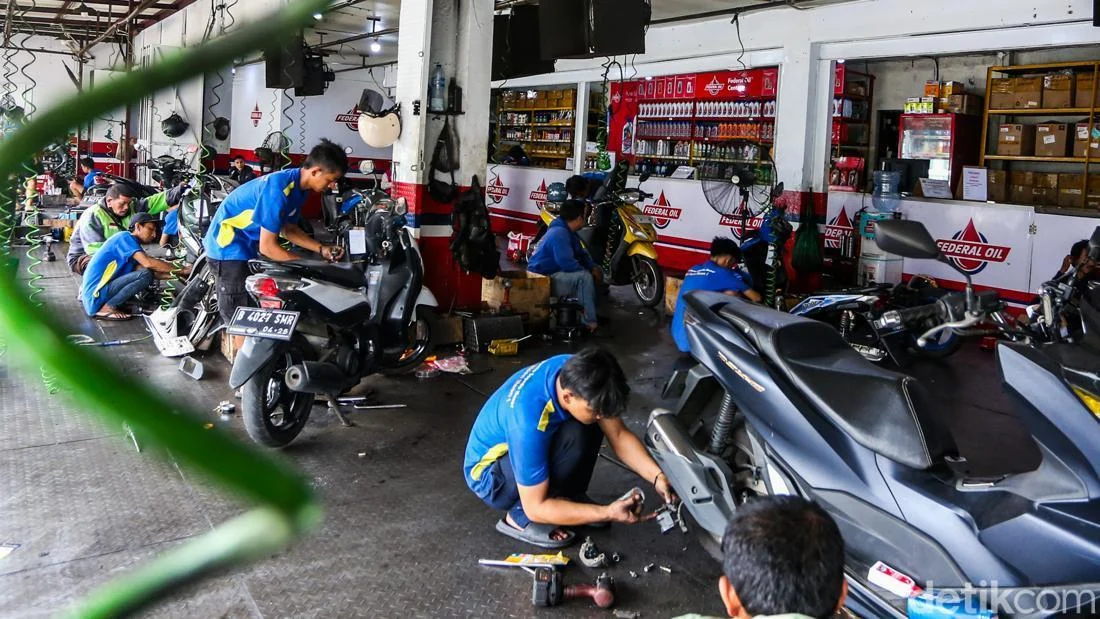
The Indonesian Rupiah’s dramatic slide against the United States Dollar has sent shockwaves through the domestic automotive maintenance industry, with the exchange rate breaching the psychological threshold of Rp17,700. As of Friday, May 22, 2026, this currency depreciation has translated into an immediate and significant surge in the cost of vehicle spare parts across various workshops in the capital. In the Pasar Minggu area of South Jakarta, mechanics and workshop owners report that the prices of essential maintenance components have climbed by 15 to 30 percent over the past several weeks. This economic shift is creating a dual pressure on small business owners who must balance rising procurement costs with the dwindling purchasing power of their regular clientele.
The Currency Crisis: Rupiah Hits Rp17,700
The weakening of the Rupiah to the level of Rp17,700 per US Dollar represents one of the most challenging fiscal environments for the Indonesian automotive sector in recent years. Because a vast majority of automotive components, lubricants, and raw materials used in local manufacturing are either directly imported or priced according to global commodity benchmarks in USD, the local market is highly sensitive to fluctuations in the foreign exchange market.
Economists point to a combination of global and domestic factors contributing to this trend. High interest rates in the United States have continued to draw capital away from emerging markets, while localized trade imbalances have put additional downward pressure on the Rupiah. For the automotive industry, which relies on a complex global supply chain, the timing of this currency slide is particularly disruptive. Distributors, facing higher invoices from overseas suppliers, have begun passing these costs down the supply chain, reaching the retail level at neighborhood workshops in a matter of days.
Immediate Impact on the Automotive Service Sector
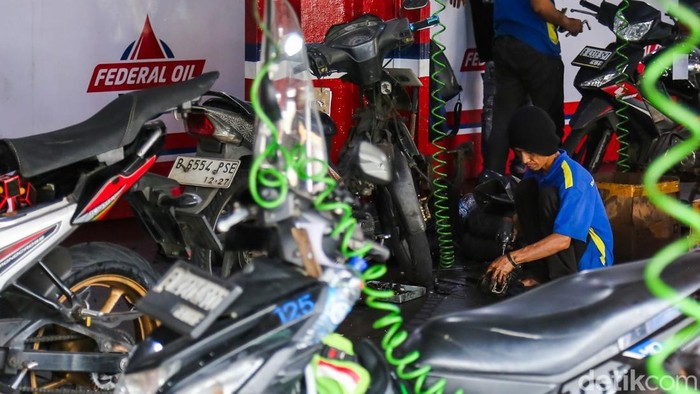
In the bustling automotive hubs of Pasar Minggu, the reality of the currency’s decline is visible on the price tags of every shelf. Technicians who previously managed steady streams of routine maintenance now find themselves spending a significant portion of their day explaining price adjustments to frustrated motorists. The most affected items are those that require frequent replacement, such as engine oils, tires, and small hardware components.
One of the most striking examples of this inflation is seen in the pricing of premium lubricants. Shell-branded engine oil, a staple for many motorcycle owners, has seen its price jump from approximately Rp65,000 to Rp84,000 per bottle. This represents a nearly 30 percent increase, hitting the maximum threshold of the reported price hikes. Workshop owners note that such a steep increase for a single liter of oil often forces customers to opt for lower-quality alternatives or, worse, delay their essential oil changes entirely.
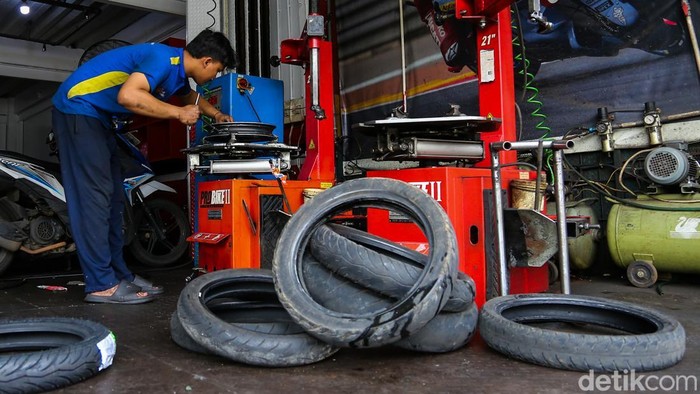
Motorcycle tires have also seen a steady upward trajectory. Prices for popular brands have increased by an average of Rp10,000 to Rp20,000 per unit. While this might seem like a modest nominal increase, for the millions of "ojek" (motorcycle taxi) drivers and delivery couriers who rely on their vehicles for their livelihood, these incremental costs aggregate into a substantial financial burden that eats into their daily take-home pay.
Dissecting the Supply Chain: Why Costs are Surging
The reason for the 15 to 30 percent price hike lies in the "pass-through effect" of currency depreciation. Even for spare parts that are technically manufactured within Indonesia, the cost of production is rarely insulated from the US Dollar. For instance, the rubber compounds used in tires are influenced by global market prices, and many of the chemical additives required for high-performance lubricants are imported from specialized facilities in Singapore, Europe, or the United States.
Furthermore, the logistics of distribution add another layer of cost. As the Rupiah weakens, the cost of imported fuel additives and the maintenance of transport fleets also rise. Distributors in Jakarta have reportedly issued new price lists to workshop owners almost weekly over the last month, citing the need to maintain their own margins amidst the volatile exchange rate. Small workshop owners, who typically operate on thin margins, have little choice but to adjust their retail prices immediately to ensure they can afford to restock their inventory.
A Chronology of Economic Pressure
The current situation in May 2026 is the culmination of a trend that began in late 2025. A timeline of the events leading to the current price surge illustrates the speed at which the automotive sector has been impacted:
- November 2025 – January 2026: The Rupiah remained relatively stable between Rp15,800 and Rp16,200. Spare part prices were consistent, and workshops reported healthy turnover as consumer confidence remained high.
- February 2026: Initial volatility in global oil markets began to impact the cost of lubricants. Minor price adjustments of 2-5% were observed in premium synthetic oils.
- March 2026: The US Federal Reserve’s decision to maintain high interest rates led to a capital flight from Southeast Asian markets. The Rupiah crossed the Rp16,700 mark. Distributors began warning retailers of upcoming "significant adjustments."
- April 2026: The exchange rate hit Rp17,200. Large-scale distributors for tires and engine components implemented a 10% across-the-board price increase.
- May 2026: The Rupiah breached Rp17,700. The cumulative effect of the previous months’ pressures resulted in the current 15-30% price surge. Workshops in Jakarta began reporting a noticeable decline in "non-essential" repair visits.
Consumer Sentiment and the "Repair Gap"
The rising cost of maintenance is creating what industry analysts call a "repair gap." As the price of spark plugs, brake pads, and filters increases, low-to-middle-income vehicle owners are increasingly likely to skip scheduled maintenance. This trend is particularly concerning for road safety.
In Pasar Minggu, many mechanics have observed that customers are now asking for "temporary fixes" rather than the full replacement of worn-out parts. Bolts, gaskets, and small seals—components that were once considered negligible in cost—are now being scrutinized by customers. A technician at a local motorcycle shop noted that even the price of specialized bolts has risen, leading some customers to reuse old, compromised hardware to save a few thousand Rupiah.
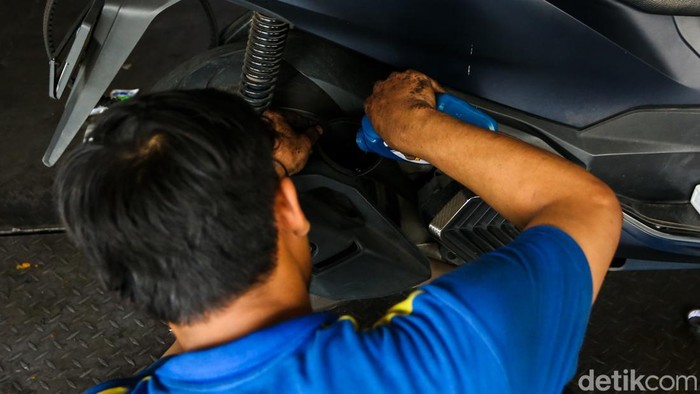
This shift in consumer behavior poses a long-term risk to the longevity of vehicles and the safety of the city’s transport infrastructure. If the "repair gap" continues to widen, Jakarta could see an increase in vehicle breakdowns and accidents caused by mechanical failure.
Stakeholder Reactions and Calls for Intervention
Business owners in the automotive service sector are becoming increasingly vocal about the need for government intervention. Many feel that without some form of price stabilization or tax relief for imported raw materials, the small workshop industry could face a wave of closures.
"We are in a difficult position," said a workshop owner in South Jakarta. "If we don’t raise prices, we cannot buy new stock. If we do raise prices, the customers stop coming. We need the government to stabilize the Rupiah or at least provide some subsidies for the most essential transport-related goods, like basic engine oil and tires."
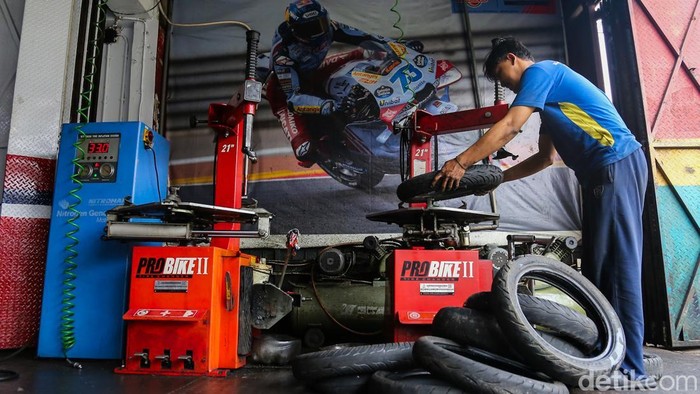
Industry associations have suggested that the government could consider temporary reductions in import duties for automotive components to offset the currency’s weakness. There is also a call for Bank Indonesia to take more aggressive measures to support the Rupiah and provide a more predictable environment for businesses that rely on international trade.
Broader Economic Implications and Analysis
The spike in spare part prices is a microcosm of the broader inflationary pressures facing the Indonesian economy. When the cost of maintaining a vehicle rises, it has a cascading effect on the cost of living. Delivery services, public transportation, and logistics companies all face higher operating costs, which are eventually passed on to the consumer in the form of higher prices for food and goods.
From a factual analysis standpoint, the current situation highlights Indonesia’s ongoing struggle with "import-dependency" in high-value manufacturing chains. While the country has made strides in domestic vehicle assembly, the underlying "ingredients"—the chemicals for lubricants, the high-grade steel for engine components, and the specialized rubber for tires—remain tethered to global markets.
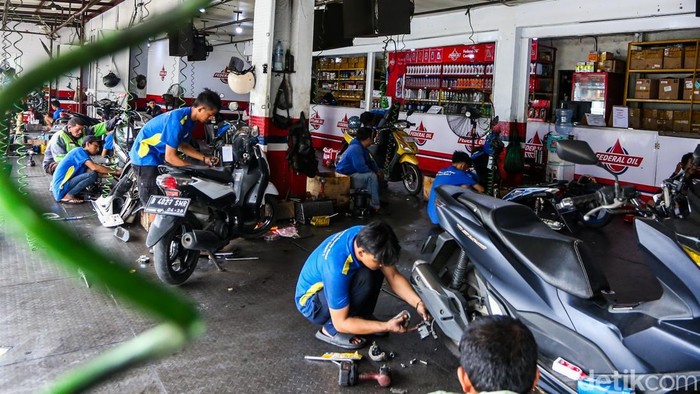
Furthermore, this event serves as a reminder of how quickly currency volatility can erode the gains made in the SME (Small and Medium Enterprise) sector. Small workshops are the backbone of the Indonesian transport economy, ensuring that millions of vehicles remain roadworthy. When these businesses are squeezed by 30 percent price hikes, the entire mobility of the city is at risk.
Future Outlook: Navigating Volatility
As the Rupiah hovers around the Rp17,700 level, the immediate outlook for the automotive maintenance industry remains cautious. If the currency stabilizes, workshops may be able to find a new equilibrium, though at a significantly higher price point than before. However, if the Rupiah continues to weaken toward the Rp18,000 mark, the 30 percent price hike seen in May 2026 may only be the beginning of a larger inflationary cycle.
For now, the technicians in Pasar Minggu continue to work, wrenching on tires and draining oil, while keeping a wary eye on the daily exchange rate. The resilience of this sector will be tested in the coming months as they navigate an economic environment where the price of a simple oil change is no longer just a matter of mechanics, but a reflection of global financial shifts. The hope remains that government fiscal policies and central bank interventions will eventually provide the stability needed to protect both the small business owners and the millions of motorists who keep the nation’s economy moving.