Nila Kartika Wati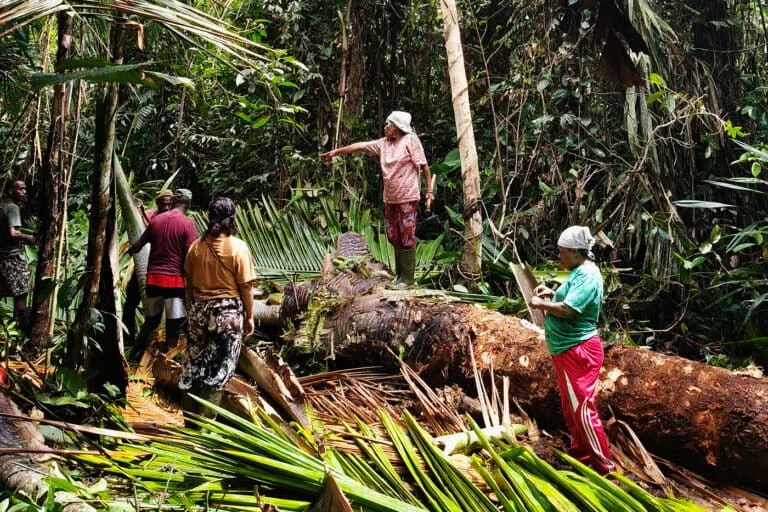
The Republic of Indonesia, an archipelagic nation endowed with vast biodiversity, has long sought to diversify its food sources beyond the heavy reliance on rice. While rice remains the dominant staple, a growing movement of experts, researchers, and policymakers is turning the spotlight toward a native powerhouse: sago (Metroxylon sagu). Often referred to as the "forgotten giant" of Indonesian agriculture, sago is increasingly recognized not just as a traditional food source for Eastern Indonesia, but as a strategic symbol of national food sovereignty, a tool for climate resilience, and a versatile raw material for modern industry.
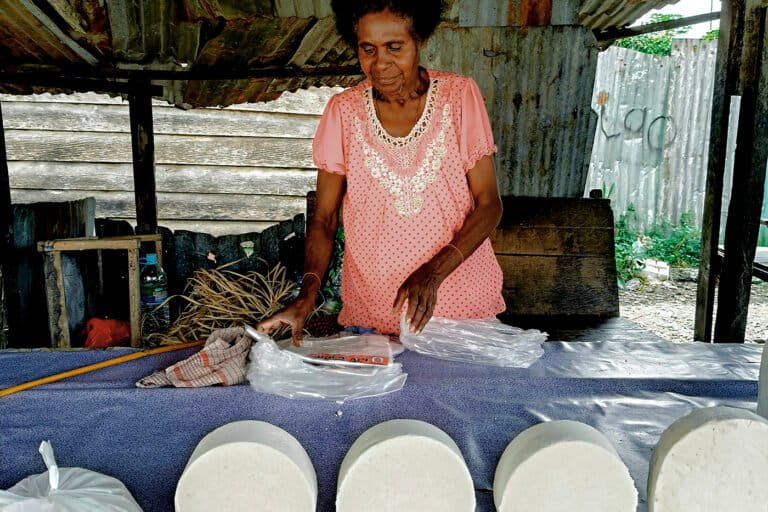
Mochamad Hasjim Bintoro, a Professor of Agronomy and Horticulture at the Faculty of Agriculture, IPB University, and a leading national expert on sago, emphasizes that sago is more than just a carbohydrate source. According to Bintoro, sago represents the very essence of Indonesias potential for food independence. Speaking on the matter, he noted that sago can be processed into an array of products, including flour, noodles, sugar, and even sago rice—a processed form of sago that mimics the texture and appearance of traditional rice grains. This versatility makes it a viable alternative in the national effort to reduce the country’s vulnerability to global rice market fluctuations and the impacts of climate change on paddy fields.
The Nutritional and Health Advantages of Sago
One of the most compelling arguments for the mainstreaming of sago is its unique nutritional profile. Professor Bintoro highlights that sago contains a high level of resistant starch. Unlike the rapidly digestible starches found in many varieties of white rice or refined wheat, resistant starch functions more like dietary fiber. It passes through the small intestine without being fully broken down, eventually reaching the large intestine where it serves as a prebiotic for beneficial gut bacteria.
From a metabolic perspective, this means that the energy calories from sago that are not immediately utilized by the body are less likely to be stored as adipose tissue (fat). Instead, the byproduct of this digestive process is expelled, which helps in weight management and prevents the onset of obesity—a growing public health concern in modern Indonesia. Furthermore, sago has a lower glycemic index compared to many other staples, making it a potentially safer option for individuals managing blood sugar levels or diabetes.
Ecological Superiority and Wildlife Conservation
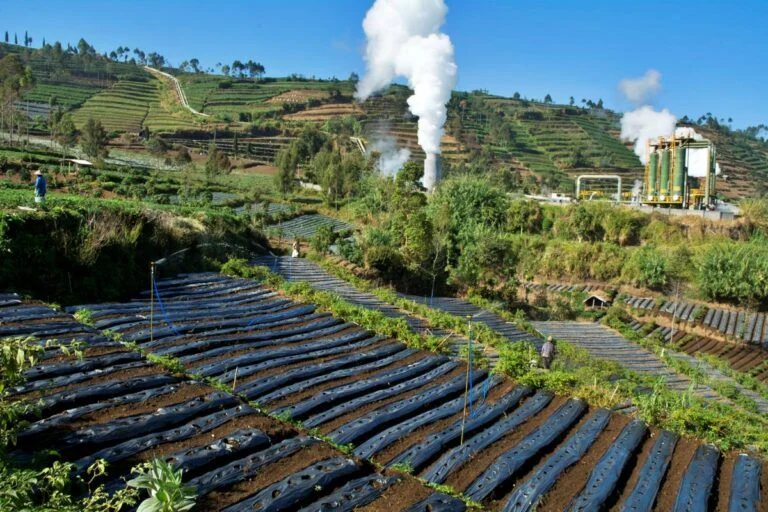
Beyond human health, the cultivation of sago offers profound environmental benefits that traditional agriculture often lacks. Indonesia currently holds approximately 85% of the world’s sago palm land, with the vast majority of these forests located in the provinces of Papua and Maluku. Unlike rice paddies, which require extensive land clearing, irrigation systems, and the use of chemical fertilizers, sago palms grow naturally in their native habitats.
Professor Bintoro points out a critical distinction between sago forests and other forms of monoculture plantations, such as oil palm or industrial timber. Sago forests allow for the preservation of existing ecosystems. Because the palms are part of a complex wetland environment, the natural habitat for various wildlife species remains largely intact. In contrast, the conversion of land into rice fields or other plantations often results in the total displacement of local fauna. By promoting sago, Indonesia can simultaneously pursue food security and biodiversity conservation.
Sago as a Hero of the Peatlands
The ecological value of sago is further amplified by its relationship with Indonesias peatlands. According to data from Pantau Gambut, sago is an "ecological hero" because it thrives in waterlogged conditions, including swamps and peatlands with high acidity (low pH). Most conventional crops fail in these environments without intensive drainage, which leads to peat decomposition and the release of massive amounts of carbon dioxide into the atmosphere.
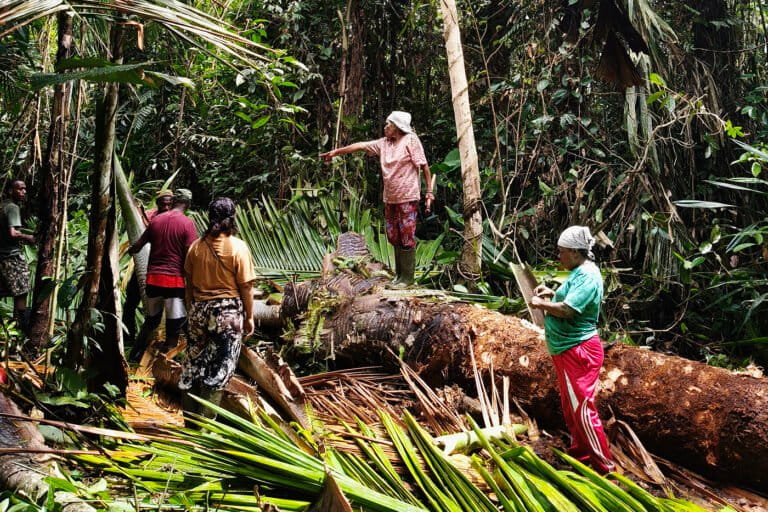
Sago palms, however, do not require the drainage of peatlands. They can be harvested once they reach maturity—typically between 8 to 10 years—and, most importantly, they can be harvested continuously without the need for replanting or "renewing" the land in the traditional sense. A sago palm produces suckers (offshoots) that grow into new trees, creating a self-sustaining cycle of production. This low-maintenance requirement makes sago cultivation both economically efficient and environmentally sustainable, providing a high-quality carbohydrate source without the heavy carbon footprint associated with other crops.
Strategic Downstreaming and Industrial Innovation
The potential of sago extends far beyond the kitchen. Taufik Hidayat, Head of the Agro-industry Research Center at the National Research and Innovation Agency (BRIN), asserts that sago is a high-priority commodity for Indonesias industrial future. While its primary role is food, sago is also a critical raw material for non-food industries, including biomaterials, bioplastics, and pharmaceuticals.
In recent years, BRIN has been pushing for the "hilirisasi" or downstreaming of the sago industry. This involves moving away from the export of raw sago starch and toward the production of high-value derivatives. For instance, sago starch can be converted into maltodextrin, glucose, and other sweeteners used in the food and beverage industry. In the pharmaceutical sector, it serves as a binder for tablets and a component in various medicinal formulations.
"The development of sago downstreaming must be supported by rigorous research, innovation, and strategic partnerships," Hidayat stated in a 2025 briefing. He emphasized that collaboration between the government, research institutions, and the private sector is essential to transform sago into a globally competitive agro-industry. By creating a robust value chain, Indonesia can provide economic incentives for local farmers in Papua and Maluku, ensuring that the wealth generated from sago stays within the communities that have stewarded these forests for generations.
Circular Economy and Waste Utilization
The industrialization of sago also presents an opportunity for a circular economy. The processing of sago trunks to extract starch produces significant amounts of waste, particularly the fibrous outer bark and the residual pith (ampas). However, recent research indicates that this "waste" is actually a valuable resource.
A 2022 study by Rina Novia Yanti and colleagues, published in the Journal of Hutan Lestari, explored the characteristics of sago bark biomass as an alternative energy source. In provinces like Riau, where sago processing is a major local industry, this biomass can be converted into pellets or briquettes for bioenergy. Furthermore, the liquid waste from sago processing can be treated to produce biogas, while the solid residue can be repurposed as high-quality animal feed or organic fertilizer.
This multi-use capability ensures that every part of the sago palm is utilized, minimizing environmental impact and maximizing economic output. For a country like Indonesia, which is striving to transition toward renewable energy and sustainable waste management, sago offers a blueprint for how traditional crops can meet modern industrial needs.
Challenges and the Path Toward Sovereignty
Despite its immense potential, the sago industry in Indonesia faces several hurdles. Historically, sago has been viewed as a "poor man’s food" or a "marginal crop," leading to a lack of investment in infrastructure and technology compared to the rice and palm oil sectors. Logistics also remain a challenge, as the primary sago-producing regions in Eastern Indonesia are far from the major consumption centers in Java.
To overcome these challenges, a comprehensive national strategy is required. This includes:
- Infrastructure Development: Improving transportation and processing facilities in Papua and Maluku to reduce the cost of bringing sago products to the national and international markets.
- Public Awareness Campaigns: Changing the perception of sago through education about its health benefits and culinary versatility. Promoting sago-based products like "Sago Rice" can help bridge the gap for consumers accustomed to traditional rice.
- Research Funding: Continued investment in BRIN and university research to develop new sago varieties that mature faster or have higher starch yields, as well as new processing technologies for the pharmaceutical and biomaterial sectors.
- Support for Smallholders: Ensuring that the expansion of the sago industry benefits local indigenous communities through fair trade practices and technical assistance.
Conclusion: A Sustainable Future Rooted in Tradition
The resurgence of interest in sago marks a pivotal moment in Indonesias agricultural history. As the world grapples with the dual crises of food insecurity and climate change, sago stands out as a uniquely resilient solution. It is a crop that requires no fertilizers, preserves forests, protects peatlands, and offers superior health benefits.
By embracing sago, Indonesia is not just looking back at its traditional roots; it is looking forward to a future where food sovereignty is built on the foundations of ecological balance and industrial innovation. The transition from a rice-centric diet to a diversified food system that includes sago is no longer just an academic recommendation—it is a national necessity. With 85% of the world’s sago resources at its disposal, Indonesia has the opportunity to lead the world in sustainable tropical agriculture, proving that the path to a prosperous future can be found in the very forests that have sustained its people for centuries.