Nila Kartika Wati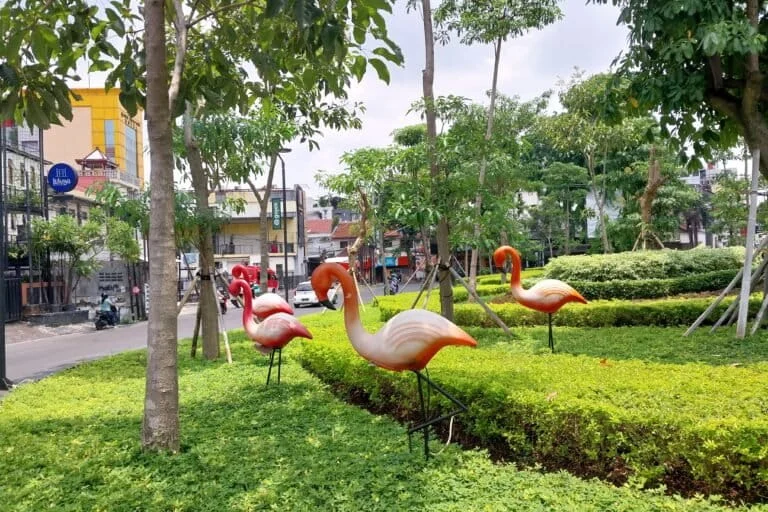
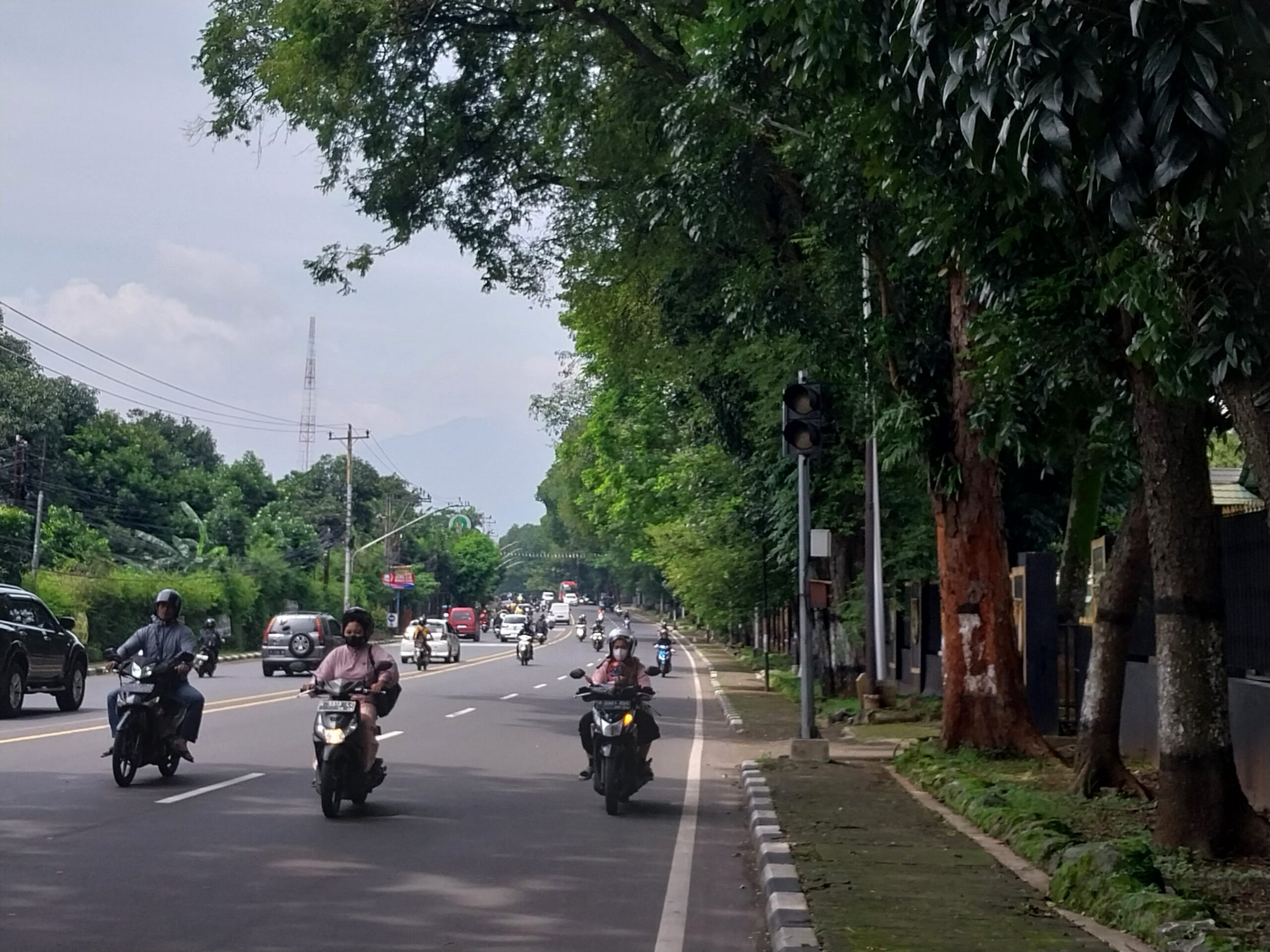
The tamarind trees surrounding the Headquarters of the 400th Raider Infantry Battalion in Semarang, Central Java, remain as lush and leafy as they have been for decades, yet a vital piece of their ecological soul has gone missing. As the golden rays of the setting sun pierce through the dense foliage, the sky, which was once painted white by the wings of thousands of returning egrets, now remains quiet and empty. These birds, colloquially known as the "Kuntul Srondol," were once the living symbols of the city, a natural spectacle that defined the twilight hours for residents of the Srondol Kulon area. Today, the absence of these avian residents serves as a poignant reminder of the delicate balance between urban development and biodiversity conservation.
For the residents of Semarang, the Kuntul Srondol was more than just a species of bird; it was a rhythmic part of the city’s pulse. Local witnesses recall a time when the tamarind trees (Tamarindus indica) lining the military base served as a massive communal roost. Every morning, as the sun rose, the birds would depart in vast clouds to forage in the nearby wetlands and rice fields. Every evening, they would return with military precision to find rest within the safety of the battalion’s grounds. This cycle, which persisted for decades, has now been broken, leaving environmentalists and locals alike questioning the fate of this urban icon.
A Legacy of Protection: The Military and the Egrets
The history of the Srondol egrets is deeply intertwined with the presence of the 400th Raider Infantry Battalion (Yonif Raider 400/Banteng Raiders). Since at least the 1980s, the military base provided an unofficial sanctuary for the birds. While there were no formal government decrees designating the area as a nature reserve, the soldiers themselves took on the mantle of protectors. In an era when urban hunting was common, the battalion enforced a strict, albeit unwritten, code: no one was allowed to harm or hunt the birds within the vicinity of the base.
Local residents tell stories of the soldiers’ fierce dedication to the egrets. One well-known anecdote involves a civilian who was caught shooting an egret near the base; as punishment, the soldiers allegedly forced the poacher to eat the bird raw. Such legendary tales of "frontier justice" served as a powerful deterrent, ensuring that the Srondol colony remained one of the most stable urban bird populations in Central Java throughout the 1990s. The birds, in turn, seemed to recognize the safety of the military compound, nesting in such high densities that the tamarind trees often appeared to be covered in snow.
The Cultural Significance of the "Lucky" Droppings
The presence of thousands of birds in a busy urban area created a unique cultural dynamic. For the people of Srondol, the egrets were a source of both pride and occasional frustration. Pedestrians and cyclists passing under the tamarind trees frequently found themselves the targets of bird droppings. In a display of local humor, this was referred to as "getting a fortune" (dapat rejeki).
"Back then, if you got hit by bird droppings while cycling, we’d joke that you were lucky," recalls Yanto, a long-time resident of Srondol Kulon. "We used to be annoyed by it, but now that they are gone, I actually miss it. There is a sense of loss. The younger generation in Semarang won’t understand what it was like to live alongside thousands of these birds."
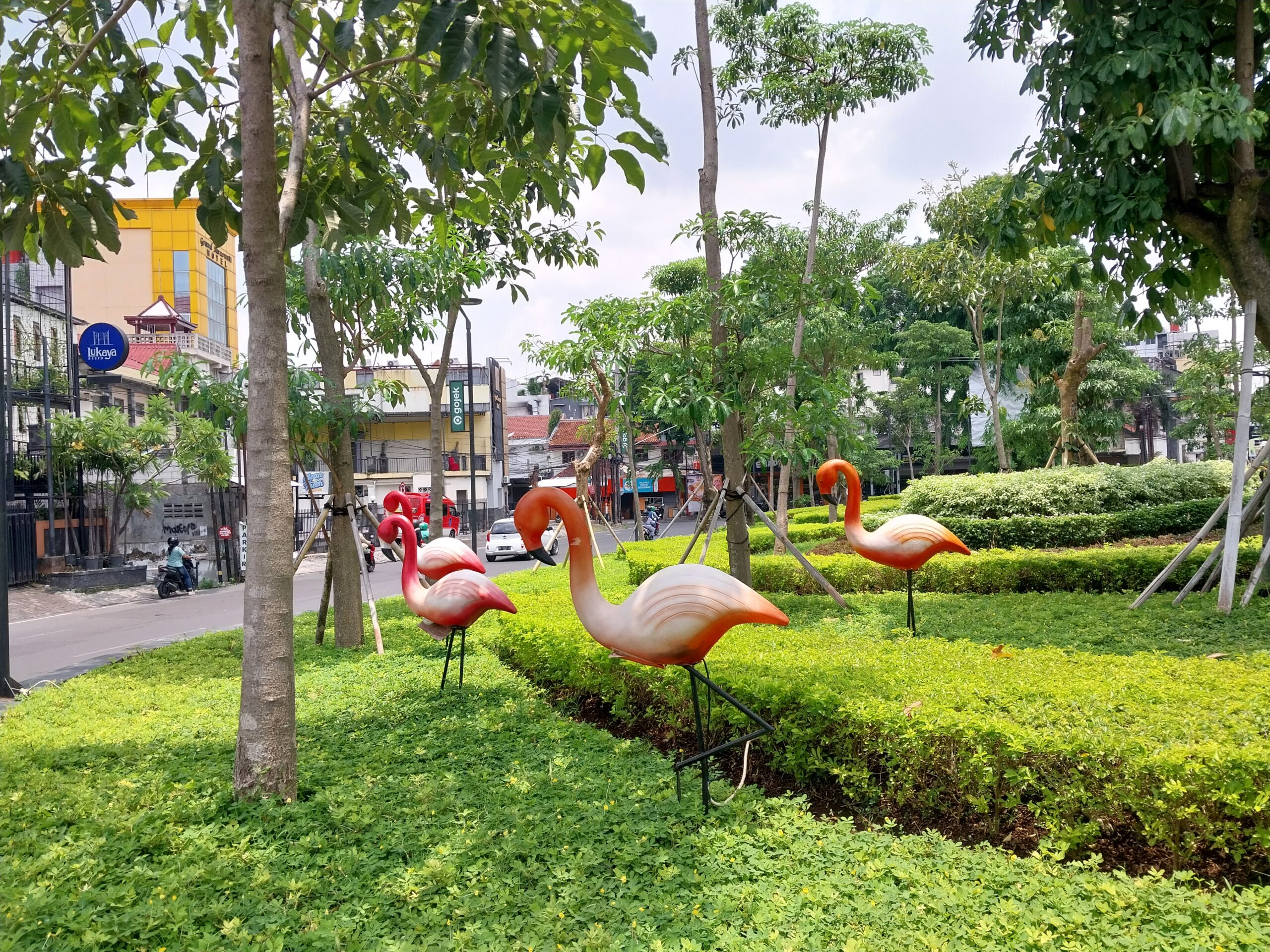
The cultural impact of the Kuntul Srondol extended beyond local jokes. The bird became a primary motif in "Batik Semarangan," the traditional wax-resist dyed fabric of the city. Its elegant, long-necked silhouette can still be seen on public monuments, park ornaments, and government logos across Semarang, serving as a ghostly reminder of a biological heritage that is rapidly fading from the physical landscape.
Scientific Analysis: Why the Birds Left
The disappearance of the egrets is not a mystery to the scientific community, though the timeline of their departure was gradual. Professor Margareta Rahayuningsih, an expert in biodiversity at the Faculty of Mathematics and Natural Sciences (MIPA) at the Universitas Negeri Semarang (UNNES), notes that the birds’ departure is a direct consequence of habitat fragmentation and land-use change.
According to Professor Rahayuningsih, the egrets in Srondol consisted of four primary species: the Great Egret (Ardea alba), the Intermediate Egret (Ardea intermedia), the Little Egret (Egretta garzetta), and the Cattle Egret (Bubulcus ibis). These birds are highly dependent on "foraging grounds"—open spaces such as rice fields, marshes, and grasslands where they can hunt for fish, frogs, and insects.
"The primary reason they no longer roost in Srondol is the loss of their kitchen," Professor Rahayuningsih explains. "In the 1980s and 90s, the area surrounding Srondol was surrounded by vast rice fields and open grasslands. Today, those areas have been converted into luxury housing estates, apartments, university campuses, shopping malls, and office complexes. A bird cannot live in a roosting site if it has to fly too far to find food."
The urbanization of the Semarang highlands has effectively "priced out" the egrets. As the concrete jungle expanded, the energy cost of flying from the Srondol tamarind trees to the remaining wetlands became too high, forcing the colonies to relocate closer to the coast or further into the rural hinterlands of neighboring regencies.
Population Shifts and New Refuges
While the Srondol colony has vanished, the egrets have not disappeared from the region entirely; rather, they have shifted their demographics. Research conducted by Professor Rahayuningsih and her team provides a snapshot of this migration. In 2023, a significant population of approximately 1,000 egrets was recorded near the Ahmad Yani International Airport in Semarang. However, by 2025, that number had dwindled to around 700, suggesting that even these secondary refuges are under pressure from human activity and noise pollution.
Other colonies have been observed in the mangrove forests of Tapak and Mangunharjo, as well as in the coastal areas of Kendal and Demak. A 2020 study by Amalia Zaida and Margareta Rahayuningsih titled "Diversity and Abundance of Bird Species in the Mangunharjo Mangrove Area" identified 66 different bird species in the coastal region, with the Little Egret being one of the dominant residents, accounting for over 10% of the population.
Similarly, research by Ummi Nur Azizah in the Bedono Mangrove Conservation area in Demak confirmed that the Cattle Egret (Bubulcus ibis) remains a resilient species. These birds possess a strong migratory instinct and a high capacity for adaptation, allowing them to thrive in mangrove ecosystems when their preferred inland habitats are destroyed. However, the transition from inland tamarind trees to coastal mangroves represents a significant shift in the city’s ecological profile.
The Environmental Implications of Urban Sprawl
The story of the Kuntul Srondol is a textbook case of how rapid urbanization can lead to the "ecological silencing" of a city. The loss of these birds is an indicator of a broader environmental decline. Egrets are considered "bio-indicators"; their presence signifies a healthy, functioning wetland ecosystem. Their departure suggests that the water systems in the Semarang highlands are likely compromised, paved over, or too polluted to support the aquatic life the birds depend on.
Furthermore, the loss of urban biodiversity has psychological impacts on the citizenry. "Nature-deficit disorder," a term coined by some environmental psychologists, describes the loss of connection between urban dwellers and the natural world. For the people of Semarang, the egrets provided a daily connection to the cycles of nature. Without them, the city becomes a more sterile environment, defined solely by its economic output rather than its biological richness.
The Future: Can the Icon Return?
Restoring the Srondol egret colony would require more than just planting new trees; it would require a massive restoration of the surrounding foraging habitats—a feat that is nearly impossible given the current real estate value of land in the Setia Budi and Srondol areas. However, conservationists argue that the lesson of the Kuntul Srondol must be applied to the city’s remaining green and blue spaces.
"We must protect the mangroves in Tapak and Mangunharjo with the same ferocity that the soldiers once protected the trees in Srondol," says an environmental activist from a local NGO. "If we lose the coastal wetlands, the egrets will have nowhere left to go. They won’t just move to another neighborhood; they will disappear from Semarang entirely."
The city government has made efforts to memorialize the birds through public art and the promotion of "Batik Semarangan," but critics argue that cultural symbols are a poor substitute for living creatures. To truly honor the icon of the city, there must be a shift in urban planning that prioritizes "green corridors"—strips of protected land that allow wildlife to move and feed even within a densifying city.
As it stands, the tamarind trees of the 400th Raider Infantry Battalion remain standing, their branches wide and welcoming. But the "white clouds" of Srondol have moved on, seeking a quieter, greener world that the modern city of Semarang can no longer provide. The story of the Kuntul Srondol remains a haunting chapter in the city’s history—a tale of a community that loved its birds but failed to protect the land they needed to survive.