Hadi Wijaya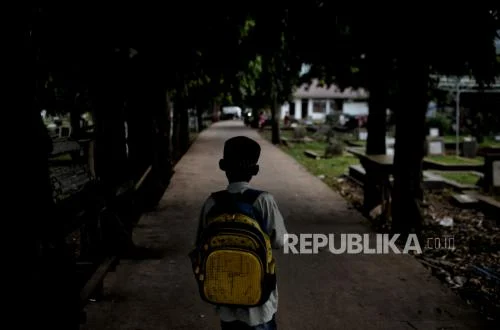
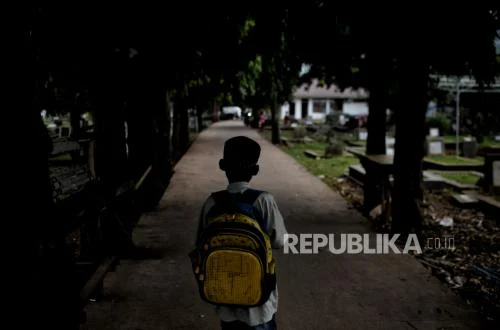
Effective communication between educational institutions and parents serves as the primary defense mechanism in preventing child abduction cases, particularly as reported incidents continue to fluctuate across various regions in Indonesia. Dr. Y Bagus Wismanto, a prominent psychologist and former Rector of Unika Soegijapranata, emphasized that the synergy between schools and families is not merely a social courtesy but a structural necessity for child safety. Speaking in Semarang, Central Java, Wismanto highlighted that the clarity of roles regarding the rights and obligations of both parties is the cornerstone of a secure environment for students. This call for increased vigilance comes in response to a disturbing trend of reported abductions and attempted kidnappings that have recently surfaced in several urban centers, including Semarang.
The responsibility for child protection is a shared burden, yet it requires a clear demarcation of jurisdiction to ensure no gaps are left for perpetrators to exploit. Wismanto noted that schools are primarily responsible for a child’s safety while they are within the school gates and during official school hours. However, the educational institution acts as a partner in the child’s development rather than a total substitute for parental supervision. Once a student exits the school premises, the primary responsibility shifts back to the parents or guardians. Without a robust communication channel—such as verified pickup protocols and real-time updates—this transition period becomes the most vulnerable window for criminal intervention.
The Rising Trend of Child Abduction in Indonesia
The urgency of this issue is underscored by empirical data from the Ministry of Women’s Empowerment and Child Protection (KPPPA). According to official statistics, Indonesia witnessed a significant surge in child abduction cases in 2022, with 28 confirmed reports. This figure represents nearly a 100% increase from the 15 cases recorded in 2021. While the numbers may seem small relative to the total population, the psychological impact of each case resonates deeply within communities, often triggering widespread panic and social anxiety.
In early 2023, the city of Semarang became a focal point for these concerns following several reports of suspicious individuals loitering near elementary schools. Although some reports were later clarified as misunderstandings or hoaxes, the climate of fear prompted local authorities and experts like Wismanto to advocate for more formalized safety protocols. The motivation behind these crimes is frequently rooted in economic desperation. While human trafficking remains a grim reality, many abductions are driven by ransom demands or the exploitation of children for forced labor and street begging. Wismanto pointed out that "economic motivation" remains the most common driver, making children from various socioeconomic backgrounds potential targets.
Psychological Implications and the Path to Recovery
The trauma inflicted by abduction extends far beyond the physical act of being taken. From a psychological perspective, a child’s world is built on the foundation of trust and a sense of security provided by their primary caregivers. When that security is shattered by a stranger or an unauthorized individual, the developmental repercussions can be lifelong. Wismanto explained that victims of abduction often suffer from profound trust issues, chronic anxiety, and a persistent feeling of being unsafe even in familiar environments.
The recovery process for a child who has experienced such a traumatic event is arduous. It requires the deliberate and patient reconstruction of their "sense of security." This recovery is almost entirely dependent on the parents’ ability to provide a stable, nurturing environment post-incident. Experts suggest that parents must not only offer emotional support but also practical assurances that the event will not recur. This involves transparent discussions about safety measures without inducing further fear, helping the child regain a sense of agency over their own surroundings. If the social relations of the child are not carefully managed after such an event, they may struggle with interpersonal relationships well into adulthood, viewed through the lens of their past trauma.
Strengthening the School-Parent Synergy
To bridge the gap between school and home, many educational experts suggest a multi-layered approach to communication. This includes the implementation of digital "attendance and pickup" systems where parents receive a notification the moment their child is picked up by an authorized person. Dr. Wismanto argued that schools must be proactive in explaining their safety limits to parents. For instance, schools should have strict policies against allowing students to leave with anyone not listed on a pre-approved contact card.
Furthermore, the role of the "extended family" and the "village" cannot be ignored. In the Indonesian context, neighbors and local community members often act as informal guardians. Wismanto emphasized that adults surrounding children—not just their biological parents—have a collective moral obligation to monitor the presence of strangers in residential areas and near school zones. This communal vigilance acts as a secondary layer of protection, deterring potential kidnappers who rely on anonymity and the indifference of bystanders.
Government and Law Enforcement Reactions
The Indonesian National Police (Polri) and local education departments have reacted to the rising concerns by increasing patrols around school zones during "rush hours"—specifically during morning drop-offs and afternoon pickups. In Semarang, the local government has encouraged schools to install high-definition CCTV cameras facing the streets to capture the license plates of suspicious vehicles.
The KPPPA has also been vocal about the role of digital literacy in preventing abductions. In the modern era, "digital kidnapping" or the use of social media to track a child’s location and daily routine has become a precursor to physical abduction. Authorities have urged parents to be cautious about posting photos of their children in school uniforms or tagging specific locations in real-time. The synergy mentioned by Wismanto therefore extends into the digital realm, where schools and parents must align on privacy settings and the sharing of student information online.
Fact-Based Analysis of Societal Impact
The phenomenon of child abduction in Indonesia often triggers a "moral panic," exacerbated by the rapid spread of unverified information on platforms like WhatsApp and Facebook. While awareness is beneficial, excessive speculation can lead to vigilantism or the harassment of innocent individuals. Therefore, the communication system advocated by Dr. Wismanto also serves as a filter for accurate information. When schools and parents have a direct line of communication, rumors can be debunked quickly, preventing unnecessary chaos.
From a policy perspective, the increase in cases highlights the need for more stringent enforcement of the Child Protection Law (Law No. 35 of 2014). This law provides a legal framework for the protection of children from exploitation and violence, but its effectiveness relies on local implementation. The "Child-Friendly City" (Kota Layak Anak) initiative, which Semarang and other major cities participate in, must prioritize safe transit for students as a key metric of success.
The long-term social impact of failing to address these security gaps is significant. If parents do not feel safe sending their children to school, it can lead to increased absenteeism or a shift toward homeschooling, which may not be accessible to all. Furthermore, the atmosphere of fear can restrict a child’s freedom to play and explore, which are essential components of healthy psychological development.
Strategic Recommendations for Prevention
Moving forward, several actionable strategies can be derived from the expert opinions and data presented:
- Formalized Pickup Protocols: Schools should implement a "No ID, No Pickup" policy. Any change in the person picking up a child must be communicated via a verified school app or official phone line at least an hour in advance.
- Educational Programs for Children: Instead of just scaring children, schools and parents should teach "situational awareness." This includes identifying "safe adults" (like police officers or teachers) and practicing how to say "no" to strangers offering gifts or rides.
- Regular Coordination Meetings: Schools should hold monthly or quarterly briefings with parent-teacher associations specifically focused on security updates and identifying potential blind spots in the school’s perimeter.
- Economic Empowerment Programs: Given that many abductions are economically motivated, broader government efforts to alleviate poverty and monitor human trafficking syndicates are essential to addressing the root cause of the problem.
- Mental Health Support: For schools that have experienced abduction attempts or successful cases, immediate access to trauma-informed counseling for the entire student body and staff is necessary to mitigate collective anxiety.
In conclusion, the fight against child abduction in Indonesia is not a task for law enforcement alone. As Dr. Y Bagus Wismanto aptly stated, the solution lies in the strength of the relationship between the home and the classroom. By fostering a culture of transparency, shared responsibility, and constant communication, communities can create a protective shield around their most vulnerable members. The surge in cases recorded by the KPPPA serves as a wake-up call that the safety of the next generation depends on the vigilance of every adult in the present.