Nasution Nanang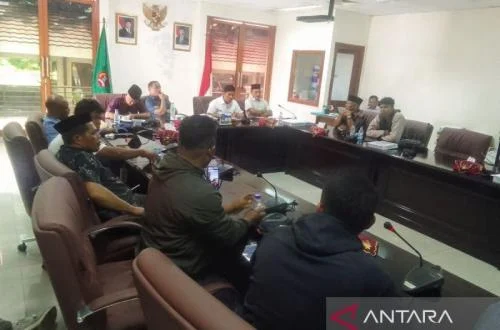
The Maluku Regional House of Representatives (DPRD) has issued a firm demand to the Non-Governmental Organization (NGO) Konsorsium Maluku, urging them to provide concrete, verifiable evidence regarding the alleged smuggling of 300 cans of cyanide. This hazardous material is purportedly intended for illegal gold mining activities within the notorious Gunung Botak area in Buru Regency. The legislative body’s stance underscores a critical juncture in addressing persistent environmental and legal challenges posed by unregulated mining in the region, particularly amid serious accusations of evidence mishandling.
Background of the Gunung Botak Crisis
The Gunung Botak area on Buru Island has long been a flashpoint for illegal gold mining (PETI) in Indonesia. What began as a traditional mining site for local communities transformed into a large-scale, environmentally destructive operation attracting thousands of itinerant miners from across the archipelago. The allure of gold, coupled with lax enforcement and complex socio-economic factors, has fueled an industry notorious for its reliance on dangerous chemicals like mercury and cyanide. These substances, cheap and effective for gold extraction, pose severe threats to the environment, contaminating soil, water sources, and ultimately the food chain, with devastating consequences for human health and biodiversity.
The Maluku province, rich in natural resources, has struggled to balance economic development with environmental protection. The unregulated mining activities in Gunung Botak have led to significant deforestation, land degradation, and the widespread pollution of rivers and coastal areas. Multiple attempts by authorities to shut down or regulate these operations have met with limited success, often resulting in temporary closures followed by renewed activity, or even violent clashes. The persistent nature of illegal mining in this region highlights systemic issues including poverty, lack of alternative livelihoods, and alleged corruption facilitating the supply chains of illegal operations, including the procurement of restricted chemicals.
Allegations of Cyanide Smuggling and Its Implications
The core of the current controversy revolves around the reported seizure of 300 cans of cyanide, a highly toxic chemical. Cyanide is primarily used in gold mining through a process called cyanidation, where it forms a soluble gold-cyanide complex from which gold can be recovered. While a legitimate industrial chemical, its handling and transportation are strictly regulated due to its extreme toxicity. In Indonesia, the use and distribution of such hazardous materials are governed by specific laws and ministerial decrees, requiring permits, safety protocols, and proper waste management. The alleged smuggling of such a large quantity of cyanide – 300 cans could easily translate to several tons of the chemical, depending on container size – indicates a significant, organized effort to supply illegal mining operations.
The environmental implications of 300 cans of cyanide being used in an unregulated environment like Gunung Botak are catastrophic. Cyanide spills can instantly kill aquatic life, contaminate drinking water sources, and pose immediate health risks to miners and nearby communities. Long-term exposure, even at low levels, can lead to neurological damage, thyroid problems, and other chronic illnesses. Furthermore, the improper disposal of cyanide-laden tailings ponds can lead to persistent environmental contamination for decades. The economic impact also extends beyond environmental damage, including the loss of state revenue from un-taxed gold, the disruption of legitimate economic activities such as fisheries and agriculture, and the perpetuation of an underground economy that often funds other illicit activities.
DPRD’s Call for Substantiation and Due Process
Komisi I (Commission I) of the Maluku DPRD, responsible for legal, governmental, and human rights affairs, has taken a measured but firm stance on the allegations. Solichin Buton, Chairman of Komisi I, emphasized that while the DPRD is committed to addressing public aspirations, especially those concerning significant legal and environmental issues, such follow-up actions must be predicated on "strong and valid" supporting data and evidence. "Aspirations conveyed to the commission will always be received for follow-up, but they must be accompanied by strong and valid evidence so that we can also invite the Maluku Police Chief to discuss them," Buton stated on Wednesday.
This requirement reflects the formal procedures governing legislative oversight. The DPRD, as a regional legislative body, has the authority to summon regional government officials, including the head of the regional police force (Kapolda), for questioning or clarification. However, such summonses require a clear legal basis and substantiated grounds. Without concrete evidence, the DPRD’s capacity to compel the Kapolda to appear and engage in meaningful discussion about a specific case is limited. The legislative body also highlighted its intention to conduct a field check in Buru during its second phase of supervision if the necessary documentation is provided. This dual approach of requiring evidence for official engagement and committing to on-site verification underscores the DPRD’s intent to conduct a thorough and impartial inquiry.
Further reinforcing this procedural emphasis, Vice Chairman of Komisi I, Edison Sarimanela, along with members Hasim Rahawarin and Wahid Laitupa, stressed that reports pertaining to legal processes demand "comparative data" before being escalated for further discussion, such as in a formal hearing. Wahid Laitupa specifically invoked the fundamental legal principle of "presumption of innocence," stating, "What is prioritized is the principle of presumption of innocence, so there must be strong evidence." This position indicates the DPRD’s commitment to upholding legal standards and ensuring that any accusations are thoroughly vetted before judgment or punitive action.
Konsorsium Maluku’s Allegations and Demands
On the other side of the discourse is Alwi Rumadhan, Chairman of LSM Konsorsium Maluku, who has been vocal in his criticisms and demands. Rumadhan vehemently urged the DPRD to proceed with summoning the Maluku Police Chief to discuss the handling of the cyanide case. He claimed that law enforcement authorities have already named one suspect in connection with the case, implying that sufficient progress has been made to warrant a high-level discussion. More controversially, Rumadhan also alleged the "involvement of a number of parties" in the handling of the case, suggesting potential corruption, complicity, or obstruction of justice. This broad accusation, if substantiated, would point to systemic issues within the enforcement apparatus and could severely undermine public trust.
Adding another layer of grave concern, Umar Rumakepin, another member of LSM Konsorsium Maluku, raised a particularly troubling allegation: the purported reduction in the quantity of the seized cyanide evidence. According to Rumakepin, the original 300 cans of cyanide, which were reportedly secured in Namlea, Buru Regency, appeared to have diminished in quantity during their transfer to Ambon. "This needs to be investigated further to ensure that the process of handling the case proceeds according to regulations," Rumakepin asserted. This accusation of evidence tampering or mishandling is extremely serious. If true, it not only compromises the integrity of the investigation but also raises questions about accountability within the law enforcement chain of custody. Such an act would be a severe breach of legal protocol and could potentially lead to the collapse of the case against any alleged perpetrators, besides fostering deep public distrust in the justice system.
Inferred Reactions and Official Responses
Given the gravity of the allegations, various parties would logically be expected to react.
-
Maluku Regional Police (Polda Maluku): The Polda Maluku would likely issue a statement reaffirming its commitment to a transparent and thorough investigation into the alleged cyanide smuggling. They would probably state that they are taking all necessary steps to gather evidence, identify all perpetrators, and bring them to justice. Regarding the allegations of evidence tampering and complicity, the police would likely state that such claims are taken seriously and will be investigated internally if formal complaints are filed or substantial evidence is presented. They would emphasize adherence to legal procedures and the principle of presumption of innocence, while also signaling readiness to cooperate with the DPRD once formal requests and supporting evidence are provided. They might also highlight the complexities of combating illegal mining and the challenges in securing hazardous materials over long distances.
-
Local Government of Buru Regency: The local government would likely express deep concern over the persistent illegal mining activities in Gunung Botak and the environmental and social consequences. They would reiterate their commitment to supporting law enforcement efforts to curb such activities and ensure environmental protection. They might call for stronger collaboration between central, provincial, and regional authorities to address the root causes of illegal mining and prevent the entry of hazardous materials into the region.
-
Ministry of Environment and Forestry (KLHK) – Regional Office: The regional office of KLHK would likely voice serious alarm over the potential environmental disaster posed by the alleged cyanide smuggling. They would emphasize the critical need for strict enforcement of environmental laws, proper management of hazardous waste, and rehabilitation of degraded mining areas. They might also highlight ongoing monitoring efforts and the need for inter-agency cooperation to prevent ecological damage and protect public health from toxic contamination.
-
Community Leaders and Environmental Advocates: Local community leaders and other environmental advocacy groups would likely amplify the calls for immediate and decisive action. They would highlight the direct impact of illegal mining and chemical pollution on local livelihoods, health, and cultural heritage. They would demand full transparency in the investigation, accountability for all involved parties, and robust measures to protect the environment and ensure sustainable development in the region. Their statements would likely underscore the urgent need for justice and the restoration of environmental integrity.
Broader Impact and Implications
The alleged cyanide smuggling case and the subsequent calls for accountability carry significant broader implications for Maluku and Indonesia.
-
Environmental Degradation: The primary and most immediate implication is the potential for severe environmental degradation. The uncontrolled use of cyanide in illegal mining sites like Gunung Botak has long-term consequences for ecosystems, water quality, and biodiversity. The alleged smuggling highlights the ongoing challenge of preventing hazardous materials from reaching these unregulated zones, despite existing regulations. Effective environmental governance is crucial to mitigate these risks.
-
Public Health Crisis: Beyond ecological damage, the misuse of cyanide poses a direct threat to public health. Communities living near mining sites or downstream from polluted rivers are at high risk of exposure, leading to chronic illnesses and acute poisoning. This case underscores the urgent need for health risk assessments and public awareness campaigns in affected areas.
-
Erosion of Rule of Law and Governance: The allegations of evidence tampering and official complicity are perhaps the most damaging in terms of governance. If these claims are substantiated, they would severely erode public trust in law enforcement agencies and the justice system. Such incidents suggest a breakdown in institutional integrity, potentially enabling illicit activities and making it harder to prosecute environmental crimes. A transparent and rigorous investigation into these allegations is essential to restore confidence in the rule of law.
-
Economic Impact and Illicit Finance: Illegal gold mining represents a significant informal economy, often linked to illicit finance and organized crime. The procurement and distribution of large quantities of restricted chemicals like cyanide point to sophisticated networks that operate outside legal frameworks. This not only deprives the state of legitimate revenue but also creates an environment conducive to other criminal activities.
-
Social Conflicts and Security Challenges: The competition for resources in illegal mining areas frequently leads to social conflicts among miners, between miners and local communities, and with security forces. The presence of dangerous chemicals only exacerbates these tensions. A comprehensive approach that includes law enforcement, economic development, and community engagement is required to address the multi-faceted challenges in such regions.
Conclusion
The Maluku DPRD’s demand for concrete evidence in the alleged 300-can cyanide smuggling case is a critical step towards addressing a multifaceted crisis. It highlights the intricate balance between legislative oversight, law enforcement action, and the urgent need for environmental protection and social justice. The serious allegations made by Konsorsium Maluku, particularly regarding the diminishing quantity of seized evidence and the alleged involvement of various parties, demand a thorough, transparent, and impartial investigation. The integrity of the justice system and the well-being of the Maluku environment and its people hinge on the diligent pursuit of truth and accountability in this deeply concerning matter. Without robust action, the cycle of illegal mining, environmental destruction, and erosion of public trust is likely to persist, further endangering the future of the region.