Nasution Nanang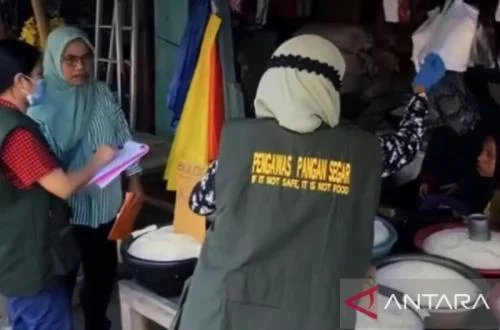
AMBON, REPUBLIKA.CO.ID – The Maluku Provincial Government has significantly intensified its oversight of Fresh Plant-Based Food (PSAT) across various traditional markets, a strategic move aimed at guaranteeing the safety and quality of dietary staples consumed by its populace. This comprehensive initiative, spearheaded by Ina Wati Tahir, the Head of the Maluku Food Security Agency, focuses on critical regions including Ambon City, Central Maluku Regency, and West Seram Regency. The provincial administration underscores its unwavering commitment to protecting public health and fostering robust regional food security through rigorous monitoring and proactive measures.
"We are intensifying this PSAT supervision to ensure that fresh produce circulating in the markets is safe for consumption, free from harmful contaminants, and meets all established quality standards," stated Ina Wati Tahir from Ambon on Wednesday. Her remarks highlight the critical importance of this program, which addresses the inherent vulnerabilities of plant-based foods to various forms of contamination.
Understanding PSAT and Its Inherent Vulnerabilities
Fresh Plant-Based Food (PSAT) encompasses a wide array of agricultural products, including vegetables, fruits, and other unprocessed plant-derived foodstuffs. These items form the backbone of the daily diet for millions and are crucial for nutritional well-being. However, their nature makes them particularly susceptible to contamination at various stages of the supply chain, from cultivation to consumption. The primary concerns include:
- Pesticide Residues: Over-reliance or improper application of pesticides by farmers can leave harmful residues on produce. While pesticides are vital for crop protection, exceeding maximum residue limits (MRLs) poses significant health risks.
- Heavy Metals: Contamination from soil, water, or industrial pollution can lead to the accumulation of heavy metals such as lead, cadmium, and mercury in plant tissues. Long-term exposure to these metals, even in small amounts, can have severe health consequences, affecting organs like kidneys, liver, and the nervous system.
- Microbial Contamination: Bacteria, viruses, and parasites can contaminate PSAT through unsananitary handling, irrigation with contaminated water, or contact with animal waste. Pathogens like E. coli, Salmonella, and Listeria are common culprits, leading to foodborne illnesses characterized by gastrointestinal distress, and in severe cases, life-threatening conditions.
- Chemical Additives: Unscrupulous practices, such as the use of illegal food dyes, preservatives, or ripening agents, can introduce dangerous chemicals into fresh produce. These substances are often not approved for food use and can be carcinogenic or toxic.
Ina Wati Tahir emphasized that lax supervision in these areas presents not only immediate health risks but also broader socio-economic repercussions. A decline in consumer confidence due to concerns over food quality can directly translate into reduced purchasing power and a general reluctance to consume fresh produce, thereby undermining both public health and the agricultural economy.
The Regulatory Framework and Maluku’s Proactive Stance
Indonesia has a comprehensive, albeit continuously evolving, regulatory framework for food safety. Key national bodies include the National Agency of Drug and Food Control (BPOM) and the Ministry of Agriculture, which set standards for food quality, hygiene, and pesticide residue limits. At the provincial level, agencies like the Maluku Food Security Agency are tasked with implementing these national guidelines and tailoring them to local contexts.
Maluku’s intensified PSAT supervision is a direct manifestation of this commitment. The agency’s mandate extends beyond mere inspection; it encompasses education, data collection, and coordination with other governmental and non-governmental entities. The focus on traditional markets is particularly crucial, as these venues often operate with less formal oversight compared to modern retail chains, making them more vulnerable points in the food supply chain. By targeting these primary distribution hubs, the Maluku Provincial Government aims to create a ripple effect that improves food safety standards from farm to fork.
Operationalizing Oversight: Strategy and Execution
The operational strategy for this enhanced supervision is multi-faceted and designed for maximum impact:
- Visual Inspections: Field officers conduct thorough visual checks of PSAT in markets. This involves assessing the freshness, color, texture, and overall appearance of vegetables and fruits. They look for signs of spoilage, pest infestation, unusual residues, or artificial enhancements that might indicate unsafe practices.
- Sampling and Laboratory Testing: A critical component of the program is the systematic collection of samples for laboratory analysis. These samples are tested for a range of contaminants, including pesticide residues, heavy metals, and microbial pathogens. The results provide objective data on compliance with national food safety standards and help identify specific problem areas or suppliers. This scientific approach ensures that interventions are evidence-based.
- Trader Education and Awareness: Beyond enforcement, the program places a strong emphasis on educating traders. Petugas (officers) provide guidance on proper food handling, storage techniques, hygiene practices, and appropriate display methods to prevent contamination and spoilage. This educational component is vital for fostering a culture of food safety within the market ecosystem. It empowers traders with the knowledge to maintain product integrity and reduce risks.
- Data Collection and Analysis: Information gathered during inspections and testing is systematically recorded and analyzed. This data helps the agency identify trends, pinpoint high-risk products or locations, and assess the effectiveness of their interventions. It also informs future policy decisions and resource allocation.
- Targeted Enforcement: While the primary approach is educational and preventative, non-compliance with food safety regulations leads to appropriate enforcement actions. This can range from warnings and confiscation of unsafe produce to more severe penalties for repeat offenders or those engaged in deliberately hazardous practices.
The selection of Ambon City, Central Maluku Regency, and West Seram Regency as initial focus areas is strategic. Ambon, as the provincial capital, is the largest consumption center and a major distribution hub. Central Maluku and West Seram are significant agricultural production zones, meaning that effective supervision here addresses potential contamination at or near the source.
Beyond Safety: The Economic Dimension of Food Security
The Maluku Provincial Government’s initiative extends beyond mere safety to encompass broader aspects of food security, particularly economic stability. The agency also monitors the prices of essential commodities, recognizing that affordability is as crucial as safety for ensuring access to nutritious food for all citizens.
According to recent data collected by the agency, prices for staple foods in Maluku have remained relatively stable. For instance:
- Medium rice: Rp13,000 per kilogram
- Premium rice: Rp15,000 per kilogram
- Red chili (keriting): Rp35,000 per kilogram
- Bird’s eye chili (rawit): Rp45,000 per kilogram
- Bulk cooking oil: Rp15,000 per liter
- Packaged cooking oil: Rp20,000 per liter
- Granulated sugar: Rp16,000 per kilogram
This price stability is a testament to effective supply chain management and market monitoring, which complements the food safety efforts. Unstable or exorbitant prices for staples can severely impact household budgets, especially for low-income families, potentially leading to food insecurity even if safe food is available. By ensuring both safety and affordability, the government aims to create an environment where all Maluku residents can consistently access sufficient, nutritious food.
The economic implications of unsafe food are profound. Foodborne illnesses place a heavy burden on public health systems, leading to increased healthcare costs and lost productivity due to illness. Moreover, widespread fear about food quality can depress demand for local agricultural products, harming farmers’ livelihoods and the regional economy. Conversely, a reputation for safe, high-quality produce can boost consumer confidence, stimulate local agricultural production, and even open doors for broader market access.
A Multi-Stakeholder Approach: Collaboration and Coordination
The success of such an ambitious initiative hinges on robust collaboration and seamless coordination among various stakeholders. The Maluku Provincial Government is committed to strengthening its partnerships with a range of agencies and organizations:
- Local Health Departments: Crucial for monitoring public health outcomes, investigating foodborne illness outbreaks, and providing expertise on hygiene and sanitation.
- Agricultural Extension Services: Essential for educating farmers on Good Agricultural Practices (GAP), responsible pesticide use, and sustainable farming methods to prevent contamination at the source.
- Trade and Industry Offices: Play a role in regulating market operations, ensuring fair trade practices, and supporting local businesses in adopting higher safety standards.
- Consumer Protection Agencies: Collaborate to address consumer complaints, disseminate information, and advocate for consumer rights related to food safety.
- Law Enforcement Agencies: May be involved in cases of deliberate adulteration or widespread violations that require legal action.
- Farmer Associations and Cooperatives: Engaging directly with producers is vital for implementing changes at the farm level and fostering a collective responsibility for food safety.
This multi-pronged approach ensures that food safety is not viewed in isolation but as an integral part of a larger ecosystem involving public health, agriculture, trade, and consumer welfare. By pooling resources, sharing expertise, and harmonizing efforts, the provincial government can achieve a more comprehensive and sustainable impact.
Addressing Maluku’s Unique Challenges
Maluku, as an archipelagic province, faces unique geographical and logistical challenges that complicate food distribution and safety oversight. The fragmentation of landmass into numerous islands, coupled with varying levels of infrastructure development, means that ensuring consistent food safety across the entire province requires innovative solutions.
Traditional markets, while culturally significant and vital for local economies, often lack modern cold chain facilities or sophisticated handling infrastructure. This can accelerate spoilage and increase the risk of contamination. The provincial government’s strategy acknowledges these realities by focusing on practical, actionable steps like on-site education and accessible testing, while also looking towards long-term infrastructure improvements. Enhancing inter-island transportation and cold storage capabilities will be critical for future food security enhancements.
Long-Term Vision and Sustainability
The current intensification of PSAT supervision is not merely a short-term campaign but part of a broader, long-term vision for sustainable food security in Maluku. Future plans include:
- Expanding Geographic Reach: Gradually extending the scope of supervision to more remote areas and smaller markets across the province.
- Investing in Infrastructure: Developing and upgrading regional food testing laboratories, cold storage facilities, and improved market infrastructure.
- Capacity Building: Providing continuous training and professional development for food safety officers, agricultural extension workers, and market regulators.
- Technology Adoption: Exploring the use of modern technologies, such as rapid testing kits, digital traceability systems, and data analytics, to enhance efficiency and effectiveness of oversight.
- Public Awareness Campaigns: Launching sustained campaigns to educate consumers on how to identify safe food, proper handling at home, and the importance of reporting concerns. This empowers the public to be active participants in the food safety ecosystem.
The goal is to cultivate a proactive, preventative food safety culture that minimizes risks before they materialize, rather than merely reacting to incidents. This systemic approach is crucial for building a resilient food system capable of supporting the health and economic well-being of Maluku’s growing population.
Broader Implications: Health, Economy, and Trust
The implications of Maluku’s intensified PSAT supervision are far-reaching:
- Public Health: The most direct benefit is the reduction in foodborne illnesses, leading to improved public health outcomes, decreased healthcare burdens, and a healthier, more productive populace.
- Economic Prosperity: By ensuring safe and quality produce, the initiative supports local farmers, boosts consumer confidence, and contributes to the stability of food prices, all of which are vital for economic growth and stability in the region.
- Social Trust: A government that demonstrates a clear commitment to protecting its citizens’ health through robust food safety measures fosters greater trust between the administration and the community. This trust is fundamental for social cohesion and effective governance.
- Regional Development: A strong food security framework is a cornerstone of sustainable regional development, attracting investment, supporting tourism, and enhancing the overall quality of life for residents.
Ina Wati Tahir reiterated the provincial government’s unwavering resolve: "This is our commitment to protect the community and support regional food security." This statement encapsulates the comprehensive nature of the initiative, linking immediate public health concerns with the broader strategic objective of ensuring a resilient and sustainable food supply for all residents of Maluku. Through continued vigilance, collaboration, and strategic investment, the Maluku Provincial Government aims to set a benchmark for food safety and security in the Indonesian archipelago.