Nila Kartika Wati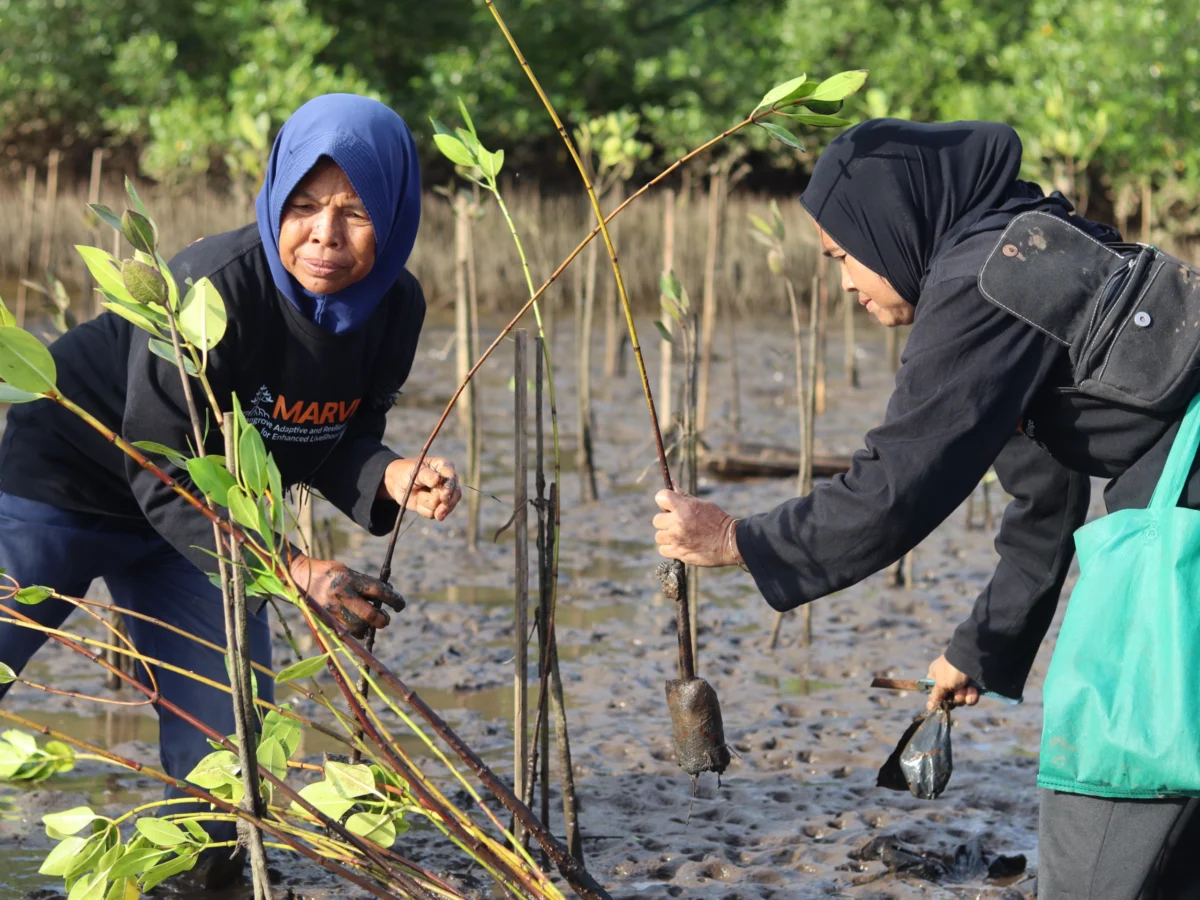
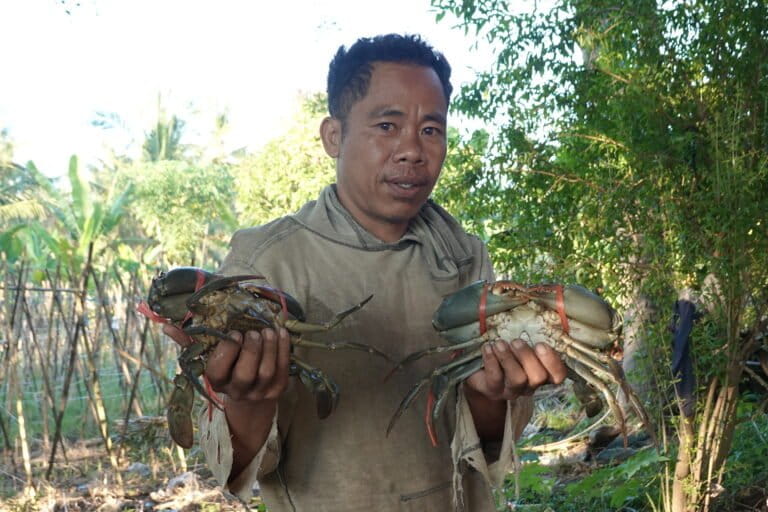
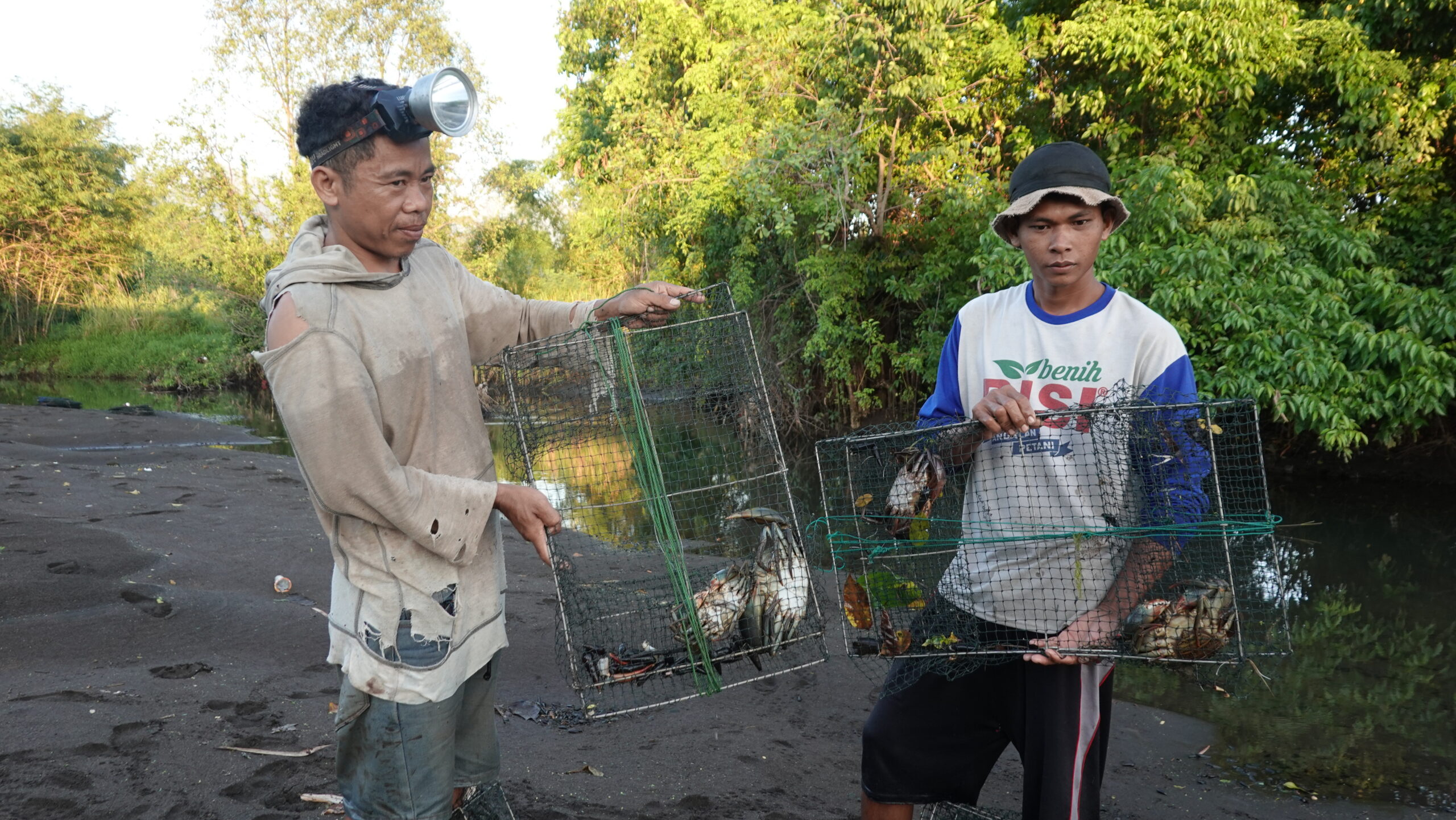
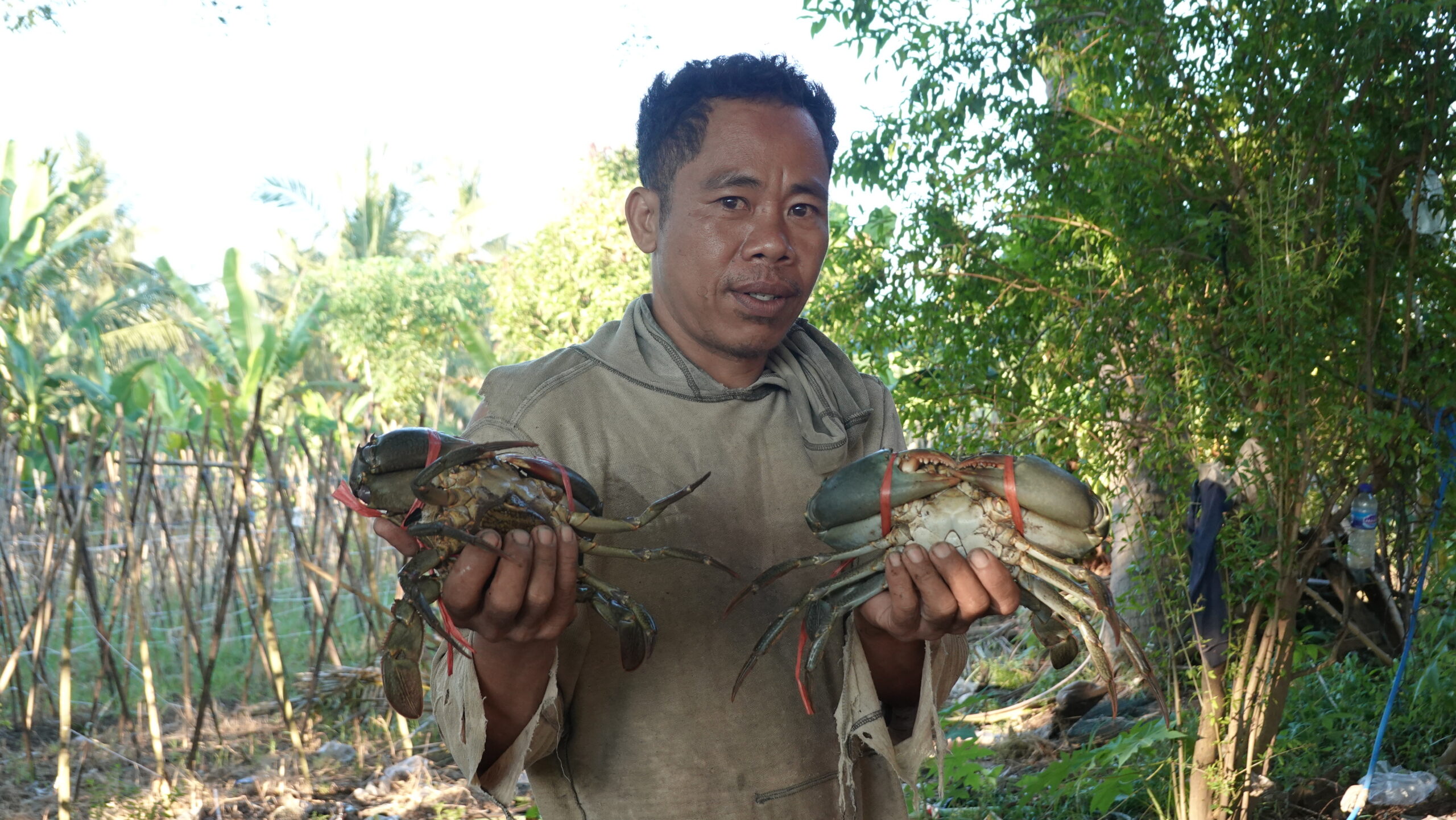
The faint call of the dawn prayer echoed through the salt-laden air, mingling with the rhythmic crashing of waves against the shoreline of Kokoq Pedeq in Sugian Village. On Wednesday, April 15, 2026, as the first light of morning began to graze the horizon of East Lombok, West Nusa Tenggara (NTB), two local fishermen, Sofian and Alihanafi, were already deep into their daily routine. They donned rubber boots and adjusted the headlamps strapped to their foreheads. After a quick check of their motorbikes, they set off toward the estuaries to retrieve their kodong—traditional bamboo and wire traps set the previous evening to capture the elusive mangrove crab (Scylla serrata).
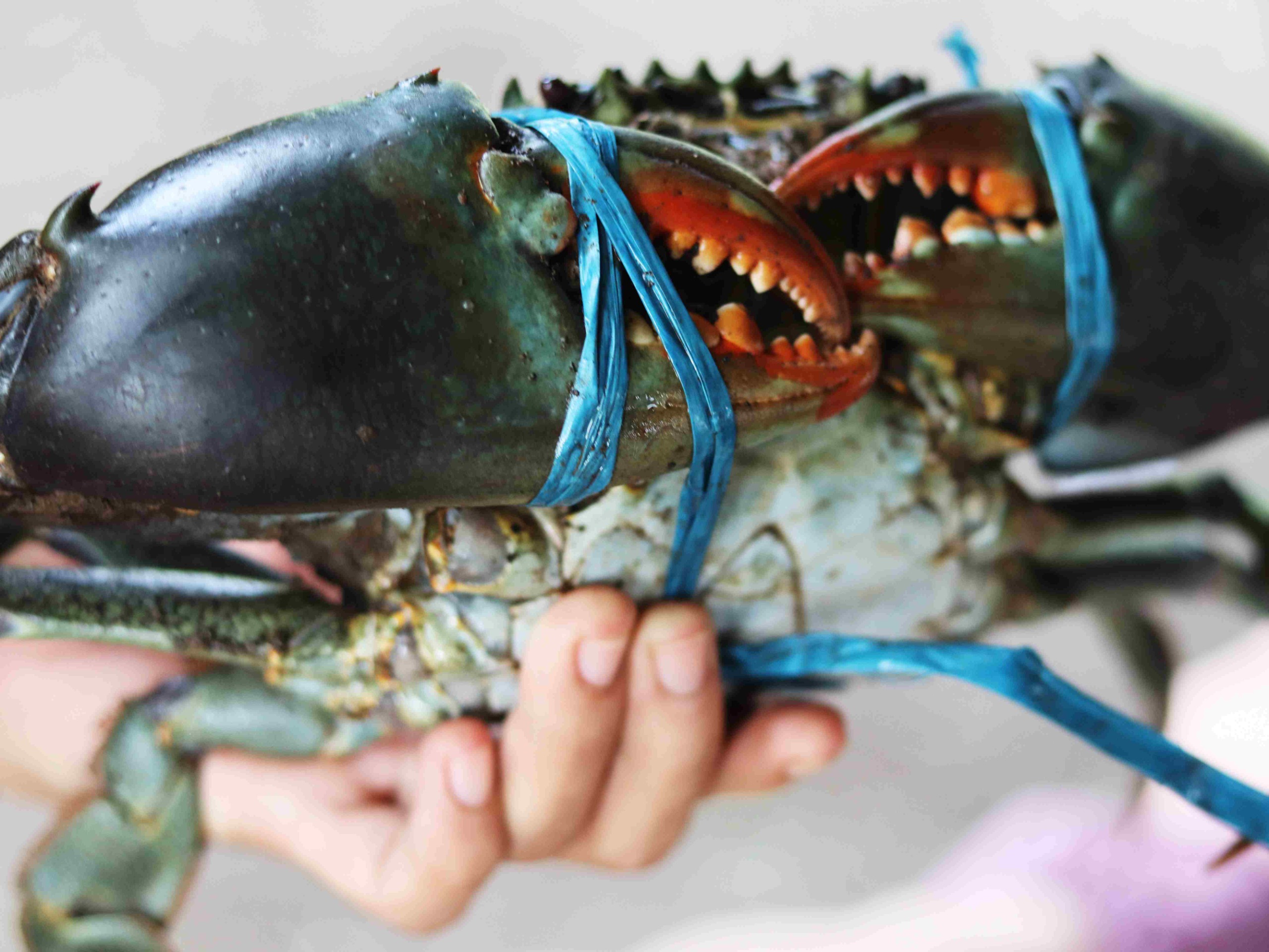
Upon reaching the Pantai Keramat estuary, the landscape revealed a stark contrast between nature and human intervention. Thick walls of mangrove trees still loomed like emerald fortresses in some areas, while in others, the horizon was dominated by the geometric outlines of aquaculture ponds. One by one, the men pulled nylon ropes tied to mangrove branches, hoisting the submerged traps. On a good morning, the reward is significant: large male crabs with formidable claws that snap aggressively at the wire mesh.
For the coastal communities of Sambelia, these crabs are more than just a local delicacy; they are a vital economic lifeline. When the open sea is too rough for traditional fishing boats or when fish stocks are low, the mangrove crab provides a reliable and high-value alternative. In the local markets of East Lombok, premium-grade mangrove crabs can fetch up to IDR 300,000 (approximately USD 19) per kilogram from collectors. The demand is relentless, driven by high-end seafood restaurants in Mataram, luxury hotels in the Mandalika tourism zone, and export-oriented traders supplying markets as far as Surabaya and Batam.
The Economic Vitality of the Mangrove Crab
The mangrove crab, particularly the Scylla serrata species, is one of the most commercially significant crustaceans in the Indo-Pacific region. In Indonesia, which holds roughly 23% of the world’s total mangrove area, these crabs represent a multi-million dollar industry. For Sofian and Alihanafi, a successful outing can yield between 4 to 6 kilograms of crab. In years past, before the intensification of fishing pressure, catches of up to 18 kilograms over two days were not uncommon.
However, the high market value of the "green gold" of the mangroves has become a double-edged sword. While it provides immediate relief to impoverished fishing households, it has also triggered a "race to fish." As prices climb, the incentive to catch as many crabs as possible—regardless of size or reproductive status—becomes nearly irresistible. This economic pressure is the backdrop for a larger ecological crisis unfolding across the Sambelia district.
A Decadal Shift: From Pristine Forests to Fragmented Ponds
The history of the Sugian coast is a chronicle of rapid environmental transformation. Elders in the village recall a time when the mangroves were so dense that the estuaries were nearly impassable. These forests served as a natural nursery for a plethora of marine life, including shrimp, shellfish, and juvenile fish.
The shift began in the mid-1990s when the Indonesian government introduced sea cucumber (teripang) cultivation as a supplementary income source for fishermen. However, the most significant change occurred around 2010 with the boom of traditional aquaculture. Large swaths of mangrove forests were cleared to make way for milkfish (bandeng) and shrimp ponds.
"At the time, it seemed like a logical step," explains Suherman, the Chairman of the Community Surveillance Group (Pokmaswas) in Sugian Village. "When the seas are too rough to fish, the ponds provide a stable income. But to build them, people had to cut down the trees, level the land, and disrupt the natural flow of the tides."
This conversion of land provided short-term economic stability but at a massive ecological cost. Mangroves are not merely trees; they are complex ecosystems that stabilize the coastline, filter pollutants, and provide the specific muddy substrate required by Scylla serrata to burrow and breed. As the trees vanished, so did the "houses" of the crabs.
The Biological Imperative of the Mangrove Ecosystem
To understand the crisis in East Lombok, one must understand the biology of the mangrove crab. These crustaceans are catadromous; while they spend most of their lives in the brackish waters of estuaries and mangrove swamps, adult females must migrate to the open sea to release their eggs. The larvae then drift back toward the coast, seeking the shelter of mangrove roots to grow.
Without the tangled roots of Rhizophora and Avicennia trees, juvenile crabs are left exposed to predators and fluctuating water temperatures. The loss of mangroves in Sugian has effectively broken the life cycle of the species. Furthermore, the removal of the forest canopy has led to increased sedimentation and higher water temperatures in the estuaries, conditions that are detrimental to crab health and productivity.
The Perils of Overfishing and Market Pressure
As habitat loss reduces the total population of crabs, the intensity of fishing has only increased. Alihanafi notes that the size of the crabs being caught today is significantly smaller than a decade ago. This is a classic symptom of overfishing. When fishermen can no longer find large, mature adults, they begin to keep juveniles that have not yet had the chance to reproduce.
Even more damaging is the capture of "berried" females—crabs carrying thousands of eggs. While Indonesian law, specifically the Ministry of Marine Affairs and Fisheries (KKP) Regulation No. 5 of 2026, prohibits the capture of egg-bearing females and sets a minimum weight for harvest, enforcement in remote coastal villages remains a significant challenge.
"It’s not just the local villagers anymore," says Alimin, a local environmental activist. "People from outside the district come here because they know the prices are high. They set traps everywhere, leaving no space for the crabs to move or grow. It is an unregulated free-for-all."
The Rise of Intensive Industrial Aquaculture
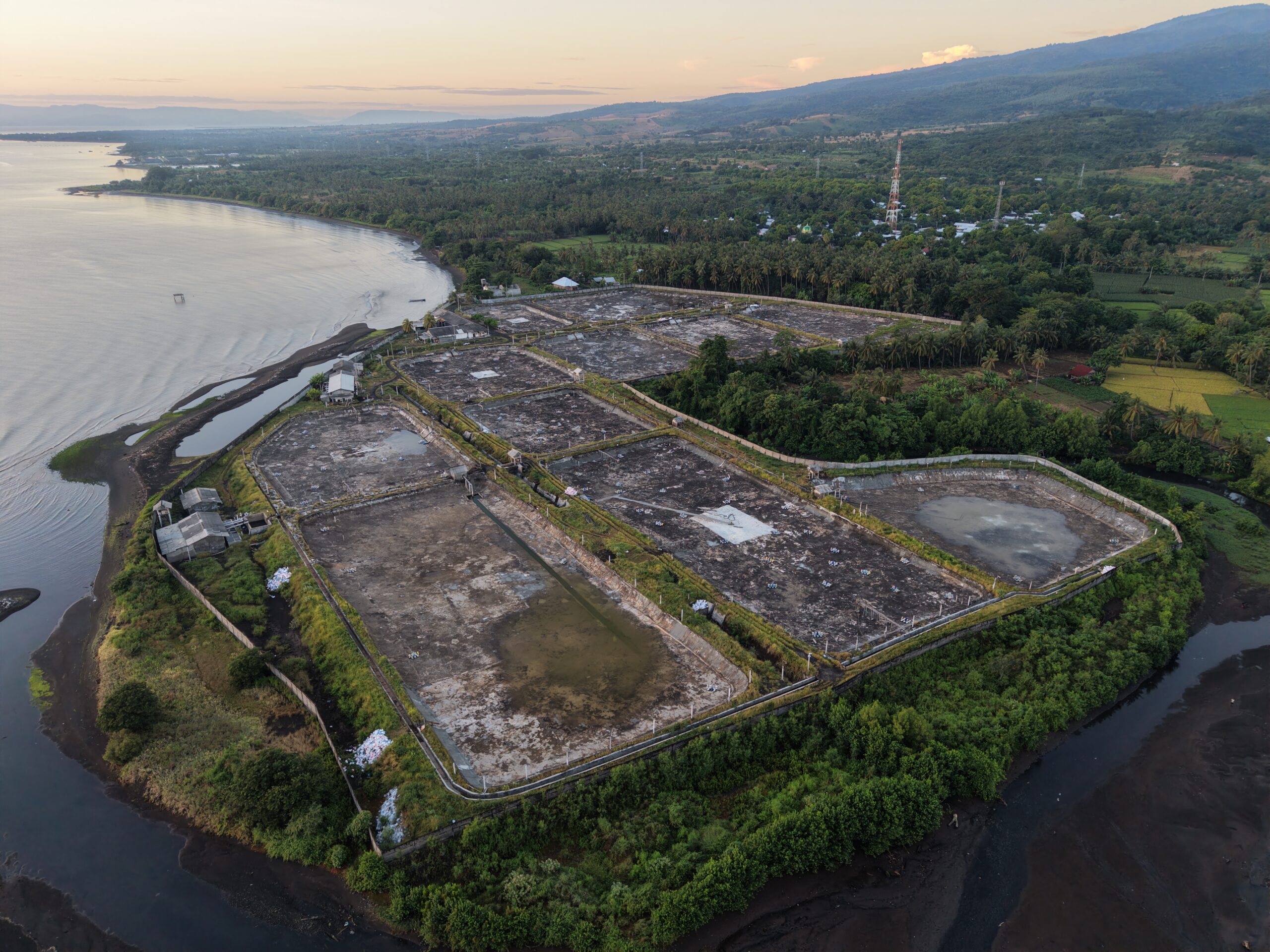
While traditional ponds started the degradation, a new and more formidable threat has emerged: intensive industrial shrimp farming. Unlike the traditional "tambak" which relies on natural tides, modern intensive ponds use high-density stocking, chemical inputs, factory-made feed, and motorized aerators to maximize yield.
Data from the West Nusa Tenggara provincial portal indicates that between 2020 and 2024, at least five major companies have established aquaculture operations in the Sambelia district. Field observations suggest the number of active industrial sites stretching from Padak Guar to Obel-obel may be even higher.
These industrial operations pose a three-fold threat to the mangrove crab:
- Land Sequestration: Large companies often fence off coastal access, preventing traditional fishermen from reaching their historical trapping grounds.
- Pollution: The discharge from intensive shrimp ponds often contains high levels of organic waste, uneaten feed, and chemical residues. When this "effluent" is pumped into the estuaries without proper treatment, it deoxygenates the water and poisons the benthic organisms that crabs feed on.
- Habitat Fragmentation: The construction of canals and roads for industrial access further destroys the remaining mangrove fringes.
"If the entire coast is turned into industrial ponds, where will we go?" asks Sofian. "The estuaries are our common heritage, but now they are becoming private zones."
Silvofishery: A Sustainable Compromise
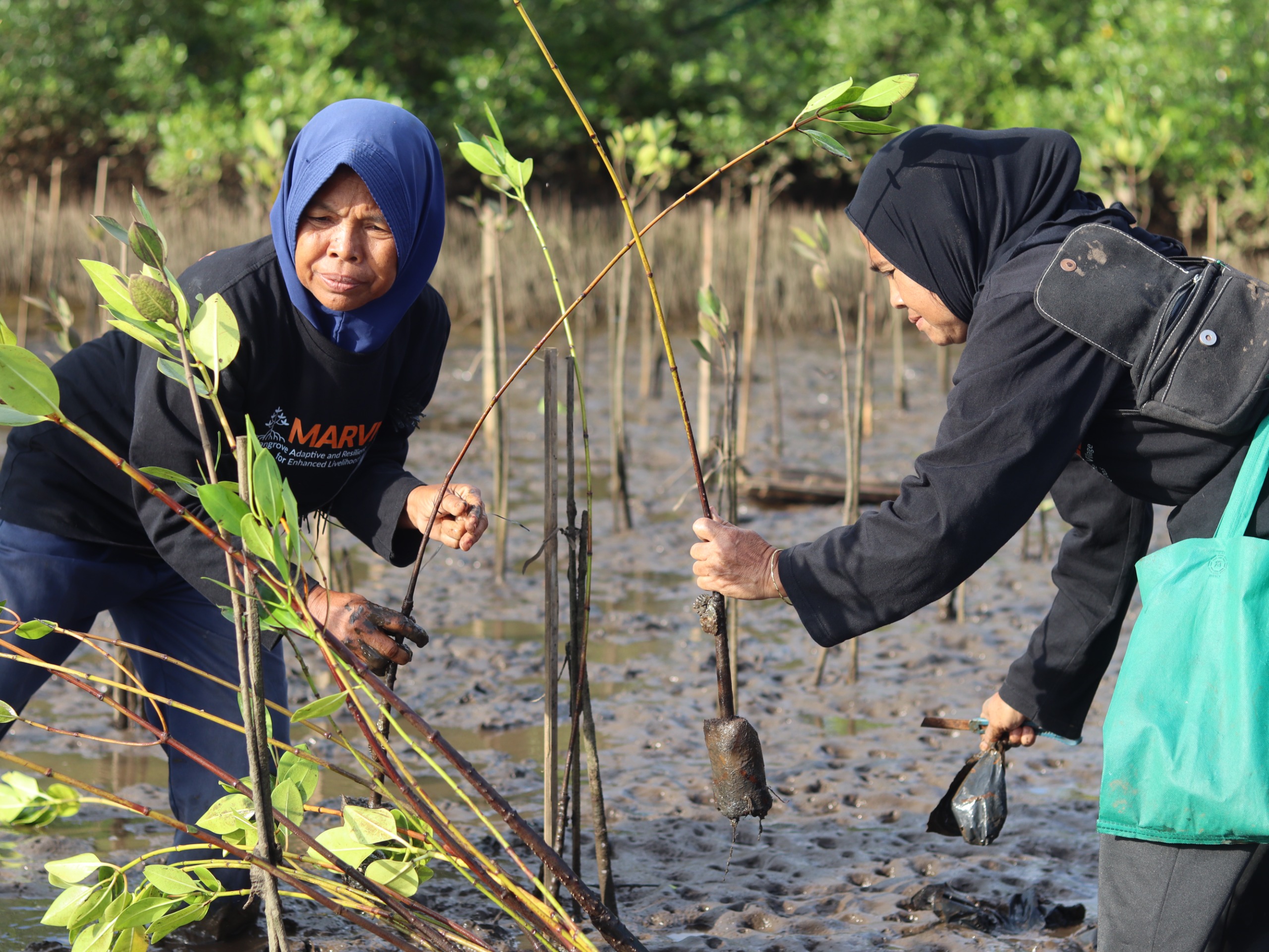
Recognizing that a total ban on aquaculture is economically unfeasible for the local population, Sugian has begun experimenting with "silvofishery." This model integrates mangrove conservation with aquaculture by planting trees directly on the dikes or within the ponds themselves.
Supported by non-governmental organizations (NGOs) and community discussions, some local pond owners have started to reforest the edges of their properties. The idea is that the mangroves will naturally filter the pond water, protect against coastal erosion (abrasion), and provide a habitat for crabs, which can then be harvested as a secondary product alongside fish or shrimp.
"When the mangroves grow back, the water quality improves," Aliman explains. "We are seeing the crabs slowly return to these areas. It is a middle ground where we don’t have to choose between a full stomach and a healthy environment."
Governance Challenges and the Path to Rehabilitation
The provincial government of West Nusa Tenggara acknowledges the severity of the situation. Muslin, the Head of the NTB Marine and Fisheries Department, emphasizes that while regulations like Permen-KP No. 5/2026 exist, they cannot be enforced through sticks alone; there must be "carrots" in the form of economic incentives.
"Many coastal residents rely on daily catches for survival. We cannot simply tell them to stop," Muslin stated. "We need to provide technical training, better market access, and support for sustainable cultivation so they aren’t entirely dependent on wild stocks."
However, the provincial government faces its own hurdles. Recent changes in national administrative structures have limited the province’s ability to collect revenue from marine activities, leading to a shortage of funds for community intervention programs. Despite these constraints, the NTB government has recently entered into a partnership with a Japanese environmental agency to rehabilitate 2,000 hectares of mangroves across the province, with Sambelia being a priority zone.
Conclusion: A Fragile Future for the Pesisir Sugian
The story of the mangrove crab in East Lombok is a microcosm of the global struggle to balance industrial development with ecological preservation. The Scylla serrata is a resilient species, but it cannot survive the simultaneous onslaught of habitat destruction, industrial pollution, and unregulated overharvesting.
For Sofian and Alihanafi, the stakes are deeply personal. As they ride their motorbikes back from the estuary, the weight of their catch is a daily reminder of the environment’s health. "If there is no place for the baby crabs to live, we are just waiting for the end," Sofian says quietly.
The survival of the mangrove crab fishery in Sugian will depend on whether the community can successfully transition to silvofishery, whether the government can effectively regulate industrial expansion, and whether the market can be sensitized to the importance of sustainable harvesting. Without these interventions, the legendary crab hauls of East Lombok may soon become nothing more than a story told by elders to a generation that will never see the shadows of the mangroves.