Chalifah Fatihah
The Hidden Dangers of Spinach: Who Should Reconsider This Nutritious Green?
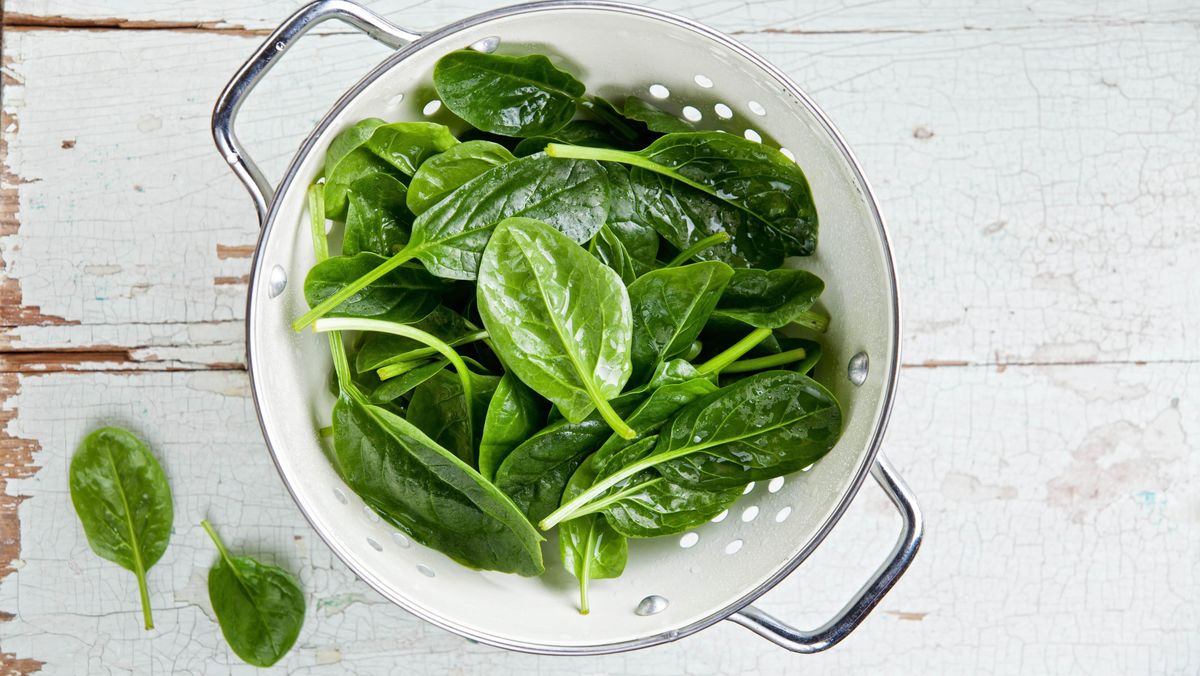
Spinach, a universally lauded superfood packed with essential vitamins and minerals, may not be suitable for everyone. While celebrated for its contributions to eye health, blood pressure regulation, cancer prevention, and antioxidant defense, certain individuals should exercise caution or abstain from consuming this leafy green due to potential health risks. This comprehensive report delves into the specific groups who need to reconsider their spinach intake and the scientific reasoning behind these recommendations.
Spinach ( Spinacia oleracea) is a nutritional powerhouse. According to Healthline, a mere 100 grams of spinach contains approximately 23 calories, 2.9 grams of protein, 3.6 grams of carbohydrates, and 2.2 grams of fiber. It also boasts significant amounts of Vitamin A, Vitamin C, Vitamin K1, folate, iron, and calcium. These nutrients collectively contribute to a robust immune system, healthy vision, strong bones, and efficient blood clotting. Its anti-inflammatory and antioxidant properties, attributed to compounds like flavonoids and carotenoids, help combat cellular damage caused by free radicals, thereby playing a role in the prevention of chronic diseases.
However, the very components that make spinach so beneficial for many can pose a threat to others. The presence of specific compounds in spinach necessitates careful consideration for several vulnerable populations.
Kidney Disease Patients: The Oxalate Concern
For individuals managing kidney disease, spinach emerges as a vegetable that requires either strict moderation or complete avoidance. The primary concern lies in spinach’s high oxalate content. Oxalates are naturally occurring compounds found in many plants, and when consumed in excess, particularly by individuals with compromised kidney function, they can contribute to the formation of kidney stones.
Kidney stones are hard deposits made of minerals and salts that form inside the kidneys. When the kidneys are unable to efficiently filter and excrete excess oxalate from the body, it can bind with calcium in the urine to form calcium oxalate crystals, the most common type of kidney stone. For those already suffering from kidney ailments, the additional burden of processing and excreting high levels of oxalate can exacerbate their condition and increase the risk of stone formation or recurrence.
The World Health Organization (WHO) estimates that kidney diseases affect approximately 10% of the global population, a figure that has been steadily increasing over the past two decades. This growing prevalence underscores the importance of dietary awareness for affected individuals. While spinach is rich in other vital nutrients, its oxalate load makes it a high-risk food for kidney patients, who are often advised to follow a low-oxalate diet. Experts in nephrology recommend that patients with a history of kidney stones or active kidney disease consult with a registered dietitian or their physician to determine appropriate dietary guidelines, which may include significantly limiting or eliminating high-oxalate foods like spinach.
Gout Sufferers: The Purine Predicament
Individuals diagnosed with gout, a painful form of inflammatory arthritis, also need to be mindful of their spinach consumption. Plant-based foods, including spinach, naturally contain purines. The body metabolizes purines, breaking them down into uric acid. In individuals with gout, the body either produces too much uric acid or their kidneys cannot effectively remove enough of it, leading to a buildup of uric acid crystals in the joints.
According to Everyday Health, a high purine intake can significantly increase the risk of gout attacks. A gout attack is characterized by sudden, severe pain, redness, and swelling in one or more joints, often the big toe. When the body struggles to excrete excess uric acid through urine, these uric acid crystals can precipitate in the joints, triggering the inflammatory response. While spinach is not as high in purines as some other foods, such as organ meats or certain seafood, its purine content can still contribute to elevated uric acid levels in susceptible individuals. Therefore, people with gout are often advised to limit their intake of high-purine foods, and this includes being cautious with vegetables like spinach. Monitoring uric acid levels through regular medical check-ups is crucial for gout patients, and dietary adjustments, guided by healthcare professionals, are a cornerstone of managing the condition.
Individuals with Latex or Certain Mold Allergies: The Cross-Reactivity Factor
A less commonly known but significant risk factor for consuming spinach is a pre-existing allergy to latex or specific types of mold. Individuals who exhibit sensitivity to latex may experience cross-reactive allergic reactions to certain foods, including spinach. This phenomenon, known as latex-food syndrome, occurs because some proteins found in latex are structurally similar to proteins in certain fruits, vegetables, and nuts.
WebMD also highlights that people with allergies to mustard greens and beets are more likely to develop allergic reactions to spinach. These sensitivities are attributed to shared allergenic proteins. Allergic reactions to spinach can range from mild symptoms such as itching of the mouth and throat, hives, and gastrointestinal distress, to more severe reactions like anaphylaxis, a life-threatening condition requiring immediate medical attention. For individuals with known allergies to latex, mustard greens, beets, or specific molds, it is prudent to either undergo allergy testing to confirm potential cross-reactivity or to avoid spinach altogether. Prompt medical consultation is essential if any adverse reactions are experienced after consuming spinach.
Patients on Blood-Thinning Medication: The Vitamin K Conflict
For individuals taking anticoagulant medications, commonly known as blood thinners, such as warfarin, consuming spinach requires careful medical guidance. Spinach is exceptionally rich in Vitamin K1, a fat-soluble vitamin crucial for blood coagulation. Vitamin K plays a vital role in the synthesis of proteins that are essential for blood clotting.
While this property is beneficial for most people, it can directly interfere with the efficacy of blood-thinning medications. These drugs are designed to reduce the blood’s ability to clot, thereby preventing dangerous blood clots from forming. If a patient on warfarin consumes large or inconsistent amounts of spinach, the high Vitamin K content can counteract the medication’s effect, potentially leading to a reduced therapeutic outcome and an increased risk of clot formation.
Healthcare providers typically advise patients on warfarin to maintain a consistent intake of Vitamin K-rich foods. This consistency allows the medication dosage to be calibrated effectively. Therefore, individuals on blood-thinning therapy must have an open dialogue with their doctor before making significant changes to their diet, especially regarding the inclusion or exclusion of foods like spinach. Regular monitoring of their International Normalized Ratio (INR), a measure of blood clotting time, is essential to ensure the medication is working correctly.
Infants Under Four Months: The Nitrite Risk
A critical group for whom spinach is strongly contraindicated is infants under four months of age. While the nitrate content in spinach is generally not problematic for adults, it poses a significant health risk to very young infants. Spinach naturally contains nitrates, which can be converted to nitrites in an infant’s immature digestive system.
These nitrites can then interfere with the ability of hemoglobin in the blood to carry oxygen, leading to a condition called methemoglobinemia, also known as "blue baby syndrome." Symptoms can include bluish discoloration of the skin, lips, and nails, lethargy, and difficulty breathing. The physiological immaturity of infants under four months, particularly their underdeveloped digestive and enzymatic systems, makes them highly vulnerable to this conversion process.
Pediatric health organizations worldwide, including the American Academy of Pediatrics, strongly recommend against introducing spinach or other high-nitrate vegetables to infants before they reach at least six months of age, and even then, with careful preparation and monitoring. Solid food introduction for infants should always be guided by pediatricians, focusing on age-appropriate and safe nutrient sources.
Broader Implications and Dietary Considerations
The nuanced relationship between spinach consumption and individual health underscores the importance of personalized nutrition. While spinach is undeniably a nutrient-dense food, its inclusion in the diet should be considered within the context of an individual’s specific health conditions, existing medical treatments, and potential allergies.
The growing awareness of food sensitivities and interactions highlights the need for individuals to be informed consumers, actively engaging with healthcare professionals to make dietary choices that support their well-being. As dietary recommendations evolve with scientific research, understanding the specific properties of foods and their potential impacts on different physiological states becomes increasingly vital. For the general population, moderate consumption of spinach as part of a balanced diet remains a cornerstone of healthy eating, contributing to overall vitality and disease prevention. However, for the identified vulnerable groups, a more cautious and informed approach is not just advisable, but essential for safeguarding their health.
The widespread availability and affordability of spinach across many regions contribute to its popularity. However, this ubiquity also means that individuals within these at-risk groups may encounter it frequently in meals, making awareness of its potential drawbacks even more critical. Educational campaigns and clear labeling of food products could further assist consumers in making informed decisions, particularly concerning sensitive health conditions. Ultimately, the goal is to harness the benefits of nutritious foods like spinach while mitigating any associated risks, ensuring that dietary choices contribute positively to long-term health outcomes for all.