Lina Irawan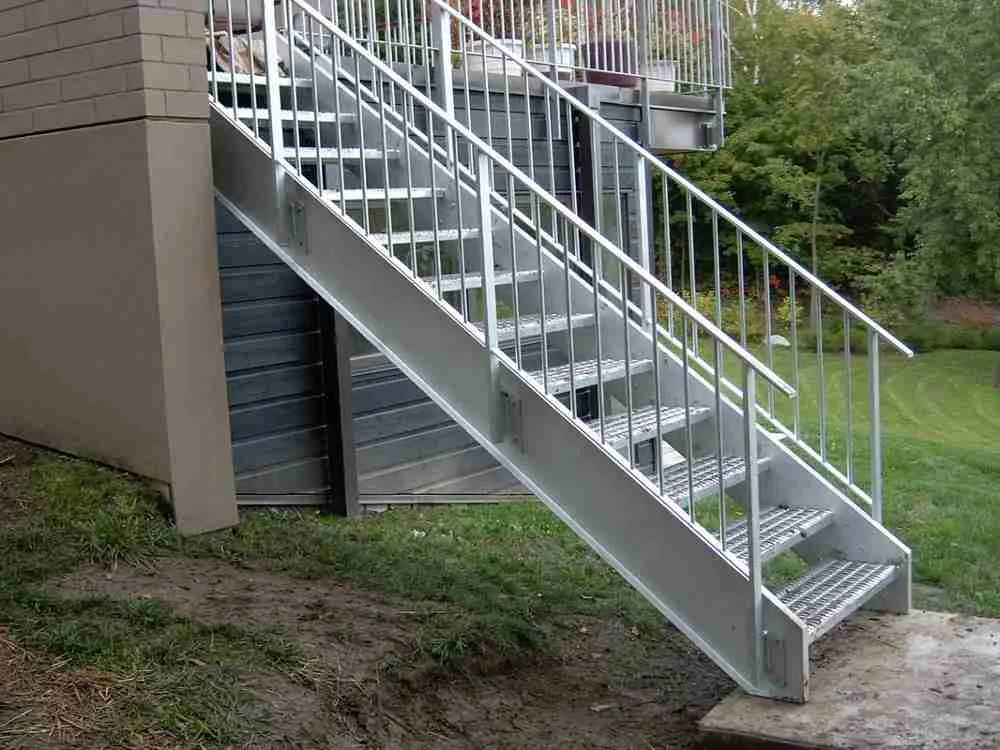
The current market average for the fabrication of iron stairs ranges between Rp 1,200,000 and Rp 3,500,000 per linear meter. This comprehensive pricing, typically quoted on a project basis, is primarily determined by the specific grade of steel utilized and the inherent complexity of the chosen design. This cost generally encompasses a preliminary site survey, the primary structural frame, the individual stair treads, and the final on-site installation. Homeowners are strongly advised to allocate an additional contingency fund of 10-15 percent of the total estimated cost to cover any unforeseen material additions or adjustments that may arise during the construction phase.
It is crucial for prospective buyers to understand that these figures represent an estimated range, not a fixed price. Iron stair projects are inherently bespoke, requiring customized solutions tailored to each unique architectural context. Welding workshops and fabrication specialists can only provide a definitive quotation after conducting a thorough site assessment, which includes precise measurements of the building’s floor-to-floor height, wall angles, and structural integrity. This personalized approach underscores why a standardized, one-size-fits-all price list for iron stairs does not exist in the market.
Understanding the Dynamics of Custom Stair Pricing

The absence of a universal price for iron stairs stems from the highly individualized nature of each project. Unlike mass-produced components, a staircase must seamlessly integrate with the existing structural characteristics of a building. Factors such as varying floor heights, differing wall strengths, and specific architectural inclinations necessitate unique angles and dimensions for each installation. This bespoke requirement means that stairs cannot be pre-fabricated in bulk and simply fitted into any space. Instead, the total cost crystallizes only after the fabrication workshop has received detailed working drawings that meticulously outline the required steel components, dimensions, and design intricacies.
The Linear Meter Calculation: A Key Industry Standard
Construction workshops consistently calculate stair costs based on linear meters, rather than square meters of floor area. This method measures the total diagonal length of the staircase, providing a more accurate representation of the material and labor required for the inclined structure. Fabricators will typically measure diagonally from the lowest point of the first step to the upper floor landing. This measured diagonal length is then multiplied by the workshop’s base rate per linear meter.
For instance, if a staircase has a diagonal length of 5 meters and the workshop’s rate is Rp 1,500,000 per linear meter, the primary frame would incur an initial cost of Rp 7,500,000. Should the staircase incorporate a turn or a flat resting platform (known as a "bordes" or landing), this flat area is typically calculated separately, adding to the overall cost due to additional material and fabrication complexity. This precise measurement system ensures that clients are charged accurately for the actual scope of work involved in their custom staircase.

Dissecting the Main Frame Material Specifications
The most substantial portion of the staircase budget is typically allocated to the purchase of the main structural steel, often referred to as the "backbone" of the staircase. This frame is engineered to withstand both its own dead weight and the live load imposed by foot traffic. Utilizing substandard or inadequately sized steel can lead to permanent deformation or structural failure. Consequently, the choice of supporting steel profiles is the most significant differentiator in pricing among various fabrication workshops.
-
WF (Wide Flange) and H-Beam Steel: These I- or H-shaped steel profiles represent the strongest available materials for bearing structural loads. WF 150 or WF 200 profiles are ideally suited for supporting straight staircases with a single central column. Characterized by their solid internal and external construction, these materials guarantee exceptional rigidity and stability, effectively eliminating any undesirable sway. While the initial investment in WF or H-beam steel is higher, their unparalleled strength and longevity ensure decades of reliable performance, making them a premium choice for high-durability applications.
-
UNP (U-Channel) Steel Profiles: To mitigate costs without significantly compromising structural integrity, U-channel steel (UNP) is frequently selected. Its U-shaped cross-section boasts a considerable plate thickness. Workshops commonly employ a double UNP configuration, placing two beams on either side of the treads. This dual-beam construction efficiently distributes the load from the steps to both the adjacent wall and the lower floor structure. Conversely, the use of C-channel steel (CNP) for stair frames is strongly discouraged. CNP profiles are designed for lighter applications, such as canopy frames, and lack the structural robustness required to safely bear the daily dynamic loads of human traffic.

-
Hollow Steel Frames: Hollow, or square/rectangular tube steel, is exceedingly popular for achieving minimalist and contemporary stair designs. However, meticulous attention to its dimensions and gauge thickness is paramount for safety. For primary support columns, fabricators must use hollow sections with a minimum dimension of 100×50 millimeters and a plate thickness exceeding 2.5 millimeters. The use of thinner plates or "banci" (substandard) hollow steel is a common cost-cutting tactic employed by unscrupulous contractors. Such thin-gauge steel is highly susceptible to tearing and deformation when subjected to the intense heat of welding, compromising the structural integrity of the entire staircase.
Detailed Breakdown of Tread (Anak Tangga) Materials
Once the main structural frame is complete, the subsequent cost component is allocated to the stair treads, the horizontal surfaces upon which one steps. The material chosen for these treads significantly influences both the aesthetic appeal and the tactile experience of the finished staircase.
-
Bordes Plate Treads (Checker Plate): Bordes plate, also known as checker plate or diamond plate, is a steel sheet characterized by its raised pattern of lines or diamonds. This textured surface is specifically designed to enhance traction and prevent slips, making it a highly practical and safe choice. A suitable thickness for stair treads typically ranges from 2 to 3 millimeters. Thinner plates will produce a loud, tinny sound upon impact, indicating inadequate structural support and potentially compromising safety. Bordes plate is an excellent and sensible option for service areas or industrial-themed interiors, offering straightforward maintenance—requiring only a fresh coat of paint if the existing finish fades.

-
Solid Wood Board Combinations: To introduce warmth and break the stark rigidity often associated with steel, stair treads are frequently clad with solid wood boards. This combination of steel and wood is particularly well-suited for living areas, adding a touch of natural elegance. Opting for solid wood, however, will substantially increase the overall budget. The wood selected must be a dense, kiln-dried hardwood, such as Teak (Jati) or Samarinda Kamper, known for their durability and resistance to warping. The installation process demands precise coordination between a welder and a carpenter. The steel sub-tread is typically drilled from beneath, allowing screws to firmly secure the wood planks without creating visible holes on the walking surface. The cost of these solid wood planks is usually itemized separately from the main steel fabrication invoice.
-
Tempered Glass and Expanded Metal Sheets: For ultra-modern and luxurious residences, exceptionally thick, double-layered tempered glass (commonly 10mm + 10mm) can be utilized as stair treads. This high-end option necessitates an extremely stable and rigid structural frame, driving up costs due to the specialized engineering and precision installation required. Another contemporary option involves stair treads made from expanded metal (mesh). This perforated steel design creates a visually transparent staircase, allowing light to permeate the space and contributing to an airy, open aesthetic.
The Influence of Design Complexity on Labor Costs
Beyond material expenses, labor costs for fabrication and installation are a significant variable. Welding labor is primarily billed based on the time and skill required for execution. The more intricate the angles, cuts, and finishes, the higher the associated service charges.

-
Straight Staircase Construction: A straight, uncurved staircase represents the simplest and most cost-effective design to fabricate. The cutting of steel beams is uniform from bottom to top, streamlining the production process. This efficiency directly translates into lower labor costs in the quotation. Despite its simplicity, all connection points between steel members must be fully welded to ensure maximum structural integrity and safety.
-
L-shaped and U-shaped Stair Designs: Staircases that incorporate turns and follow the contour of a wall necessitate a flat landing area (bordes). The transition and connection between the inclined steel frame and the flat landing significantly increase the complexity of fabrication. Precision cutting and meticulous measurement are critical to ensure that the height of each step remains consistent throughout the turn. Labor costs for L-shaped and U-shaped designs are typically 20 to 30 percent higher than for straight staircases, reflecting the increased skill and time involved.
-
Spiral Staircase Fabrication: Spiral (or helical) staircases are unequivocally the most challenging and labor-intensive designs to construct. The cost for these structures is often quoted as a complete, integrated unit rather than on a per-linear-meter basis. Each individual step must be custom-cut and welded around a central, large-diameter pipe column. Furthermore, the handrails require specialized bending equipment to achieve a smooth, consistent curve. The extended fabrication time and the high level of craftsmanship required justify the significantly higher price point for spiral stairs.
Painting and Anti-Corrosion Treatment: A Crucial Investment

Exposed steel is highly susceptible to corrosion, which can rapidly degrade its structural integrity and aesthetic appeal. Substandard workshops often skip crucial surface preparation steps, such as factory rust removal, and apply ordinary paint directly, leading to premature failure.
-
Anti-Rust Primer Coat: A fundamental procedure in professional welding and fabrication involves applying a specialized primer coat before the final color is sprayed. Fabricators must meticulously fill weld seams with putty, sand the surface smooth, and then apply a protective layer of zinc chromate or epoxy primer. It is imperative that the specification for this anti-rust primer is clearly itemized in the quotation, ensuring proper protection against corrosion.
-
Duco Paint and Powder Coating: For a consistently smooth, texture-free finish, Polyurethane (Duco) paint is a standard mid-range option. This automotive-grade coating provides a dense, durable layer similar to a car body, offering good aesthetic appeal and protection. For the utmost in scratch resistance and durability, the Powder Coating system is the superior choice. In this process, dry paint powder is electrostatically applied to the steel and then baked in an oven at approximately 200 degrees Celsius, allowing the powder to melt and fuse with the steel surface. While this option represents a higher initial investment, its exceptional longevity and resistance to chipping, scratching, and fading make it a highly cost-effective choice compared to the annual hassle of scraping and repainting.
On-Site Installation Costs and Considerations

The precise installation of heavy steel structures, weighing hundreds of kilograms, within a residential space demands meticulous logistical planning and execution. The cost of on-site installation is typically integrated into the linear meter calculation.
-
Bolting System to the Floor: To prevent any movement, the lower footplates of the staircase are securely anchored to the concrete floor slab using dynabolts. In instances where the existing concrete foundation is brittle or compromised, installers may employ chemical anchors. This method involves injecting a specialized chemical adhesive into drilled holes, which then hardens to create an exceptionally strong bond between the bolt and the concrete structure, ensuring maximum stability.
-
On-Site Welding within the Home: Long sections of stair components may sometimes be too large to pass through standard doorways or access points. In such cases, the fabrication workshop will section the components and re-weld them on-site inside the client’s home. Professional welders will utilize fire-resistant blankets and other protective measures to prevent sparks from damaging interior finishes, such as ceramic tiles. This level of meticulous service and attention to detail distinguishes reputable, higher-priced workshops from less experienced, itinerant fabricators.
Deciphering Price Quotations: What to Look For

Upon receiving a detailed cost breakdown from a fabrication workshop, immediate attention should be directed to the specifications table. Vague descriptions, such as "Thick Iron Frame," are unacceptable. Clients should insist that the workshop revise the quotation to include precise details, for example: "UNP 100mm SNI." Furthermore, it is essential to understand the calculation methodology and request proof of the linear meter measurements used to derive the final figures. It is also prudent to structure payments into several installments, typically covering an initial down payment (DP), payment upon material delivery, and a final payment upon satisfactory completion of installation. This phased payment approach offers financial security for both the client and the workshop.
The Perils of Unreasonably Low Bids
Clients must exercise extreme caution when encountering advertisements for steel fabrication services that offer prices significantly below market averages. Drastically reduced costs are almost invariably compensated for by the use of thin-gauge, substandard, or even recycled steel that has merely been superficially repainted. Moreover, such unscrupulous fabricators often employ minimal welding—sometimes only one or two spot welds per joint—to expedite the work, severely compromising the structural integrity. The catastrophic consequence of such shoddy workmanship is the potential for sudden collapse, particularly when subjected to the weight of multiple individuals.
Therefore, when engaging with fabricators, prioritize safety and durability over initial cost savings. Select materials for the main frame, treads, and finishing paints that align with your budget while adhering to quality standards. Utilize the detailed material and specification points outlined above as a robust reference during negotiations with potential welding workshops, ensuring that you receive a product that is both aesthetically pleasing and structurally sound. A well-constructed iron staircase is not merely a functional element but a significant long-term investment that enhances both the value and safety of your property, an investment that should not be compromised by cutting corners on essential quality.