Lusiana Hamidun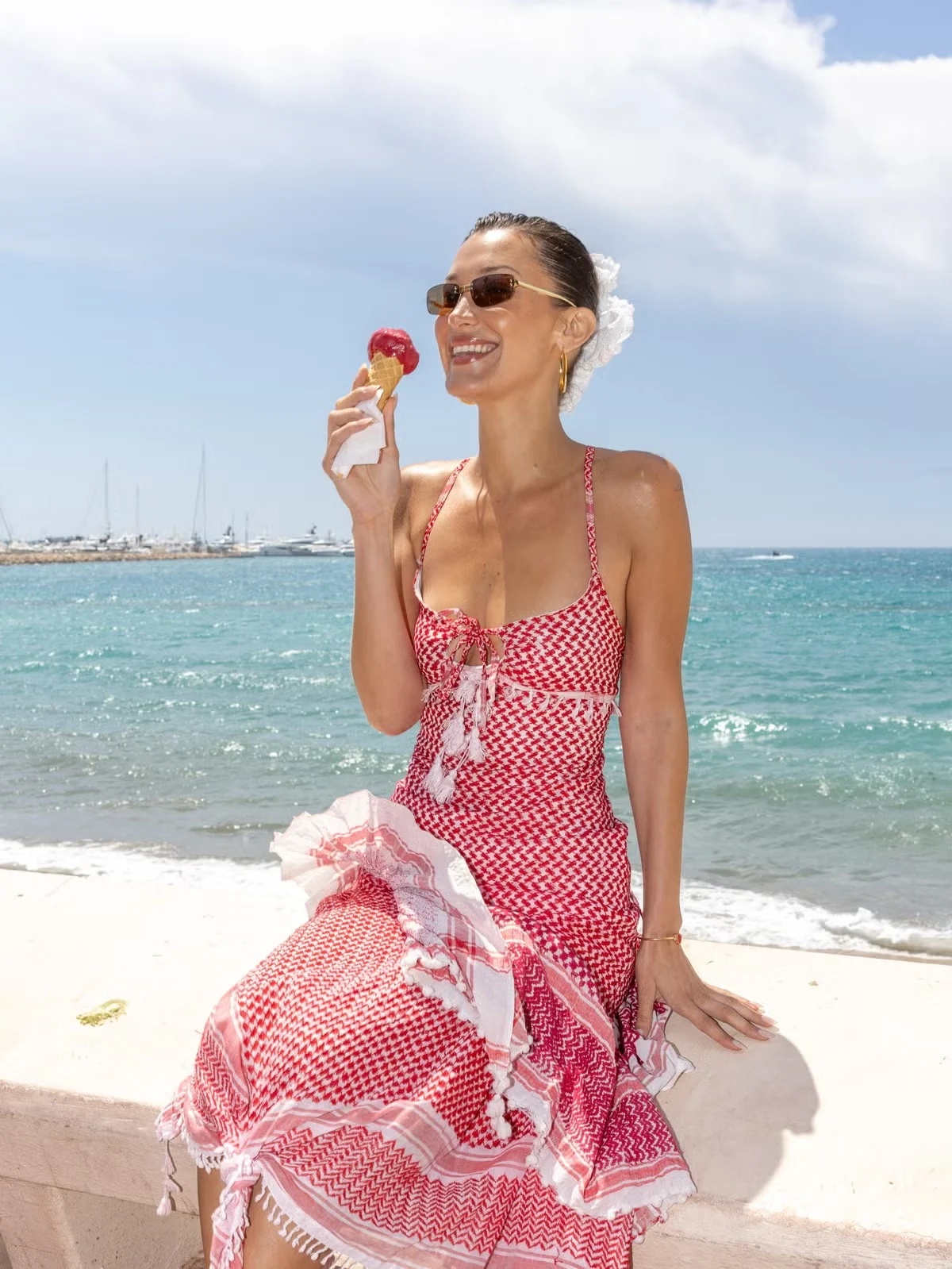
When the lament of the red carpet losing its allure echoes through fashion circles, it’s a safe bet that the discussion isn’t about the Cannes Film Festival. The annual cinematic showcase, nestled along the picturesque French Riviera, is renowned for its unparalleled glamour. The expansive promenades of Cannes provide a fitting stage for the dramatic silhouettes and opulent gowns that have come to define its iconic red carpet, evoking an era of bygone luxury and sartorial splendor.
The Cannes Film Festival, established in 1946, has evolved into a global pilgrimage for filmmakers, actors, and industry professionals, all converging to celebrate cinematic achievements. Beyond the screenings and premieres, the festival’s red carpet has become a significant cultural phenomenon, setting trends and creating indelible fashion moments that are dissected and celebrated for years. The very fabric of Cannes is woven with the threads of cinematic artistry and high fashion, a symbiotic relationship that amplifies the prestige of both.
Over the decades, the Cannes red carpet has cultivated a unique set of unwritten sartorial codes. While strict dress codes often dictate formal attire, with a historical emphasis on floor-length gowns for women and tuxedos for men, it is the moments of deliberate subversion and effortless elegance that truly capture the public’s imagination. The festival’s proximity to the Mediterranean allows for a certain breezy sophistication, yet the gravity of the occasion demands a level of polish that distinguishes it from other fashion events. The inherent tension between adhering to tradition and pushing boundaries is what fuels the enduring fascination with Cannes fashion.
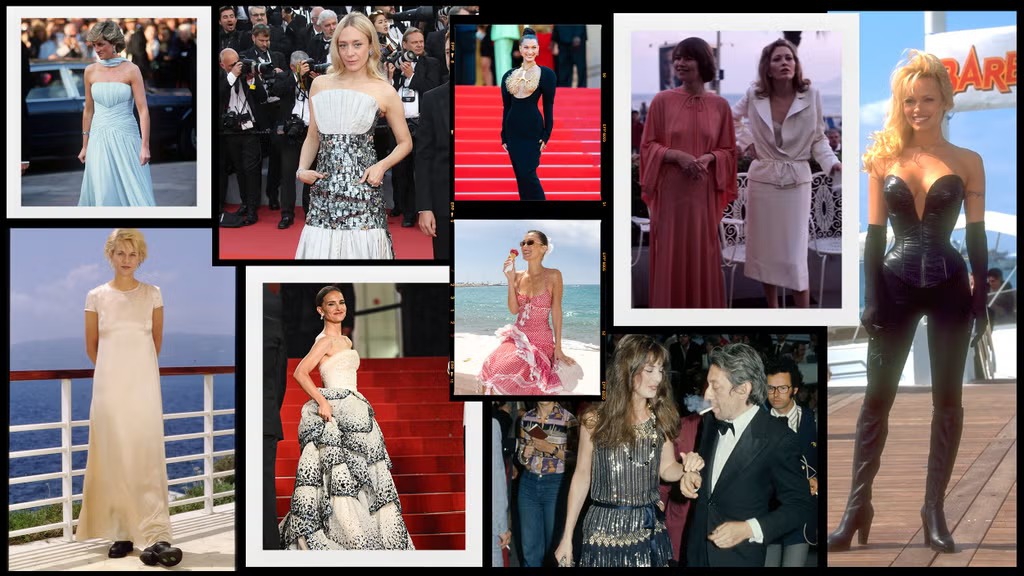
While rules have been rumored to include prohibitions against shorts, a mandatory adherence to high heels, and a discouragement of mini-skirts, it is the bold departures from these norms that have often cemented a look in fashion history. These are not merely garments; they are statements. From Madonna’s daring conical bra ensemble in 1991 to Kristen Stewart’s defiant barefoot walk in 2018, these acts of sartorial rebellion underscore the evolving landscape of celebrity style and the festival’s role as a platform for self-expression. Conversely, moments of pure, unadulterated grace, such as Princess Diana’s ethereal Catherine Walker gown in 1987 or Hunter Schafer’s liquid silk Armani Privé creation in 2024, serve as timeless embodiments of elegance.
The selection of the "23 Best Looks" by Harper’s Bazaar editors highlights a spectrum of styles, from audaciously avant-garde to exquisitely refined. What unites these ensembles is an undeniable aura of opulence and a profound understanding of the power of presentation on the world’s most prestigious film festival red carpet.
A Chronology of Iconic Cannes Fashion Moments
The history of the Cannes Film Festival is punctuated by moments where fashion transcended mere clothing to become cultural touchstones. These instances are not just about designer labels; they are about the personalities who wore them, the films they represented, and the cultural zeitgeist they captured.
Early Decades of Glamour and Rebellion
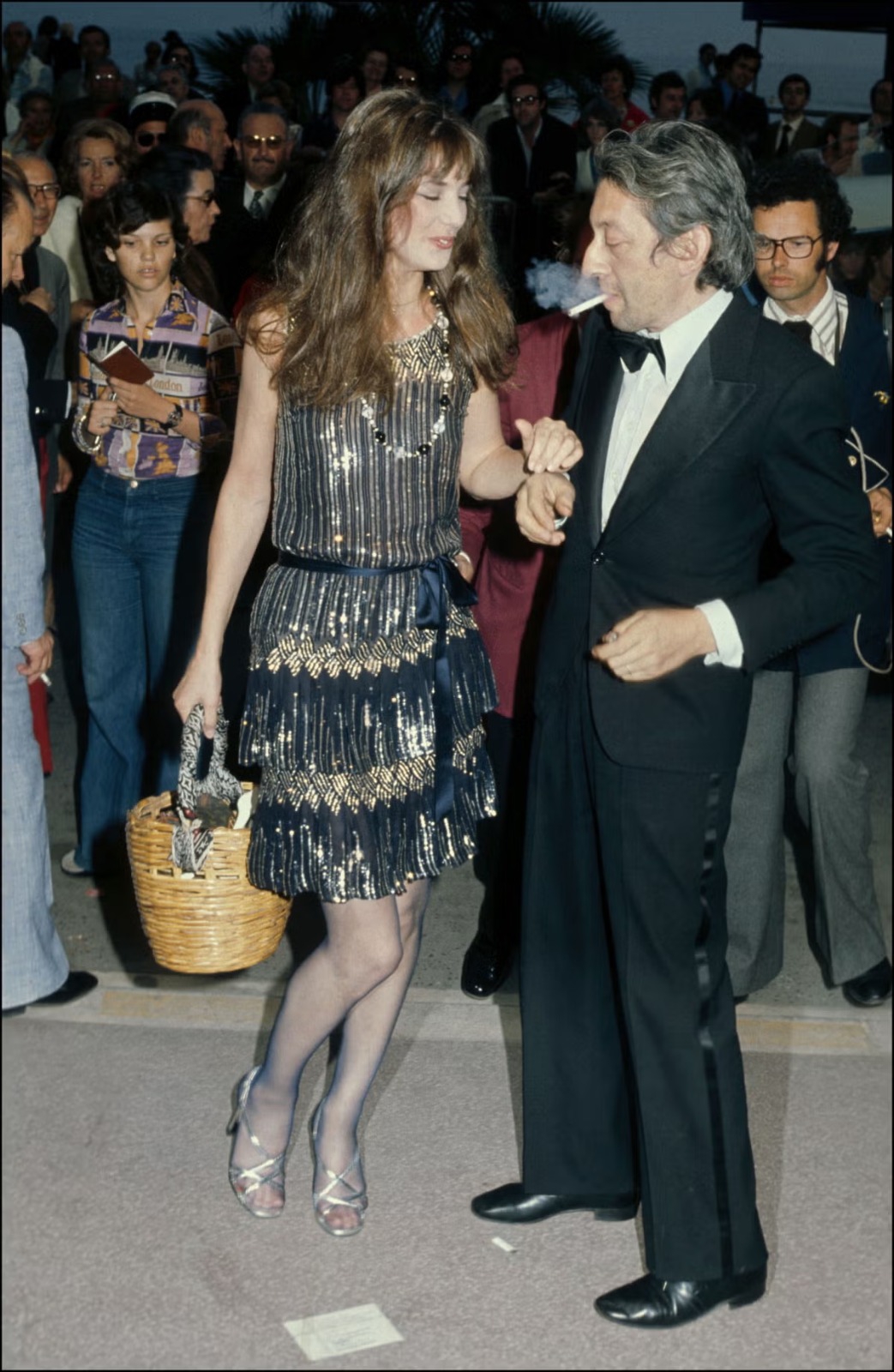
Jane Birkin, 1974: A vision of bohemian chic, Jane Birkin’s 1974 appearance was defined by a tiered, sequined 1920s-inspired dress. The ensemble was elevated by a ribbon sash, a long necklace, and delicate sheer stockings, creating a look that was quintessentially Birkin. Her signature straw basket, adorned with a silk scarf, completed this effortlessly cool ensemble, embodying a free-spirited elegance that resonated deeply.
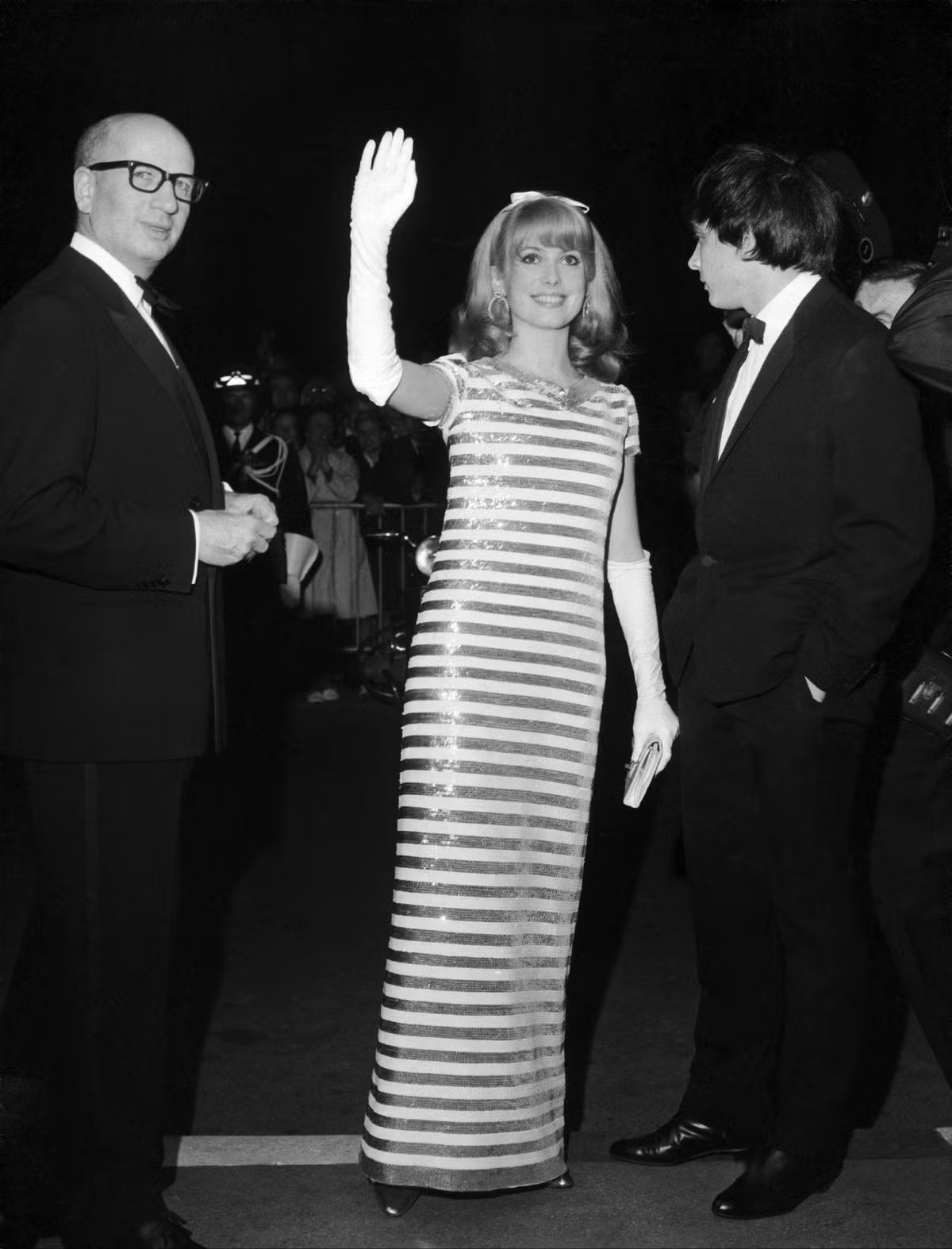
Catherine Deneuve, 1966: A muse for many, including Yves Saint Laurent himself, Catherine Deneuve’s presence on the Cannes red carpet has consistently exuded classic glamour. In 1966, she captivated onlookers in a shimmering, short-sleeved Yves Saint Laurent gown, a testament to her enduring style and her significant influence on fashion designers. Her ability to embody sophisticated charm with timeless pieces set a precedent for elegance.
Faye Dunaway, 1976: Faye Dunaway’s 1970s persona was defined by a cool, distinct flair. Her choice of a relaxed skirt suit for the 1976 festival exemplified this. The understated jacket, casually cinched with a belt, paired with a delicate lace camisole and elegant heels, showcased a sophisticated yet approachable style that captured the era’s sartorial spirit.
The 1980s and 1990s: Bold Statements and Royal Elegance
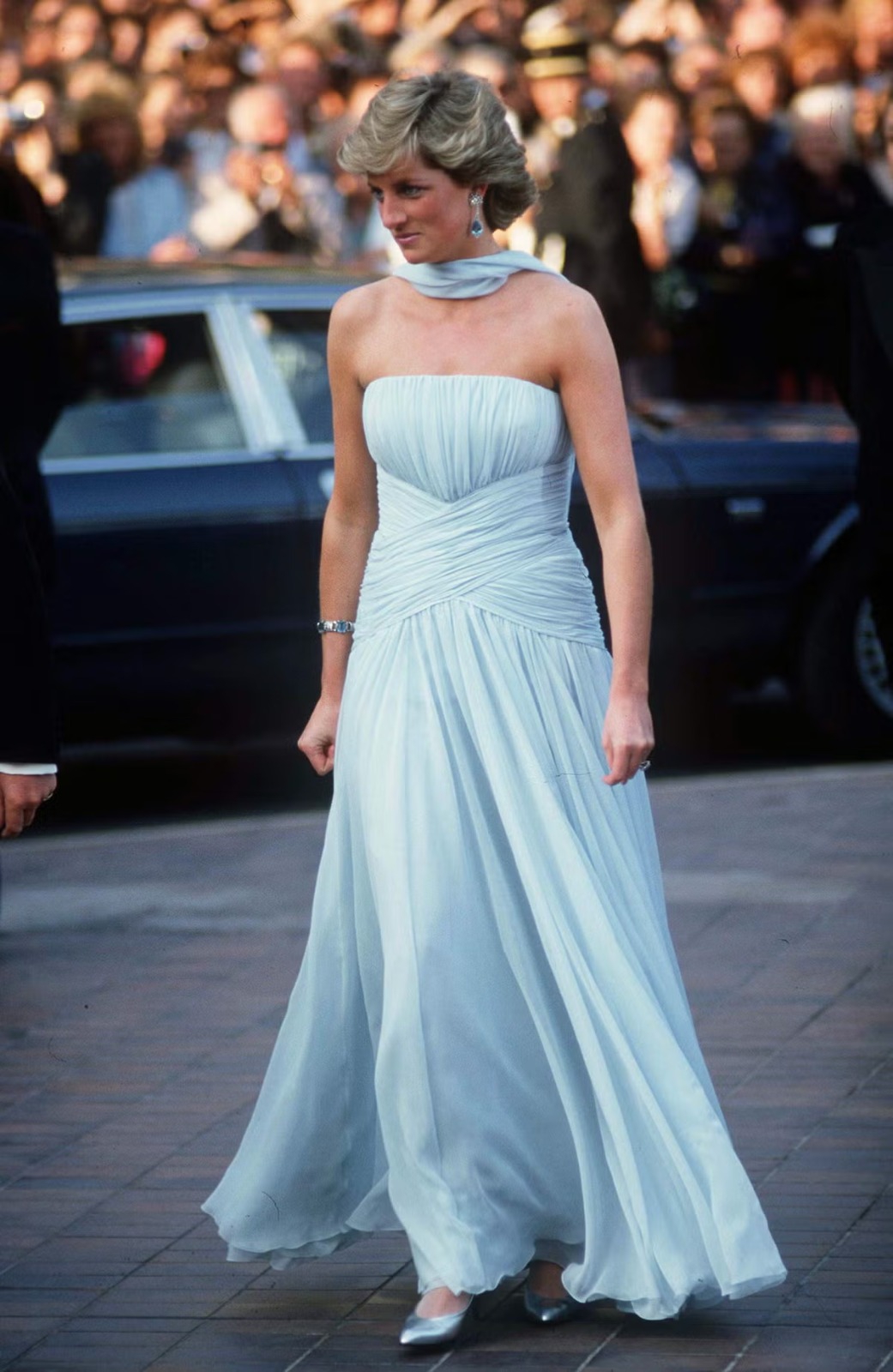
Princess Diana, 1987: The late Princess of Wales made a memorable appearance in a light blue Catherine Walker gown in 1987. This exquisite creation was reportedly inspired by Grace Kelly’s iconic dress from Alfred Hitchcock’s "To Catch a Thief," a fitting tribute from one royal fashion icon to another, embodying grace and timeless allure.
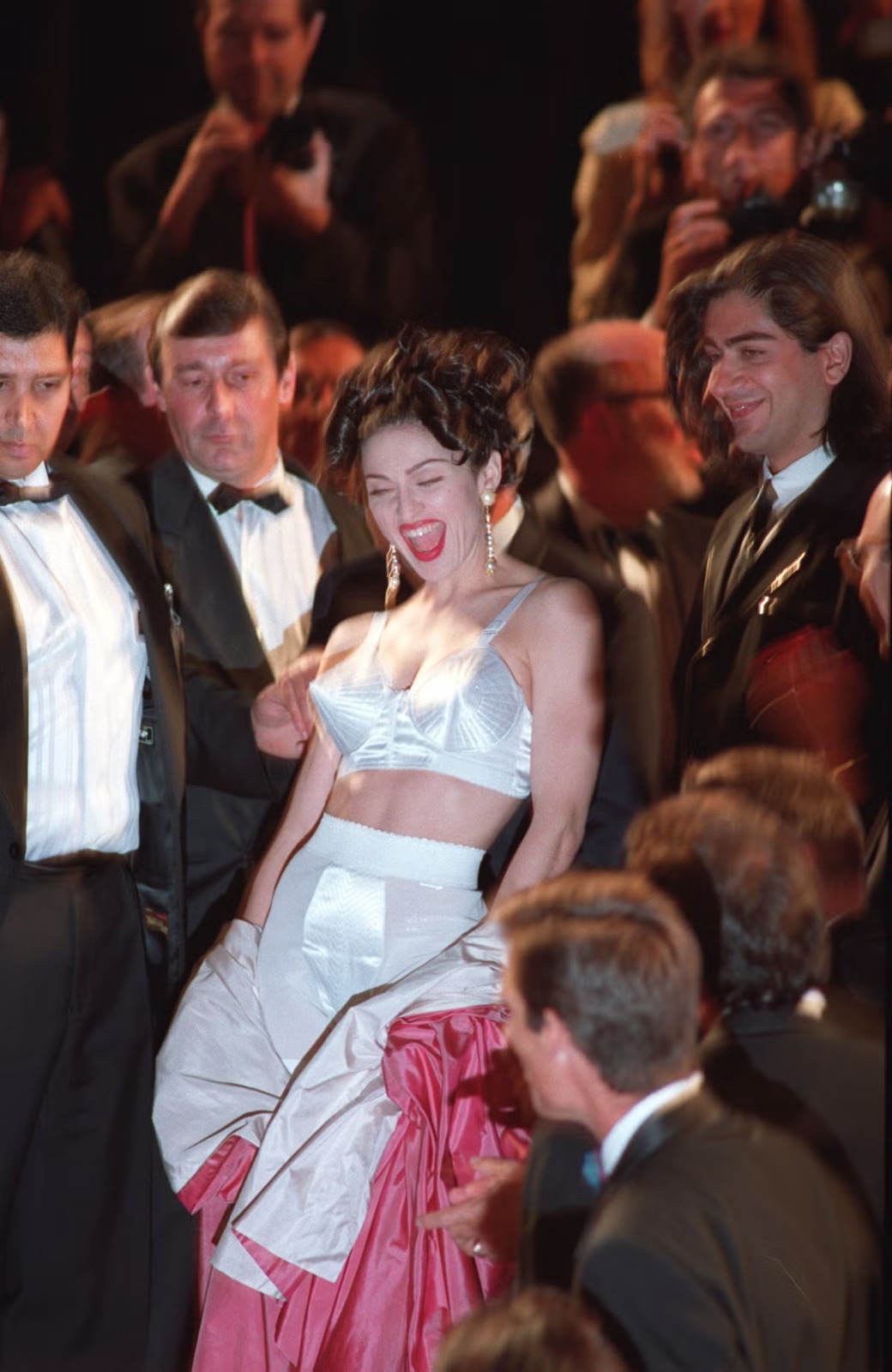
Madonna, 1991: Madonna’s appearance at Cannes in 1991 to promote "Madonna: Truth or Dare" was a seismic event in fashion history. She revisited Jean Paul Gaultier’s provocative cone bra design, this time styled with a voluminous pink taffeta jacket, white satin cone bra, high-waisted briefs, and garter belt. This reinterpretation cemented the iconic look’s place in pop culture and fashion lore, demonstrating Madonna’s mastery of self-reinvention and boundary-pushing style.
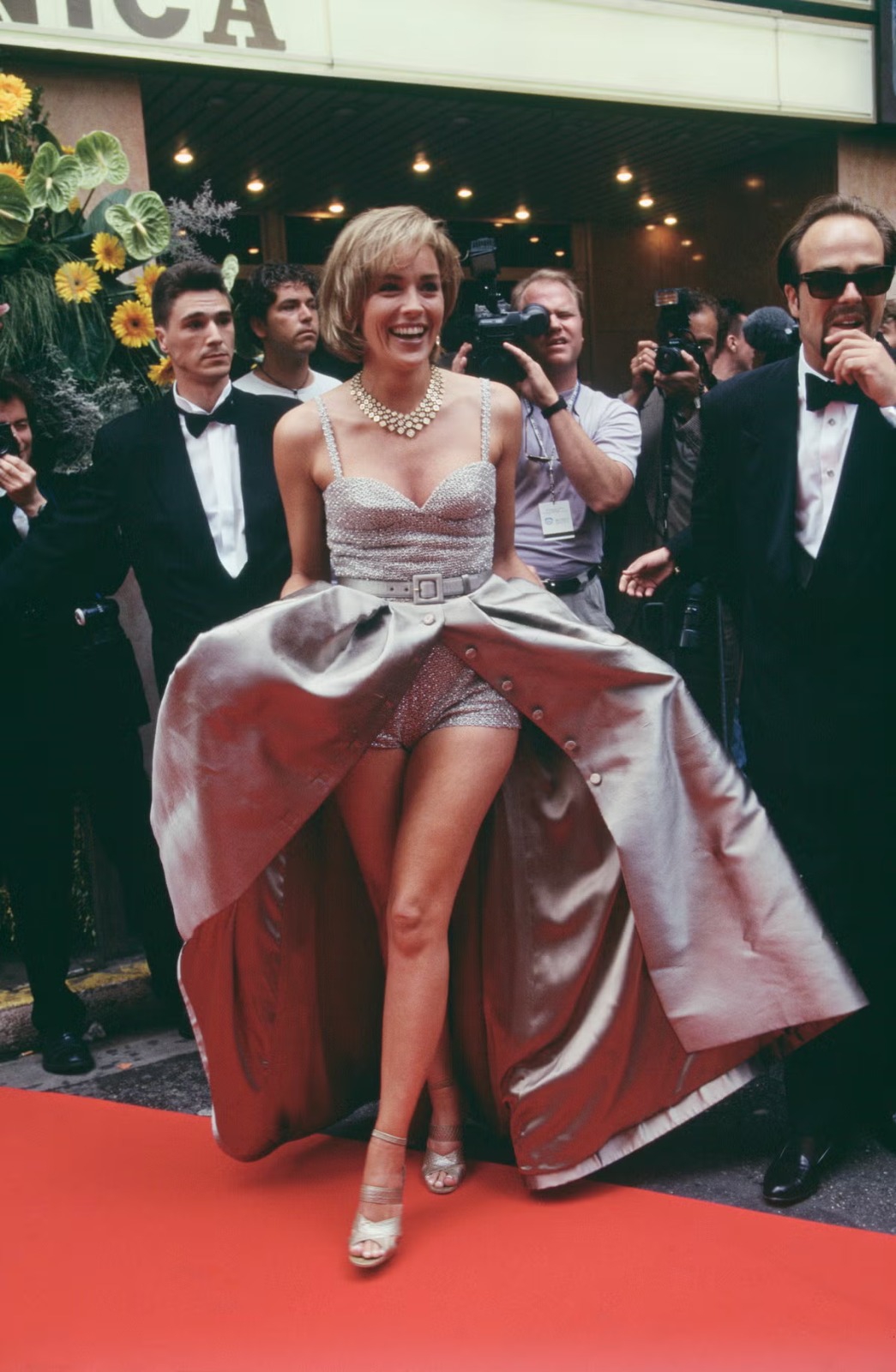
Sharon Stone, 1995: For the premiere of Isaac Mizrahi’s documentary "Unzipped," Sharon Stone defied expectations with a Valentino silver skirt. Worn unbuttoned to reveal beaded shorts underneath, her look challenged the notion that red carpet attire must be strictly formal to exude luxury. Stone’s daring choice proved that confidence and a playful spirit could be equally impactful.
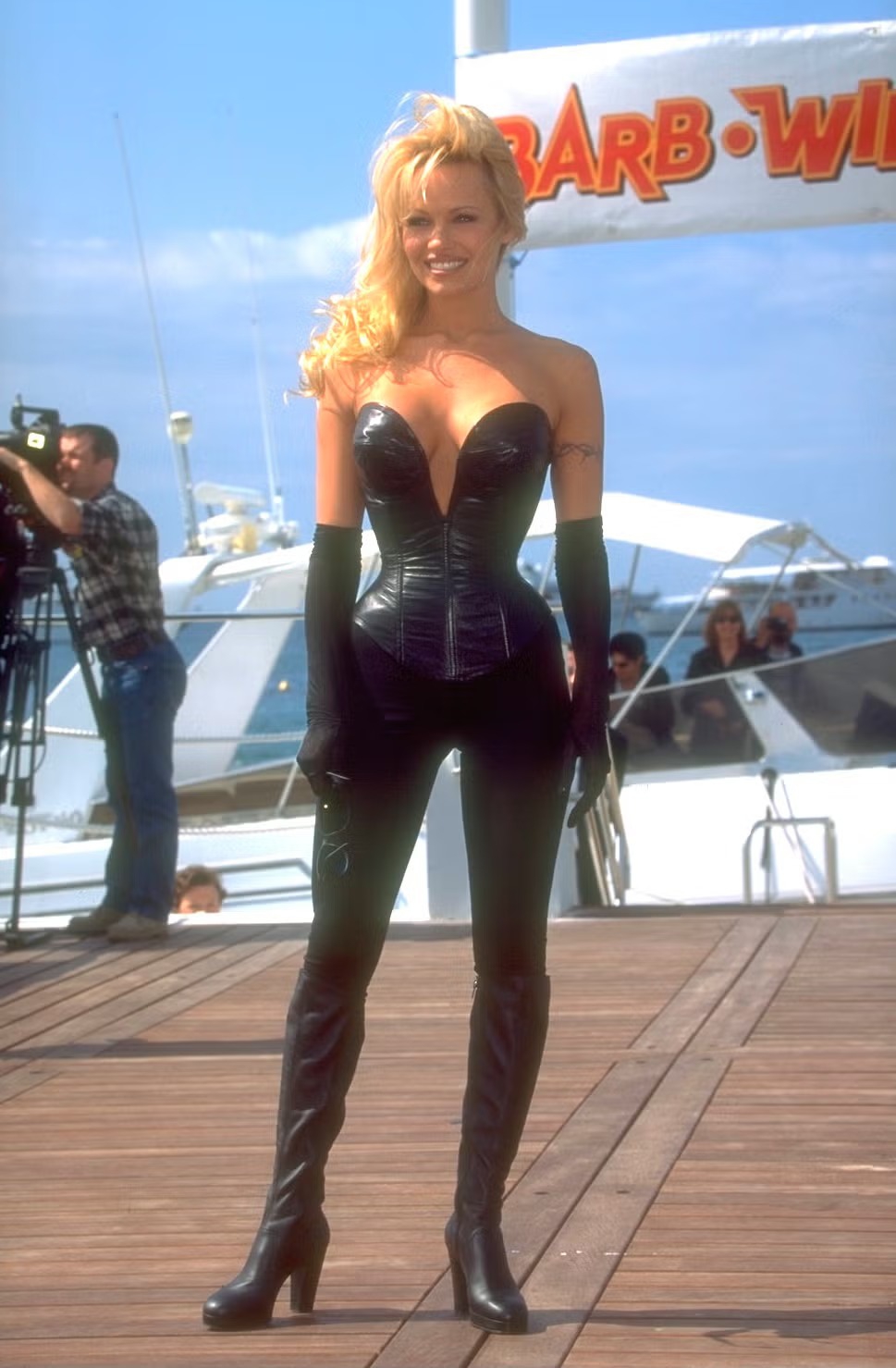
Pamela Anderson, 1995: Pamela Anderson’s early ’90s Cannes moment was undeniably impactful. Her ensemble featured an elegant black leather corset paired with black trousers, exuding a rebellious and striking allure. Arriving on a branded "Barb Wire" yacht and posing on the dock in an extreme S&M-inspired style, she presented a bombshell aesthetic that was both audacious and perfectly suited to the French Riviera.
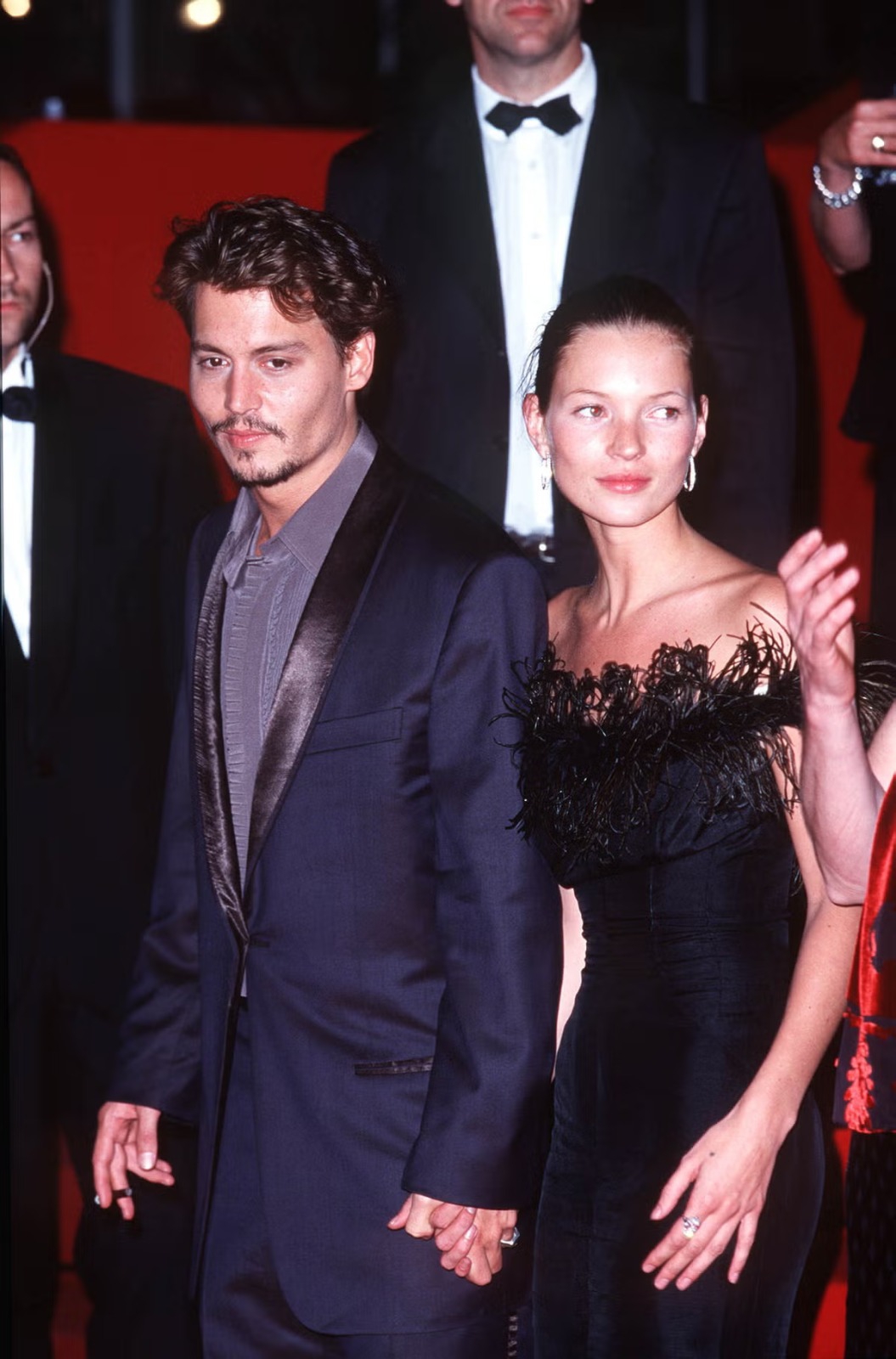
Kate Moss, 1998: In 1998, Kate Moss, already a fashion icon, embraced vintage with a stunning 1950s black feathered Jean Dessès gown. This choice was particularly noteworthy as wearing archival fashion on the red carpet was not yet the widespread trend it is today, highlighting Moss’s innate understanding of fashion history and her ability to make vintage pieces feel contemporary.
The 2000s and Beyond: Contemporary Icons and Evolving Norms
Björk, 2000: Björk’s fashion choices have always been avant-garde, and her 2000 Cannes appearance was no exception. The singer donned an Alexandre Matthieu creation featuring the asymmetrical lines and high-contrast pink and black palette characteristic of early 2000s fashion. The look was further enhanced by neon green accessories and her distinctive hairstyle, creating a memorable and unique statement.
Gwyneth Paltrow, 2008: Gwyneth Paltrow’s red carpet appearances are often lauded for their impeccable taste. Her 2008 Cannes ensemble, a navy blue satin Chanel gown from the resort 2009 collection, exemplified this. Featuring black embellishments, a plunging neckline, and a black ribbon tie, the dress struck a perfect balance of glamour and sophistication. The choice of Roger Vivier platform shoes over traditional evening sandals added a subtle Y2K-inspired edge, showcasing her fashion-forward sensibility.
Tilda Swinton, 2022: Tilda Swinton has a remarkable ability to infuse personal expression into her red carpet looks. Her 2022 appearance in a clean white Alaïa tuxedo dress was a prime example. The ensemble felt deeply personal, embodying her unique and understated yet impactful style, proving that unconventional choices can resonate powerfully.
Kristen Stewart, 2018: In a moment that resonated with many, Kristen Stewart shed her Christian Louboutin heels and walked barefoot on the Cannes red carpet in 2018. This act of defiance against traditional red carpet etiquette highlighted a growing movement towards comfort and personal expression, even in the most formal settings.
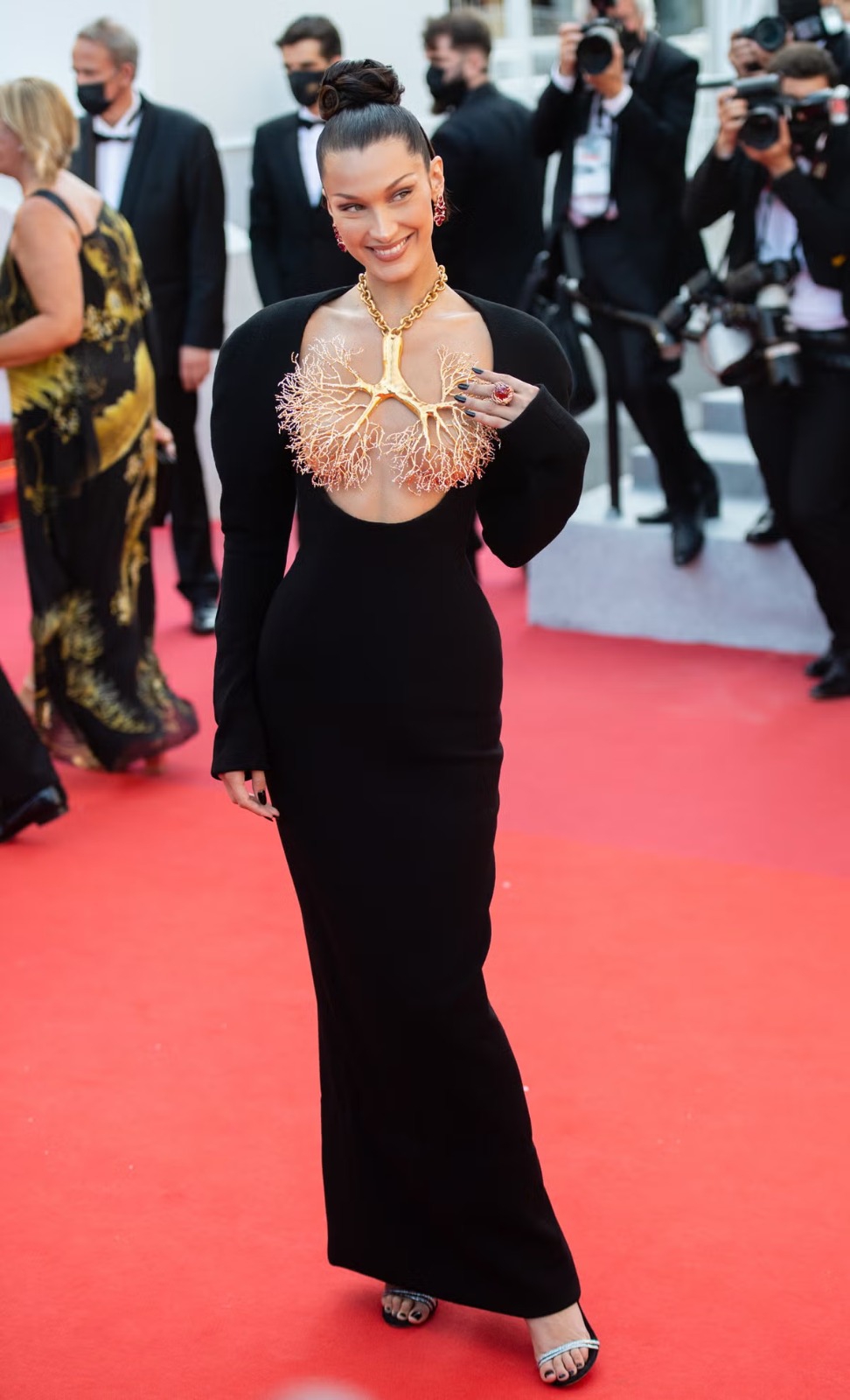
Bella Hadid, 2021: Bella Hadid has solidified her status as a modern Cannes fashion icon. Her 2021 appearance in a Schiaparelli gown, adorned with striking gold jewelry across the chest and paired with an asymmetric updo, was both stunning and bold. The dress’s dramatic design and sex appeal made it a standout, perfectly embodying the high-octane glamour expected at Cannes.
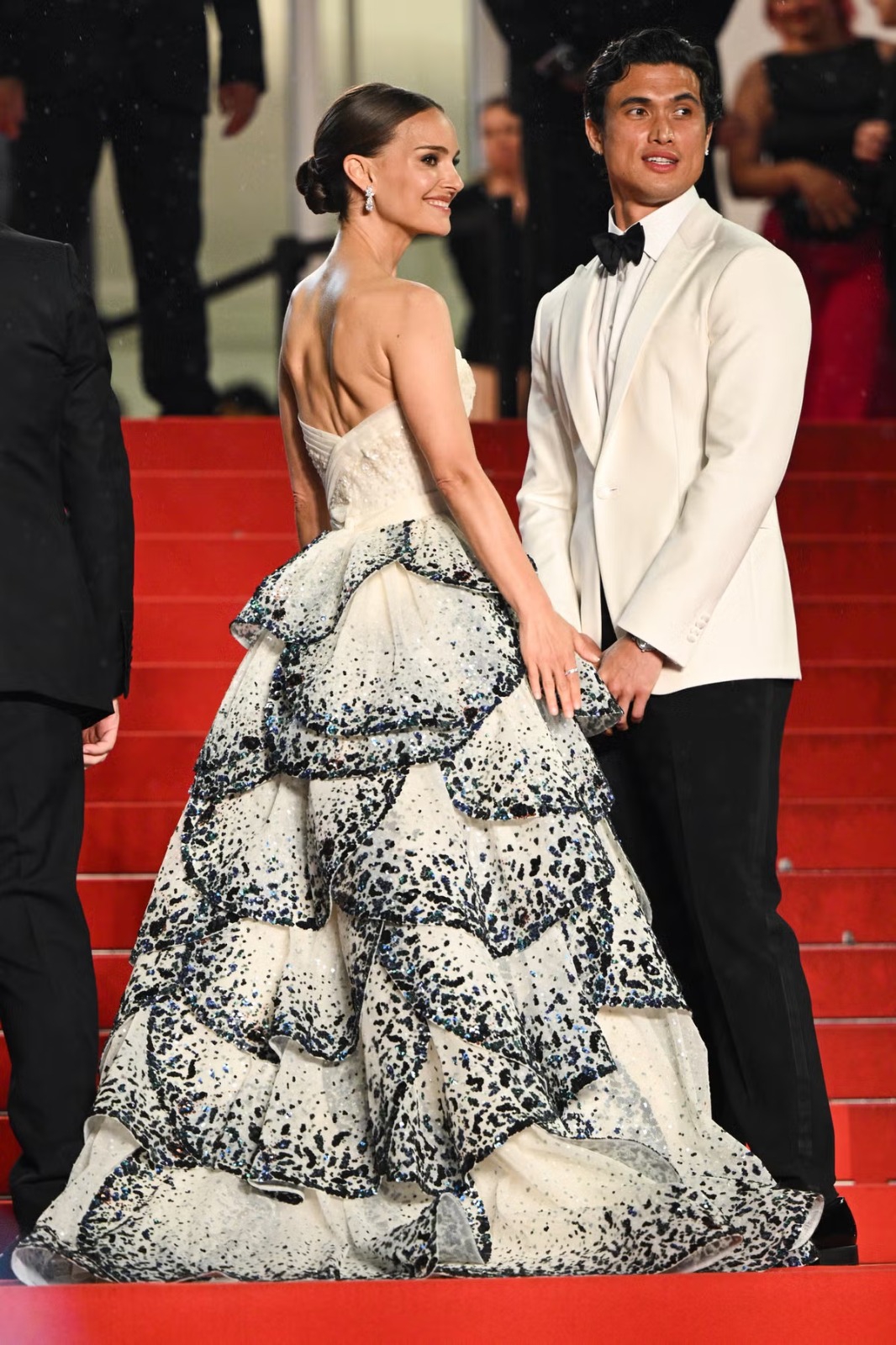
Natalie Portman, 2023: Natalie Portman paid homage to fashion history in 2023 by reinterpreting the iconic Dior "Junon" gown from the Fall/Winter 1949-50 collection. Her custom Dior creation featured an ivory strapless bodice and a skirt resembling flower petals, intricately embroidered with navy blue sequins and beads. This reinterpretation celebrated the legacy of haute couture while showcasing Portman’s elegant style.
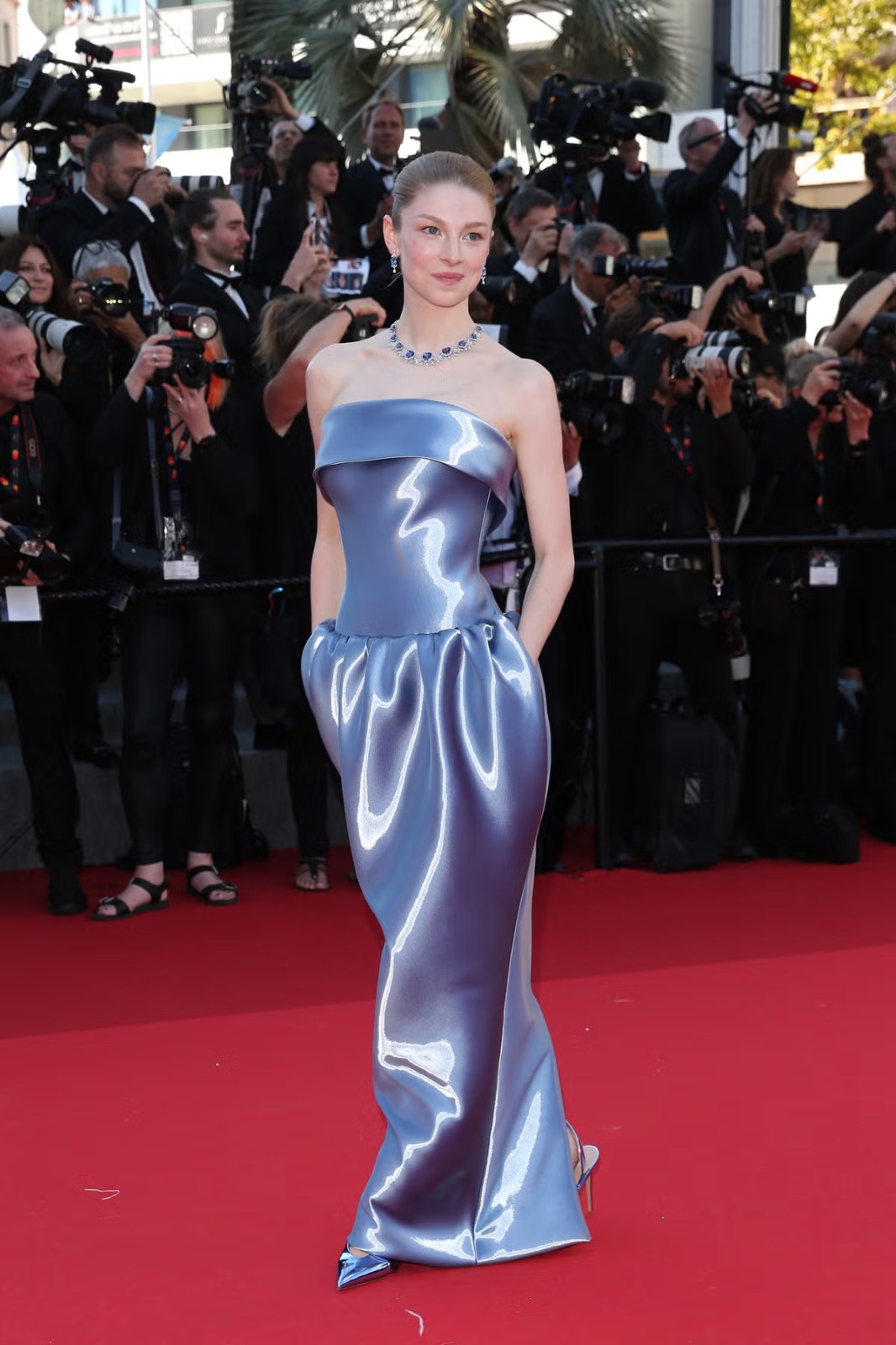
Hunter Schafer, 2024: Hunter Schafer, a consistent force in red carpet fashion, delivered a breathtaking moment in 2024. Her debut on the Cannes red carpet for the premiere of "Kinds of Kindness" featured a custom Armani Privé gown from the Spring 2011 collection. Crafted from silk organza that mimicked liquid metal in a striking steel blue hue, the dress was a mesmerizing display of sartorial artistry.
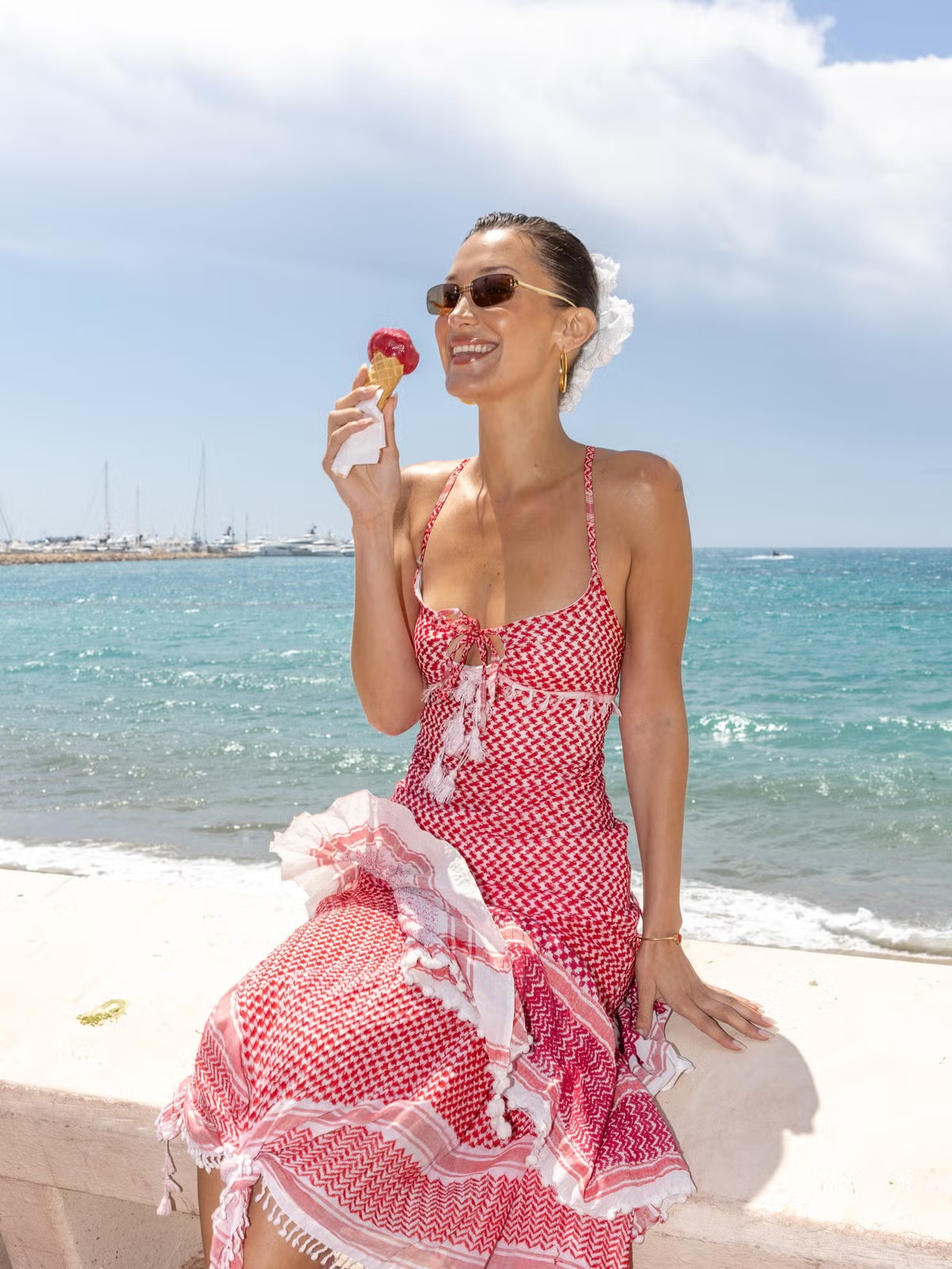
Bella Hadid, 2024: Bella Hadid made another powerful statement in 2024 with a gown designed by Hushidar Mortezaie, crafted from a red keffiyeh. This garment was not only aesthetically striking but also carried significant symbolic weight, serving as a bold expression of Palestinian heritage at a time when such visibility was critically important. The dress was lauded for its beauty and its potent political message, marking a significant moment in fashion activism.
The Unwritten Rules and Their Subversion
The Cannes red carpet, while celebrated for its glamour, has historically been governed by a set of unwritten protocols that dictate appropriate attire. These unwritten rules, often enforced with a strictness that can feel archaic, have frequently been challenged by celebrities seeking to express individuality or make a statement.
Historically, the emphasis has been on traditional formalwear. For women, floor-length gowns have been the standard, with a preference for elegant fabrics and sophisticated silhouettes. High heels are generally considered a non-negotiable element, contributing to the statuesque presentation of attendees. Conversely, shorter hemlines or more casual attire like shorts have been viewed as inappropriate for the prestigious occasion. For men, the tuxedo has long been the benchmark of formal attire.
However, the narrative of Cannes fashion is also one of defiance and evolution. The instances of celebrities breaking these unspoken norms have often become the most memorable and discussed moments. Madonna’s 1991 appearance, with her iconic cone bra, directly challenged conventional notions of modesty and formality. Her bold choice, designed by Jean Paul Gaultier, was a calculated risk that paid off, cementing her status as a fashion provocateur.
More recently, Kristen Stewart’s decision to remove her Christian Louboutin heels and walk barefoot in 2018 sent a powerful message about comfort, practicality, and a rejection of restrictive dress codes. This act resonated with a generation increasingly prioritizing authenticity and personal freedom over rigid sartorial expectations. It signaled a subtle shift in the power dynamics of the red carpet, where celebrity agency in their styling choices is gaining prominence.
The inclusion of Princess Diana’s 1987 gown and Hunter Schafer’s 2024 creation highlights the spectrum of what is considered acceptable and celebrated. While Diana’s appearance was a masterclass in royal elegance, adhering to traditional glamour, Schafer’s liquid silk gown represented a modern interpretation of high fashion, pushing aesthetic boundaries with its innovative fabric and silhouette. Both, however, achieved a state of pure grace that transcended rules.
Fashion as a Statement: Beyond Aesthetics
The Cannes red carpet is more than just a showcase of designer collections; it has increasingly become a platform for making powerful statements, both personal and political. The choices made by celebrities in their attire can carry significant cultural weight and spark important conversations.
Bella Hadid’s 2024 ensemble, fashioned from a red keffiyeh, stands as a prime example of fashion as a political statement. In a world increasingly attuned to geopolitical issues, her choice to wear a garment that visibly represents Palestinian heritage was a deliberate act of solidarity and a powerful visual declaration. The gown’s striking beauty was amplified by its underlying message, demonstrating that fashion can be a potent tool for advocacy and raising awareness on a global stage. This act of sartorial diplomacy underscored the growing intersection of fashion, identity, and political expression.
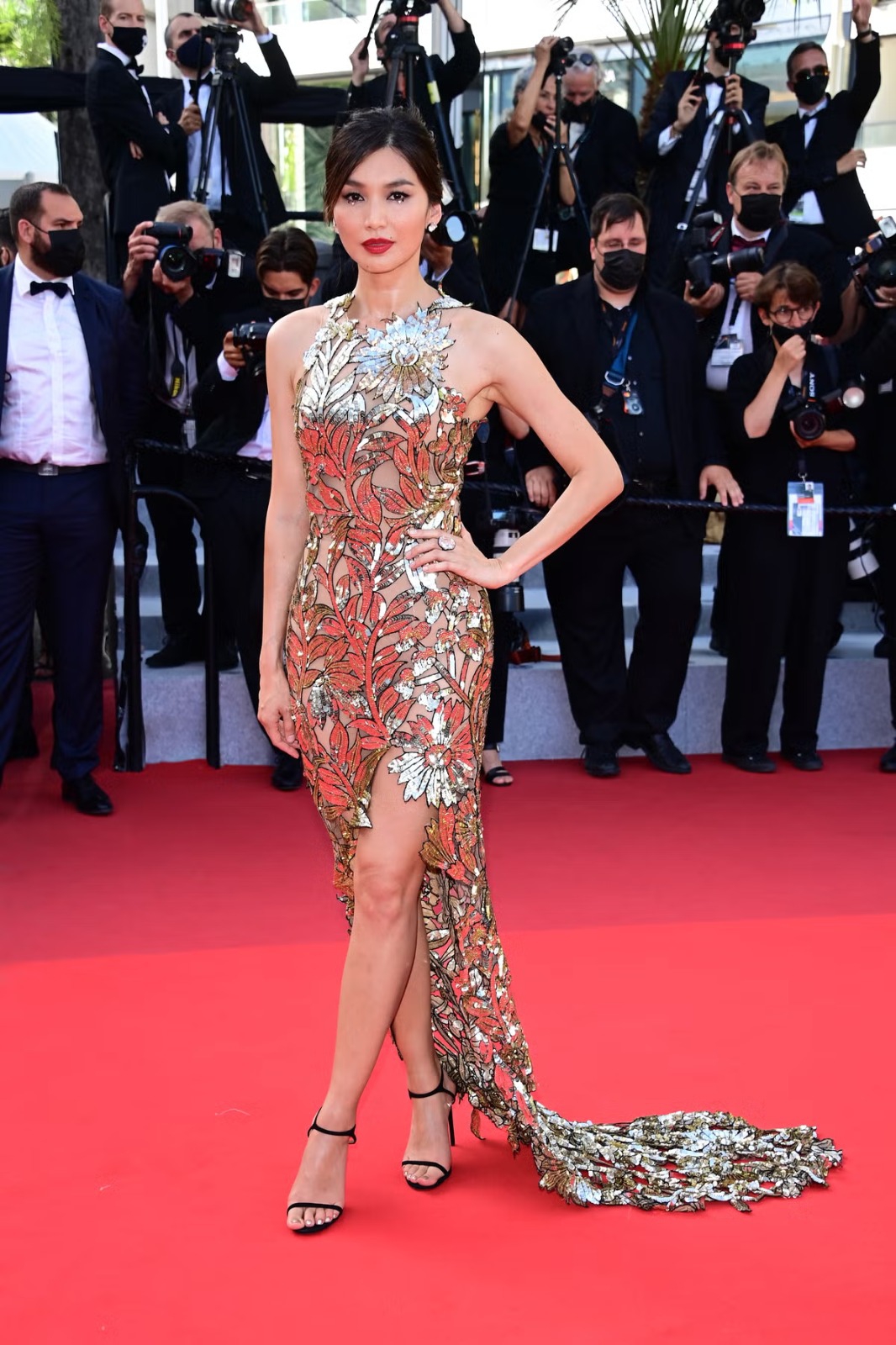
Furthermore, the festival’s long-standing association with cinema means that fashion choices are often intertwined with the films being promoted. The deliberate reinterpretation of iconic designs, such as Natalie Portman’s homage to the Dior "Junon" gown, speaks to an appreciation for fashion history and the enduring legacy of couturiers. These sartorial callbacks not only demonstrate respect for design heritage but also provide a contemporary lens through which to view timeless aesthetics.
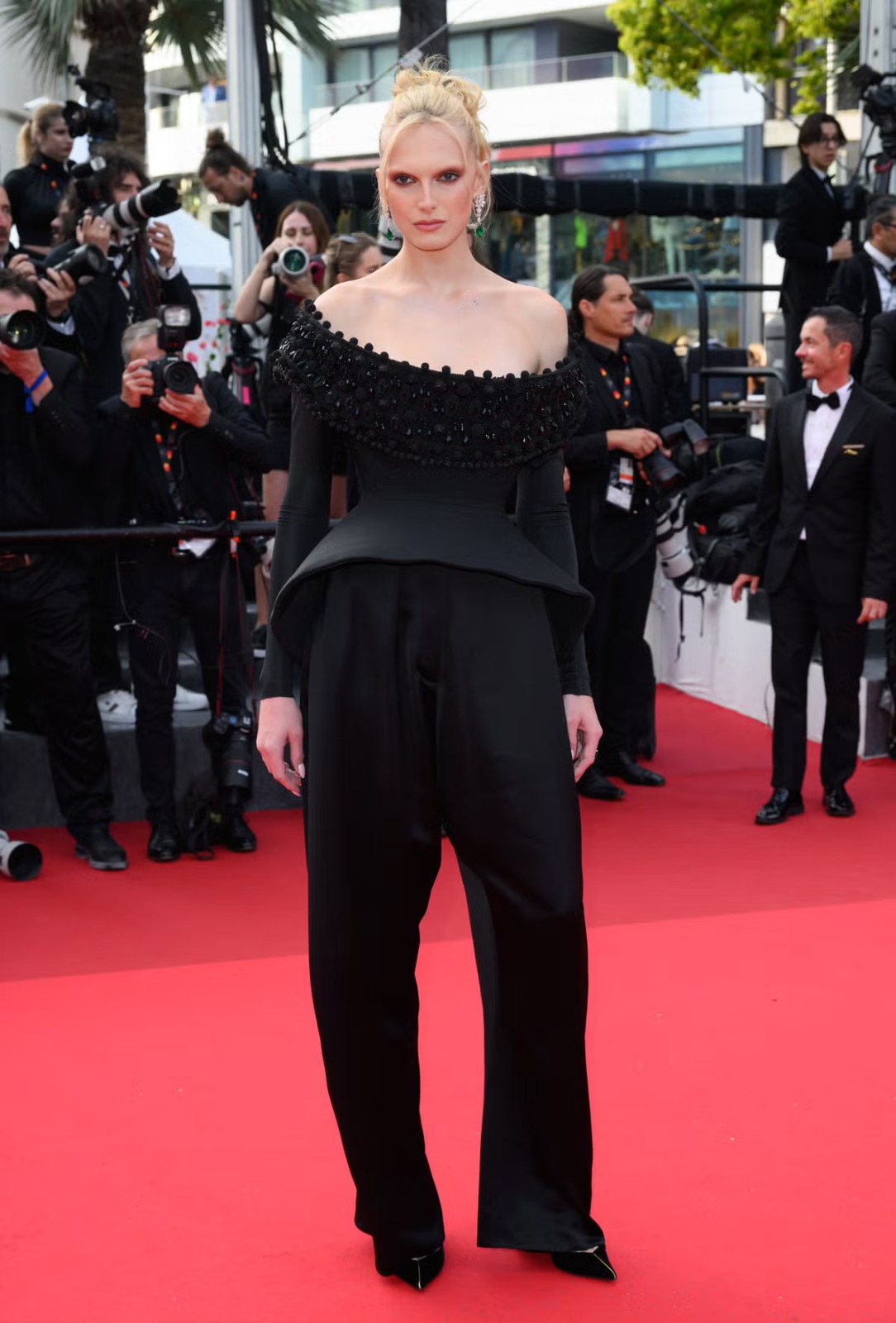
The inclusion of LGBTQ+ icons like Alex Consani in a custom Schiaparelli ensemble in 2025 further reflects the evolving inclusivity of the fashion landscape. Consani’s powerful debut at Cannes signifies a growing recognition of diverse voices and styles on the red carpet, pushing boundaries and celebrating individuality.
The Enduring Appeal of Cannes
Despite the evolving nature of fashion and the constant churn of trends, the Cannes Film Festival red carpet continues to hold a unique and powerful allure. Its longevity is a testament to its ability to consistently deliver moments of breathtaking beauty, daring rebellion, and profound cultural significance. The confluence of world-class cinema, breathtaking scenery, and the highest echelons of fashion creates an inimitable atmosphere.
The festival serves as a barometer for contemporary style, showcasing emerging designers alongside established houses, and providing a global stage for new talent to shine. The curated selections by fashion editors, such as those highlighted by Harper’s Bazaar, offer a critical perspective on what constitutes enduring style, bridging the gap between fleeting trends and timeless elegance.
As the industry continues to evolve, the Cannes red carpet remains a vital space where fashion, film, and culture converge, creating moments that are not just seen, but felt, remembered, and debated for years to come. It is a tradition that continues to inspire, challenge, and captivate, solidifying its place as the undisputed pinnacle of red carpet glamour.