Lusiana Hamidun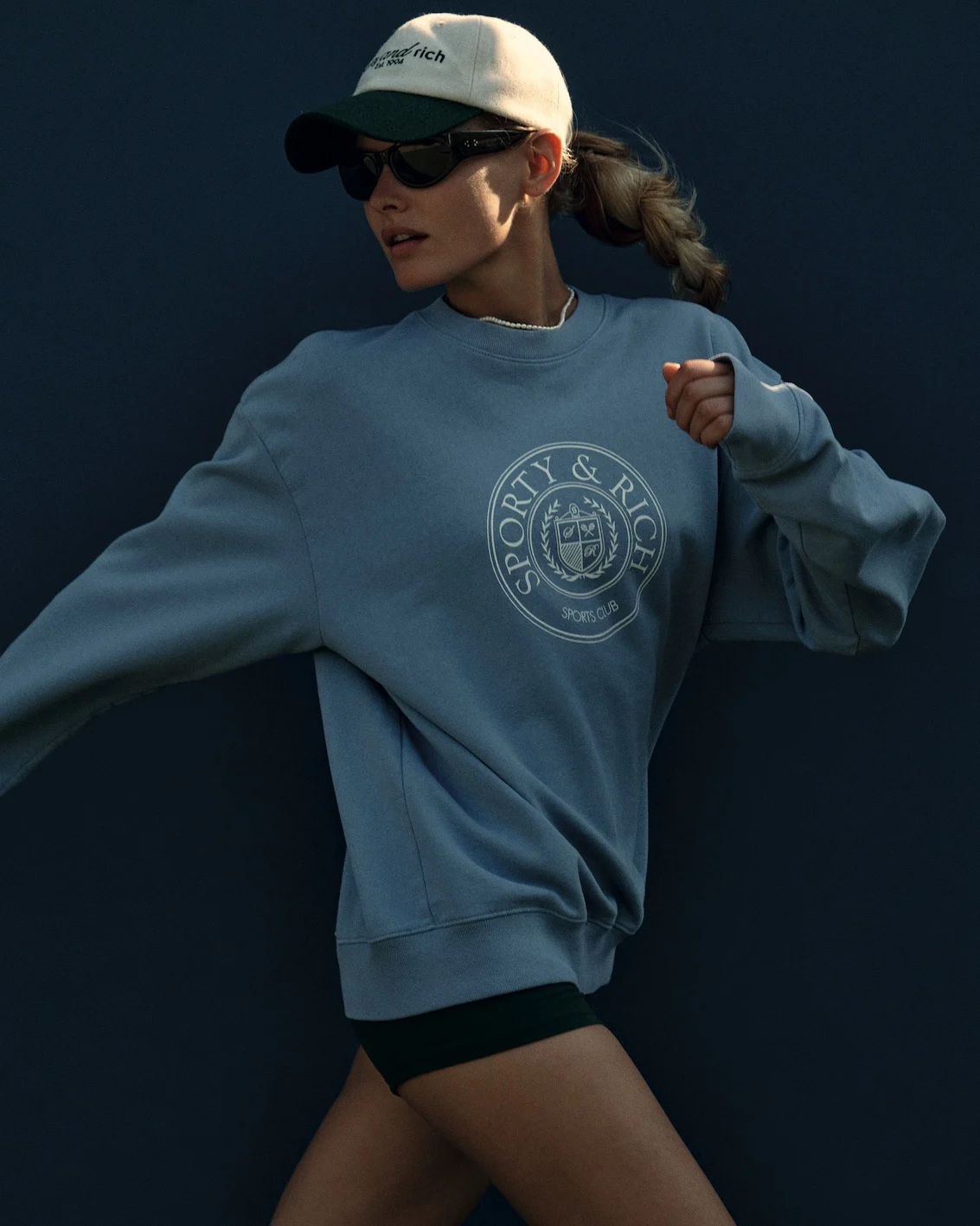
The era of overt logomania, which dominated fashion from approximately 2017 to 2018, was characterized by prominent, unapologetic brand logos. For Gen Z, then in their pre-teen to teenage years, these logos functioned as a social dialect, implicitly answering questions about identity, social standing, and belonging. This phenomenon was deeply intertwined with the rise of "drop culture," the escalating influence of social media, and a burgeoning resale market that transformed apparel into a rapidly circulating commodity. Wearing a logo transcended mere personal taste; it signified active participation within a specific cultural ecosystem, where visibility became the primary currency. The more recognizable the brand, the louder and clearer the message conveyed.
The Evolving Definition of Luxury
Over time, the very meaning of luxury has undergone a profound transformation. No longer confined to a singular definition, luxury has evolved in tandem with shifting societal values and lifestyles. For some, it now resides in understated simplicity and minimalist design devoid of explicit branding. For others, true luxury is found in curated experiences, enriching journeys, and the mindful execution of daily routines. This evolving perception has led to a more personalized approach to luxury consumption.
In this evolving landscape, luxury is increasingly understood through a sense of belonging to specific communities. Status markers have adopted a more casual, almost incidental form, often not designed with overt symbolism in mind. Examples range from the ubiquitous Trader Joe’s tote bags and branded caps from esteemed French bistros like Le Bistrot Paul Bert, to exclusive merchandise from Aman Resorts acquired during stays at their global destinations.
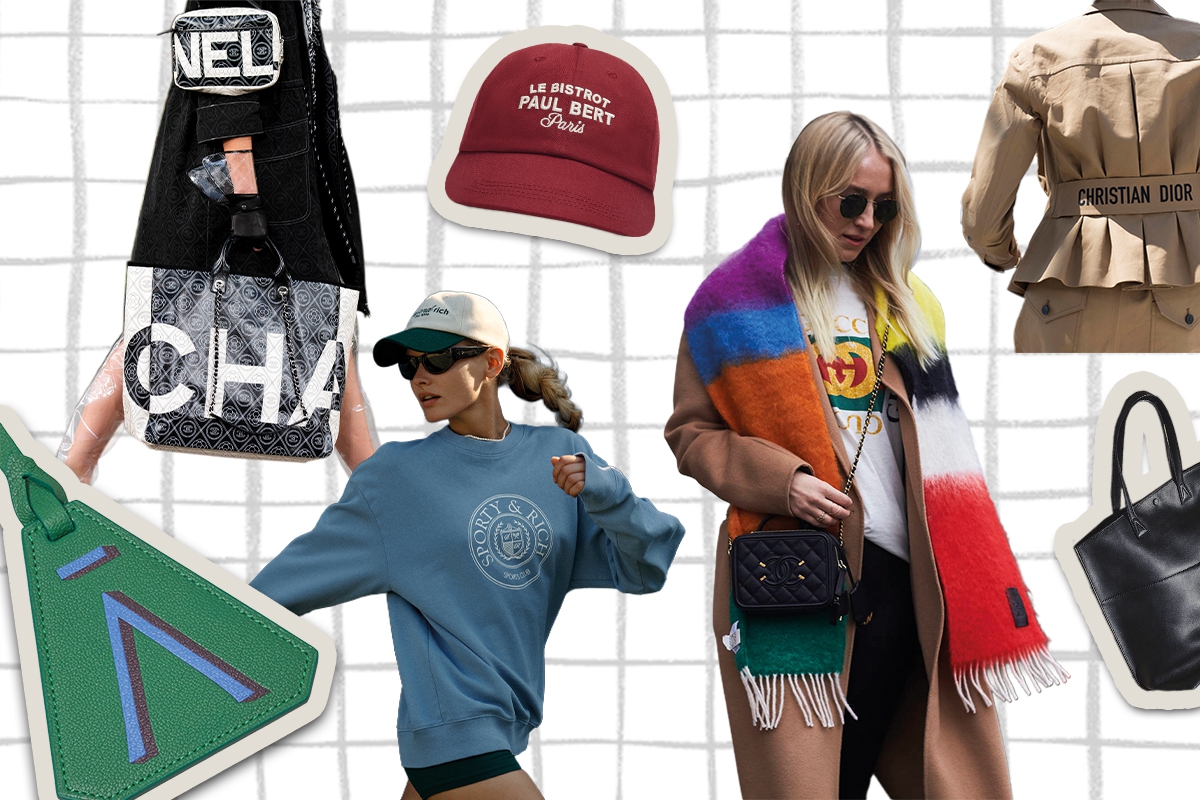
At first glance, these items might appear as ordinary merchandise. However, their significance extends far beyond their promotional function. They no longer denote the ability to purchase, but rather the experiences lived, the time invested, and the routines embraced. Ownership becomes a consequence of participation, not the ultimate goal. Consequently, apparel and accessories have transformed into subtle signals, communicating shared values and affiliations within specific circles.
This trend is vividly illustrated by communities such as "Aman junkies," the term used for devoted enthusiasts of Aman Resorts. These individuals not only frequent Aman properties but also collect Aman Essentials products, integrating them into their personal narratives and travel memories. A similar dynamic is observed within the wellness community, where specific apparel serves as a tangible symbol of discipline, shared commitment, and collective aspiration.
The Genesis of New Brands and Shifting Consumer Desires
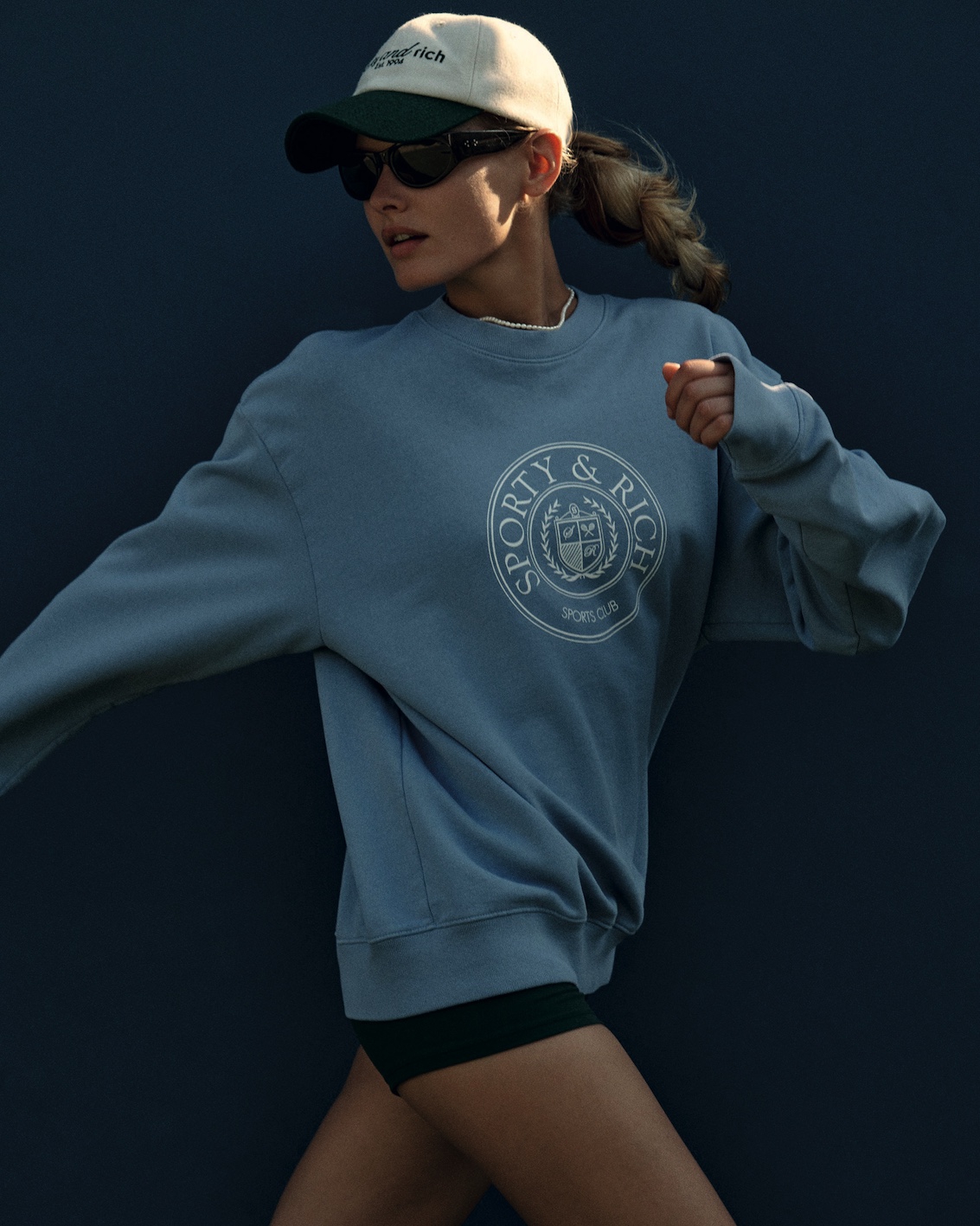
This evolving consumer behavior has also spurred the creation of new brands. Sporty & Rich, for instance, emerged from a curated collection of references and online conversations before manifesting as a tangible product line. By the time of its official release, a dedicated audience was already established, allowing the brand to primarily affirm an existing identity rather than cultivate one from scratch.
Furthermore, a growing saturation with overly explicit luxury signifiers has fueled this shift. Following a period of conspicuous consumption and self-promotion within digital spaces, a palpable desire for more authentic expressions has emerged. While consumption persists, its manifestation has become more discerning. The pursuit is no longer for mass recognition but for validation within relevant social spheres.

The pervasive influence of social media has undeniably accelerated the fragmentation of consumer tastes. The era of a single, monolithic authority dictating trends has waned. Instead, a multitude of micro-cultures have flourished, each with its own distinct visual codes and aesthetic language. While logos continue to hold relevance, their audience has become increasingly specialized and niche.
The Future of Cultural Currency
The longevity of this trend remains an open question. As long as experiences, well-being, and personal growth are valued as investments, community-based visual markers are likely to retain their significance. However, much like any social symbol, their value is intrinsically tied to their perceived exclusivity and the depth of meaning they convey. Should too many individuals adopt these markers without genuine engagement or shared values, their symbolic power could diminish.
Looking ahead, markers of luxury are likely to become even more personalized, potentially embracing local nuances and a less overt, more subtle presence. Yet, one certainty remains: logomania has not vanished. It has merely evolved, adopting a more refined and less explicit form, integrated seamlessly into the fabric of contemporary identity.
The genesis of this shift can be traced back to the mid-2010s, a period marked by rapid globalization and the increasing influence of digital platforms. As more individuals gained access to global brands and trends through the internet, the desire to signal affiliation and belonging intensified. The mid-2010s saw a surge in "drop culture," a marketing strategy employed by brands to create scarcity and exclusivity by releasing limited quantities of products at unpredictable times. This fueled a frenzy among consumers eager to acquire these coveted items, often for the sole purpose of displaying their brand affiliation.
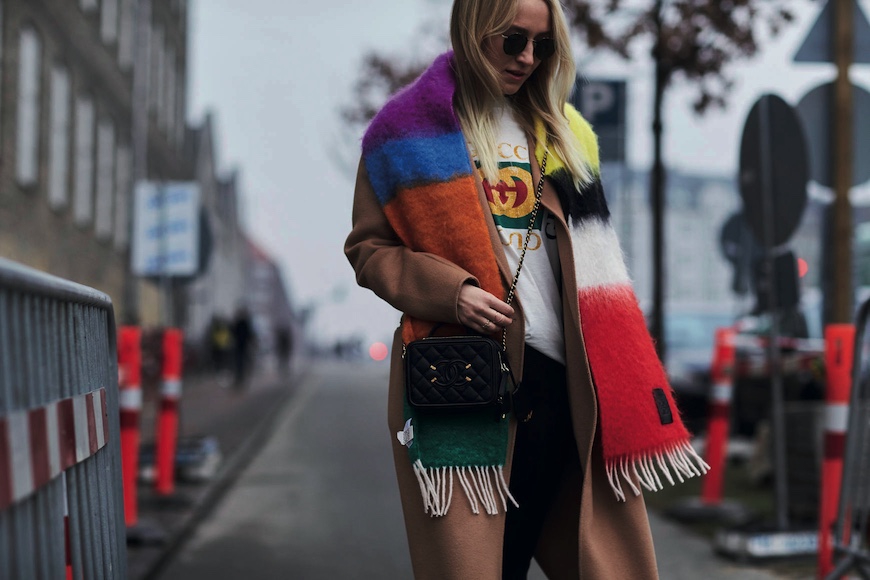
This environment created a fertile ground for the rise of "logomania." Brands like Supreme, Gucci, and Balenciaga capitalized on this trend, prominently featuring their logos on everything from t-shirts and hoodies to sneakers and accessories. The visibility of these logos became a badge of honor, a declaration of one’s place within a particular social hierarchy. For young consumers, especially those active on platforms like Instagram and TikTok, these branded items served as a visual language, communicating their awareness of current trends and their aspiration to be part of a desirable social group.
However, this overt display of wealth and brand affiliation began to face a counter-reaction. As the digital landscape became saturated with conspicuous consumption, a growing segment of the population started to seek more authentic and meaningful forms of expression. This led to a re-evaluation of what constitutes luxury, moving beyond mere brand recognition to encompass personal values, experiences, and a sense of belonging.
The rise of the "experience economy" played a crucial role in this shift. Consumers began to prioritize spending on travel, wellness, and personal development over material possessions. This led to a demand for brands that could cater to these evolving priorities, offering products and services that enhanced their lifestyle and reflected their values. The concept of "conscious consumption" gained traction, with consumers becoming more aware of the ethical and environmental impact of their purchasing decisions.
This has given rise to a new form of cultural currency, one that is less about what you own and more about who you are and what you experience. The subtle nods to exclusive communities, the curated collection of items that tell a story, and the shared understanding of certain symbols have become more potent markers of social standing and identity than a bold, emblazoned logo.
The implications of this shift are far-reaching for the fashion and luxury industries. Brands that fail to adapt to these changing consumer desires risk becoming irrelevant. The future success of a brand will likely depend on its ability to foster a sense of community, offer authentic experiences, and resonate with consumers on a deeper, more personal level. This might involve embracing more understated designs, focusing on sustainable practices, and creating products that tell a story and connect with consumers’ values.
The influence of influencers and tastemakers also continues to evolve. While prominent figures still hold sway, there is a growing emphasis on authenticity and relatability. Consumers are increasingly looking to individuals who genuinely embody the values and lifestyle they aspire to, rather than those who simply promote products for commercial gain. This has led to the rise of micro-influencers and niche communities, where trust and genuine connection are paramount.
In conclusion, the evolution from overt logomania to a more nuanced, experience-driven cultural currency reflects a broader societal shift towards authenticity, community, and personal values. As consumers continue to seek meaning and connection in their purchasing decisions, brands that can authentically cater to these evolving desires will be best positioned for success in the years to come. The language of luxury is no longer spoken in loud pronouncements but in whispered affiliations and shared experiences.
The timeline of this evolution can be broadly outlined:
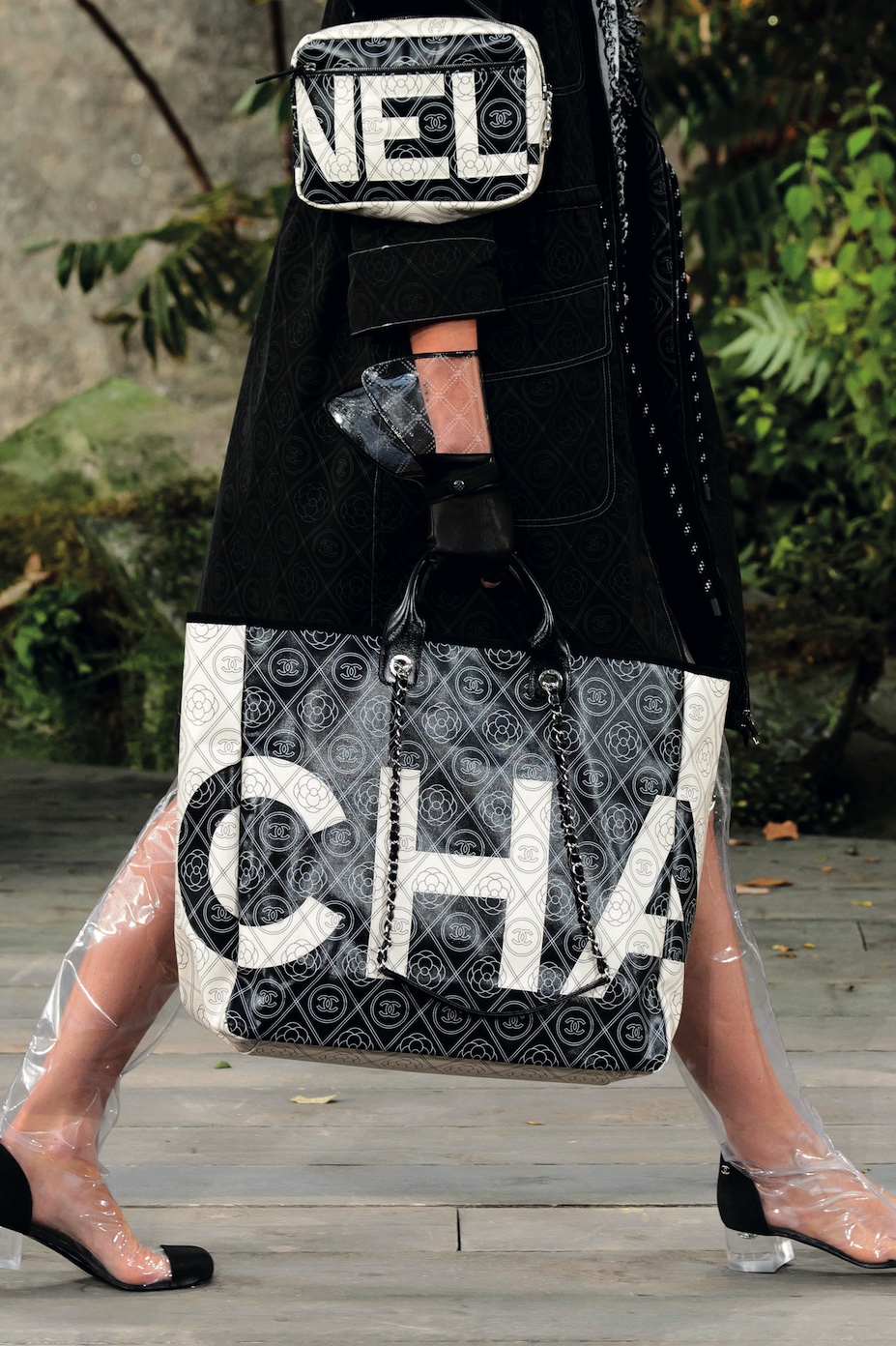
- Circa 2017-2018: The zenith of logomania, characterized by prominent brand logos as social signifiers. Gen Z, as pre-teens and teenagers, actively engaged with this trend as a means of establishing identity and social belonging. This era coincided with the surge in "drop culture," the amplified role of social media, and a booming resale market, all contributing to fashion’s rapid circulation.
- Late 2010s to Early 2020s: A gradual shift begins as the definition of luxury broadens. Consumers start questioning the overt materialism of logomania, seeking more authentic and experience-based forms of status. The concept of "conscious consumption" gains traction.
- Early to Mid-2020s: The rise of community-driven luxury and subtle signifiers becomes more pronounced. Items like branded tote bags from niche retailers or resort merchandise gain significance not for their monetary value but for the experiences and affiliations they represent. Brands like Sporty & Rich emerge, leveraging pre-existing communities.
- Present Day: The current landscape is marked by a fragmentation of tastes, where niche micro-cultures dictate trends. Luxury is increasingly personalized, focusing on experiences, wellness, and local relevance. While logos haven’t disappeared, they have become more understated and context-dependent, signaling belonging within specific, often digitally-formed, communities.
Supporting data from market research firms often reflects these shifts. For instance, reports from Bain & Company and Deloitte have consistently highlighted the growing consumer demand for personalized luxury, sustainable practices, and experiential offerings. A 2023 report by Bain indicated that while branded luxury goods remain significant, the "experiential luxury" segment, encompassing travel, fine dining, and wellness, is experiencing robust growth, often exceeding the pace of traditional hard luxury goods. Furthermore, studies on Gen Z consumer behavior frequently point to their preference for brands that align with their values, including social responsibility and authenticity, over those that rely solely on overt branding.
While official statements from major luxury conglomerates often emphasize their commitment to heritage and craftsmanship, there’s an observable strategic pivot towards digital engagement, community building, and curated experiences. For example, LVMH Moët Hennessy Louis Vuitton has invested heavily in digital platforms and innovative retail concepts, while Kering has prioritized sustainability initiatives and partnerships with artists and cultural institutions. These actions, though framed within broader brand narratives, indirectly acknowledge the evolving consumer mindset and the changing definition of cultural currency.
The broader implications of this trend suggest a recalibration of brand strategies. Brands that can foster genuine connections with their audience, provide meaningful experiences, and communicate shared values will likely thrive. This may involve a move away from mass marketing towards more targeted community engagement, leveraging social listening tools to understand nuanced consumer desires and co-creating products and experiences with their most loyal customers. The emphasis will be on building lasting relationships rather than transactional exchanges, where status is earned through participation and shared identity rather than simply purchased.