Lusiana Hamidun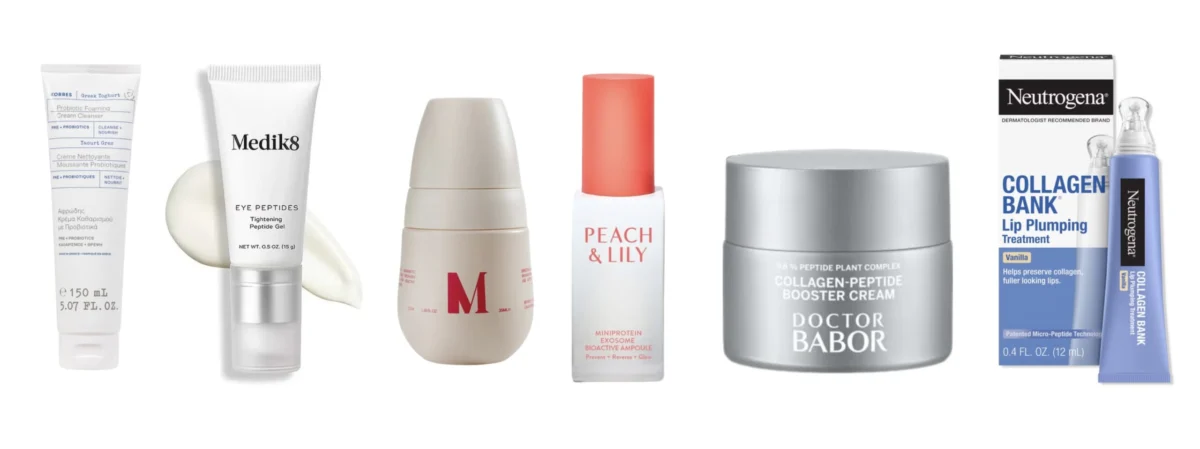
The pursuit of optimal health and beauty has led to the rise of numerous trends, and one of the most pervasive in recent years has been "protein-maxxing." Initially gaining traction in fitness and nutrition circles, this approach emphasizes maximizing protein intake for muscle building, satiety, and overall bodily function. However, the concept is now transcending dietary habits and making a significant splash in the beauty industry, specifically within skincare formulations. This evolution from internal nourishment to external application raises questions about its efficacy and necessity for achieving healthy, radiant skin.
The genesis of the protein-maxxing trend can be traced back to a growing awareness of the vital role protein plays in cellular repair and regeneration throughout the body. Health professionals and fitness influencers alike began advocating for higher protein consumption, citing benefits such as reduced hunger, accelerated muscle recovery post-exercise, and improved body composition. Anecdotal evidence and some scientific studies suggested that increased protein intake could also contribute to stronger hair and nails, and even enhance skin health. This holistic view of beauty, where internal wellness directly influences external appearance, paved the way for protein’s inclusion in skincare.
"I see protein-maxxing as an extension of the current focus on longevity," explains Dr. Dendy Engelman, a dermatologist, in discussions surrounding the trend. "People are prioritizing protein to support muscle tone and weight management, both of which are closely linked to visible signs of aging. Simultaneously, this mindset is expanding into skincare, where proteins like collagen and peptides are utilized to fortify the skin barrier, create a more youthful appearance, and support long-term skin health." This perspective highlights the interconnectedness of health and beauty, suggesting that optimizing bodily functions through nutrition can have parallel benefits when applied topically.
The notion of incorporating protein into skincare is not entirely novel. Celebrity plastic surgeon Dr. Jason B. Diamond notes, "To me, this is an interesting evolution because protein has always been an integral part of beauty treatments, both clinically and at home. In fact, it’s highly likely you’ve been applying protein to your skin for years without realizing it. The ingredient lists often don’t just state ‘protein,’ but rather many forms you might already be familiar with, such as collagen, elastin, amino acids, growth factors, and peptides." This indicates that the underlying science behind protein’s benefits for the skin has been recognized for some time, with the current trend simply bringing these ingredients into sharper focus and popularizing their use.
The Multifaceted Benefits of Protein in Skincare
Topical proteins offer a diverse range of benefits, each targeting specific skin concerns. According to Dr. Engelman, these ingredients work synergistically to address issues like fine lines, loss of firmness, uneven texture, and poor moisture retention. "For years, we’ve been focused on collagen and keratin. Now, peptides are dominating the conversation," she states. "Elastin is also beginning to gain recognition as an essential protein for skin and hair health." Dermatologist Dr. Nazanin Saedi further emphasizes the importance of collagen, describing it as one of the most prevalent proteins in the beauty realm and a fundamental component in building skin firmness and structure.
While the body naturally produces collagen, its behavior when applied topically differs. The large molecular size of collagen often prevents it from penetrating the skin deeply. However, Dr. Saedi clarifies, "Topically, collagen helps to hydrate the skin and reduce water loss, making the skin appear smoother and more luminous." Similarly, Dr. Engelman explains that elastin and keratin function in a comparable manner, acting as large-molecule proteins that support skin resilience, firmness, and elasticity.
Peptides, a current darling of the skincare world, are also forms of protein. "Peptides are small fragments of amino acids that can signal the skin to increase its production of collagen and elastin, making them frequently used for skin tightening and smoothing fine lines," Dr. Engelman elaborates. This signaling mechanism is crucial, as it encourages the skin’s natural regenerative processes, leading to more sustainable improvements in skin texture and appearance.
The widespread adoption of protein-based skincare can be contextualized by the increasing demand for scientifically backed ingredients and a move towards preventative aging strategies. The beauty industry, constantly seeking innovation, has responded to the growing consumer interest in ingredients that offer tangible results. The "protein-maxxing" trend in skincare aligns perfectly with this, offering a familiar yet sophisticated approach to improving skin health.
Who Can Benefit from Protein-Based Skincare?
While not a singular solution for all skin concerns, protein-rich products are particularly advantageous for individuals with dry skin or those over the age of 40. These ingredients not only combat visible signs of aging such as reduced elasticity, fine lines, and wrinkles but also significantly aid in skin hydration, promoting longer-lasting moisture retention. The outcome is skin that feels plumper, appears smoother with less pronounced lines and texture, and remains hydrated for extended periods.
However, there is no definitive age restriction for incorporating protein into one’s skincare regimen. "Integrating protein-based skincare into a routine is a great way to maintain long-term skin health and support a more youthful appearance over time," suggests Dr. Engelman. Even for those with firm and supple skin, protein-infused serums and moisturizers can enhance skin barrier function, boost radiance, and improve overall hydration levels. This underscores the preventative and supportive role these ingredients can play, regardless of existing skin condition.
It is crucial to acknowledge that, as with any potent ingredient, excessive "protein-maxxing" in skincare can have drawbacks. Experts advise against overwhelming the skin with multiple protein-rich products simultaneously. Instead, integrating one carefully selected protein-focused product into an existing routine is recommended. "Overuse can lead to protein overload, resulting in dry or irritated skin," cautions Dr. Diamond. "The skin doesn’t need excessive layers of the same ingredient; a balanced routine is more important," adds Dr. Engelman. This balanced approach ensures that the skin receives the benefits of protein without compromising its natural equilibrium.
A Look at Protein-Rich Skincare Innovations
The market has responded with a diverse array of products designed to leverage the benefits of protein. These include cleansers, serums, moisturizers, and even lip treatments, each formulated with specific protein derivatives to target various skin needs.
For instance, cleansers like the Korres Greek Yoghurt Foaming Cream Cleanser utilize yogurt’s protein content to gently cleanse and nourish the skin. In the realm of targeted treatments, Medik8 Eye Peptides offer a concentrated peptide formula to address the delicate skin around the eyes, aiming to reduce fine lines and improve firmness. Dr. Diamond’s Metacine Instafacial Infusion Biomimetic Microcollagen Matrix presents a more advanced approach, incorporating microcollagen to fortify the skin’s structure.
Ampoules, such as the Peach & Lily Mini Protein Exosome Bioactive Ampoule, provide potent doses of protein-based actives for intensive treatment. Moisturizers like the Babor Collagen Peptide Cream combine collagen and peptides to enhance hydration and elasticity, while even lip treatments, like the Neutrogena Vanilla Collagen Bank Lip Plumping Treatment, are incorporating protein derivatives to improve lip texture and volume.
The growing availability and variety of these products reflect a broader trend in the beauty industry towards sophisticated, ingredient-driven formulations that align with consumers’ increasing knowledge and demand for effective skincare. The protein-maxxing trend in skincare, therefore, represents not just a fleeting fad but a significant development in how we understand and utilize biological compounds for aesthetic and health benefits. As research continues and consumer awareness deepens, protein-based ingredients are poised to remain a cornerstone of advanced skincare for the foreseeable future. The integration of this nutritional powerhouse into our topical routines signifies a holistic approach to beauty, where what we consume and what we apply work in concert to achieve optimal skin health and vitality.