Nila Kartika Wati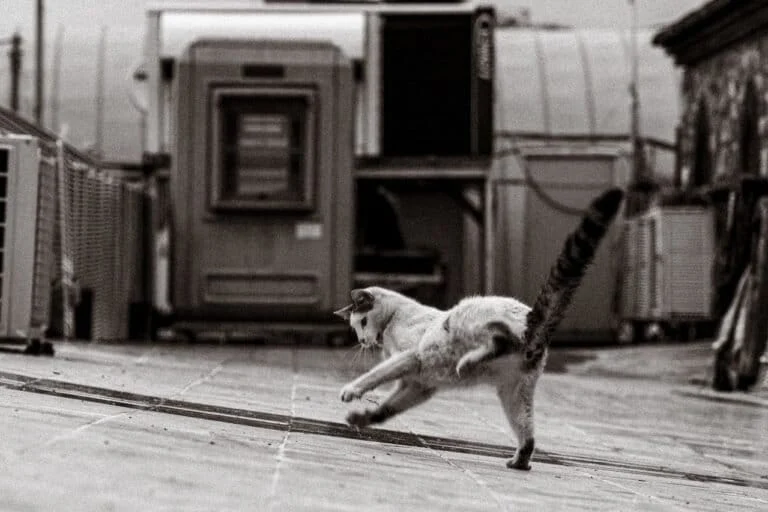
The phenomenon of domestic cats reacting with explosive, airborne terror at the sight of a common cucumber has transitioned from a niche internet curiosity into one of the most enduring tropes of digital animal content. The format of these videos, which have garnered hundreds of millions of views across platforms like YouTube, TikTok, and Instagram, follows a predictable script: a pet owner waits until their cat is distracted—usually while eating—and quietly places a long, green cucumber directly behind them. When the cat finishes its meal and turns around, the sudden discovery of the object triggers a violent startle response, sending the animal leaping into the air or scrambling away in a state of visible panic. While these clips are often shared as lighthearted entertainment, a growing consensus among veterinary behaviorists and animal welfare experts suggests that this "prank" represents a significant violation of animal welfare that can lead to severe physiological trauma and the permanent degradation of the human-animal bond.
The viral spread of "Cats vs. Cucumbers" began in earnest around 2015, fueled by a collective fascination with the seemingly irrational fear cats displayed toward a harmless vegetable. For years, the prevailing internet theory suggested that cats possess an evolutionary "hard-wired" fear of cucumbers because they resemble snakes. Proponents of this theory, including some early commentators like Con Slobodchikoff, a professor emeritus at Northern Arizona University, argued that the cucumber’s long, cylindrical shape and green skin mimic the appearance of a venomous reptile. Under this hypothesis, the cat’s reaction is an ancient survival instinct designed to protect it from a deadly predator. However, as the trend persisted and more data was gathered, animal behaviorists began to debunk this singular explanation, pointing instead to a much more complex intersection of neurobiology, environmental psychology, and sensory perception.
Recent research into feline behavior indicates that the "snake theory" is likely secondary to a much more fundamental biological mechanism known as the "startle reflex." This reflex is an involuntary, ultra-fast response to a sudden, unexpected stimulus. In cats, this reaction occurs within a window of 18 to 22 milliseconds—a timeframe significantly faster than the animal’s conscious ability to process what the object actually is. When a cat is eating, it enters a state of focused relaxation and vulnerability. By placing an object in the animal’s "blind spot" during this time, the owner is effectively bypassing the cat’s sophisticated sensory warning systems. The brain’s amygdala perceives a sudden breach of the animal’s immediate personal space, triggering an instantaneous "fight-or-flight" response. At that split second, the cat does not see a cucumber or even a snake; it sees an unidentified threat that has successfully bypassed its defenses.
Dr. Pamela Perry, a veterinary behaviorist at the Cornell Feline Health Center, has been vocal in clarifying that cats do not inherently fear cucumbers or even snakes as a rule. In fact, many domestic and wild cats are known to hunt and kill snakes. The terror observed in these videos is rooted in the "novelty" and the "proximity" of the object. Kinds of objects other than cucumbers—such as a pineapple, a toaster, or even a large plush toy—would likely elicit a similar reaction if placed stealthily behind a cat in its safe zone. The cucumber simply became the tool of choice due to its availability and the specific visual contrast it provides against most flooring.
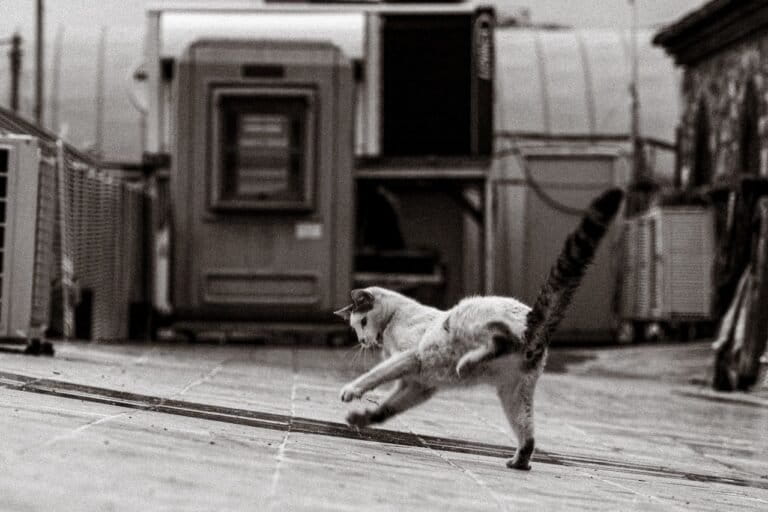
To understand why this prank is particularly damaging, one must consider the importance of territoriality in feline psychology. Cats are highly territorial creatures that rely on a predictable environment to maintain a sense of safety. Within a home, the feeding area is considered a "sanctum sanctorum" or a sacred space. In the wild, eating is a time of high risk for a predator because its attention is diverted from its surroundings. Consequently, a domestic cat’s feeding station is the place where it feels most secure. When a human introduces a "threat" into this specific area, they are not just scaring the animal; they are violating the cat’s primary sense of environmental security. This can lead to a condition known as "environmental insecurity," where the cat no longer feels safe in its own home, leading to chronic stress.
The physiological implications of this stress are far from benign. While a human might laugh at a cat’s five-second scramble, the animal’s body undergoes a massive surge of cortisol and adrenaline. In some cats, particularly those with underlying health issues or high-strung temperaments, this acute stress can trigger immediate medical crises. Dr. Alex Blutinger, a critical care specialist at BluePearl Pet Hospital in New York, has highlighted the link between acute stress and Feline Lower Urinary Tract Disease (FLUTD). Stress is a primary trigger for idiopathic cystitis, a painful inflammation of the bladder wall. In male cats, this can lead to life-threatening urethral obstructions. A "funny" video can, in a matter of hours, result in a medical emergency requiring thousands of dollars in veterinary care and, in tragic cases, the euthanasia of the pet.
Beyond the immediate physical risks, the long-term behavioral consequences of such pranks are profound. Cats are masters of associative learning, but unlike dogs, who often require multiple repetitions to form a strong association, cats can develop "one-trial learning" for traumatic events. This means that a single instance of being terrified by a cucumber can cause a cat to permanently associate the feeding area—or the owner who was standing nearby—dengan fear and danger. This can manifest as "avoidance behavior," where the cat becomes hesitant to eat, begins hiding for extended periods, or develops "displaced aggression," where it lashes out at other pets or humans in the household due to heightened anxiety.
The impact on the human-animal bond is perhaps the most overlooked aspect of this trend. The relationship between a pet and its owner is built on a foundation of trust and predictability. When an owner intentionally terrifies their cat for the sake of social media engagement, they are effectively acting as a predator rather than a protector. Dr. Perry notes that once a cat begins to view its owner as a source of unpredictable threats, the bond is difficult, if not impossible, to fully repair. The cat may stop seeking affection, may stop purring in the owner’s presence, and may live in a state of constant hyper-vigilance, waiting for the next "attack."
The ethics of the "Cats vs. Cucumbers" trend also touch upon the broader responsibilities of digital platforms and content creators. Organizations such as the RSPCA and the ASPCA have issued formal warnings against participating in these challenges, citing them as a form of psychological abuse. Despite these warnings, the algorithms of major social media platforms continue to promote high-engagement content, often ignoring the welfare implications of the videos being shared. This creates a feedback loop where pet owners, seeking "likes" and "shares," ignore the visible distress of their animals to follow a viral trend.
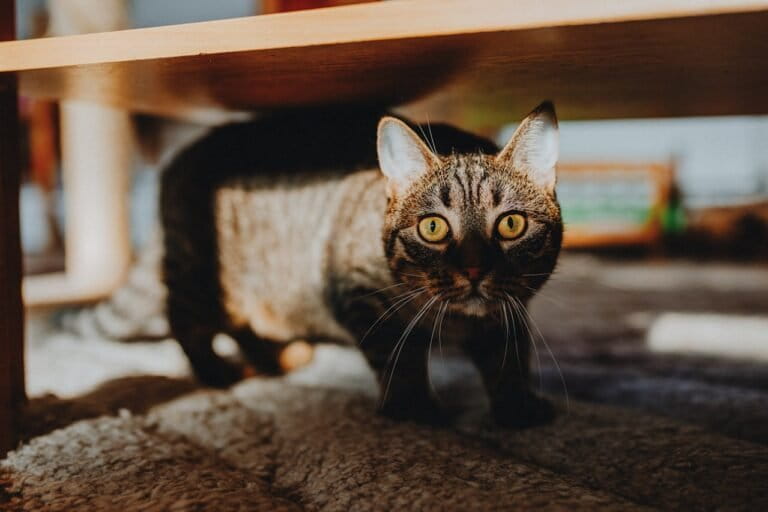
In analyzing the broader implications, it is clear that the "Cats vs. Cucumbers" phenomenon is a case study in the "objectification" of pets in the digital age. When animals are viewed as props for entertainment rather than sentient beings with complex emotional and physiological needs, their welfare is inevitably compromised. The popularity of these videos suggests a widespread lack of understanding regarding feline body language. What many viewers interpret as a "funny jump" is, in biological terms, a desperate attempt to escape a perceived lethal threat. Signs of post-scare distress, such as dilated pupils, panting, flattened ears, and a tucked tail, are often ignored by audiences who are focused on the initial "comedic" burst of movement.
For pet owners looking to engage with their cats in a healthy manner, experts suggest replacing pranks with "positive enrichment." Activities that mimic natural hunting behaviors, such as using wand toys or food puzzles, provide the mental stimulation cats need without the damaging effects of fear-based "surprises." These activities strengthen the bond between owner and pet and contribute to the animal’s overall well-being.
In conclusion, while the image of a cat leaping away from a cucumber may seem like a harmless internet joke, the scientific and veterinary evidence suggests a much darker reality. The combination of the startle reflex, the violation of safe territorial zones, and the potential for severe medical complications like FLUTD makes this trend a significant concern for animal welfare. As our understanding of feline neurobiology and psychology continues to evolve, it is incumbent upon pet owners and social media users to prioritize the mental and physical health of their companions over the fleeting rewards of viral fame. The cucumber prank is not a measure of a cat’s "silliness," but rather a demonstration of the fragility of trust and the very real dangers of chronic stress in domestic animals.