Nila Kartika Wati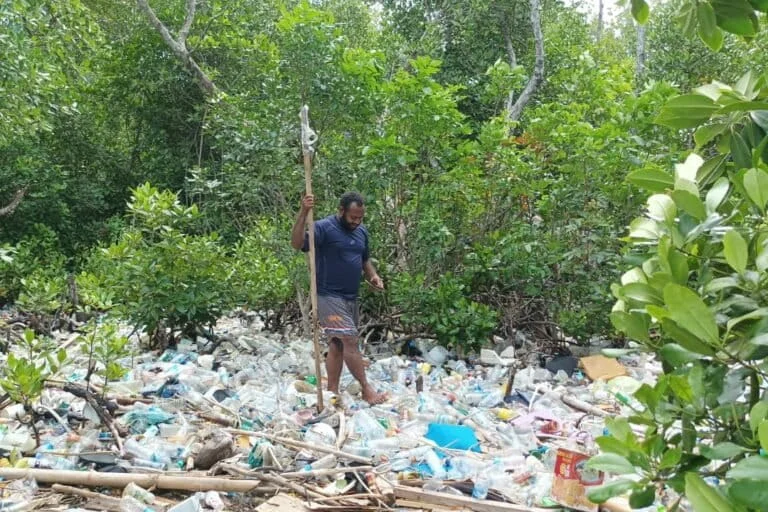
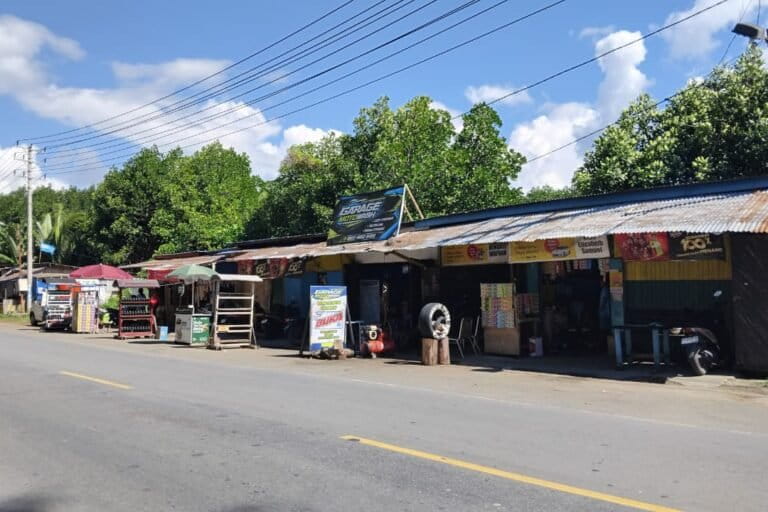
The landscape along the fringes of the Youtefa Bay in Jayapura, Papua, has undergone a radical and troubling transformation over the last decade. Where once a dense, impenetrable wall of green mangroves shielded the coastline, there is now a burgeoning row of cafes, restaurants, kiosks, and guesthouses. This ribbon of commercial development stretches from Hamadi Beach and Cibery Beach to Holtekamp Beach, cutting through the ancestral lands of the Enggros and Tobati villages. While these establishments cater to the city’s growing tourism and recreation needs, their presence marks a grim milestone in the ecological degradation of Youtefa Bay. Beneath the floorboards of these seaside eateries, the once-clear waters have turned murky, and the intricate root systems of the remaining mangrove trees are increasingly choked by a relentless tide of plastic waste.
The Youtefa Bay area is more than just a scenic backdrop; it is the customary territory of three major indigenous communities: Tobati, Enggros, and Nafri. For generations, these communities have viewed the mangrove forest not merely as land, but as a "living pharmacy" and a "natural supermarket." However, the dual pressures of land conversion and massive infrastructure development are rapidly eroding this vital resource. The ecological crisis is now a humanitarian one, as the indigenous residents who depend on the mangroves for their survival find themselves marginalized by the very development intended to bring prosperity to the region.
The Human Toll: A Dying Source of Life
For the women of Kampung Enggros, the mangrove forest is traditionally known as "Hutan Perempuan" or the Women’s Forest. It is a sacred and social space where men are traditionally forbidden, allowing women to gather food and interact in privacy. Persila Sanyi, a 70-year-old resident of Kampung Enggros, recalls a time when the waters were pristine and the harvest was bountiful. Today, the reality is far more painful. "The trash is everywhere inside the mangroves," Persila remarked during a recent interview. "Sometimes, when we go out to find clams (bia), we come home with skin rashes and itching that won’t go away, even after we shower."
For decades, Persila and other women in her village have relied on the mangroves to provide kerang (clams), crabs, and various fish species to feed their families and sell at local markets. The biological productivity of these forests is immense; the stilt roots of the Rhizophora trees provide a protected nursery for juvenile marine life. However, as the forests are cleared for construction or buried under landfill (penimbunan), these breeding grounds vanish. Persila notes that her memories of a lush, clean forest are being erased by the physical reality of concrete and timber structures that now dominate the shoreline.
A History of Protected Status vs. Real-World Encroachment
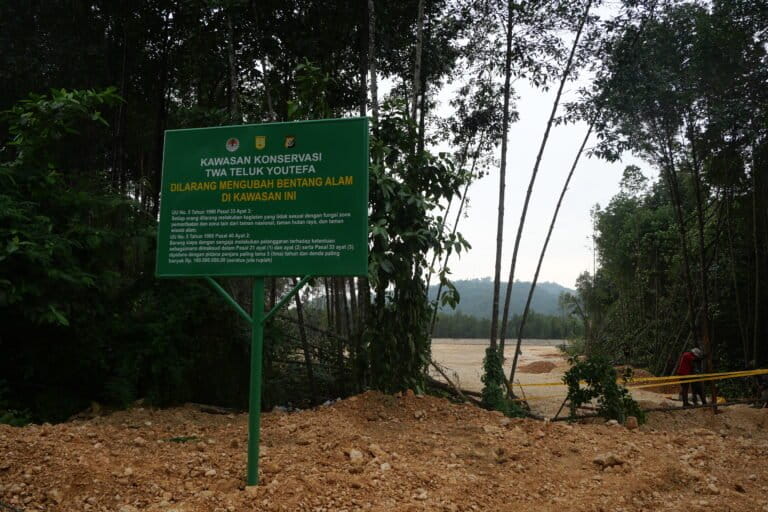
The irony of the degradation in Youtefa Bay lies in its legal status. On paper, the area is one of the most protected coastal zones in Papua. Its conservation journey began in June 1978, when the Minister of Agriculture issued Decree No. 372/Kpts/UM/6/1978, designating the Youtefa Bay mangrove forest as a Nature Tourism Park (Taman Wisata Alam or TWA). This status was further solidified in 1996 by the Minister of Forestry through Decree No. 714/Kpts/1996, which established the Youtefa Bay TWA as a conservation area covering 1,657 hectares.
Despite these legal protections, the enforcement of conservation laws has struggled to keep pace with the demand for land. Petronela Maruje, the Chairperson of the Kampung Enggros Women’s Community, has witnessed the systematic thinning of the forest. "So much of the mangrove forest has been cut down, leaving only fragments," she explained. According to Maruje, the construction of the iconic Holtekamp Bridge (also known as the Youtefa Red Bridge), which opened in 2019, acted as a catalyst for further encroachment. While the bridge is a feat of engineering that connects Jayapura to Muara Tami, its construction necessitated the clearing of significant mangrove tracts and opened up previously inaccessible areas to commercial speculators.
The development of sports infrastructure, such as the rowing venue for the 2021 National Sports Week (PON XX), further constricted the space available for indigenous foraging. "When that construction happened, the fish started to disappear because the trees were gone," Maruje added. The loss of the forest is felt most acutely by the community as a loss of their "kitchen"—the primary source of protein and traditional sustenance.
Quantifying the Decline: Data and Academic Research
The anecdotal evidence provided by local residents is backed by alarming scientific data. Research conducted by the University of Science and Technology Jayapura (USTJ) in 2025 indicates that between 2017 and 2024, the Youtefa Bay area lost approximately 18.76 hectares of mangrove cover. The study highlights that the most significant losses occurred in areas adjacent to main roads and new tourism developments.
This recent decline is part of a longer, more devastating trend. Earlier data from Cenderawasih University (2017) revealed that between 1994 and 2017, the mangrove forest in Youtefa Bay shrank by a staggering 159.33 hectares—a 40.59% reduction in total area. In 1994, the forest spanned 392.45 hectares; by 2017, it had been whittled down to just 233.12 hectares. The primary drivers identified were road and bridge construction, housing expansion, and illegal logging.
The Natural Resources Conservation Agency (BBKSDA) of Papua has also tracked the decline using spatial analysis. Their data shows a 6.28% decrease in mangrove cover in just two years, from 124.3 hectares in 2022 to 116.49 hectares in 2024. Chandra Irwanto Lumban, a forestry extension expert at BBKSDA Papua, noted that while the rate of loss slowed slightly between 2023 and 2024, the cumulative impact remains a "serious concern" for the region’s ecological health.
The "Plastic Supermarket" and Environmental Pollution
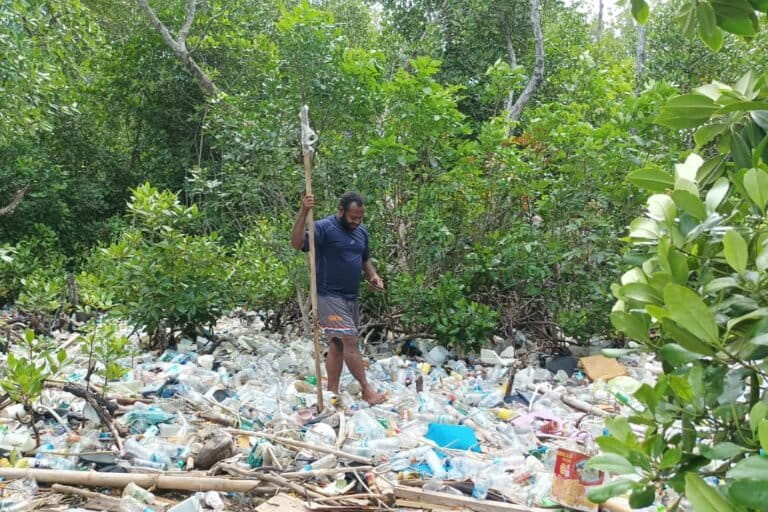
Beyond the physical removal of trees, the health of the remaining ecosystem is being strangled by waste. Berta Sanyi, another indigenous woman from Kampung Enggros, describes the forest as a "plastic mall." During the rainy season, the bay becomes a collection point for the city of Jayapura’s refuse. "You can find everything in there—plastic bags, bottles, mattresses, pillows, and even hospital waste like syringes and IV drips," Berta lamented.
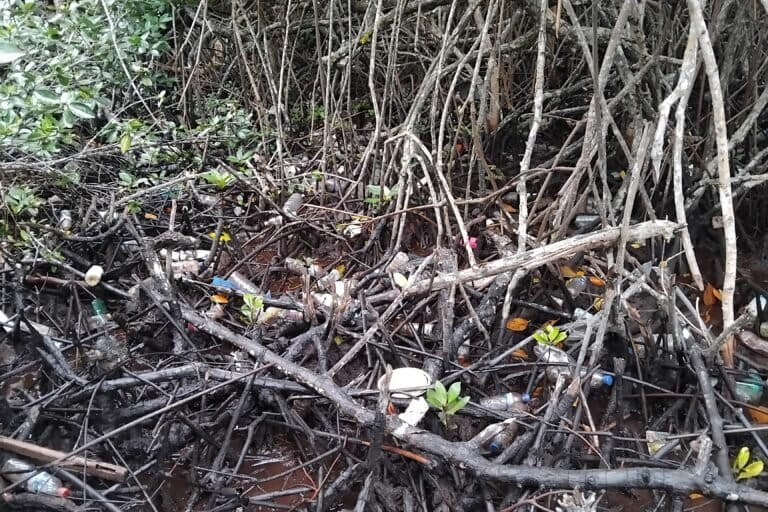
This accumulation of waste does more than just offend the eye; it physically prevents mangrove seedlings from taking root and interferes with the respiratory systems of the trees (pneumatophores). The presence of heavy metals and chemicals from urban runoff and hospital waste further poisons the shellfish that the community consumes. The result is a broken food chain where the "supermarket" of the bay now offers toxic waste instead of healthy seafood.
Legal Action and the Struggle for Enforcement
The government has not been entirely idle. In 2023, a joint task force consisting of BBKSDA Papua, the Papua Regional Police, and the Jayapura City Government took decisive action against illegal land reclamation. Several parties were caught filling in mangrove areas along the Hamadi road to create land for commercial use.
Chandra Irwanto Lumban confirmed that legal proceedings have been pursued. "The cases of mangrove burial have been handled by the Law Enforcement (Gakkum) unit. In 2024, we saw cases reach the P21 stage, meaning the files were complete and handed over to the prosecutor’s office," Chandra stated. He emphasized that the degradation of the TWA Youtefa Bay is not just a loss of trees but a loss of "blue carbon" stocks—the carbon stored in coastal and marine ecosystems that plays a crucial role in mitigating global climate change.
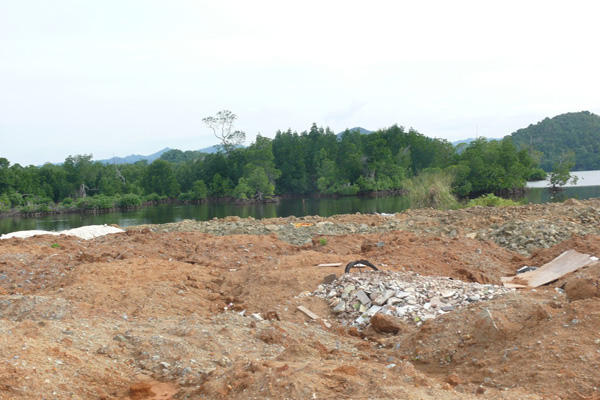
However, enforcement is complicated by complex land ownership issues. Petronela Maruje pointed out that some land conversions occurred after the signing of land release documents by traditional leaders (Ondoafi). This highlights a tension between traditional land rights and modern conservation goals, where short-term financial gains from land sales often outweigh the long-term communal benefits of a healthy ecosystem.
Broader Implications: Climate, Culture, and the Future
The disappearance of the Youtefa mangroves has far-reaching consequences that extend beyond the borders of Jayapura. Mangroves are among the most carbon-rich forests in the tropics. Their destruction releases massive amounts of carbon dioxide into the atmosphere, exacerbating global warming. Locally, the loss of these forests means the city of Jayapura is becoming hotter and more vulnerable to coastal erosion and tidal flooding (rob).
Anna M. Labok, a lecturer in Urban and Regional Planning at USTJ, argues that the mangroves are central to the identity of the indigenous people of Youtefa Bay. "If the mangroves change, the identity of the people changes," she said. She recommends a shift toward "ecotourism"—a model where the forest is preserved as an attraction rather than cleared for infrastructure. This would require strict limits on construction and a robust waste management system that prevents city trash from entering the bay.
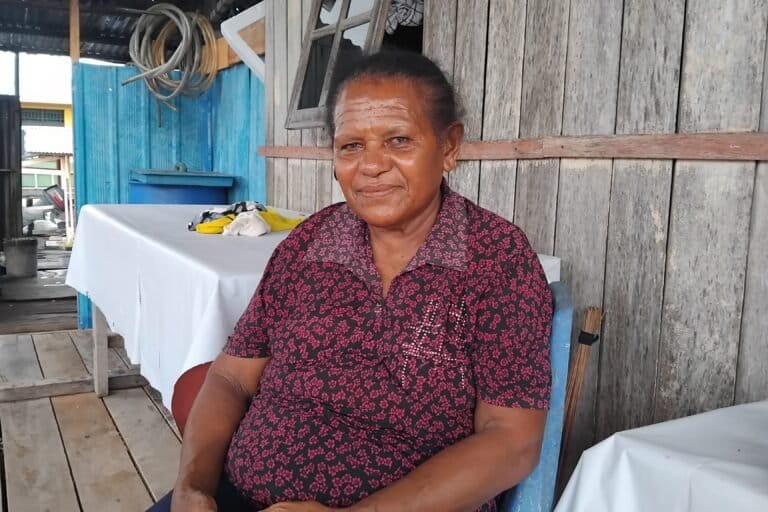
The research from Cenderawasih University echoes this sentiment, noting that the destruction of the mangroves severs the social and cultural ties of the community. For the women of Enggros and Tobati, the forest is a place of intergenerational knowledge transfer. As the forest dies, the traditional practices of gathering and the oral histories associated with the bay are also at risk of being lost.
Conclusion: A Call for Sustainable Collaboration
The survival of the Youtefa Bay mangroves requires more than just occasional police raids; it demands a fundamental shift in how the city of Jayapura views its coastal assets. The current trajectory of "development at any cost" is proving to be self-defeating, as it destroys the natural barriers that protect the city and the food sources that sustain its people.
Experts and community leaders agree that the way forward must involve the active participation of indigenous communities. Strengthening local customs, delineating clear ancestral boundaries, and integrating traditional wisdom into government policy are essential steps. Without a concerted effort to stop the "plastic tide" and halt illegal land reclamation, the "guardians of the bay" may soon disappear entirely, leaving Jayapura vulnerable to the rising seas and a warmer, less resilient future. The tragedy of Youtefa Bay serves as a stark reminder that true progress cannot be measured in concrete and asphalt alone, but in the health of the ecosystems that make human life possible.