Chalifah Fatihah
The ongoing prevalence of digestive issues in children, often dismissed as commonplace by many parents, warrants a deeper understanding of the critical role the gastrointestinal tract plays beyond mere food processing. This complex system is fundamental to nutrient absorption, growth, development, and a child’s overall comfort and engagement in daily activities. Recurring digestive disturbances can signal an imbalance in the gut microbiota, the intricate community of microorganisms residing within the digestive tract. If unaddressed from an early age, such imbalances can have far-reaching consequences, impacting not only digestive health but also potentially hindering a child’s holistic development.
Dr. Ariani Dewi Widodo, a Pediatric Gastroenterologist and Hepatologist, emphasizes that the health of a child’s digestive system is far more significant than commonly perceived. "A child’s digestive tract is not merely an organ for digestion, but a complex and evolving system. The balance of the gut microbiota is crucial, as it profoundly influences nutrient absorption and a child’s daily comfort," Dr. Ariani stated in a written release. She further elaborated that digestive health is not solely a medical concern but is intrinsically linked to the overall quality of life for both the child and their family. Therefore, prioritizing digestive health from infancy is a vital step in enabling children to grow comfortably, remain active, and reach their full developmental potential.
The Triple Signs of a Healthy Digestive System
To assist parents in recognizing their child’s digestive health status, experts have introduced the concept of "Triple Signs," a straightforward set of three indicators for a healthy gastrointestinal tract.
The first sign is "golden poop," referring to stools of normal color and consistency. This is typically characterized by a golden-yellow hue, with a texture that is neither excessively loose nor hard.
The second sign is regular bowel movement frequency, which should align with the child’s age.
The third sign is a low risk of digestive disorders, indicated by the child experiencing fewer recurrent digestive complaints.
These three indicators collectively reflect a healthy balance of gut microbiota and optimal digestive function. When these signs are not consistently met, parents are strongly advised to consult with a healthcare professional for appropriate diagnosis and management.
Beyond Digestion: The Far-Reaching Impact on Child Development
The health of a child’s digestive system is intricately connected to various facets of their growth and development. When the digestive system functions optimally, its benefits extend broadly, influencing everything from mood to physical stature.
Children with healthy digestive systems tend to experience greater comfort, leading to increased cheerfulness and active participation in daily life. This positive state can also foster enhanced cognitive development, improved motor skills, and greater social engagement. Furthermore, efficient nutrient absorption plays a pivotal role in supporting physical growth, including the attainment of age-appropriate weight and height.
Ray Wagiu Basrowi, Medical & Scientific Affairs Director at Danone Indonesia, highlights the ongoing need to enhance public literacy regarding children’s digestive health. "We recognize that parental concerns about a child’s poor appetite, discomfort, or suboptimal growth often stem from unrecognized digestive issues," Ray commented. He believes that science-based education and technological advancements can empower parents with better tools to monitor their child’s digestive health, enabling timely interventions to support optimal development. "Digestive health is not just about a child being free from stomachaches or constipation. A healthy digestive tract serves as a critical foundation for nutrient absorption, growth, development, and an overall improved quality of life for the child," he concluded.
The Gut-Brain Axis: A Crucial Connection
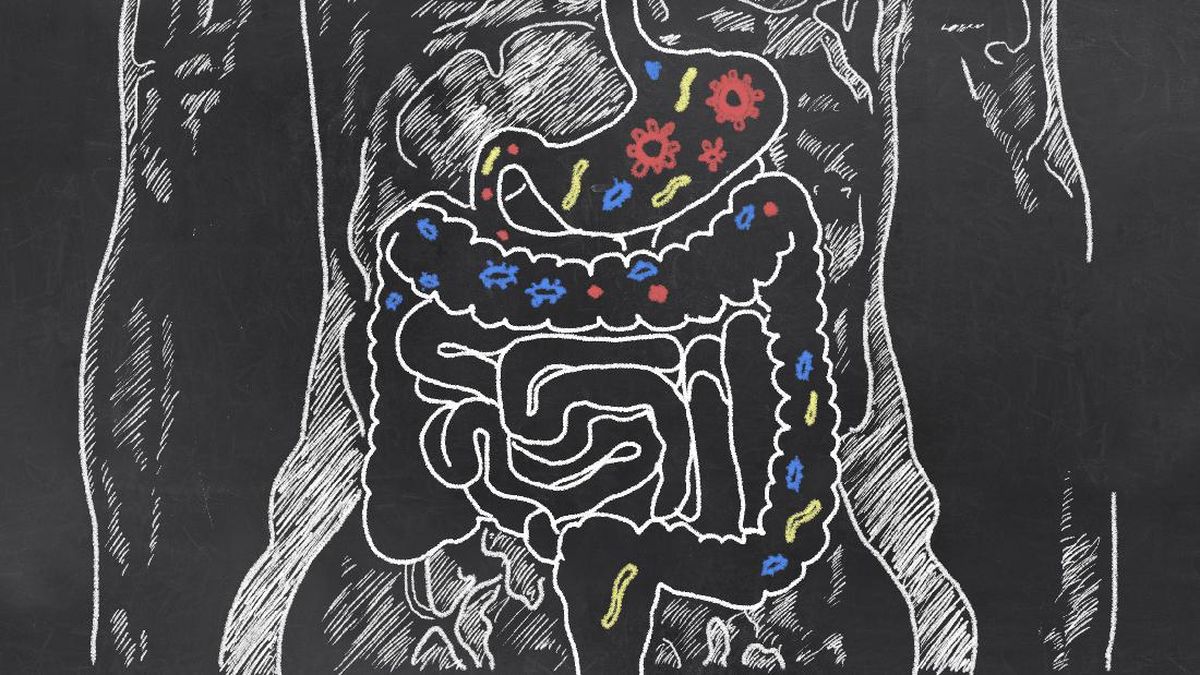
The profound influence of the gut on a child’s overall well-being is increasingly being understood through the lens of the gut-brain axis. This bidirectional communication pathway between the gastrointestinal tract and the central nervous system plays a significant role in regulating mood, behavior, and cognitive functions.
Research indicates that the composition of the gut microbiota can impact the production of neurotransmitters, such as serotonin, which is crucial for mood regulation. Imbalances in gut bacteria have been linked to increased risks of anxiety, depression, and behavioral issues in children. Therefore, nurturing a healthy gut microbiome from an early age is not only beneficial for physical health but also for the psychological and emotional development of a child.
A study published in the journal Nature in 2020, for instance, explored the connection between the gut microbiome and early childhood development. It found that specific bacterial profiles were associated with better cognitive outcomes and improved social interaction skills in toddlers. This underscores the importance of a balanced gut ecosystem for optimal brain development.
Nutritional Absorption: The Building Blocks of Growth
The digestive system’s primary role in nutrient absorption is paramount for a child’s physical growth and development. Essential vitamins, minerals, and macronutrients are broken down and absorbed in the intestines, providing the building blocks for everything from bone development to immune system function.
When the digestive system is compromised, nutrient absorption can be significantly impaired. This can lead to deficiencies, even if a child consumes a seemingly adequate diet. Consequences can include stunted growth, weakened immunity, and increased susceptibility to infections. Conditions like celiac disease, lactose intolerance, and inflammatory bowel disease are prime examples of how digestive disorders can directly impact a child’s nutritional status and overall health.
For instance, children with untreated celiac disease, an autoimmune disorder triggered by gluten, experience damage to the small intestine, severely hindering nutrient absorption. This can result in malnutrition, failure to thrive, and a host of other health complications. Early diagnosis and appropriate dietary management are crucial in such cases to mitigate long-term developmental impacts.
The Microbiome’s Role in Immune Development
The gut microbiome plays a pivotal role in the development and maturation of a child’s immune system. From birth, exposure to a diverse range of microorganisms helps train the immune system to distinguish between harmful pathogens and beneficial microbes.
A balanced gut microbiome contributes to the development of immune tolerance, reducing the risk of allergies and autoimmune diseases. Conversely, disruptions to the microbiome, often caused by factors such as antibiotic use, C-section birth, or an unhealthy diet, can lead to an overactive or dysregulated immune response. This has been linked to a rise in allergic conditions like asthma, eczema, and food allergies, as well as autoimmune disorders.
A 2019 review in Cell highlighted that the gut microbiota acts as a crucial interface between the host and the environment, shaping the development of both innate and adaptive immunity. It emphasized that early-life microbial colonization is critical for establishing long-term immune health and preventing immune-mediated diseases.
Long-Term Implications: Setting the Stage for Lifelong Health
The habits and health of a child’s digestive system established in early childhood can have lasting implications for their lifelong health and well-being. A robust digestive system in childhood lays the foundation for better nutrient utilization, a stronger immune system, and improved mental health throughout adolescence and adulthood.
Conversely, chronic digestive issues in childhood can contribute to a higher risk of developing chronic diseases later in life, including obesity, type 2 diabetes, inflammatory bowel disease, and certain types of cancer. Investing in the digestive health of children is therefore an investment in their future health outcomes.
The long-term perspective on pediatric digestive health is gaining traction in public health initiatives. Organizations are increasingly focusing on promoting healthy eating habits, advocating for responsible antibiotic use, and supporting breastfeeding to foster a healthy gut microbiome from the earliest stages of life.
Expert Endorsement and Public Health Initiatives
The emphasis on early childhood digestive health is not merely anecdotal; it is supported by a growing body of scientific evidence and echoed by pediatric health organizations worldwide. The principles of "golden poop," regular bowel movements, and reduced digestive complaints are widely accepted as indicators of good gut health by pediatricians and gastroenterologists.
Public health campaigns often aim to educate parents about the importance of fiber-rich diets, adequate hydration, and regular physical activity, all of which contribute to a healthy digestive system. Furthermore, initiatives promoting the understanding and management of common childhood digestive issues, such as constipation and colic, are crucial in alleviating parental stress and ensuring children receive timely care.
The collaboration between healthcare professionals, food manufacturers, and public health bodies is essential in disseminating accurate information and promoting evidence-based practices. Danone Indonesia’s commitment, as mentioned by Ray Wagiu Basrowi, to enhancing public literacy through science-based education and technological integration exemplifies a proactive approach to addressing this critical aspect of child health.
In conclusion, the seemingly simple act of ensuring a child has healthy digestion is a complex and multifaceted endeavor with profound implications for their immediate comfort, developmental trajectory, and long-term health. By understanding and recognizing the "Triple Signs" and by embracing a holistic approach to gut health, parents can play a crucial role in nurturing their children into healthy, thriving individuals. The ongoing dialogue and research in this field continue to underscore the gut’s central role, not just in processing food, but in shaping a child’s entire being.