Nila Kartika Wati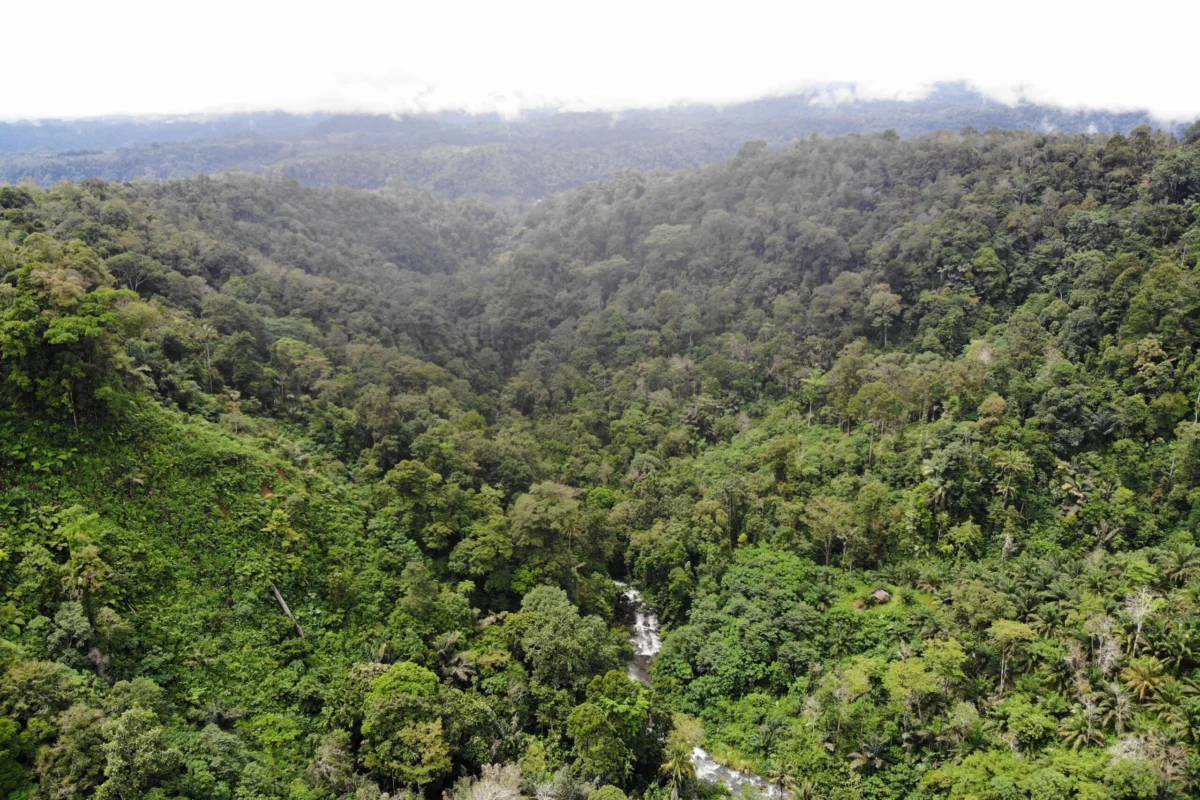
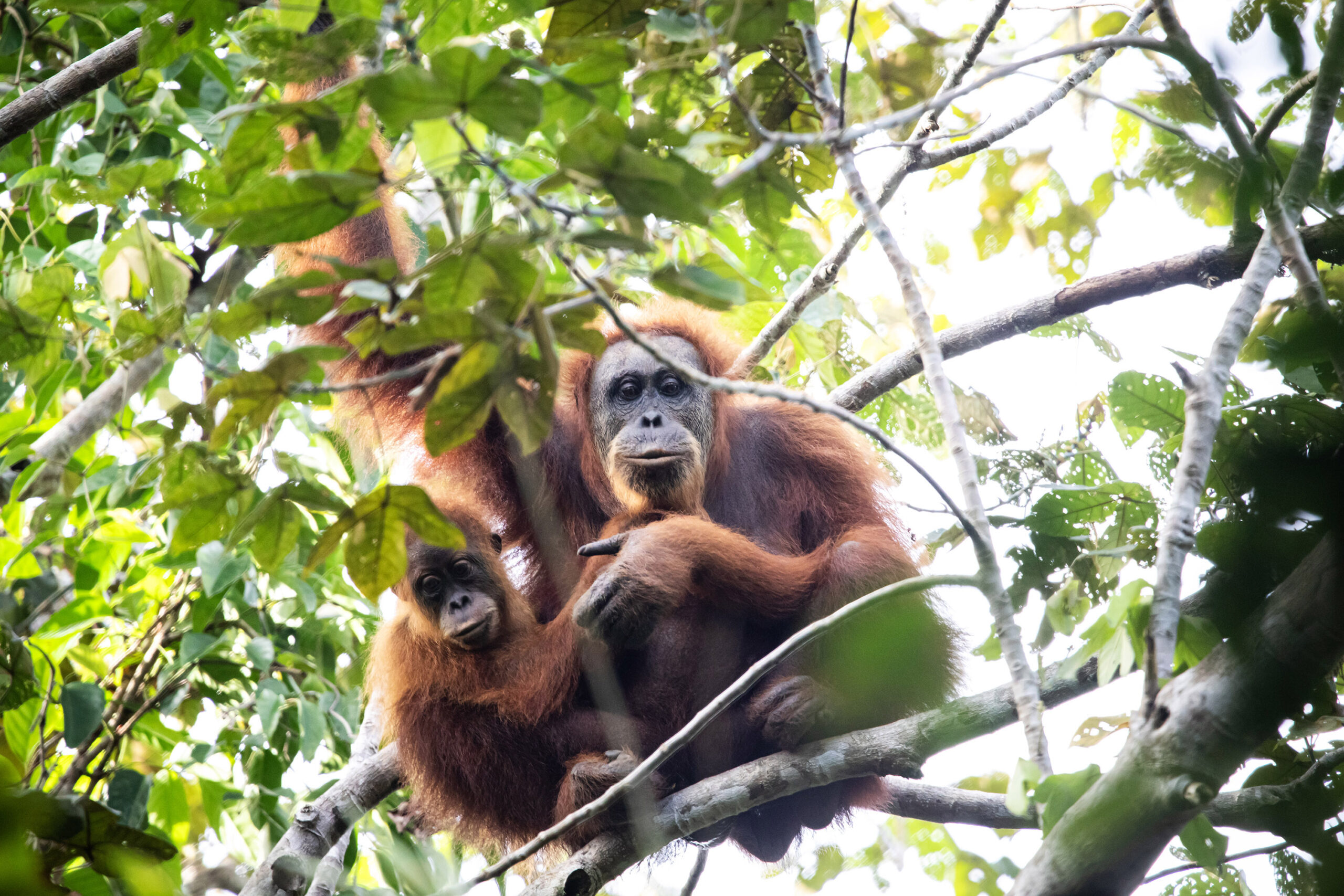
The critically endangered Tapanuli orangutan (Pongo tapanuliensis) has suffered a devastating blow to its already precarious population following catastrophic flash floods and landslides that struck North Sumatra in late November 2025. Recent scientific surveys and satellite data analysis indicate that between 33 and 58 individuals—representing approximately 10% of the total known population—likely perished as a result of the natural disaster. The loss of these great apes, which were only recognized as a distinct species in 2017, underscores the growing threat that climate-induced extreme weather events pose to biodiversity hotspots already weakened by habitat fragmentation and human encroachment.
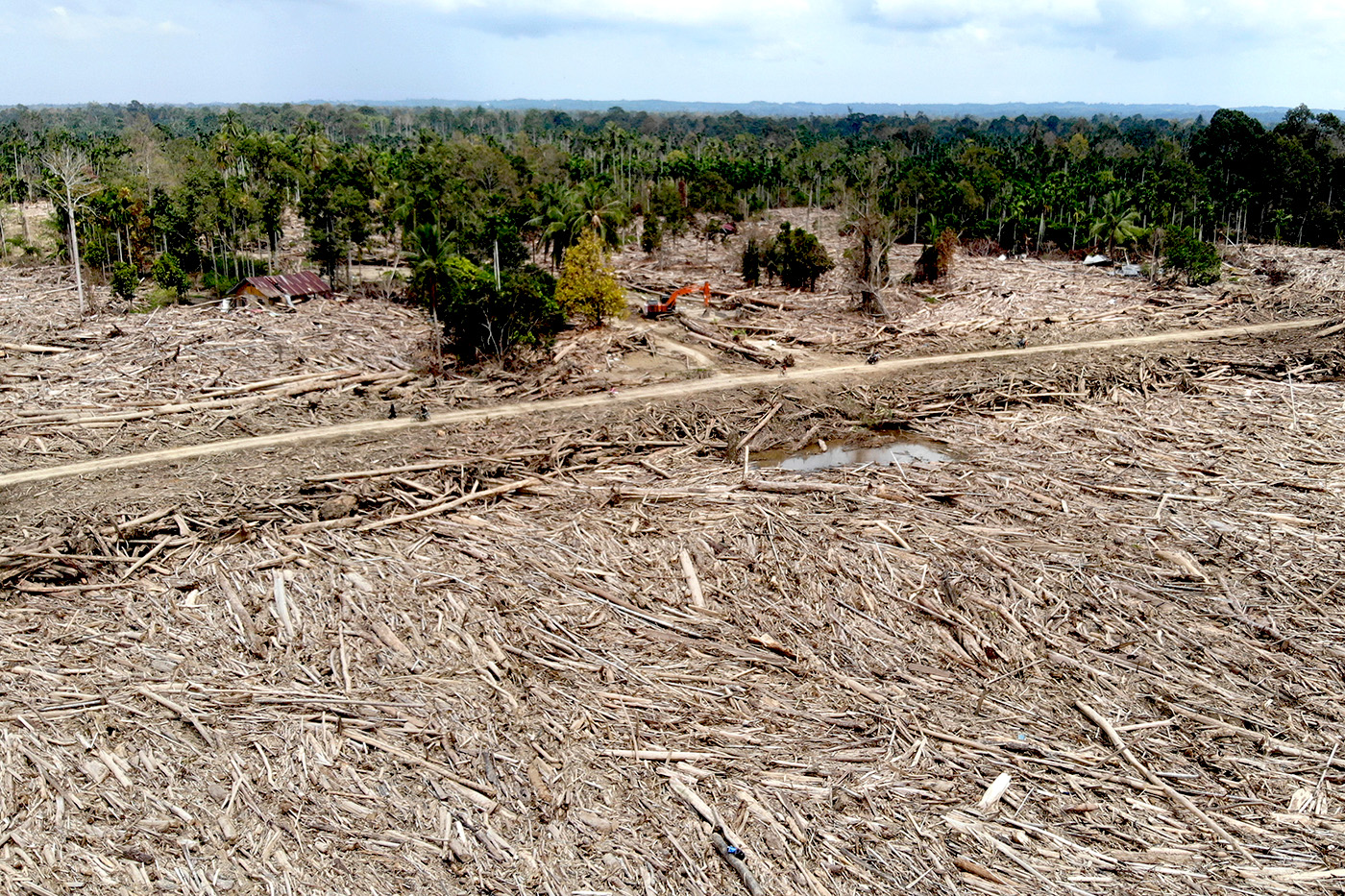
Researchers estimate that prior to the disaster, the population of Tapanuli orangutans stood at roughly 581 individuals. The floods and landslides, which ravaged the Batang Toru ecosystem, particularly impacted the West Block, a primary habitat for the species. According to data compiled by Erik Meijaar, a lead researcher from Liverpool John Moores University and the Durrell Institute of Ecology and Conservation at the University of Kent, the scale of the environmental destruction is immense. Satellite imagery confirms that approximately 8,303 hectares of forest cover were obliterated during the extreme rainfall event, leaving the remaining population more isolated and vulnerable than ever before.
The Scientific Assessment of the 2025 Disaster
The findings, published in a study titled "Extreme Rainfall Event in Sumatra Caused Critical Habitat Loss and Lethal Impacts to the Critically Endangered Tapanuli Orangutan" on preprints.org in February 2026, provide a sobering look at the intersection of climate change and extinction risk. Meijaar’s team utilized four distinct satellite images to compare land cover before and after the November floods. The analysis revealed that the sheer force of the landslides and falling timber, combined with the inundation of lowland areas, created a lethal environment for the arboreal mammals.
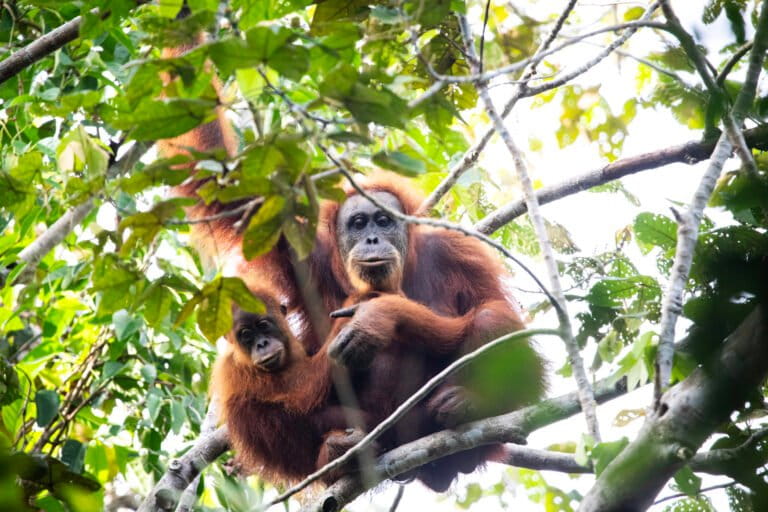
"Without immediate and decisive intervention, the Tapanuli orangutan faces a very real risk of becoming the first great ape species to go extinct in modern times," Meijaar warned in his report. The study emphasizes that while habitat loss from mining, hydroelectric projects, and agriculture has long been the primary driver of the species’ decline, the increasing frequency of "extreme weather shocks" could provide the final push toward extinction. The loss of 10% of a population in a single event is a biological catastrophe from which small, slow-breeding populations rarely recover without intensive management.
Chronology of a Species at the Brink
The Tapanuli orangutan’s journey through modern conservation history has been a race against time. Although local communities have known of their existence for generations, it was only in 2017 that scientists confirmed through genetic and morphological analysis that the population in the Batang Toru forest was a separate species from the Sumatran (Pongo abelii) and Bornean (Pongo pygmaeus) orangutans. At the time of their discovery, they were immediately classified as the rarest great ape in the world.
By 2021, various conservation groups, including the Orangutan Information Centre (OIC), conducted surveys that revealed the population was restricted to three main blocks: the West, East, and South (Sibual-Buali) blocks of the Batang Toru ecosystem. These blocks were already becoming increasingly fragmented by road construction and industrial development. In 2024, a glimmer of hope appeared when a survey by the Yayasan Orangutang Sumatera Lestari (YOSL-OIC) identified a previously unknown habitat in the peat forests of Lumut Maju Village, Central Tapanuli. However, the November 2025 floods have largely overshadowed these gains, proving that even "new" habitats are not safe from the broader impacts of a changing climate.
Government and Institutional Responses
In the wake of the disaster, the North Sumatra Natural Resources Conservation Agency (BBKSDA) has moved to assess the damage and formulate a recovery plan. Novita Kusumawardhani, Head of the North Sumatra BBKSDA, recently outlined a collaborative strategy involving the World Wildlife Fund (WWF) to conduct a Population and Habitat Viability Analysis (PHVA). This scientific method will serve as the foundation for a revised conservation roadmap that accounts for post-disaster landscape changes.

During a conservation forum hosted by the Indonesian Wildlife Conservation Forum (FOKSI) in March 2026, Kusumawardhani offered a slightly more cautious perspective on the mortality rates. She suggested that while many orangutans were undoubtedly affected by the destruction of their nesting trees and food sources, some may have successfully migrated to safer areas. "The impact can be direct, such as casualties, or indirect, where the habitat is lost to landslides. We estimate between 35 and 50 individuals may have been forced to move to higher or more stable ground," she stated.
However, Kusumawardhani acknowledged that for a species with such a limited range, even a 1% loss is more critical than a 10% loss in more populous species found in Kalimantan. To address this, the Governor of North Sumatra has issued a decree for the formation of the Batang Toru Ecosystem Protection Working Group. This multi-stakeholder task force includes local government officials, private sector representatives, and community leaders aimed at creating a unified front for habitat restoration.
The Role of Corporate Responsibility and Biodiversity Offsets
A significant portion of the Tapanuli orangutan’s remaining habitat lies outside of formally protected conservation areas. Much of the land is categorized as "Protected Forest" or "Production Forest," which often overlaps with mining concessions and hydroelectric projects. The BBKSDA is now pushing for the implementation of "biodiversity offsets"—measurable conservation actions designed to compensate for the residual adverse impacts of development projects.
The government is urging companies operating within the Batang Toru landscape to adopt Better Management Practices (BMP). This includes the construction of ecological corridors that allow orangutans to move between fragmented forest patches without coming into conflict with humans or industrial machinery. "We want to save the orangutans without necessarily relocating them from their original habitats," Kusumawardhani explained. "Many companies simply do not have the technical expertise to manage these corridors, and that is where we are stepping in with technical support."
The goal is to ensure that even in areas where timber is legally harvested or land is used for industry, the specific needs of the orangutans—such as canopy connectivity and the preservation of fruit-bearing trees—are prioritized.
Community Involvement and Conflict Mitigation
Beyond the high-level policy changes, the survival of the Tapanuli orangutan depends heavily on the communities that share the forest. Aldrianto Priadjati, Chairman of the Indonesian Orangutan Forum (Forina), highlighted that local wisdom in Tapanuli has historically favored the protection of the species. Many villages have traditional laws that protect water sources, which inadvertently protects the high-altitude forests the orangutans call home.
"There is generally a positive interaction here," Priadjati noted. "However, when disasters strike and forest food sources disappear, we see an increase in crop-raiding." During durian and fruit seasons, orangutans often venture into community plantations. To prevent lethal conflict, FORINA and BBKSDA are training villagers in non-violent deterrent methods. Instead of using air rifles, communities are encouraged to use noise and light to drive the apes back into the forest. In extreme cases where an animal is stranded or injured, evacuation and translocation teams are deployed to move the individuals to safer, deeper parts of the Batang Toru ecosystem.
Broader Implications and the Path to Restoration
The disaster in North Sumatra serves as a global warning. The Tapanuli orangutan is now a "sentinel species" for climate change. Their decline signals the breakdown of an entire ecosystem that provides essential services to humans, including water regulation and carbon sequestration. The loss of 8,303 hectares of forest does not just mean fewer orangutans; it means an increased risk of future floods and landslides for the human populations living downstream.
The international community has begun to respond to the call for help. Researchers are advocating for an emergency protection status that would halt all destructive development within the Batang Toru landscape. This would include a massive lowland forest restoration project, funded by global climate funds, to recreate the "buffer zones" that were lost in the 2025 floods.
As the BBKSDA and its partners finalize the PHVA and the new conservation action plan, the focus remains on resilience. The Tapanuli orangutan has survived in isolation for thousands of years, but the combination of rapid industrialization and a volatile climate has brought it to its knees. The events of November 2025 may either be remembered as the beginning of the end for the species or as the catalyst for the most significant conservation turnaround in Indonesian history. The outcome depends entirely on whether the current calls for collaborative, immediate action result in permanent protection for the Batang Toru wilderness.