Hadi Wijaya
The decision to remain childfree, a choice where individuals or couples voluntarily opt not to have biological or adopted children, has become a subject of intense public discourse in Indonesia. Nuzulia Rahma Tristinarum, a prominent family psychologist, counselor, and author, has highlighted that the motivations behind such a life-altering decision are multifaceted, often rooted in a complex interplay of conscious desires and subconscious psychological drivers. According to Tristinarum, commonly known as Lia, these motivations frequently stem from past experiences that shape an individual’s perception of parenthood, sometimes leading to a definitive choice that the individual may not fully realize is a protective mechanism.
In a comprehensive analysis of the childfree movement, Lia identifies several core pillars that influence this decision, ranging from deep-seated childhood trauma to modern economic pressures and evolving social values. As the conversation around childfree lifestyles gains momentum on social media platforms, psychological experts are urging a deeper look into the "why" behind the trend, moving beyond surface-level debates to understand the underlying mental and societal health implications.
The Psychological Blueprint: Trauma and Perceived Responsibility
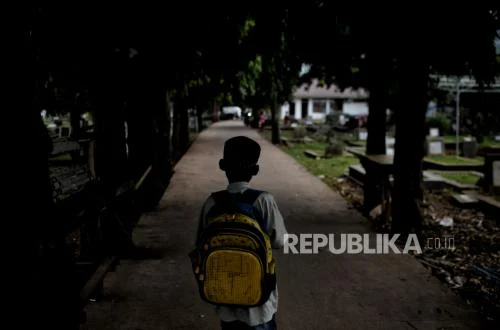
One of the most significant factors identified by Lia is the impact of childhood trauma. In many clinical cases, individuals who choose a childfree life have a history of parental neglect or domestic instability. Lia cites a specific scenario where a child, left primarily in the care of abusive or negligent domestic workers while parents were absent, grows up with a distorted view of the parental role. If a child is subjected to physical or verbal abuse during their formative years, they may develop a subconscious association between childhood and suffering.
This trauma often manifests as a hyper-responsibility toward potential future generations. Lia explains that such individuals may adopt the mindset that it is better to have no children at all than to risk bringing a child into a world where they might be "wasted" or mistreated. This is not necessarily an act of selfishness, as critics often claim, but rather a manifestation of a "wounded inner child" attempting to prevent the recurrence of past pain. For these individuals, the decision is framed as an act of mercy and responsibility—ensuring that no child has to endure the lack of emotional or physical security they once experienced.
Socio-Economic Pressures and the Sandwich Generation
Beyond psychological trauma, the practicalities of modern life play a decisive role. Indonesia is currently home to a large "sandwich generation"—adults who are simultaneously supporting their aging parents and their own siblings or extended family. For many in this position, the prospect of adding a child to the financial equation is overwhelming. Lia notes that economic unreadiness is a primary driver for both men and women.
In the Indonesian context, the role of the "breadwinner" carries heavy cultural weight. Men, in particular, may opt for a childfree marriage if they feel they cannot meet the financial demands of providing a high quality of life for a child while already bearing the burden of their extended family’s welfare. This financial pragmatism is often linked to the rising cost of education and healthcare in urban centers, where the "ideal" standard of child-rearing has become increasingly expensive.
Furthermore, some couples enter marriage with the explicit goal of companionship rather than procreation. Lia points out that some individuals wish to enjoy the intimacy and legality of marriage without the added responsibility of child-rearing. They may be unwilling to sacrifice their current lifestyle or are simply honest about their lack of "parental instinct," choosing to avoid parenthood rather than engaging in it half-heartedly or risking neglect.
The Myth of Youthfulness and Physical Preservation
A controversial aspect of the childfree debate involves the desire to maintain physical appearance or "eternal youth." Some proponents of the childfree lifestyle suggest that avoiding the physical toll of pregnancy and the stress of parenting contributes to a more youthful appearance. However, Lia provides a fact-based rebuttal to this notion, clarifying that aging is a multi-factorial biological process.
Physical appearance and the rate of aging are influenced by genetics, hormonal balances, sleep quality, nutrition, and overall lifestyle choices. While the stress of parenting can certainly impact health, it is scientifically inaccurate to claim that being childfree is a guaranteed "fountain of youth." Lia emphasizes that many parents maintain exceptional health and vitality, while childfree individuals may still face premature aging due to other environmental or biological factors.
The Influence of Digital Trends and Global Values
The rise of the childfree movement in Indonesia cannot be separated from the influence of social media and globalized values. In early 2023, the topic reached a fever pitch in the Indonesian digital landscape following statements by high-profile influencers who championed the lifestyle. This "trend" element, as Lia describes it, often attracts individuals who find their own unexpressed feelings validated by public figures.
The shift from collectivist traditional values—where "many children bring many fortunes" (banyak anak banyak rejeki)—to more individualistic perspectives is a hallmark of this transition. Younger generations are increasingly prioritizing personal autonomy, career development, and mental well-being over traditional milestones. When these shifting values intersect with personal experiences or financial constraints, the childfree choice becomes a logical conclusion for many.
Institutional Responses and the Demographic Context
The growing visibility of the childfree choice has prompted reactions from various Indonesian institutions. The National Population and Family Planning Board (BKKBN) has expressed concern regarding the potential long-term impact on the country’s demographic dividend. If a significant portion of the productive-age population chooses not to have children, Indonesia could eventually face the challenges currently seen in nations like Japan or South Korea, where an aging population and a shrinking workforce threaten economic stability.
Religious organizations, including the Indonesian Ulema Council (MUI), have also weighed in, generally maintaining that the primary purpose of marriage in Islam is to sustain the human race and build a family. While recognizing the complexity of individual health or economic circumstances, religious leaders often encourage couples to view children as a blessing rather than a burden.
Analysis: Implications for the Future of the Indonesian Family
The childfree phenomenon serves as a mirror to the current state of social and mental health in Indonesia. The fact that trauma is a leading cause suggests a critical need for better mental health support and parenting education across the country. If the fear of "repeating the cycle" of abuse is driving the birth rate down, the solution may lie in healing the current generation of parents rather than simply debating the choices of their children.
From an economic perspective, the trend highlights the necessity for stronger social safety nets. If the "sandwich generation" felt less pressure to support multiple generations of their extended family, the financial barrier to parenthood might be lowered. The decision to remain childfree is, in many ways, a rational response to an environment where the costs of living are high and the emotional support systems are perceived as fragile.
Chronology of the Debate in Indonesia
The childfree discussion in Indonesia has evolved through several distinct phases:
- Pre-2020: The topic was largely taboo and rarely discussed in public forums.
- 2021-2022: Increased visibility on platforms like Twitter and YouTube, as Indonesians living abroad began sharing their experiences with voluntary childlessness.
- February 2023: A massive surge in public interest following viral social media comments by Indonesian influencers. This period saw a significant increase in psychologists, like Lia, providing expert commentary to help the public navigate the polarized debate.
- Present: The conversation has shifted toward a more nuanced understanding of "reproductive autonomy," though it remains a point of contention between traditionalists and progressives.
Conclusion
The decision to be childfree is rarely a whim; as Nuzulia Rahma Tristinarum explains, it is often the result of deep psychological processing, economic calculation, and a reaction to one’s environment. Whether driven by a desire to break a cycle of trauma, a need for financial stability, or a shift in personal values, the trend reflects a broader evolution in how Indonesians define family and success. As the nation moves forward, the focus may need to shift from judging individual choices to addressing the systemic issues—such as mental health, economic inequality, and the burden on the sandwich generation—that make the childfree path an increasingly attractive or necessary option for many.