Bambang Pamungkas
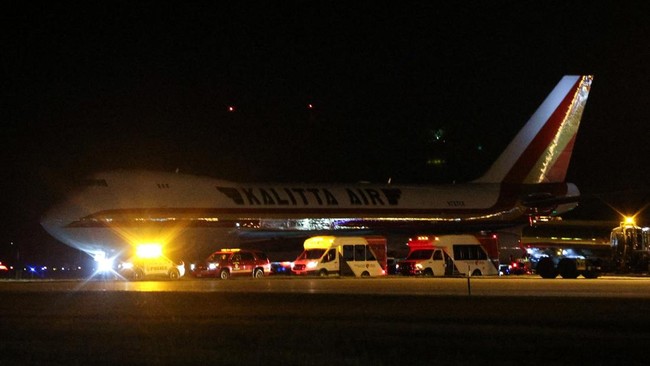
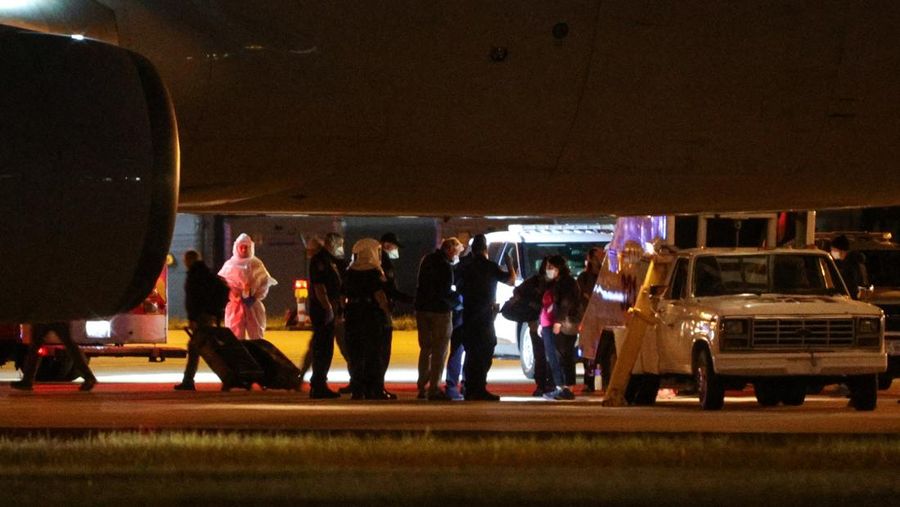
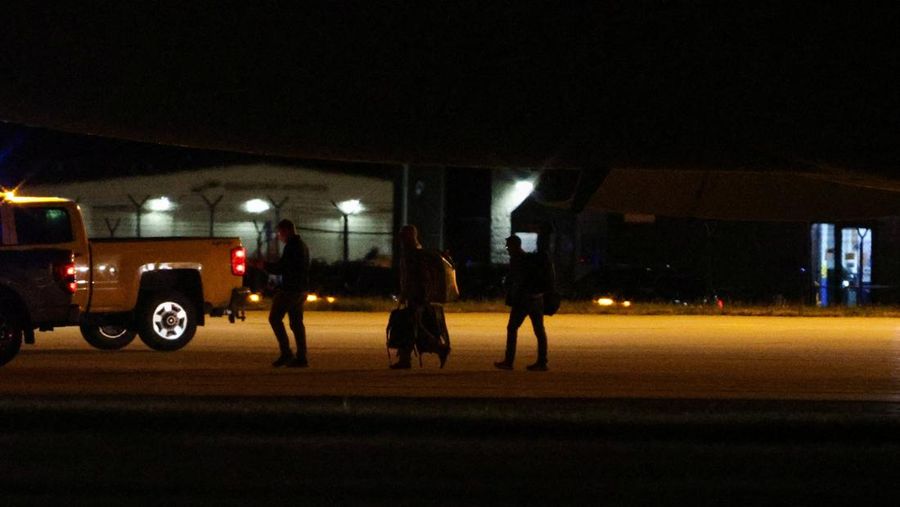
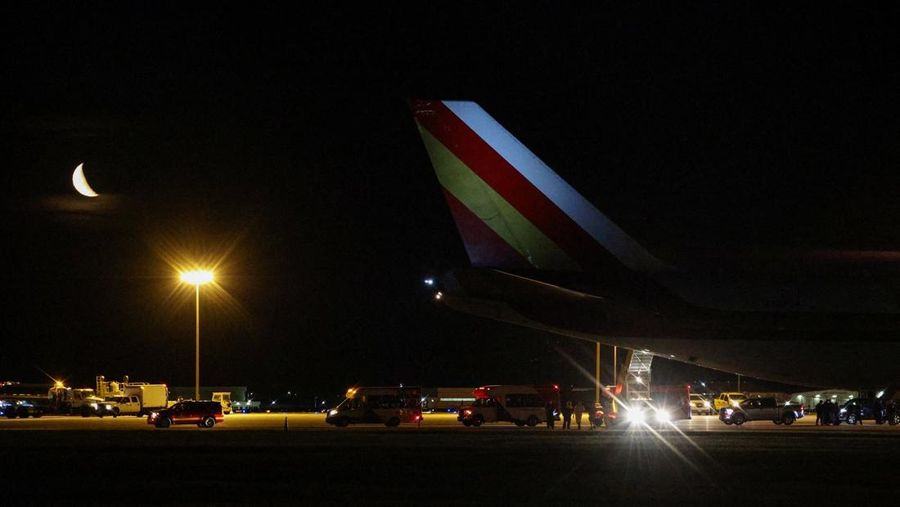
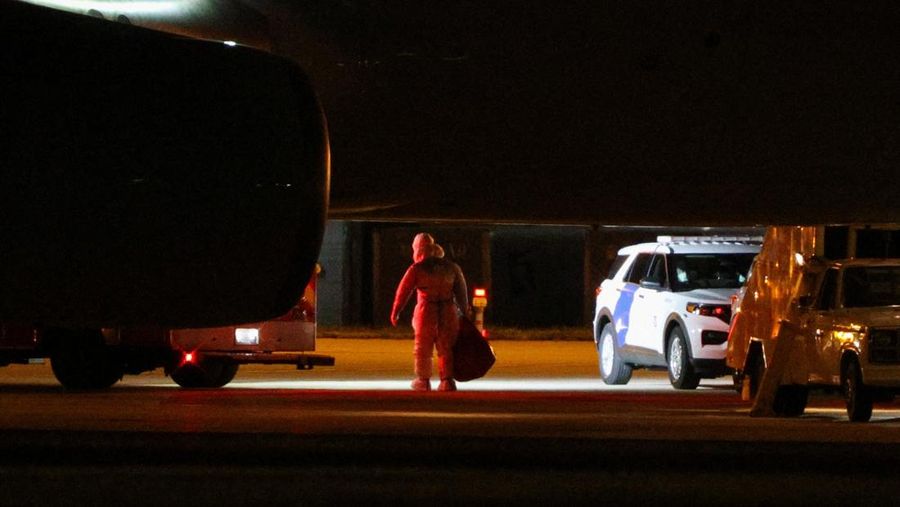
The United States government has executed a critical and complex medical evacuation operation, dispatching a specially equipped charter aircraft to retrieve American citizens from the MV Hondius cruise ship, which has been grappling with a severe hantavirus outbreak. The unprecedented airborne retrieval saw passengers arrive at Eppley Airfield in Omaha, Nebraska, on Monday, May 11, 2026, where they were met by a highly specialized medical team clad in full biohazard protective gear. This urgent measure was necessitated by the dire situation aboard the expedition vessel, where the hantavirus outbreak has tragically claimed three lives and left several others severely ill, sparking significant public health concerns across six U.S. states now under heightened surveillance.
The Unfolding Crisis Aboard MV Hondius
The MV Hondius, an ice-strengthened expedition cruise ship operated by Oceanwide Expeditions, typically navigates the pristine, remote waters of the Arctic and Antarctic, offering passengers unique wildlife and wilderness experiences. It has a capacity for approximately 170 passengers and 70 crew members. However, the vessel’s journey took a dramatic and unforeseen turn when a mysterious illness began to manifest among passengers and crew. Initial reports of severe respiratory distress and unexplained fevers quickly escalated, leading to the identification of hantavirus as the causative agent. This particular pathogen, usually associated with rodent droppings and urine in terrestrial environments, presents an unusual and alarming threat aboard a maritime vessel.
The outbreak was first confirmed in early May 2026, while the MV Hondius was reportedly in the vicinity of the Canary Islands, a popular stopover for many Atlantic voyages. The swift progression of the disease, characterized by the severe form known as Hantavirus Pulmonary Syndrome (HPS), led to a rapid deterioration in the health of infected individuals. The tragic deaths of three passengers underscored the virulence and high mortality rate associated with HPS, prompting immediate and decisive action from health authorities and governments whose citizens were on board. The cruise line, Oceanwide Expeditions, immediately initiated emergency protocols, including isolating affected individuals and collaborating with international health organizations to manage the crisis. The precise origin of the hantavirus on the ship remains under investigation, with experts exploring possibilities ranging from a passenger or crew member contracting the virus prior to boarding and becoming symptomatic at sea, to an unlikely but possible rodent infestation in a specific area of the ship during a port call.
Hantavirus: A Silent Threat
Hantaviruses are a group of viruses that can cause severe, sometimes fatal, diseases in people, such as Hantavirus Pulmonary Syndrome (HPS) and Hemorrhagic Fever with Renal Syndrome (HFRS). The specific strain involved in the MV Hondius outbreak is yet to be publicly identified, but the reported symptoms and fatalities strongly suggest HPS. HPS is a severe, often fatal, respiratory disease in humans caused by hantaviruses. It was first recognized in 1993 during an outbreak in the Four Corners region of the southwestern United States. The primary hosts for hantaviruses are rodents, with each hantavirus type typically carried by a specific rodent species. For example, the Sin Nombre virus, the most common cause of HPS in North America, is carried by the deer mouse.
Transmission to humans occurs primarily through inhalation of aerosolized virus particles from rodent urine, droppings, or saliva. Less commonly, it can be spread through a bite from an infected rodent or by touching contaminated surfaces and then touching one’s nose or mouth. Human-to-human transmission of most hantaviruses is extremely rare, with the notable exception of the Andes virus, which has caused outbreaks of person-to-person spread in South America. Given the rapid spread and multiple cases on the ship, public health officials would be keenly investigating if the Andes virus or a similar strain capable of human-to-human transmission was at play, or if there was a widespread environmental contamination on the ship itself.
Symptoms of HPS typically begin 1 to 5 weeks after exposure and include fever, fatigue, and severe muscle aches, especially in the large muscle groups like the thighs, hips, back, and shoulders. Early symptoms can also include headaches, dizziness, chills, and abdominal problems such as nausea, vomiting, diarrhea, and abdominal pain. As the disease progresses, within 4 to 10 days after the initial symptoms, patients experience coughing and shortness of breath as their lungs fill with fluid. This rapid progression to severe respiratory distress is characteristic of HPS and is often the cause of death. The mortality rate for HPS is approximately 38%, making it a particularly dangerous pathogen. There is currently no specific treatment, cure, or vaccine for hantavirus infection; medical care is supportive, focusing on managing respiratory distress and maintaining oxygen levels, often requiring intensive care and mechanical ventilation.
The U.S. Response: A Coordinated Evacuation
The decision by the U.S. government to deploy a charter plane for the evacuation underscores the gravity of the situation and the commitment to safeguarding its citizens from severe infectious diseases. The operation involved meticulous coordination between multiple agencies, including the U.S. Department of State, the Centers for Disease Control and Prevention (CDC), and possibly the Department of Defense, given the specialized nature of the transport. The CDC’s involvement was paramount, with teams of public health experts deployed to the Canary Islands to assess the situation on the ground, provide medical guidance, and oversee the safe transfer of passengers. These experts were instrumental in identifying individuals requiring immediate medical attention and ensuring proper biohazard protocols were followed during the embarkation process.
The charter aircraft itself was not a typical passenger plane. It was likely configured as a medical transport, equipped with isolation units for critically ill patients and staffed by highly trained medical personnel capable of providing advanced life support in flight. The image of personnel in full biohazard protective suits assisting evacuees at Eppley Airfield highlights the extreme precautions taken to prevent further transmission of the virus. Each passenger underwent rigorous health screenings before boarding the flight and upon arrival in Omaha. The logistical challenges were immense, involving not only the safe transport of potentially infected individuals but also the careful management of uninfected passengers who had been in close proximity to the outbreak. This type of large-scale medical evacuation from an international location is a rare event, reserved for situations of significant public health threat.
Omaha’s Role: A Hub for Biocontainment
The choice of Omaha, Nebraska, as the arrival point for the evacuees was not coincidental. The city is home to the University of Nebraska Medical Center (UNMC) and its renowned Nebraska Biocontainment Unit (NBU). The NBU is one of the largest and most advanced biocontainment units in the United States, specifically designed to care for patients with highly infectious and dangerous diseases. Its capabilities include negative pressure rooms, sophisticated air filtration systems, and a highly trained staff experienced in donning and doffing personal protective equipment (PPE) and managing complex infectious disease protocols.
UNMC gained national and international recognition for its pioneering work during the 2014 Ebola virus outbreak, when it successfully treated multiple American healthcare workers who contracted the virus in West Africa. This experience cemented its reputation as a leading institution for infectious disease management and preparedness. Therefore, the arrival of hantavirus-exposed individuals in Omaha leveraged UNMC’s established infrastructure and expert personnel. Upon arrival, all U.S. passengers, regardless of their current health status, were immediately transported to the UNMC campus. They are scheduled to undergo a mandatory isolation period at the university’s specialized quarantine facility. This isolation period is crucial for monitoring their health, detecting any developing symptoms early, and preventing potential secondary spread within the United States. The facility provides individual rooms with dedicated medical care, mental health support, and amenities to ensure the comfort and well-being of the quarantined individuals.
Dr. Jeffrey Gold, Chancellor of UNMC, in an inferred statement, likely emphasized the institution’s readiness and expertise: "Our Nebraska Biocontainment Unit and our entire medical campus are prepared for situations like this. We have a robust system in place to ensure the safety of our patients, our staff, and the community. Our primary goal is to provide exceptional care to these individuals while meticulously preventing any further transmission of the virus." Governor Jim Pillen of Nebraska, in a similar inferred statement, would have likely reassured the public, stating, "Nebraska is proud to play a critical role in national public health preparedness. We welcome our fellow citizens and are confident in UNMC’s ability to manage this situation with the highest level of care and safety."
Broader Implications and Public Health Vigilance
The hantavirus outbreak on the MV Hondius and the subsequent U.S. evacuation highlight several critical implications for global public health and the travel industry. Firstly, it underscores the persistent threat of emerging and re-emerging infectious diseases, even in unexpected environments like modern cruise ships. While hantavirus is not typically associated with cruise travel, the incident serves as a stark reminder that pathogens can surface anywhere, challenging existing health and safety protocols.
The event will likely prompt a re-evaluation of health screening procedures for passengers and crew on all international voyages, particularly expedition cruises that may visit remote areas where exposure to zoonotic diseases could be higher. Cruise lines may face increased scrutiny regarding their sanitation practices, pest control measures, and emergency response plans for infectious disease outbreaks. This could lead to stricter guidelines from international maritime organizations and national health agencies.
Furthermore, the monitoring of six U.S. states for potential hantavirus cases demonstrates the expansive reach of public health surveillance. When travelers return from affected areas, even if they are asymptomatic, health officials must track their movements and contacts to mitigate any potential spread. This requires robust communication networks and data sharing between federal, state, and local health departments. Epidemiologists from the CDC will undoubtedly conduct a thorough investigation into the MV Hondius outbreak to determine the exact source, mode of transmission, and factors that contributed to its spread. Lessons learned from this incident will be vital for strengthening global health security and preparedness for future outbreaks, regardless of their origin or setting.
This incident also emphasizes the invaluable role of specialized medical facilities like the NBU. In an increasingly interconnected world, the ability to safely and effectively manage highly infectious diseases is paramount. Such units serve as critical assets in national and international efforts to contain outbreaks and protect public health. The continuous investment in research, training, and infrastructure for biocontainment and infectious disease management is essential to face the unpredictable challenges posed by pathogens.
Looking Ahead
As the evacuated passengers begin their mandatory isolation period at UNMC, medical teams will be diligently monitoring their health. Those who are confirmed to be infected will receive the best available supportive care, while others will be observed for the incubation period of the virus. The process will be emotionally taxing for the individuals involved, who have endured a traumatic experience far from home. Mental health support will be an integral part of their recovery process.
The MV Hondius, meanwhile, will undergo an intensive deep-cleaning and disinfection process, supervised by health authorities, before it can safely resume operations. The cruise line will face the challenge of restoring public confidence and demonstrating its commitment to passenger safety. This hantavirus outbreak on an expedition cruise ship serves as a powerful reminder that global travel, while offering incredible experiences, also carries inherent risks that demand constant vigilance and robust public health infrastructure to manage effectively. The coordinated, rapid response by the U.S. government and its partners in Nebraska stands as a testament to the nation’s commitment to protecting its citizens in the face of novel and dangerous health threats.