Bambang Pamungkas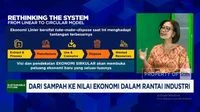
The Indonesian government, through the Ministry of Environment and Forestry (KLHK), has initiated a sweeping regulatory framework mandating Extended Producer Responsibility (EPR) for manufacturers, a critical step aimed at significantly curbing waste generation across the archipelago. This ambitious policy, which obliges producers to manage the entire lifecycle of their products and packaging—from initial design to post-consumption waste processing—seeks to achieve a substantial 30% reduction in waste by 2029. The directive underscores a pivotal shift in waste management paradigms, moving the burden of environmental impact from consumers and municipal services directly to the corporations responsible for bringing products to market. In a proactive response to this crucial legislative development, Kraft Heinz Indonesia, a prominent Fast-Moving Consumer Goods (FMCG) company, has publicly affirmed its readiness to adhere to the new EPR regulations, signaling a broader commitment within the industry towards more sustainable practices.
Understanding Indonesia’s Waste Predicament and the Genesis of EPR
Indonesia, an archipelagic nation with a rapidly growing population, grapples with an escalating waste crisis that poses severe environmental and public health challenges. Annually, the country generates an estimated 67-68 million tons of waste, a figure projected to rise further with increasing urbanization and consumption patterns. A significant portion of this waste, particularly plastic, ends up in landfills, is openly burned, or pollutes rivers and coastal areas, ultimately contributing to the global marine plastic crisis. Studies indicate that plastic waste constitutes around 15-16% of Indonesia’s total waste, with packaging playing a substantial role. The existing waste management infrastructure, often overwhelmed and underfunded, has struggled to cope with the sheer volume and complexity of waste streams, leading to widespread environmental degradation, including contaminated water sources, soil pollution, and biodiversity loss.
Recognizing the unsustainability of traditional ‘linear economy’ models (take-make-dispose), the Indonesian government has progressively sought more comprehensive solutions. The foundational legal framework for waste management, Law No. 18/2008 on Waste Management, laid the groundwork for a more structured approach. However, it became increasingly clear that a paradigm shift was needed to address the root causes of waste generation. This led to the development of the National Policy and Strategy on Waste Management (Jakstranas), which sets ambitious national targets for waste reduction and handling. The EPR policy, formalized through Ministry of Environment and Forestry Regulation No. P.75/2019 on Waste Reduction by Producers, emerged as a cornerstone of this broader strategy. This regulation explicitly outlines the responsibility of producers to formulate and implement waste reduction roadmaps, shifting the onus of waste management upstream in the supply chain.
The rationale behind EPR is rooted in the "polluter pays" principle, advocating that producers should bear a significant degree of responsibility for the environmental impacts of their products throughout their lifecycle. This mechanism incentivizes companies to design products that are more durable, reusable, recyclable, and contain less hazardous materials, thereby fostering innovation and promoting a circular economy. Globally, EPR schemes have proven effective in countries like Germany, France, and Canada, where they have significantly boosted recycling rates, reduced landfill reliance, and stimulated green industries. Indonesia’s adoption of EPR reflects a strategic alignment with international best practices in sustainable resource management.
The Mandate and its Mechanisms: A Closer Look at Indonesia’s EPR Framework
The Ministry of Environment and Forestry Regulation No. P.75/2019 mandates that producers develop and submit a detailed roadmap for waste reduction. This roadmap must outline concrete strategies and targets for minimizing waste from packaging, plastic products, and other consumer goods. The regulation applies to a wide range of producers, including those in the food and beverage, retail, and manufacturing sectors, placing particular emphasis on packaging waste due to its prevalence and environmental impact.
Key aspects of the Indonesian EPR framework include:
- Waste Reduction Targets: The overarching national target is a 30% reduction in waste by producers by 2029, a challenging but achievable goal that requires sustained effort and investment.
- Lifecycle Responsibility: Producers are responsible for the entire lifecycle, from eco-design principles that minimize material use and maximize recyclability, to facilitating collection, sorting, and recycling of post-consumer waste.
- Roadmap Submission: Companies must submit a detailed "Waste Reduction Roadmap" to the KLHK, outlining their strategies, timelines, and monitoring mechanisms for achieving the reduction targets. These roadmaps are subject to approval and regular review by the government.
- Implementation Strategies: Producers are expected to implement various strategies, including:
- Redesigning Products and Packaging: Innovating packaging to use less material, incorporate recycled content, or be easily recyclable/compostable (e.g., single-material packaging).
- Developing Take-Back Schemes: Establishing systems for collecting used products and packaging from consumers.
- Investing in Recycling Infrastructure: Collaborating with waste management companies, recyclers, and waste banks to improve collection, sorting, and processing capacities.
- Consumer Education: Raising awareness among consumers about proper waste segregation and recycling practices.
- Financial Contributions: Potentially contributing financially to the overall waste management system, especially for hard-to-recycle materials.
- Monitoring and Evaluation: The government is tasked with monitoring the implementation of these roadmaps and evaluating producer performance against their stated targets, with provisions for sanctions in cases of non-compliance.
This comprehensive approach aims to foster a circular economy, where resources are kept in use for as long as possible, extracting the maximum value from them whilst in use, then recovering and regenerating products and materials at the end of their service life. It represents a paradigm shift from treating waste as an end-of-pipe problem to integrating waste prevention and resource efficiency into core business strategies.
Kraft Heinz Indonesia’s Proactive Stance and the Broader Industry Response
In light of these stringent new regulations, Kraft Heinz Indonesia has emerged as an early adopter and vocal supporter of the EPR scheme. Mira Buanawati, General Counsel & Head of Government Affairs for Kraft Heinz Indonesia, articulated the company’s firm commitment, emphasizing the positive ramifications for both corporate governance and environmental stewardship. "This policy is considered to have a good impact on corporate governance and environmental sustainability, enabling corporations to be responsible for people, planet, and product," Buanawati stated, highlighting the company’s embrace of ESG (Environmental, Social, and Governance) principles.
As one of the largest FMCG companies globally, producing a vast array of food and beverage items, Kraft Heinz’s commitment carries significant weight. The company’s endorsement underscores a growing recognition within the private sector that sustainability is not merely a compliance issue but a strategic imperative. Buanawati further stressed Kraft Heinz’s strong support for strengthening the circular economy system, moving beyond mere waste management and reduction to actively contribute to environmental recovery.
For a company of Kraft Heinz’s scale, implementing EPR will involve a multi-faceted approach. This typically includes:
- Packaging Innovation: Investing in research and development to create more sustainable packaging solutions, such as reducing plastic usage, shifting to mono-materials for easier recycling, incorporating post-consumer recycled (PCR) content, or exploring compostable alternatives.
- Supply Chain Optimization: Identifying opportunities to reduce waste throughout the production and distribution processes.
- Partnerships for Collection and Recycling: Collaborating with local governments, waste banks, informal waste pickers, and recycling facilities to establish efficient collection and processing systems for their packaging. This could involve funding collection points, providing technical assistance, or purchasing recycled materials.
- Consumer Engagement: Launching public awareness campaigns to educate consumers on how to properly sort and dispose of Kraft Heinz product packaging, thereby increasing recycling rates.
- Internal Sustainability Goals: Setting ambitious internal targets for waste reduction, energy efficiency, and water conservation that align with or even exceed government mandates.
While Kraft Heinz’s public statement signals readiness, the implementation journey for all producers will undoubtedly present challenges. These include the significant capital investment required for redesigning packaging and supply chains, the need to build robust collection and recycling infrastructure in a geographically diverse nation like Indonesia, and the ongoing challenge of influencing consumer behavior. However, the proactive stance of major players like Kraft Heinz is crucial for setting a precedent and demonstrating the viability of EPR.
The broader business community, represented by industry associations such as the Indonesian Packaging Federation (IPF) and the Indonesian Employers Association (APINDO), has largely acknowledged the necessity of EPR. While some smaller enterprises might face greater hurdles in terms of resources and technical expertise, there is a general consensus on the long-term benefits of a more sustainable economy. These associations often play a vital role in facilitating dialogue between the government and industry, helping to clarify regulations, share best practices, and advocate for supportive policies and incentives.
Reactions from Stakeholders and Broader Implications
The government, specifically the Ministry of Environment and Forestry, views EPR as a cornerstone of its environmental policy. Officials have consistently emphasized that EPR is not merely about imposing burdens but about fostering innovation and building a resilient, green economy. They foresee that the policy will stimulate the growth of the recycling industry, create new green jobs, and attract investments in sustainable technologies. While enforcement will be critical, the government’s approach has been to encourage collaboration and provide guidance, recognizing the complexity of the transition for businesses.
Environmental advocacy groups, while generally supportive of the EPR mandate, often call for greater ambition and robust enforcement. Organizations like the Indonesia Plastic Bag Diet Movement (Gerakan Diet Kantong Plastik) and Greenpeace Indonesia have highlighted the urgent need to tackle plastic pollution and will be closely monitoring the implementation of producer roadmaps. They advocate for transparency in reporting, strict adherence to targets, and ensuring that the policy genuinely benefits all stakeholders, including the informal waste sector which plays a critical role in Indonesia’s recycling chain. They stress the importance of ensuring that EPR schemes do not inadvertently marginalize waste pickers but rather integrate them into formal systems, providing fair wages and safe working conditions.
For consumers, the EPR policy could lead to several changes. While there might be initial concerns about potential price increases due to producer compliance costs, the long-term benefits include cleaner environments, better public health, and a wider availability of sustainably packaged products. Consumers will also play a crucial role through their purchasing decisions and their willingness to properly segregate waste at home, a practice that EPR schemes aim to facilitate through improved collection systems and educational campaigns.
The implications of Indonesia’s EPR policy extend beyond environmental benefits. Economically, it is poised to catalyze the growth of the circular economy sector. Investment in recycling technologies, waste collection infrastructure, and sustainable material innovation will create new business opportunities and employment. Socially, improved waste management can lead to healthier communities, reduced exposure to pollutants, and potentially better livelihoods for those working in the waste sector. Corporately, companies that proactively embrace EPR can enhance their brand reputation, mitigate regulatory risks, and gain a competitive edge in a market increasingly valuing sustainability. However, challenges remain, particularly in bridging the infrastructure gap, ensuring effective monitoring and compliance across diverse industries, and securing adequate financial mechanisms to support the transition.
A Look Ahead: The Road to 2029 and Beyond
The commitment from entities like Kraft Heinz Indonesia provides a strong signal that the private sector is beginning to align with the government’s environmental agenda. The upcoming dialogue on CNBC Indonesia on Tuesday, May 5, 2026, featuring Mira Buanawati, will offer further insights into Kraft Heinz’s specific strategies and the broader industry’s journey towards achieving the waste reduction targets. Such public discussions are vital for fostering transparency, sharing best practices, and inspiring other companies to accelerate their sustainability efforts.
The path to achieving a 30% waste reduction by producers by 2029 is ambitious and complex, requiring sustained collaboration between the government, industry, civil society, and consumers. It necessitates continuous innovation in product design, significant investment in infrastructure, robust regulatory enforcement, and persistent public engagement. However, by embracing Extended Producer Responsibility, Indonesia is taking a decisive step towards building a more sustainable and circular economy, mitigating its environmental challenges, and securing a healthier future for its citizens. The success of this policy will not only transform Indonesia’s waste landscape but also serve as a crucial model for other developing nations grappling with similar environmental pressures.