Azin Asro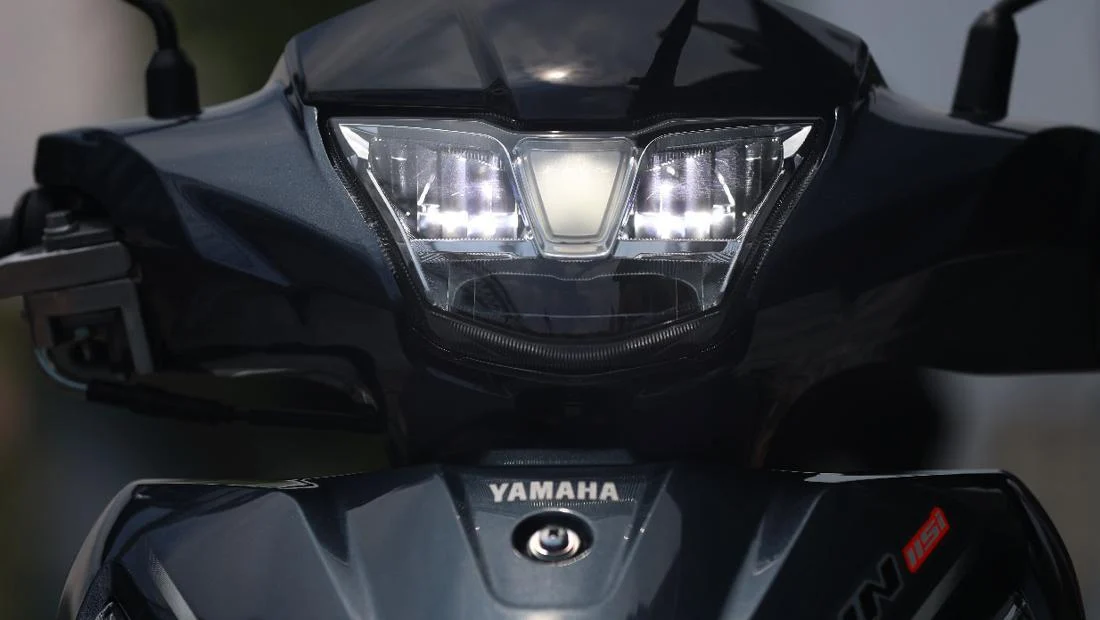
The automotive landscape in Southeast Asia continues to evolve as manufacturers prioritize fuel efficiency and modern utility for the commuter segment, a trend punctuated by Yamaha’s recent unveiling of the latest Yamaha Finn in Thailand. This new iteration of the popular moped, known locally as a "motor bebek," arrives with a suite of upgrades that bridge the gap between traditional entry-level transport and the feature-rich experience typically reserved for higher-end scooters. As reported by regional automotive outlet Greatbiker, the new Yamaha Finn is positioned as a versatile daily driver, combining a minimalist aesthetic with engineering specifically tuned for maximum economy. The vehicle is launched in three distinct trim levels—Spoke Wheels, Cast Wheels, and the flagship Smart Key version—with pricing starting at approximately 46,300 baht, which translates to roughly Rp 25 million or $1,300 USD depending on current exchange rates.
A New Benchmark for Fuel Efficiency in the Underbone Segment
The standout feature of the new Yamaha Finn is undoubtedly its internal combustion efficiency. Yamaha’s engineering team has refined the 115cc SOHC, single-cylinder, air-cooled engine to achieve a staggering fuel consumption rate of up to 96 kilometers per liter under specific testing conditions. While real-world figures often fluctuate based on rider weight, road incline, and traffic congestion, even a conservative estimation of 60 to 70 kilometers per liter would place the Finn at the top of its class. This focus on economy is a strategic response to the rising cost of living and fuel prices across the ASEAN region, where mopeds remain the primary mode of transport for millions of workers and delivery personnel.
The engine utilizes Yamaha’s proprietary fuel injection technology, optimized to ensure that every drop of gasoline is utilized effectively. In the context of the Thai market, where "Flex Fuel" options are common, the Finn’s engine is designed to handle various fuel grades with high reliability. This technical achievement is not merely about the numbers; it represents a commitment to reducing the carbon footprint of individual commuters without requiring the immediate infrastructure overhaul necessitated by a full transition to electric vehicles.
Design Evolution and Modern Aesthetics
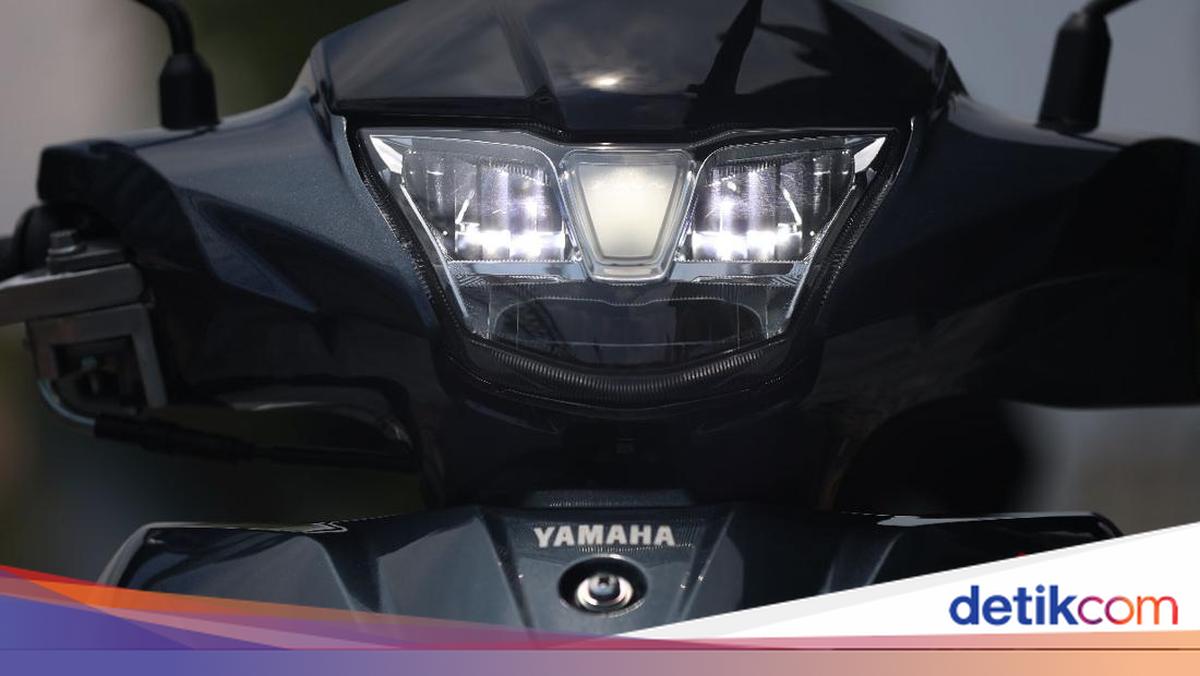
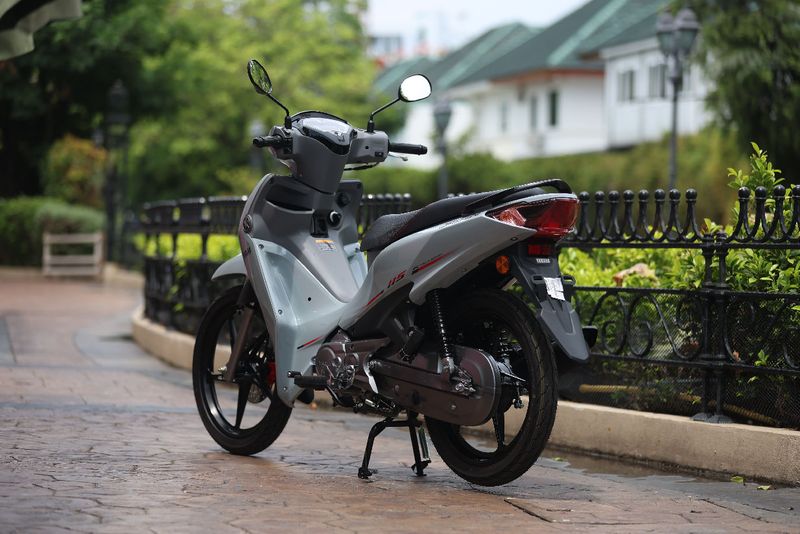
Visually, the new Yamaha Finn maintains the classic underbone silhouette that is iconic to Southeast Asian streets—slim, lightweight, and agile. However, the 2024 model introduces several key design departures from its predecessors. The most notable change is the redesigned front fascia, which now features a "V-shaped" headlight cluster. Moving away from the traditional halogen bulbs found on most budget-friendly mopeds, Yamaha has equipped the new Finn with full LED lighting. This upgrade provides significantly better visibility for night riding and gives the bike a more premium, modern appearance.
The bodywork follows a minimalist philosophy, with clean lines that emphasize functionality. The rear lighting assembly has also received a "minor touch" or facelift, resulting in a sharper, more integrated look. These aesthetic choices reflect a broader market trend where entry-level buyers no longer want "budget-looking" vehicles but instead seek products that feel sophisticated despite their affordable price point.
Technological Integration and Premium Features
Perhaps the most surprising aspect of the new Yamaha Finn is the inclusion of features usually found on maxi-scooters or premium motorcycles. In a segment where analog instrument clusters are the industry standard, Yamaha has opted for a digital head unit. This digital display provides the rider with clear, concise information regarding speed, fuel levels, and trip data, enhancing the overall user experience.
Furthermore, the flagship variant introduces a Smart Key system. This keyless ignition technology not only adds a layer of convenience—allowing the rider to start the engine without fumbling for a physical key—but also serves as an anti-theft measure, a critical feature in dense urban environments. To further cater to the modern commuter, Yamaha has integrated a dedicated dashboard compartment, a USB charging socket for mobile devices, and an additional utility hook for carrying bags or groceries.
Storage capacity, often a weakness for mopeds compared to scooters, has been addressed with a 9.7-liter under-seat compartment. While this space is not large enough for a full-face helmet, it is perfectly sized for essential items such as a raincoat, a small umbrella, or a set of tools. This practical addition ensures that the Finn remains a viable choice for those who need to carry small loads during their daily commute.
Market Positioning and Regional Context
The launch of the Yamaha Finn in Thailand serves as a barometer for the moped market in the region. Thailand and Indonesia are two of the largest markets for two-wheeled vehicles globally, but their preferences have diverged slightly over the last decade. While Indonesia has seen a massive shift toward automatic scooters (matic), Thailand maintains a very strong and loyal following for manual underbones due to their perceived durability and lower maintenance costs.
The decision to launch the Finn in Thailand first is a tactical move by Yamaha to consolidate its share in a competitive segment currently dominated by the Honda Wave series. By offering a 5-year unlimited mileage warranty in the Thai market, Yamaha is signaling high confidence in the Finn’s build quality and mechanical longevity. This warranty is a significant selling point for commercial users, such as "Win" (motorcycle taxi) drivers and courier services, who put high mileage on their vehicles in short periods.
Comparative Analysis: The Indonesian Perspective
For the Indonesian market, the arrival of the new Yamaha Finn raises questions about the future of Yamaha’s local moped lineup, which currently includes the Yamaha Vega Force and the Yamaha Jupiter Z1. The Vega Force serves as the entry-level workhorse, while the Jupiter Z1 is marketed toward those seeking a sportier feel. The Finn, with its 115cc engine and high-tech features, sits somewhere in the middle, offering more luxury than the Vega but more utility than the Jupiter.
If PT Yamaha Indonesia Motor Manufacturing (YIMM) were to introduce the Finn to the archipelago, it would likely face stiff competition from the Honda Revo and Honda Supra X 125. However, the Finn’s superior fuel economy and LED/Digital features could provide it with a unique competitive edge. The price point of Rp 25 million is slightly higher than the current Vega Force (which retails for around Rp 18-19 million), suggesting that if it were to come to Indonesia, Yamaha might need to adjust the feature set or the pricing strategy to remain competitive in a price-sensitive market.
Chronology of Development and Launch
The development of the Finn series has been a multi-year project for Yamaha’s ASEAN R&D centers. The goal was to create a "Global Standard" moped that could handle the diverse road conditions of the region—from the smooth highways of Bangkok to the unpaved rural roads of Northern Thailand.
- Phase 1: Research and Engine Optimization. Focus on the 115cc SOHC platform to maximize thermal efficiency and reduce internal friction.
- Phase 2: Feature Integration. Identifying the "must-have" tech for the 2024 consumer, leading to the inclusion of the Smart Key and Digital Dash.
- Phase 3: Regional Testing. Extensive road testing in varied climates to verify the 96 km/L claim and ensure cooling efficiency for the air-cooled engine.
- Phase 4: Official Launch. The May 2024 unveiling in Thailand, accompanied by a multi-tier pricing strategy to capture different consumer demographics.
Broader Implications for the Automotive Industry
The release of the Yamaha Finn highlights a significant "middle path" in the automotive industry’s evolution. While the global narrative is heavily focused on electrification, the reality in developing economies is that high-efficiency internal combustion engines (ICE) remain the most accessible and practical solution for mass mobility. A motorcycle that can travel nearly 100 kilometers on a single liter of fuel is a powerful tool for economic empowerment, allowing individuals in low-income brackets to reduce their transport costs significantly.
Furthermore, the inclusion of premium electronics in a budget vehicle indicates a "trickle-down" effect of technology. As components like LED modules and digital sensors become cheaper to manufacture, they are becoming standard even in the most basic vehicle categories. This raises the bar for all manufacturers, forcing a cycle of innovation that ultimately benefits the consumer.
Conclusion and Future Outlook
The 2024 Yamaha Finn is more than just a simple moped; it is a sophisticated commuter tool designed for an era of economic caution and technological expectation. By delivering record-breaking fuel economy alongside modern conveniences like a Smart Key and LED lighting, Yamaha has redefined what an entry-level motorcycle can be.
While currently exclusive to the Thai market, the Finn’s success will likely influence Yamaha’s product strategy across all of Southeast Asia. Industry analysts will be watching closely to see if the 96 km/L claim holds up in diverse riding conditions and how competitors like Honda and Suzuki respond to this new challenge. For now, the Yamaha Finn stands as a testament to the enduring relevance of the moped—a vehicle that continues to adapt, survive, and thrive in the fast-paced world of Asian transportation. Whether it eventually makes its way to Indonesian showrooms remains to be seen, but its impact on the regional standard for efficiency and value is already being felt.