Nila Kartika Wati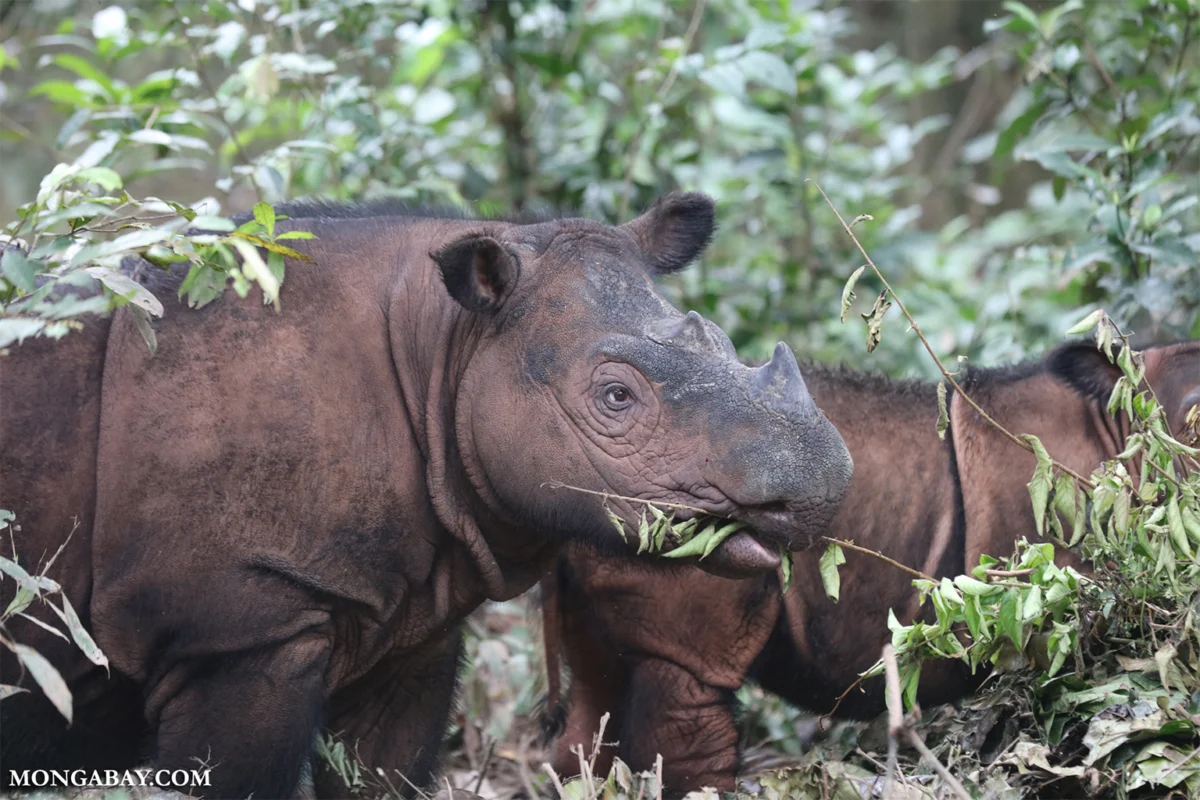
Inbreeding depression has emerged as a formidable biological threat to the long-term survival of Indonesia’s most iconic wildlife, manifesting as a significant decline in the fitness and viability of isolated populations. This critical condition occurs when genetically related individuals mate, leading to an accumulation of homozygous recessive alleles that carry deleterious traits to subsequent generations. As habitat fragmentation accelerates due to infrastructure expansion and land-use changes, the natural movement of species is restricted, forcing close relatives to interbreed within shrinking ecological islands. For species already teetering on the edge of extinction, such as the Javan rhino and the Sumatran tiger, this genetic decay represents a silent "extinction vortex" that could nullify decades of conventional conservation efforts.
The Biological Mechanism of Genetic Decay
At its core, inbreeding depression is driven by a lack of genetic diversity. In large, connected populations, harmful recessive mutations are often masked by dominant, healthy genes. However, when a population size plummets—a phenomenon known as a genetic bottleneck—the probability of two individuals carrying the same harmful mutation increases. When they reproduce, their offspring are more likely to express these "hidden" genetic defects.
Ecologically, this phenomenon is catalyzed by several limiting factors. Massive infrastructure projects, such as highways and dams, slice through once-continuous forests, creating insurmountable barriers for terrestrial mammals. Geographic isolation further compounds the issue, as small groups of animals become trapped in "pockets" of habitat. Furthermore, in ex-situ conservation facilities, such as zoos and sanctuaries, the lack of structured breeding management can inadvertently accelerate genetic homogenization, leading to a loss of the very traits needed for survival in the wild.
The consequences are frequently fatal for the population’s future. Observed impacts include a sharp decline in fertility rates, a surge in infant mortality, and a heightened vulnerability to pathogens. Anatomical deformities and a general reduction in physical "robustness" also become prevalent, ultimately accelerating the risk of local extinction.
Case Studies in Indonesia: From Rhinos to Tigers
Field observations in Indonesia provide stark evidence of genetic health degradation across several flagship species. The Javan rhino (Rhinoceros sondaicus), perhaps the world’s rarest large mammal, is currently confined to a single habitat: Ujung Kulon National Park. With a population estimated at fewer than 80 individuals, the lack of new territory prevents individuals from finding non-related mates. Clinical findings, as noted in studies by Setiawan et al. (2018), have recorded calves born with congenital anatomical abnormalities, including tail deformities and abnormal skin folds around the eyes. Perhaps most concerning is the observed shrinkage in body morphometrics in the newest generation, a clear indicator of genetic degeneration.
The situation is equally dire for the Sumatran rhino (Dicerorhinus sumatrensis). The fragmentation of its habitat into isolated "pockets" has drastically reduced the probability of reproductive individuals encountering one another. This isolation leads to a phenomenon known as "reproductive shutdown." When female rhinos go for long periods without conceiving, they frequently develop uterine tumors and other pathologies. Research by Schaffer et al. (2020) highlights that the high prevalence of these reproductive diseases is a direct consequence of the inability of the species to maintain a healthy breeding cycle in a fragmented landscape.
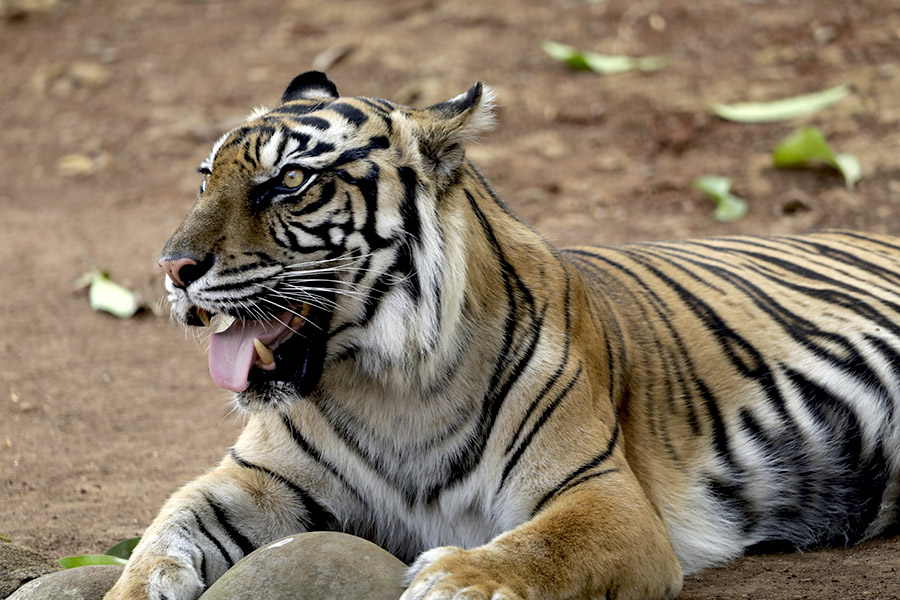
The Sumatran tiger (Panthera tigris sumatrae), the archipelago’s apex predator, is also facing a genetic crisis. Both wild and captive populations show increasing risks of internal organ defects, facial structural abnormalities, and immunodeficiencies. These factors contribute to high infant mortality rates, making it increasingly difficult for the population to replace aging adults. Without the "injection" of new genetic material through the movement of individuals between forest blocks, the Sumatran tiger faces a slow decline in biological resilience.
Economic Implications: The Case of Bali Cattle
The impact of genetic degradation is not limited to wild fauna; it poses a significant threat to Indonesia’s agricultural sector and food security. In the Kupang region, Bali cattle (Bos javanicus)—a domesticated breed derived from the wild Banteng—have shown clear signs of inbreeding depression. Due to a lack of systematic crossbreeding records and the repeated use of the same male sires within small communities, the breed’s physical quality has plummeted.
Historically, Bali cattle had the genetic potential to reach weights of up to 600 kg. However, in recent generations, farmers have reported a drastic reduction in growth rates, with some cattle reaching only 150 kg at maturity. This 75% loss in potential biomass represents a massive economic blow to local livestock owners and highlights the importance of genetic management in maintaining the productivity of domestic species.
Molecular Diagnostics and Advanced Interventions
To combat this crisis, conservationists are turning to molecular DNA analysis. By using non-invasive sampling methods—such as collecting feces, hair, or saliva from the wild—scientists can extract genetic data without disturbing the animals. These samples are evaluated using Genomic Inbreeding Coefficients (GIC) to map the distribution of homozygous alleles within a population. This "genetic census" allows managers to identify which populations are at the highest risk of collapse.
When a population reaches a point of extreme vulnerability where natural reproduction is no longer sufficient, Assisted Reproductive Technology (ART) becomes an essential intervention. These high-tech medical approaches include:
- Ovum Pick-up and IVF: Retrieving eggs from females and fertilizing them in a laboratory setting.
- Cryopreservation: Storing sperm and embryos in liquid nitrogen at -196°C to create a "frozen zoo" for future genetic rescue.
- Surrogate Mothers: Transferring embryos into the uteri of closely related species to increase the birth rate of critically endangered offspring.
In captive environments, the use of "studbooks" and specialized software to calculate kinship coefficients is now mandatory. This ensures that "breeding loans" between institutions are based on "mate suitability" scores, maximizing genetic diversity in the captive insurance population.
Ecological Engineering and Landscape Management
While medical technology offers a "last resort," the long-term solution lies in ecological spatial planning. For species like the Javan rhino, the establishment of a "second habitat" is an urgent priority. This requires a massive logistical undertaking to identify areas of 5,000 to 10,000 hectares with sufficient natural forage, minimal human activity, and no risk of zoonotic diseases like anthrax.
To address the damage caused by fragmentation, the construction of functional "ecological corridors" is vital. These structures, including canopy bridges for primates and underpasses for large mammals, allow animals to bypass human infrastructure safely. By facilitating the natural "gene flow" between separated populations, these engineering feats prevent genetic stagnation.
In cases where physical connectivity is impossible, "genetic rescue" through planned translocation becomes necessary. This involves moving a "genetically dominant" individual from one wild population to another to introduce new alleles. This tactic has been used globally with success, such as in the case of the Florida panther, and is now being considered for various Indonesian species.
Mitigating Human-Wildlife Conflict
A significant challenge in implementing these ecological corridors is that they often intersect with human-dominated landscapes. When animals move through these corridors, they may encounter settlements, farms, or toll roads, leading to human-wildlife conflict or "roadkill" incidents.
To resolve these spatial overlaps, a combination of technology and community-based mitigation is required. Innovative "non-lethal" barriers, such as beehive fences or chili-infused ropes, have proven effective in deterring large mammals like elephants from entering agricultural lands. These natural deterrents are often more sustainable and less stressful for the animals than traditional fences.
Furthermore, the deployment of "Early Warning Systems" (EWS) using camera traps and AI-driven sensors can provide real-time alerts to community rangers. When a large predator or megaherbivore approaches a village, the team can intervene using measured, non-violent herding techniques. On a policy level, the government must ensure that "Essential Ecosystem Areas" (KEE) are protected even within commercial concessions, and that compensation funds are available for farmers who suffer crop damage.
Conclusion: A Vision for 2026 and Beyond
The battle against inbreeding depression in Indonesia is a multi-front war involving conservation genetics, reproductive medicine, and participatory landscape ecology. The success of these programs depends on the seamless integration of biological data with spatial planning that respects both the needs of wildlife and the welfare of human communities.
As we look toward the International Day for Biological Diversity in 2026, the focus must shift from mere "protection" to active "restoration" of genetic health. By restoring the natural flow of genes across the Indonesian archipelago, the nation can ensure that its "living fossils"—the rhinos, tigers, and unique livestock—do not just survive as biological curiosities, but thrive as resilient components of a vibrant ecosystem. The harmony between biological recovery and sustainable land management remains the only path forward for the preservation of Indonesia’s irreplaceable natural heritage.