Nila Kartika Wati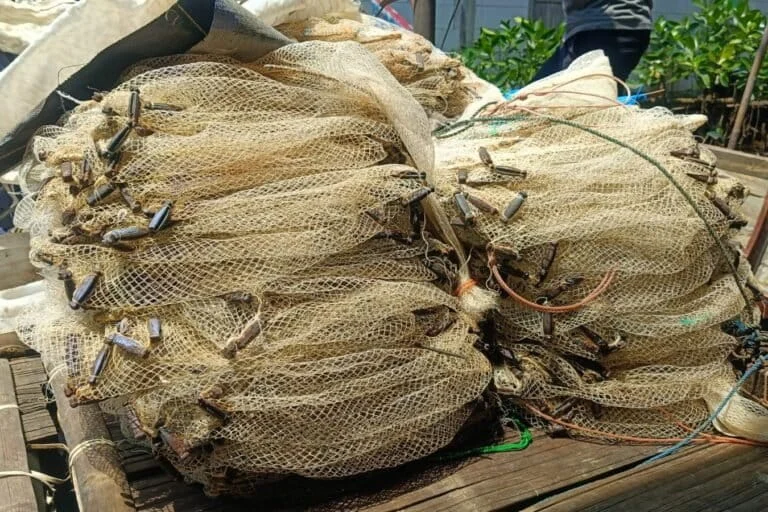
The seawater surrounding the coastal reaches of Pantai Harapanjaya Village, located in the Muaragembong District of Bekasi Regency, West Java, has undergone a harrowing transformation, turning a murky palette of deep brown and obsidian black. This discoloration is not a seasonal anomaly but a visible symptom of a deep-seated ecological crisis that has plagued the region for nearly a decade. In these waters, massive coal barges and industrial vessels now loom over the small wooden perahus of local fishermen, creating a stark juxtaposition between the scale of Indonesia’s industrial ambition and the fragility of its traditional coastal economies. Since 2017, the local fishing community has reported a steady and suffocating decline in marine life, attributing the loss of their livelihoods to systematic pollution and the encroachment of heavy industry.
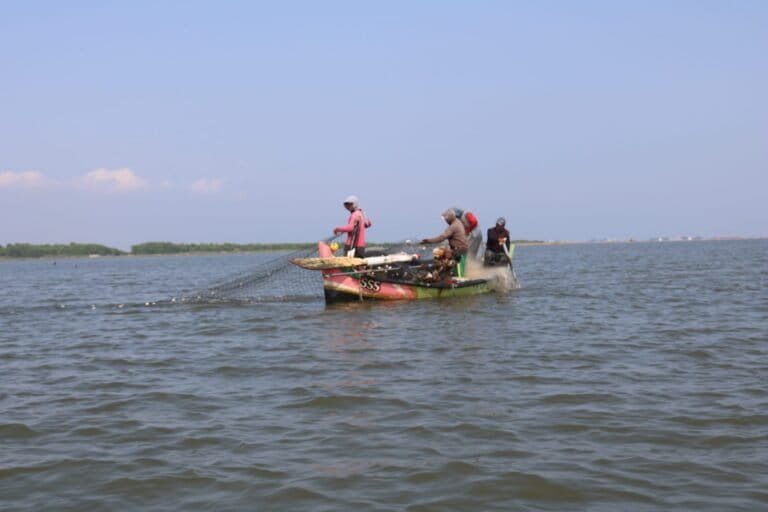
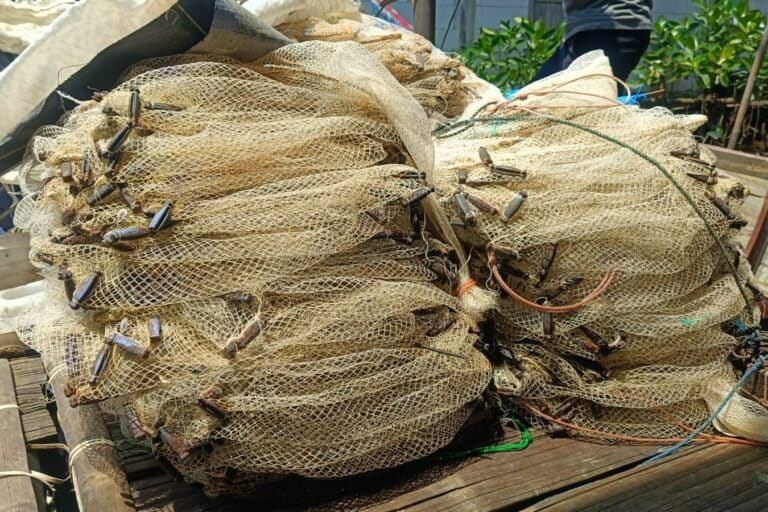
In late April 2026, the mouth of the river in Pantai Harapanjaya was a scene of frantic yet increasingly fruitless activity. Small one-gross-ton fishing boats maneuvered through the silted waters, their engines straining against the shallow depths. Among those venturing out was Abdul Rahman, a veteran fisherman with over a decade of experience on the Java Sea. As the afternoon sun beat down, Rahman prepared his ice boxes and shrimp traps, known locally as bubu, with a sense of weary resignation. His primary concern was no longer just the weather or the tides, but navigating the labyrinth of coal barges that now dominate the coastal zone. After 16 hours of grueling labor at sea, Rahman returned with a catch that barely covered his operational costs: one kilogram of small-to-medium-sized peci shrimp.
The economic reality for Rahman and his peers is devastating. A 30-meter shrimp trap, which in years past would have been teeming with crustaceans, now yields a catch worth approximately Rp30,000 (roughly $1.90 USD). This is a far cry from the era before 2017, when the coastal waters were vibrant and productive. Rahman recalls a time when he did not have to venture more than a kilometer from the shore to find a bounty of shrimp and fish. Today, the degradation of the near-shore environment forces him to travel more than four kilometers into the open sea, significantly increasing his fuel consumption and physical risk. The fishermen of Pantai Harapanjaya are convinced that this decline is directly linked to the waste management practices of nearby industrial facilities, specifically the Babelan coal-fired power plant (PLTU) operated by PT Cikarang Listrindo Tbk.
A Chronology of Conflict and Environmental Decay
The crisis in Muaragembong is the result of a cumulative environmental burden that began to intensify in 2017. As industrial activity in the Bekasi Regency—a vital manufacturing hub for the Greater Jakarta area—expanded, the coastal fringe became a dumping ground for the secondary effects of development. The primary grievance of the Pantai Harapanjaya Fishermen’s Group centers on the massive sedimentation and coal-related waste that has altered the seabed.
In June 2025, tensions reached a breaking point. Abdul Rahman and a coalition of local fishermen staged a sea-borne protest, using their small boats to intercept and block coal transport vessels. Their anger was fueled by the discovery of industrial discharge pipes that bisected traditional fishing zones, coupled with the frequent spilling of coal from barges. In response to the protest, the operating company reportedly submerged the offending pipes deeper into the water. However, for the fishermen, this was a superficial fix. The damage had already been done; the sedimentation had turned once-thriving mussel cultivation areas into shallow mudflats with depths of barely 30 centimeters, making them impassable and biologically dead.
Satellite imagery comparisons between 2017 and 2025 confirm the fishermen’s observations. The coastal landscape of northern Bekasi has been drastically reshaped. Large-scale sedimentation has moved the shoreline and filled in the natural channels used by both fish and fishermen. These changes are not merely natural shifts in geography but are accelerated by industrial runoff and the physical presence of massive infrastructure projects that disrupt the natural flow of water and sediment.
The Socio-Economic Toll and the Vanishing Generation
The environmental degradation of Muaragembong is precipitating a demographic shift that threatens the very existence of the fishing profession in the region. According to data from the Bekasi Regency Fisheries Agency, there are approximately 260 fishermen remaining in Pantai Harapanjaya. The vast majority of these individuals are over the age of 40. This aging population is a symptom of a broader economic trend: the youth of the village are abandoning the sea.
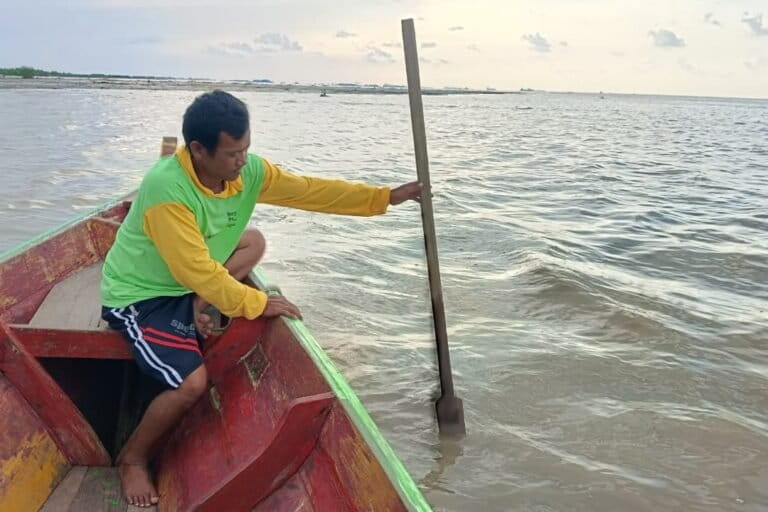
Nayu Kulsum, the Head of the Bekasi Regency Fisheries Agency, acknowledges that the profession has become one of "extreme uncertainty." Young people, including the relatives of community leaders like Muhammad David, the head of the local fishermen’s cooperative, are increasingly seeking employment in the manufacturing sector. Factories offer a fixed monthly salary and a reprieve from the physical dangers of a sea that no longer provides. David himself has had to diversify his income, now acting as a guide for recreational fishing tourists to supplement his dwindling earnings from shrimp and green mussels.
"We are witnessing the slow death of a generation of fishermen," Kulsum stated. She noted that the agency is often caught in a "dilemma," receiving constant complaints about damaged gear and grounded boats but lacking the regulatory teeth to intervene effectively. Because the management of coastal waters involves overlapping jurisdictions between the central government, provincial authorities, and various ministries, local agencies often find themselves powerless to hold large industrial players accountable.
Scientific and Ecological Implications of Coal Waste
The environmental impact of coal-fired power plants on coastal ecosystems is well-documented but often difficult to regulate. Erwin Suryana, Deputy of Program and Network Management for the People’s Coalition for Fisheries Justice (Kiara), emphasizes that the transport of coal is a high-risk activity for coastal environments. Coal waste is classified as a hazardous and toxic material (B3) in many contexts, containing heavy metals that can bioaccumulate in marine life.
"Our methods for measuring pollution remain weak, and it is notoriously difficult to enforce regulations regarding coal transport," Suryana explained. He pointed out that unless a catastrophic accident occurs, the slow, "silent" spills from barges often go unpunished, despite their cumulative impact on the seabed.
Melky Nahar, Coordinator of the Mining Advocacy Network (Jatam), views the situation in Muaragembong as part of a larger, destructive pattern of extractive development. He notes that 65.8% of Java’s northern coastline (Pantura) is already suffering from severe erosion, exacerbated by the very industries meant to drive the nation’s economy. The PLTU facilities, such as the one in Babelan and the Cirebon 1 plant, contribute to this by altering water temperatures through their cooling systems and obstructing traditional navigation routes with jetties and pipes.
The discharge from PLTU pipes often consists of water at significantly higher temperatures than the surrounding sea. This thermal pollution can shock local biota, driving away fish populations and destroying the delicate habitats required for shrimp and crab breeding. Furthermore, the physical presence of coal barges creates "dead zones" where the vibration and noise of the vessels disrupt the migratory patterns of fish, as noted in recent research regarding similar industrial activities in Sumatra’s Batang Hari river.
Institutional Silence and the Failure of Regulation
Despite the mounting evidence and the vocal protests of the community, accountability remains elusive. Efforts by investigative journalists and community leaders to seek clarification from the Bekasi Regency Environmental Office (DLH) have met with a wall of silence. Emails, WhatsApp messages, and even direct visits to the office have gone unanswered. Similarly, PT Cikarang Listrindo Tbk has not provided a formal response to inquiries regarding the alleged pollution and its impact on the local fishing grounds.
This lack of transparency highlights a significant gap in the implementation of Law No. 7/2016 on the Protection and Empowerment of Fishermen, Fish Raisers, and Salt Farmers. While the law theoretically guarantees fishermen access to resources and protection from environmental degradation, Melky Nahar argues that these protections are routinely sacrificed at the altar of industrial growth. "The coastal community is always positioned as the party that must bear the burden of development," Nahar remarked.
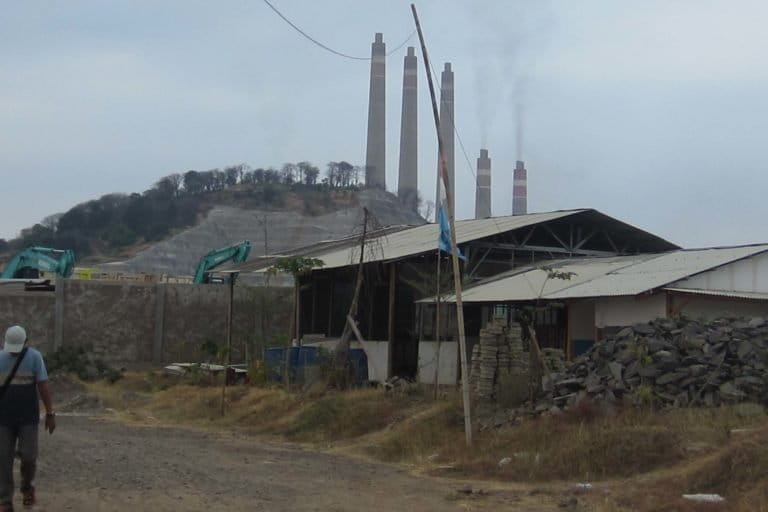
The situation in Muaragembong serves as a grim case study for the conflict between Indonesia’s industrial expansion and its commitment to the "Blue Economy." While the government promotes sustainable ocean management on international stages, the reality on the ground in places like Pantai Harapanjaya suggests a prioritization of energy production and industrial output over the survival of traditional coastal communities.
Conclusion and Broader Implications
The plight of the fishermen in Muaragembong is not an isolated incident but a reflection of the systemic challenges facing Indonesia’s 54,000 kilometers of coastline. As the nation continues to rely on coal-fired power to fuel its industrial hubs, the "hidden costs" of this energy—borne by people like Abdul Rahman—continue to mount. The loss of biodiversity, the silting of vital waterways, and the economic displacement of thousands of families represent a long-term liability that may eventually outweigh the short-term gains of industrialization.
Without a significant shift in regulatory oversight, including more rigorous monitoring of industrial discharge and a genuine empowerment of local fisheries agencies, the blackened waters of Muaragembong may soon become the standard for the entire northern coast of Java. For now, the fishermen of Pantai Harapanjaya continue to cast their nets into a dying sea, hoping for a catch that can sustain them for one more day, while the giant coal barges continue their steady, indifferent march across the horizon.