Nila Kartika Wati
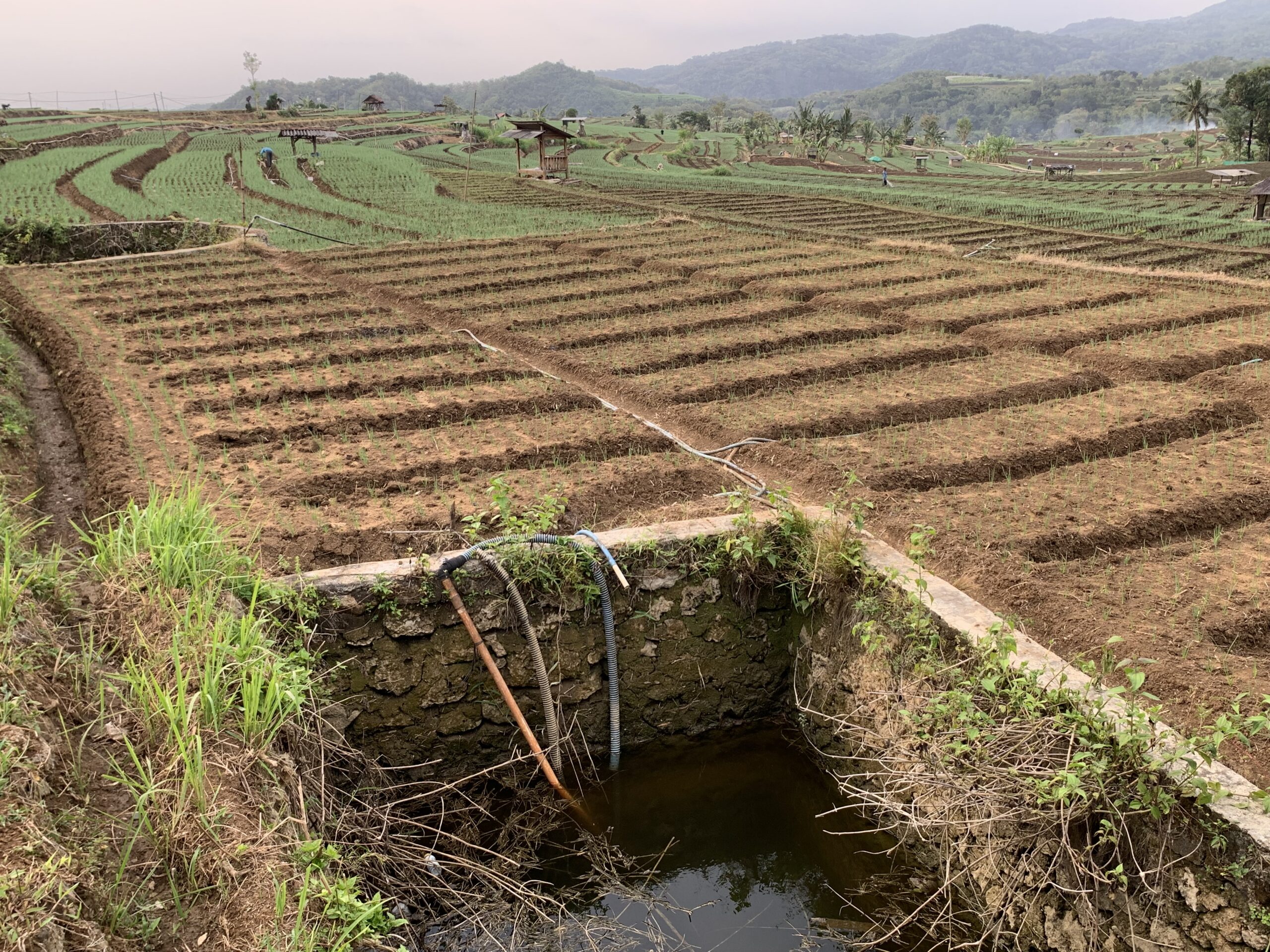
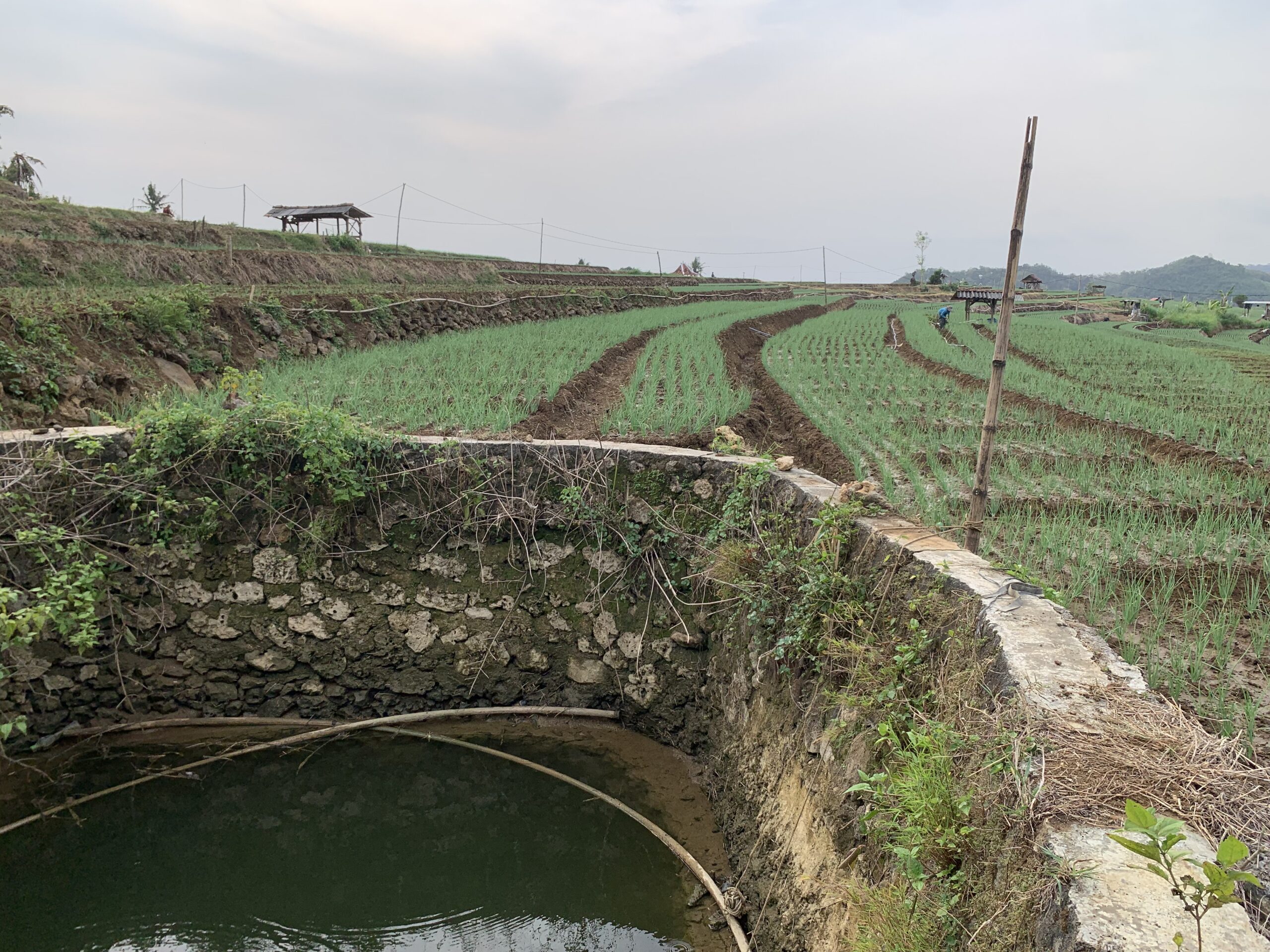
In the rugged, sun-scorched perches of Nawungan Hamlet, located within the Selopamioro Village of Bantul Regency, Yogyakarta, a silent revolution in water management has fundamentally altered the landscape of local agriculture. Small, hand-dug ponds, typically measuring four by five meters with a depth of three meters, now dot the terraced hillsides, serving as a lifeline for a community that once struggled to survive on subsistence crops. Known locally as embung hujan, or rainwater harvesting ponds, these structures have become the cornerstone of a resilient farming system that allows for year-round cultivation in a region historically defined by its acute water scarcity.
The geographical reality of Nawungan is one of significant challenge. Situated on a limestone-heavy, arid hilly terrain that borders the notoriously dry Gunungkidul Regency to the east, the area lacks the lush irrigation infrastructure common in the lowlands of Java. For decades, the farmers here were at the mercy of the monsoon. However, the proliferation of over 550 of these small-scale reservoirs has shifted the paradigm, turning a once-barren landscape into a productive hub for high-value commodities like red onions, chili peppers, and tobacco.
The Historical Evolution of Water Sovereignty in Nawungan
The transformation of Nawungan did not happen overnight. To understand the current success, one must look back at the harrowing agricultural conditions of the late 20th century. During the 1980s and 1990s, the farmers of Nawungan were restricted to planting "padi gogo" (upland rice) and cassava—crops that could survive with minimal water but offered very low economic returns. Sabaryanti, a veteran female farmer in the hamlet, recalls a time when the yields were barely enough to cover basic household needs.
The turning point arrived in the late 1990s, spearheaded by Jauhari, a visionary local farmer who would later receive the prestigious Kalpataru Award in 2017 for his environmental leadership. The concept of the embung hujan was born from a simple observation: during the rainy season, significant volumes of water would flow as surface runoff, carving temporary gullies and parches in the soil before disappearing into the valleys below. Jauhari realized that if this water could be captured and stored at the source—on the slopes themselves—it could be used to extend the growing season into the dry months.
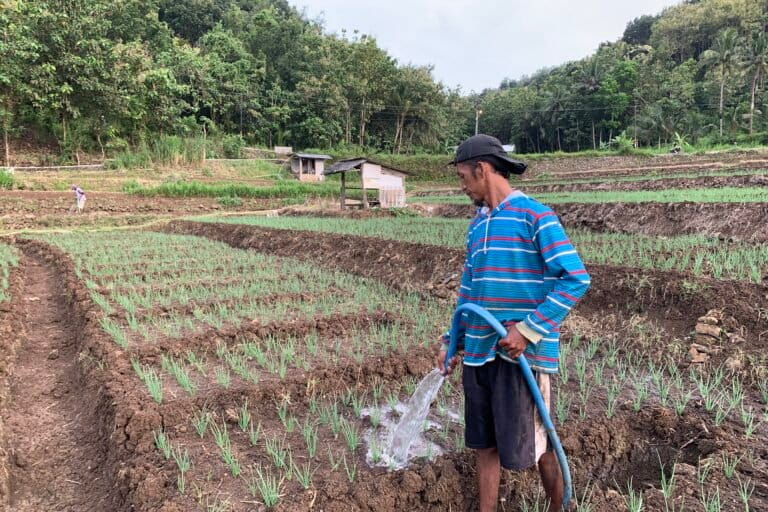
In 1997, Jauhari dug the first experimental pond. The results were immediate. The captured water allowed for the cultivation of crops long after the rains had ceased. By the early 2000s, this individual initiative transformed into a massive communal movement. Driven by the spirit of gotong royong (mutual cooperation), farmers began a system of collective labor. They would work together to dig a pond on one farmer’s land, and once completed, move to the next. This grassroots engineering project eventually resulted in the 556 ponds that exist today, covering a total agricultural area of approximately 120 hectares.
Geological and Hydrological Foundations of the Embung System
The success of the rainwater harvesting ponds in Nawungan is not merely a feat of human will but is also supported by the specific geological characteristics of the region. Research conducted by Universitas Gadjah Mada (UGM) in 2020 and 2023 has provided scientific validation for why this system works so effectively in this specific microclimate.
According to the UGM findings, the soil in Nawungan is classified as "clay loam." This soil type possesses a unique combination of properties: it has good porosity for initial water entry but exhibits slow permeability and moderate infiltration rates. This means that once water is captured in a hand-dug pond, the clay content acts as a natural liner, slowing the rate at which water seeps back into the ground. This allows the ponds to retain water for months, providing a reliable buffer during the transition from the rainy season to the dry season.
Furthermore, the 2020 study highlighted the sheer volume of untapped potential in the region. During a single rainy season, Nawungan experiences approximately 39 days of significant rainfall runoff. It is estimated that a staggering 1.55 billion liters of water fall onto the area’s slopes during this cycle. While the current network of ponds only captures a fraction of this—roughly 5 million liters across the 68 ponds specifically studied—the impact on local irrigation is profound. The strategic placement of these ponds on slopes with gradients of 13 to 23 degrees ensures they are positioned to maximize the capture of gravity-fed runoff.
Socio-Economic Prosperity and the Transition to High-Value Crops
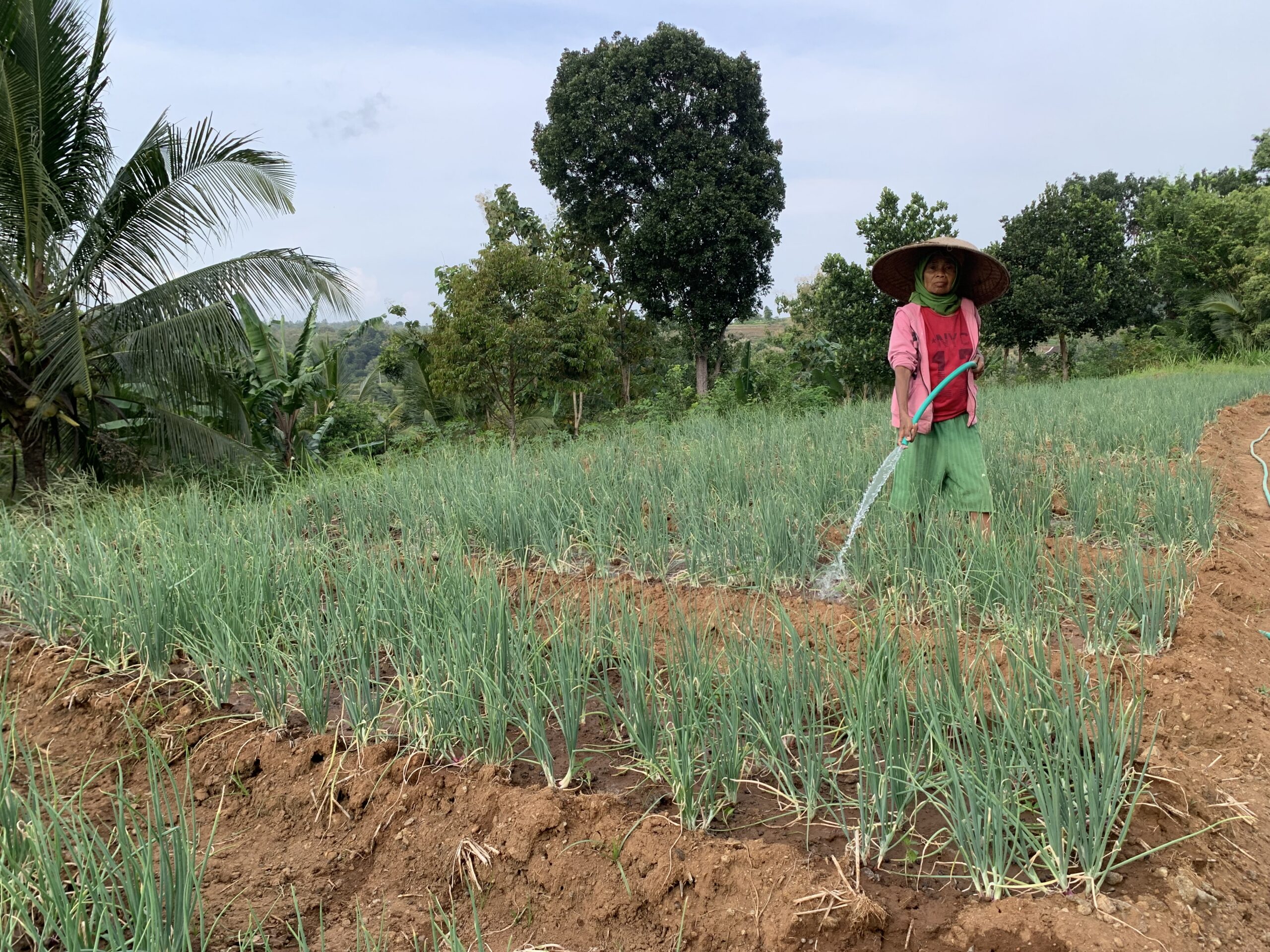
The ability to store water has catalyzed a shift from subsistence farming to commercial horticulture. For farmers like Sabaryanti, who manages two ponds for her 350-square-meter plot, the embung has enabled a triple-crop rotation system. In a single year, she can now harvest rice, followed by red onions, and finally chili peppers.
The economic implications are substantial. Red onions, in particular, have become the "green gold" of Nawungan. A single successful harvest of red onions can yield upwards of Rp35 million (approximately USD 2,200), a figure that was unimaginable under the old system of cassava and upland rice. This influx of capital has improved the standard of living in the hamlet, allowing families to invest in better housing, education, and further agricultural technology.
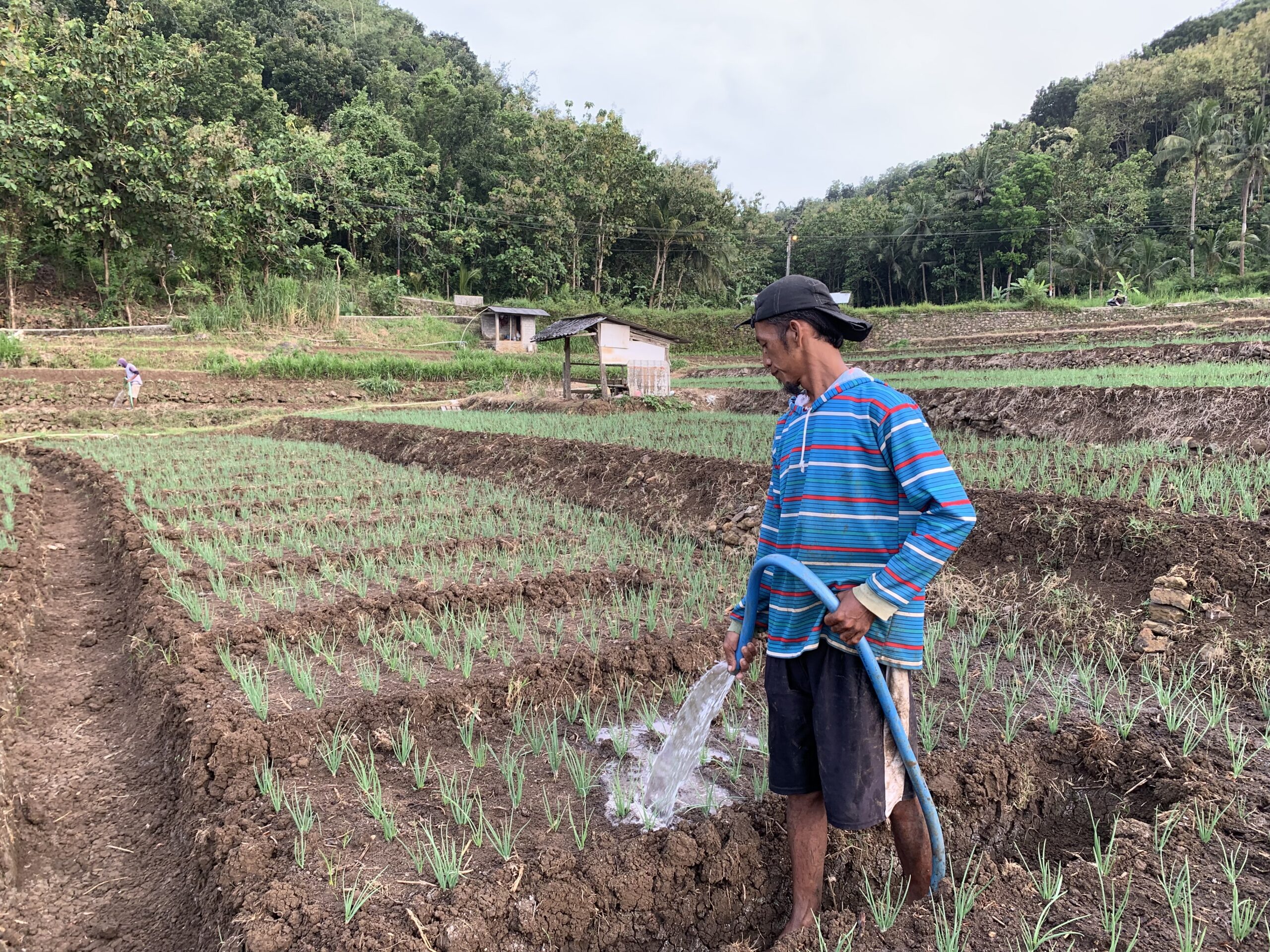
Technological advancement has also played a role in optimizing the system. In the early days, farmers had to manually carry water in buckets from the ponds to their crops—a backbreaking task that limited the size of the plots they could manage. Later, they transitioned to gasoline-powered pumps, which, while effective, were expensive to operate. A single planting season could cost a farmer Rp600,000 in fuel alone.
In recent years, the community successfully lobbied the government for the installation of electricity in the fields. The transition to electric pumps has been a game-changer for profit margins. The cost of pumping water for an entire season has plummeted from Rp600,000 to just Rp50,000. This 90% reduction in irrigation costs has further bolstered the economic resilience of the Nawungan farmers.
The Looming Threat of the Global Climate Crisis
Despite the undeniable success of the embung system, a new and more formidable challenge has emerged: the global climate crisis. The predictable patterns of the monsoon that the farmers relied upon for decades are becoming increasingly erratic. Jauhari and other community leaders have expressed growing concern over the shift in rainfall distribution.
In the past four years, farmers have found themselves forced to use the water in their ponds even during the "rainy" season. This is because the rains have become sporadic; long dry spells now occur in the middle of what should be the wettest months. If the ponds are depleted during the rainy season to keep crops alive during these unexpected dry gaps, there is little water left to sustain the third planting cycle during the actual dry season.
"The ponds were meant to be our bank for the summer," Jauhari explained. "But now we are withdrawing from that bank in the winter just to survive. If this continues, our reserves will be empty when the real drought hits."
Adding to this anxiety is the forecast for 2026, which climatologists suggest could see the return of a severe El Niño event, sometimes colloquially referred to as an "El Niño Godzilla." Such an event could lead to a prolonged drought extending late into the year, potentially drying up the embung entirely.
Biological Warfare: Pests and Pathogens in a Changing Climate
The climate crisis is not just affecting water availability; it is also altering the biological landscape of the farms. Mugiman, another local farmer, has observed a dramatic increase in pest and disease pressure. The traditional ulat (caterpillar) infestations have been joined by more aggressive and diverse strains of fungi and bacteria.
The primary driver of this shift is the change in humidity and temperature. Extreme weather fluctuations—such as sudden heavy rains followed by intense heat—create the perfect breeding ground for pathogens. Fungal outbreaks, in particular, can devastate a red onion crop in a matter of days if not managed with expensive pesticides.
"The cost of care has gone up," Mugiman noted. "We have to spend more time monitoring the fields and more money on chemical treatments. It’s no longer possible to take a side job as a construction worker because the farm requires 24-hour attention now."
This sentiment is echoed by research from the Ministry of Agriculture, which indicates that climate-induced changes in temperature and moisture levels are leading to "pest explosions." When the environmental parameters hit certain thresholds, the population of organisms like planthoppers (wereng) and rodents can spike, overwhelming traditional control methods.
Mitigation Strategies and Policy Gaps
In response to the diminishing reliability of surface rainwater, the community has begun to look deeper—literally. Five deep-bore wells have been installed in Nawungan to serve as a secondary backup for the embung. When the ponds run dry, these wells pump groundwater to refill them.
However, Jauhari is cautious about viewing deep wells as a permanent solution. He warns that over-reliance on groundwater could lead to the eventual depletion of the local aquifer, creating an even larger environmental catastrophe. As a more sustainable long-term strategy, he is leading a reforestation effort on the surrounding hills to improve the soil’s natural ability to absorb and hold water, thereby recharging the groundwater naturally.
The situation in Nawungan has caught the attention of environmental advocacy groups like Walhi Yogyakarta. Rizky Abiyoga, the Advocacy Coordinator for Walhi Yogyakarta, argues that the burden of climate adaptation is currently falling too heavily on the shoulders of vulnerable groups like farmers. While the embung system is a brilliant example of community-led innovation, Abiyoga believes that the government must do more in terms of large-scale mitigation and early warning systems.
"Regions like Gunungkidul and parts of Bantul are already prone to drought in normal years," Abiyoga stated. "With the threat of extreme El Niño events, the risk of total crop failure is high. The government has a constitutional responsibility to ensure a healthy and safe environment. This includes preparing infrastructure that can withstand the ‘Godzilla’ droughts of the future and ensuring that the land’s fertility isn’t permanently destroyed by rising soil temperatures."
Conclusion: A Model for Arid Agriculture
The story of the Nawungan embung is a testament to the power of local wisdom and collective action. In the face of geographical adversity, the community built a system that brought prosperity to a forgotten corner of Yogyakarta. However, as the global climate enters a period of unprecedented instability, the limits of this system are being tested.
The future of Nawungan will likely depend on a combination of their traditional gotong royong spirit and a more robust support system from the state and scientific community. As the farmers of Bantul prepare for the uncertainties of 2026 and beyond, their hand-dug ponds remain a symbol of hope—a reminder that even in the driest hills, life can flourish if the rain is caught and cherished.