Nila Kartika Wati
The coastal landscape of the Riau Islands (Kepri) has become a flashpoint for environmental and social unrest as hundreds of traditional fishermen from Bintan recently converged on the Governor’s Office in Tanjungpinang. The demonstration, held on Tuesday, May 12, 2026, marks a significant escalation in the local resistance against the central government’s plan to resume sea sand extraction under the official nomenclature of "marine sedimentation management." For the coastal communities of Bintan and Lingga, this policy is viewed not as an environmental necessity, but as a direct threat to their ancestral fishing grounds, the health of marine ecosystems, and the long-term economic survival of thousands of families.
The protesters, arriving in a convoy of trucks from various remote islands and coastal villages, endured a two-hour journey to voice their grievances. Organized by the Bintan-Lingga Coastal Fishermen Alliance, the group emphasized that their presence at the capital was a sacrifice; many had opted to forego their daily catch and income to ensure their voices reached the provincial leadership. Rudi Herdiawan, the coordinator of the action and Chairman of the Alliance, noted that the turnout was only a fraction of the total number of affected residents, signaling that the movement could grow if their demands remain unaddressed.
The Core of the Contention: Sedimentation vs. Exploitation
The primary catalyst for the protest is the implementation of Government Regulation (PP) No. 26 of 2023 concerning the Management of Sedimentation Products in the Sea. While the Indonesian Ministry of Marine Affairs and Fisheries (KKP) frames the regulation as a way to improve maritime safety and restore marine health by removing excess sediment, fishermen and environmental advocates argue that it is a "legal loophole" to facilitate the export of sea sand, which had been banned for 20 years.
During the rally, fishermen took turns delivering passionate orations, highlighting the existential threat posed by dredging. Mardialis, a local fisherman, addressed the crowd with a poignant reminder of what is at stake. He questioned the future of the next generation, stating that the sea is not merely a resource but a lifeline that funds their children’s education and daily sustenance. To solidify their stance, the protesters laid out a massive banner, which was soon covered in hundreds of signatures from community members formally rejecting any mining activities in their waters.
The frustration peaked when Misni, the Regional Secretary (Sekda) of the Riau Islands Province, emerged to meet the protesters. The atmosphere turned tense as fishermen accused the provincial government of failing to honor previous commitments. According to the demonstrators, during an earlier protest, the government had promised to visit the fishing villages to witness firsthand the potential impact of sand dredging. Years of perceived inaction led one orator, Adit, to demand a clear statement of loyalty: "Is the regional government supporting the fishermen or the corporations?" He demanded an immediate cessation of all sampling activities currently taking place in the waters near Numbing Village.
Chronology of the Conflict and Official Responses
In response to the mounting pressure, Misni pledged to meet the fishermen at Kijang Port in Bintan the following day. This location is a strategic hub where local fishermen sell their daily catch. True to her word, a follow-up meeting took place at the Kepri Surveillance Post, attended by representatives from the Provincial Environmental Office (DLH) and the Ministry of Marine Affairs and Fisheries (KKP), represented by Ronald Raditya Kesatria Sinaga from the Pekanbaru National Aquatic Conservation Area (LKKPN).
During this meeting, the fishermen drafted a formal statement of rejection, specifically targeting the activities in Numbing Village. They urged the Governor and the Regional House of Representatives (DPRD) to lobby the Minister of Marine Affairs and Fisheries to revoke the permits granted for sedimentation management.
Ronald, representing the KKP, provided a crucial update on the corporate landscape of the project. He revealed that 13 companies have already secured concessions to "clean" the sedimentation in the waters near Numbing Island. However, he clarified that these companies have not yet been granted full operational permits. The current phase involves a rigorous administrative process, including the acquisition of basic permits, Environmental Impact Assessments (AMDAL), and finally, the operational license. Ronald assured the community that the widespread rejection by the local population would be documented and forwarded to the central ministry as a critical factor in the final decision-making process.
Disputed Consultations and Horizontal Conflicts
A significant point of friction involves the transparency of the "Public Consultation" process required for environmental permits. Indra Kurniawan, the District Head (Camat) of East Bintan, expressed confusion over the sudden surge in protests, claiming that all 13 companies had conducted public consultations, with five already progressing to the AMDAL hearing stage.
However, these claims were sharply contested by Rudi Herdiawan and other community leaders. Rudi alleged that the consultations were exclusionary, often inviting "migrants, farmers, or members of social groups like the PKK (Family Welfare Movement)" rather than the actual fishermen whose livelihoods would be disrupted. He recounted instances where he attempted to attend village-level meetings only to be barred or expelled.
The data regarding community consent is also a matter of fierce debate. Hery Yudo Santoso, the Head of Numbing Village, claimed that 95% of his residents were in favor of the project, with only 13 households opposing it. This was immediately debunked by Otavia Evarani, a resident of the Gudang Arang area in Numbing. She presented data showing that at least 50 families in her immediate vicinity had formally signed rejection letters. Similar 100% rejection rates were reported by representatives from Mantang Island and Dendun Island, suggesting a deep disconnect between village administration claims and the reality on the ground.

Ecological and Geopolitical Risks
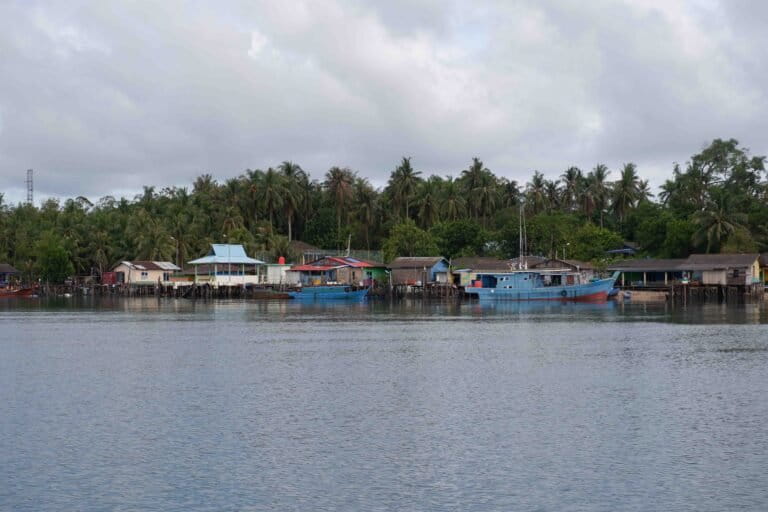
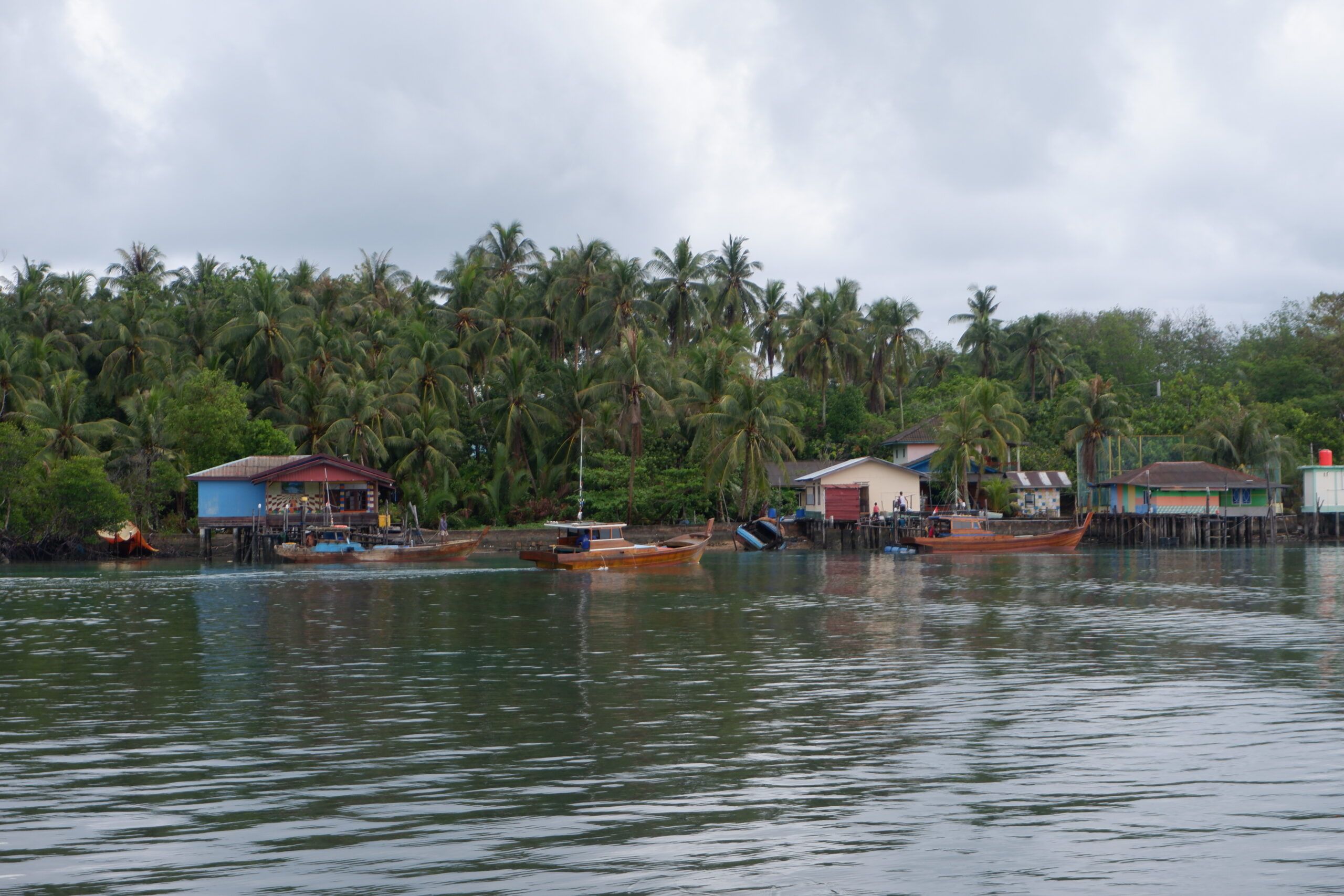
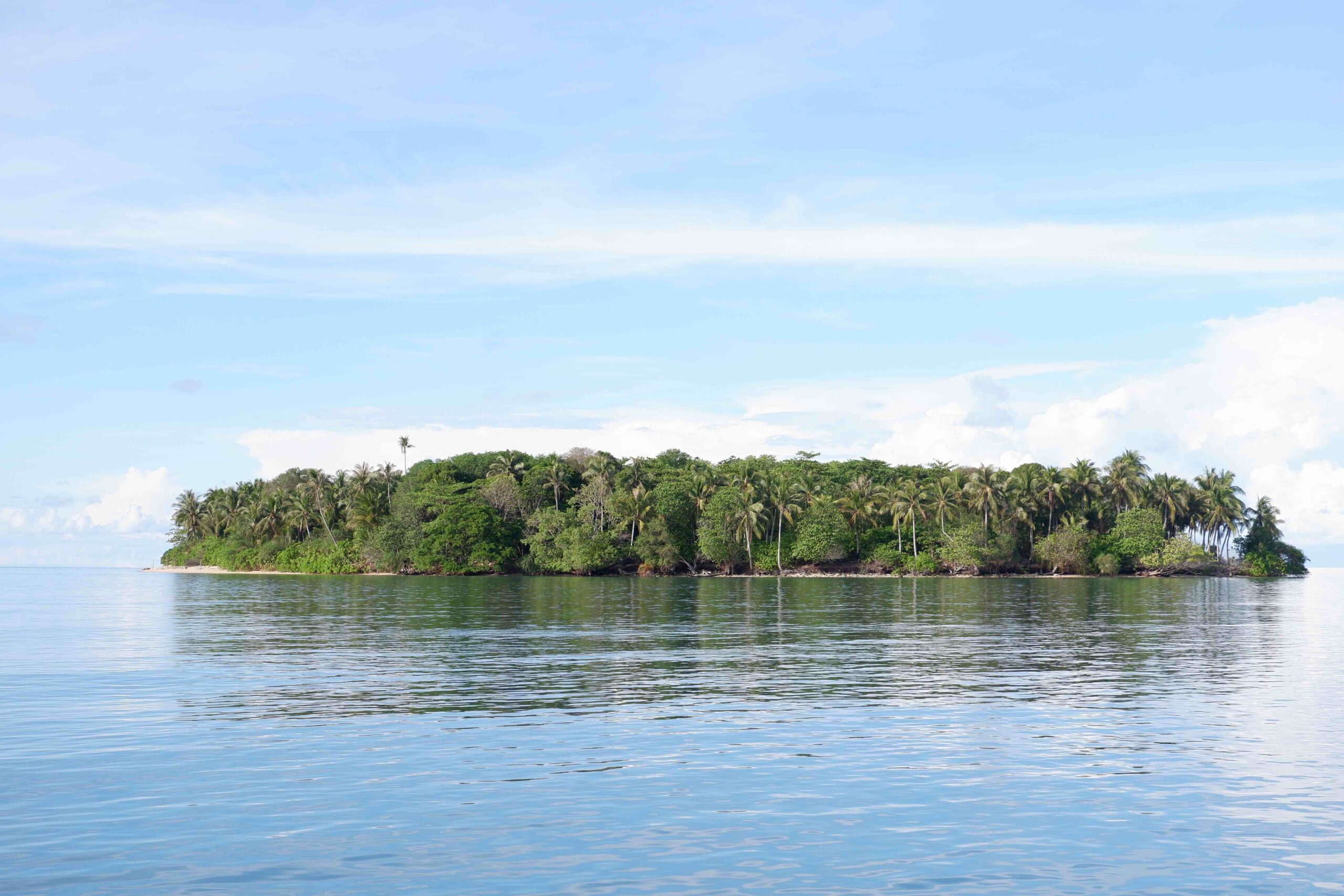
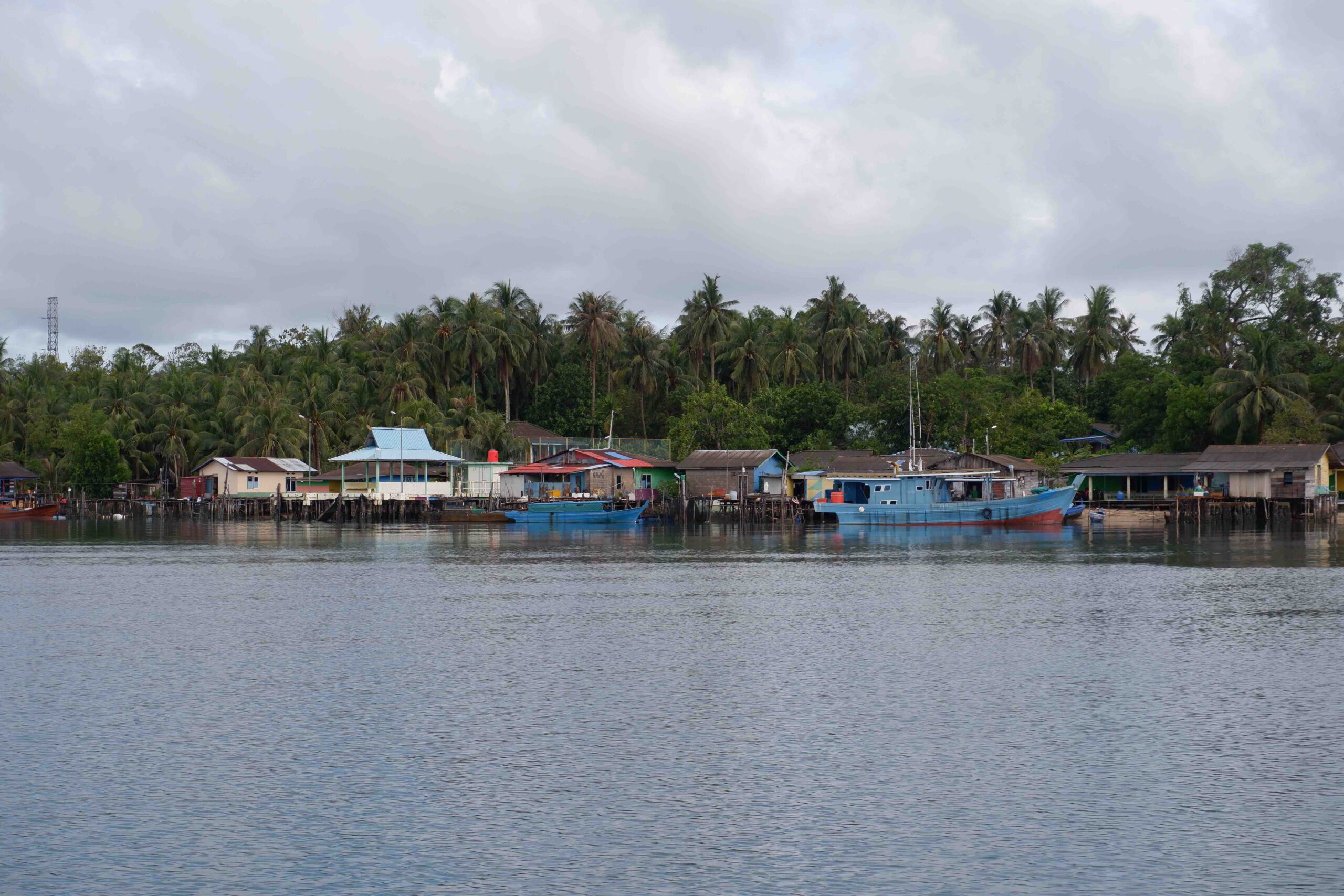
The waters surrounding Pulau Numbing are not just any stretch of ocean; they are recognized as a "fishing ground" of superior quality. Hamzah, a fisherman from Mantang Island, explained that Numbing acts as a vital sanctuary during extreme weather. Due to its unique geography, the currents remain calm when other areas are too dangerous to navigate. Furthermore, the area serves fishermen from various districts, including Karimun and Lingga, making it a regional economic pillar.
The environmental concerns are rooted in historical trauma. Many veteran fishermen recall the era of intensive sand mining in Batam, where dredging activities caused massive siltation and mud clouds that drifted as far as Numbing, suffocating coral reefs and driving away fish populations. The Aliansi Nelayan Pesisir reported that even the preliminary sampling activities by suction ships have already caused damage to traditional fishing nets.
From a broader perspective, organizations like the People’s Coalition for Fisheries Justice (KIARA) and Yayasan Auriga Nusantara have warned of the long-term consequences of this policy. Susan Herawati, Secretary-General of KIARA, characterized the "sedimentation" label as a facade for large-scale mining. She warned that the dredging could uncover and extract rare earth minerals without proper oversight, while the physical removal of sand would inevitably lead to coastal abrasion and the potential sinking of small islands.
"This is not just about sand; it is about the sovereignty of our coastal territory," stated Parid Ridwanuddin, a marine researcher at Auriga Nusantara. He pointed out that under Law No. 27 of 2007 on the Management of Coastal Areas and Small Islands, mining in these fragile zones is strictly prohibited due to high vulnerability. Given the Riau Islands’ strategic position on international borders, the loss of any small islands to erosion could have significant geopolitical implications for Indonesia’s maritime boundaries.
Analysis of Implications: A Policy at Odds with "Blue Economy"
The Indonesian government has frequently cited the "Blue Economy" as the guiding principle for its maritime policies, emphasizing sustainable growth. However, the Bintan protests highlight a fundamental contradiction between top-down resource management and the "Blue Justice" demanded by traditional communities.
- Economic Displacement: While the government anticipates state revenue from sand exports and "sedimentation fees," the potential loss to the local fishery sector could be permanent. If the fishing grounds are destroyed, the government may face a long-term burden of providing social safety nets for thousands of displaced workers.
- Environmental Degradation: The Riau Islands are home to significant seagrass beds and coral reefs. Dredging increases turbidity, which blocks sunlight and kills the foundational ecosystems of the marine food chain.
- Social Conflict: The discrepancy in "consent data" suggests that the project is driving a wedge between village officials and their constituents. Susan Herawati of KIARA noted that Corporate Social Responsibility (CSR) programs offered by mining companies often trigger horizontal conflicts as communities compete for temporary aid while their permanent assets—the sea—are being degraded.
- Legal Challenges: While the Supreme Court previously ruled on aspects of the sand export policy, critics argue that the underlying Government Regulation (PP 26/2023) itself must be challenged. Activists are now calling for a national unified front among the seven regions targeted for sedimentation dredging to launch a collective legal strike against the policy.
As the Bintan fishermen return to their islands, the ball remains in the court of the Ministry of Marine Affairs and Fisheries. The promised "consideration" of the community’s rejection will be the litmus test for whether the government prioritizes immediate industrial revenue or the long-term ecological and social stability of the Riau Islands. For now, the fishermen of Numbing, Mantang, and beyond remain on high alert, ready to defend the waters they have called home for generations.