Nila Kartika Wati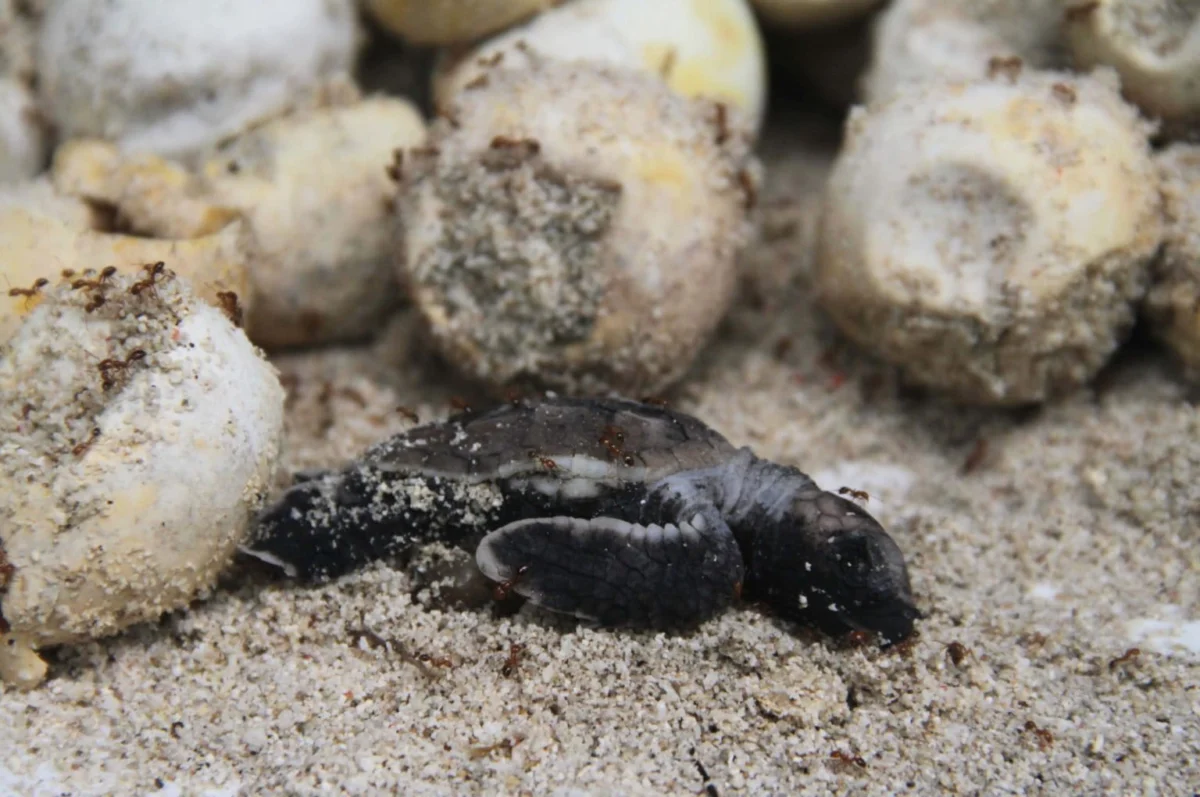
In the sprawling archipelago of Indonesia, the rhythmic sound of crashing waves and rustling coastal winds is increasingly being drowned out by the thrum of human activity. From the vibrant shores of Bali and Lombok to the developing coastlines of Yogyakarta and East Java, Indonesia’s beaches have undergone a radical transformation into hubs of 24-hour entertainment and tourism. While this shift is celebrated as a hallmark of economic vitality and post-pandemic recovery, it masks a growing ecological crisis. For the marine turtles that have utilized these shores for millions of years, the rise in anthropogenic noise—the sounds generated by human activity—represents a significant and often overlooked pressure that threatens their physiological health, behavioral patterns, and reproductive success.
Indonesia holds a unique and strategic position in the global effort to conserve marine megafauna. The nation’s waters and beaches serve as critical habitats for five of the world’s seven sea turtle species: the Green turtle (Chelonia mydas), the Hawksbill (Eretmochelys imbricata), the Olive Ridley (Lepidochelys olivacea), the Leatherback (Dermochelys coriacea), and the Loggerhead (Caretta caretta). Because these species use Indonesian territory for nesting, foraging, and as migratory corridors, the country is a linchpin in the Indo-Pacific conservation agenda. However, as coastal development accelerates, the "acoustic landscape" of these vital habitats is being permanently altered, creating a sensory barrier that could lead to a silent collapse of local populations.
The Evolution of the Coastal Acoustic Landscape
Marine turtles have evolved over millennia to navigate an environment defined by natural sounds. This "acoustic landscape" includes the low-frequency vibrations of tides, the sound of wind over dunes, and the specific signatures of coastal currents. Research indicates that many marine species, including turtles, rely on these environmental cues to make life-critical decisions, such as when to approach a beach, where to forage, and how to avoid predators.
The process of "natal homing"—the remarkable ability of a female turtle to return to the exact beach where she was born to lay her own eggs—is a complex navigational feat. While it is well-documented that turtles use the Earth’s magnetic field and chemical signatures (olfaction) to find their way, emerging studies suggest that the natural soundscape of a beach also plays a role in localized orientation. When this natural symphony is replaced by the roar of motorized vessels, the thumping bass of beach club speakers, and the general clamor of large crowds, the quality of environmental information available to the turtles is severely degraded. This "acoustic fog" can lead to disorientation, increased stress levels, and a reluctance to emerge from the surf.
A Chronology of Coastal Transformation and Rising Pressures
The transition of Indonesia’s coastlines from secluded natural sanctuaries to bustling economic zones has occurred with startling speed. In the late 20th century, most nesting sites in regions like West Java and the Lesser Sunda Islands were remote and inaccessible at night. However, the last two decades have seen a massive push for coastal infrastructure.
By the early 2010s, the focus of conservationists was primarily on direct threats: the poaching of eggs for consumption and the illegal trade in turtle shells. As law enforcement improved and public awareness grew, the narrative shifted toward the "plastic crisis" as Indonesia became one of the world’s largest contributors to marine debris. By the mid-2010s, the impact of "light pollution" became a focal point, as researchers realized that artificial lights on beaches disoriented hatchlings, leading them away from the ocean and toward roads or predators.
Today, in the mid-2020s, we are entering a new phase of anthropogenic pressure: the era of cumulative stressors. We are no longer dealing with single threats in isolation. A nesting turtle today must contend with plastic-choked waters, brightly lit hotels, and now, an increasingly loud environment. According to data from the United Nations Environment Programme (UNEP), the pace of coastal economic growth in Southeast Asia frequently outstrips the integration of habitat conservation principles into urban planning. This lag has left the acoustic dimension of conservation almost entirely unaddressed in Indonesian policy.
Physiological and Behavioral Impacts of Noise
The impact of noise on marine turtles is both direct and indirect. Unlike humans, who perceive sound primarily through their ears, turtles sense low-frequency sounds through bone conduction and specialized structures in their skulls. This makes them particularly sensitive to the heavy vibrations associated with construction, loud music, and heavy vehicle traffic.
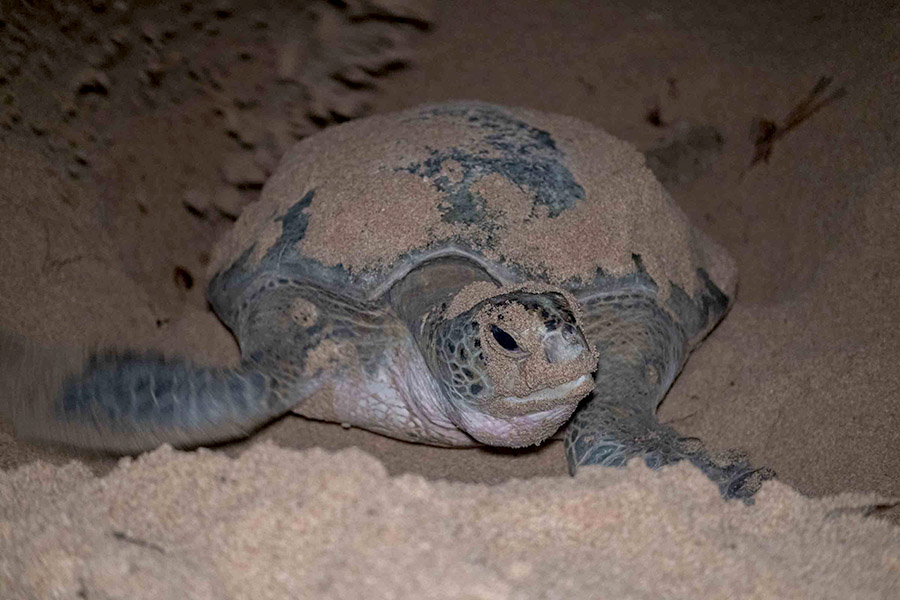
When a female turtle approaches a beach to nest, she is in a highly vulnerable state. High levels of noise can trigger a "flight" response, causing the mother to abandon her nesting attempt and return to the sea. This phenomenon, known as a "false crawl," is not merely a delay; it is a biological failure. If a turtle is forced to abort multiple nesting attempts due to human disturbance, she may eventually release her eggs in the water, where they have zero chance of survival. This results in the total loss of a reproductive cycle for that season, a devastating blow for species that already face low survival rates to adulthood.
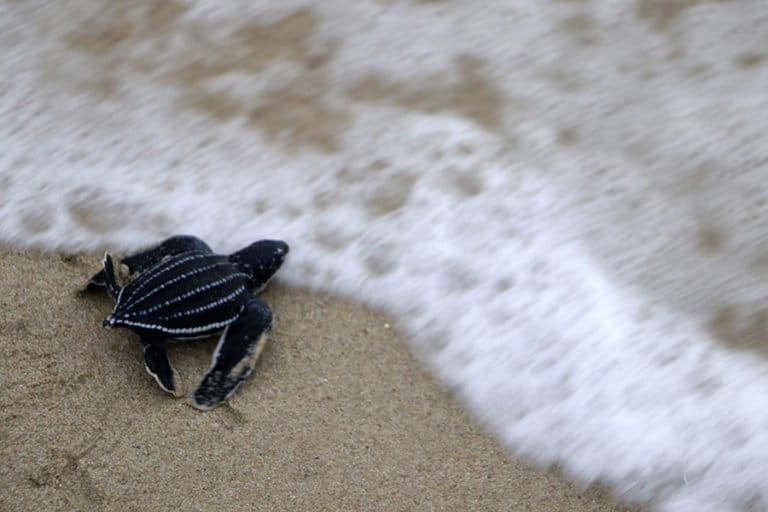
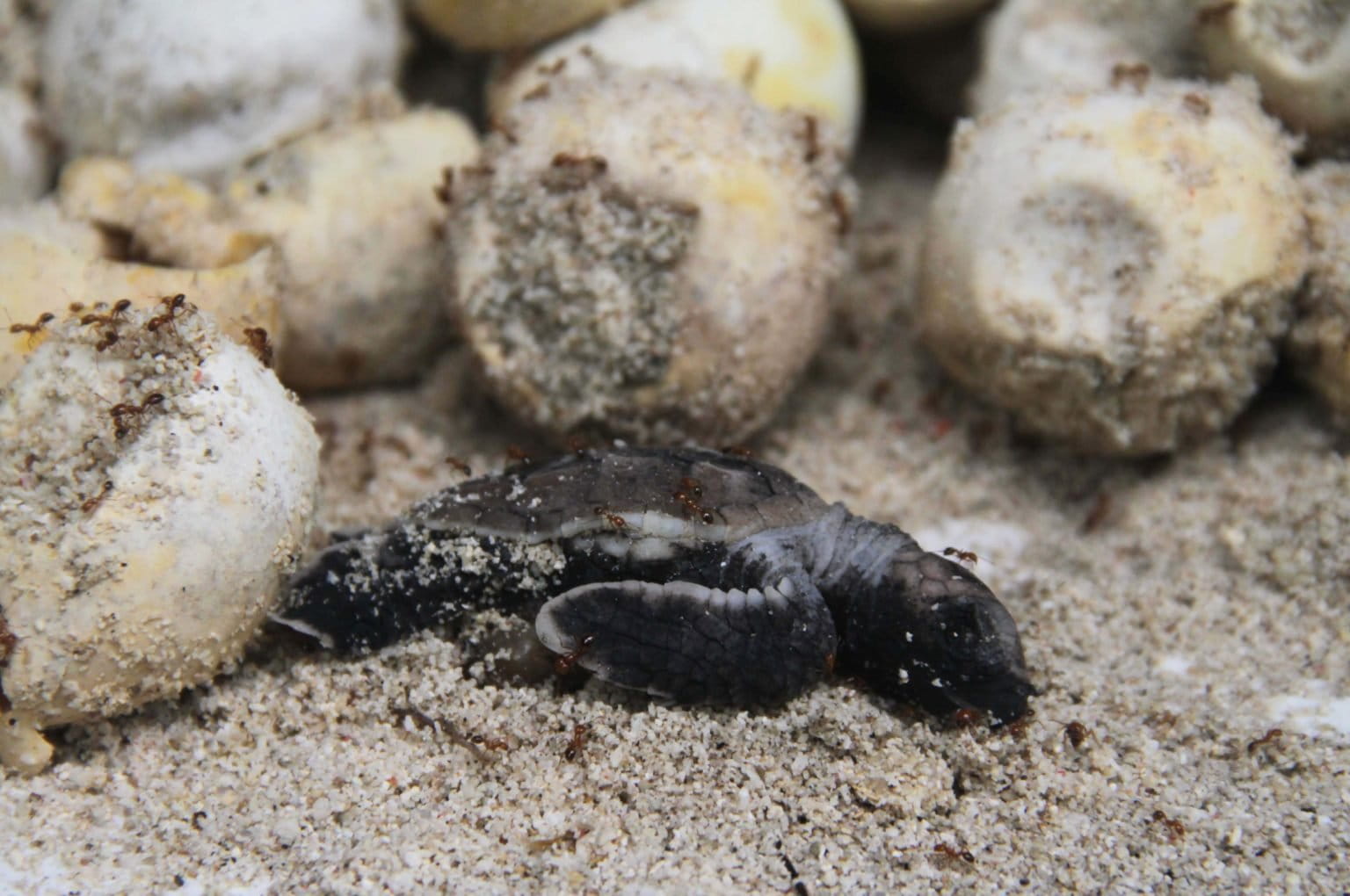
The danger persists for the next generation. Once hatchlings (locally known as tukik) emerge from the sand, they face a race against time. They must reach the water quickly to avoid dehydration and land-based predators. Recent studies, including those by Maeda et al. (2024), have shown that noise can interfere with the digging behavior of hatchlings and their subsequent movement toward the sea. When combined with the lure of artificial lights, noise acts as a "stress multiplier," exhausting the hatchlings’ limited energy reserves before they even reach the surf.
Regional Case Studies: From Bangka Belitung to Cilacap
The challenges are visible across the archipelago. In the Kepulauan Bangka Belitung, specifically on Gelasa Island, researchers have documented the presence of Green and Hawksbill turtles. These islands remain relatively pristine compared to Bali, yet even here, the encroachment of mining and increased boat traffic threatens the silence required for successful nesting.
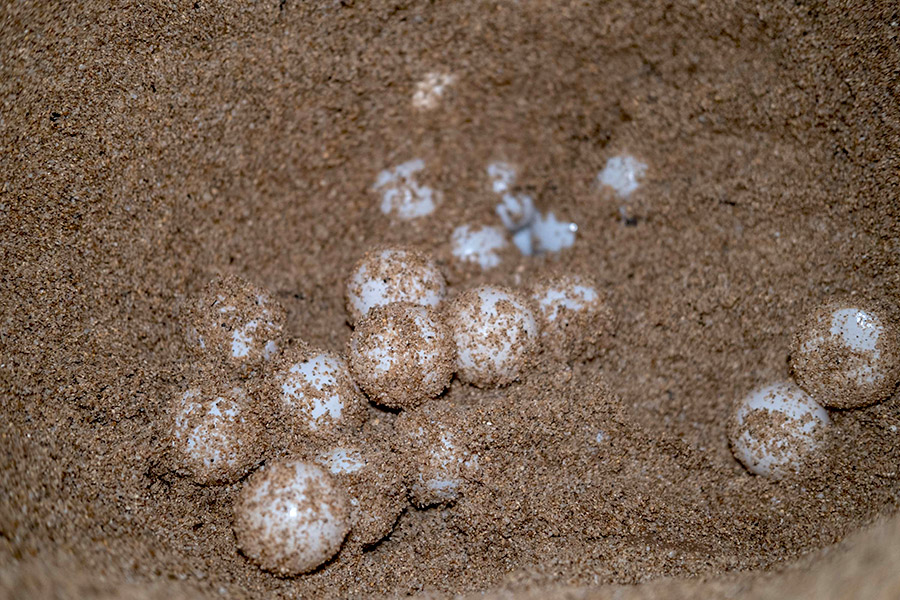
In contrast, Turtle Bay in Cilacap, Central Java, serves as a cautionary tale of industrial and urban overlap. As noted in the Asian Journal of Conservation Biology, the ecological dynamics of Turtle Bay are under constant pressure from the proximity of industrial hubs and human settlements. While local community leaders like Jumawan have made heroic efforts to protect nests, the broader environmental factors—including the noise from nearby shipping lanes and coastal activities—remain a hurdle that community-level conservation cannot solve alone.
In the Kepulauan Seribu (Thousand Islands) near Jakarta, the relocation of Hawksbill nests from islands like Bokor to more protected enclosures is a common practice. However, relocation is a reactive measure. It does not address the fundamental issue: the loss of the beach’s integrity as a natural habitat.
Towards an Integrated Coastal Management Policy
To safeguard the future of Indonesia’s sea turtles, the Ministry of Marine Affairs and Fisheries (KKP), in collaboration with the National Research and Innovation Agency (BRIN), must begin to incorporate "acoustic dimensions" into coastal management. Conservation can no longer be viewed simply as the act of protecting a species; it must be the act of protecting an entire ecological process.
Experts suggest several key interventions:
- Acoustic Zoning: Just as cities have noise ordinances, critical nesting beaches should have "Quiet Zones," particularly during peak nesting seasons. This would involve restrictions on loud music, motorized vehicles on the sand, and low-altitude drone flights.
- Buffer Zones: Development should be set back from the high-tide line, not just to prevent erosion, but to provide a physical buffer that absorbs the noise and light from inland commercial activities.
- Technological Standards: Encouraging the use of "silent" technologies in coastal tourism, such as electric boat motors and directional sound systems that minimize noise leakage into the marine environment.
- Public Integration: Shifting the tourism narrative from "entertainment at any cost" to "sustainable observation." Educational programs can teach tourists that the silence of a beach at night is not an absence of activity, but a requirement for the survival of an ancient species.
Analysis of Implications: The Risk of the "Silent Exit"
The most dangerous aspect of acoustic pollution is its invisibility. Unlike a forest fire or an oil spill, noise leaves no physical trace. If a beach becomes too loud, the turtles will not die en masse on the shore; they will simply stop coming. This "silent exit" is a precursor to localized extinction.
If Indonesia loses its status as a premier nesting ground, the impact will ripple across the Indo-Pacific. Sea turtles play a vital role in maintaining the health of seagrass beds and coral reefs—ecosystems that are essential for Indonesia’s fisheries and food security. The loss of turtles is, therefore, not just an environmental tragedy, but an economic risk to the millions of Indonesians who depend on the sea.
The future of the Green turtle, the Leatherback, and their kin depends on the decisions made today in the planning offices of Jakarta and the provincial halls of Bali and beyond. As we celebrate World Turtle Day and other environmental milestones, the message from the scientific community is clear: to save the turtle, we must first save the silence of the sands. If the beaches of Indonesia continue to grow louder and brighter, we may find that the only place left to see a sea turtle is in the history books of a quieter era. Protecting the silence is not merely an act of conservation; it is an act of ensuring that the natural heritage of the archipelago remains intact for the generations to come.