Nila Kartika Wati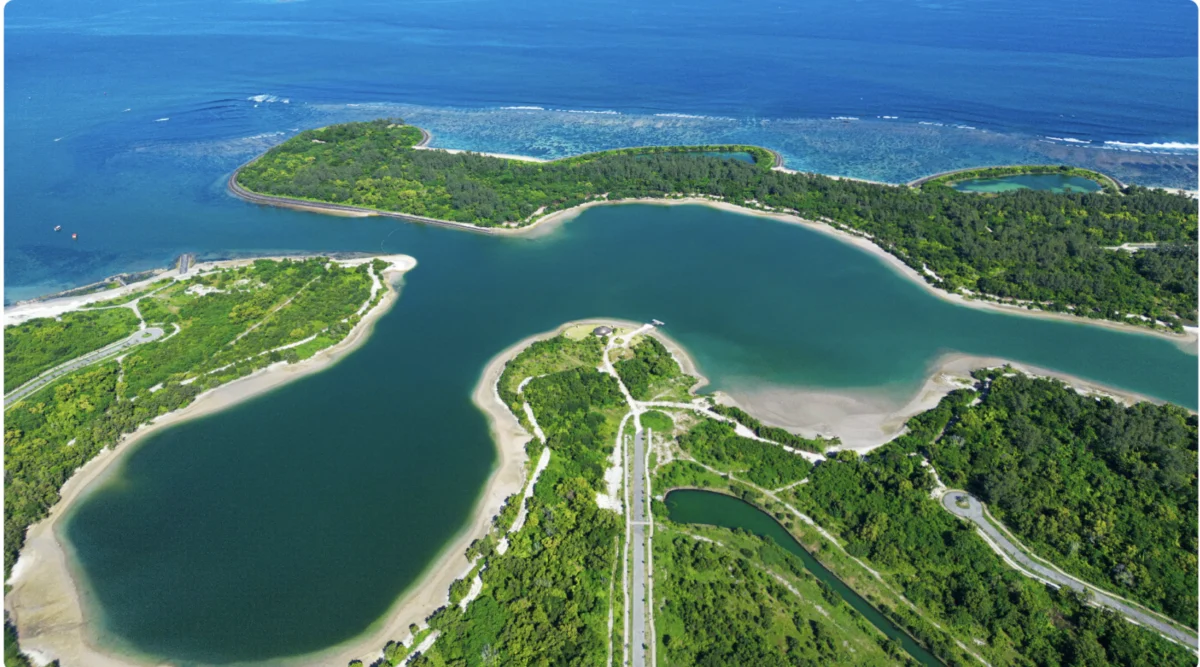
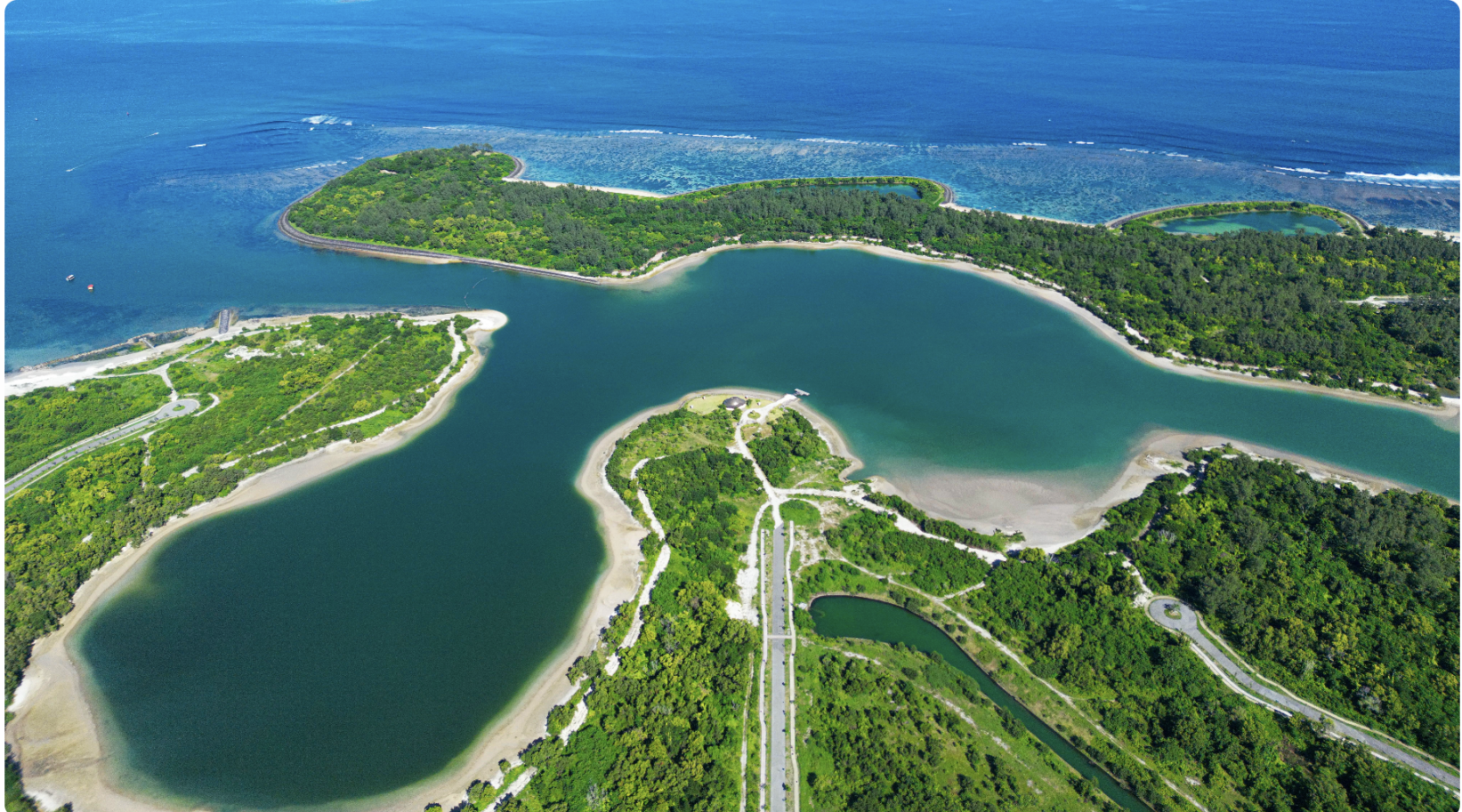
The development of the Kura-Kura Bali Special Economic Zone (SEZ), situated on Serangan Island, has come under intense scrutiny as provincial legislators and environmental advocates raise alarms over the destruction of vital mangrove ecosystems. The project, which has been gaining momentum since 2023, is now at the center of a heated dispute involving land-swap irregularities, alleged encroachments into the Ngurah Rai Forest Park (Tahura), and the displacement of local traditional livelihoods. While the central government envisions the area as a world-class destination for "quality tourism" and the creative industry, the reality on the ground reveals a stark conflict between ambitious economic targets and the preservation of Bali’s dwindling coastal defenses.
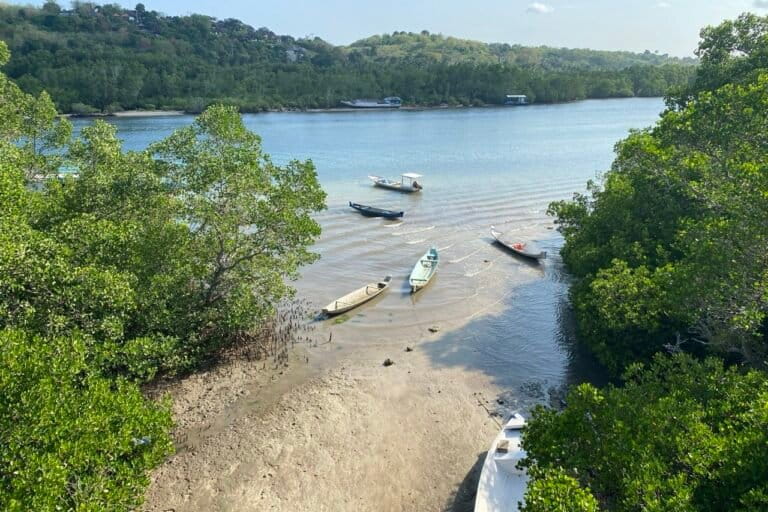
The controversy reached a boiling point on April 23, when Made Supartha, Chairman of the Special Committee for Spatial Planning, Assets, and Licensing (Pansus TRAP) of the Bali Regional House of Representatives (DPRD), conducted an unannounced field inspection at the project site. During the visit, the committee discovered heavy machinery actively clearing mangrove forests, which are integral components of the Tahura Ngurah Rai conservation area. The sight of uprooted trees prompted Supartha to demand an immediate cessation of all clearing activities, citing the irreplaceable ecological functions of the mangroves in protecting the southern coast of Bali from abrasion and supporting marine biodiversity.
Central to the dispute is the "tukar guling" or land-swap agreement between the project developer, PT Bali Turtle Island Development (BTID), and the Indonesian Ministry of Forestry. Under the terms of the agreement, BTID was required to provide replacement land in the Karangasem and Jembrana regencies in exchange for the utilization of land on Serangan Island. However, investigations by the Special Committee suggest that these replacement plots remain unaccounted for. Supartha noted that the land BTID claimed as replacement territory has not yet been secured or verified, leading to suspicions that the developer has failed to meet its legal obligations. Consequently, the committee has recommended that the Bali Civil Service Police (Satpol PP) seal the area and halt construction until the legal status of the land and the environmental impact of the clearing are fully resolved.
In response to these allegations, BTID has maintained that its operations are entirely legal. Anang Agung Ngurah Buana, Head of the Licensing Department at BTID, argued that the mangrove area in question is classified under a Right to Build (HGB) permit rather than being part of the protected Tahura forest. According to the developer, the area was previously designated as "convertible production forest" (HPK), allowing for its transition into commercial use. BTID further asserted that the land-swap process was finalized years ago, evidenced by official handover documents from the Ministry of Forestry. Despite these claims, the Bali DPRD remains unconvinced, pointing out that even if land holds HGB status, the destruction of mangroves is strictly regulated—and often prohibited—under national laws concerning coastal management and environmental protection.
The history of Serangan Island is one of radical transformation and long-standing environmental tension. Originally a small, 112-hectare island famous for its sea turtle nesting grounds and sacred temples, Serangan was subjected to a massive reclamation project in 1994 during the New Order era. The project, led by BTID, expanded the island’s landmass to approximately 480 hectares, physically connecting it to the Bali mainland. However, the 1998 Asian Financial Crisis and the subsequent fall of the Suharto regime left the reclaimed land dormant for decades, earning it the reputation of a "ghost island."
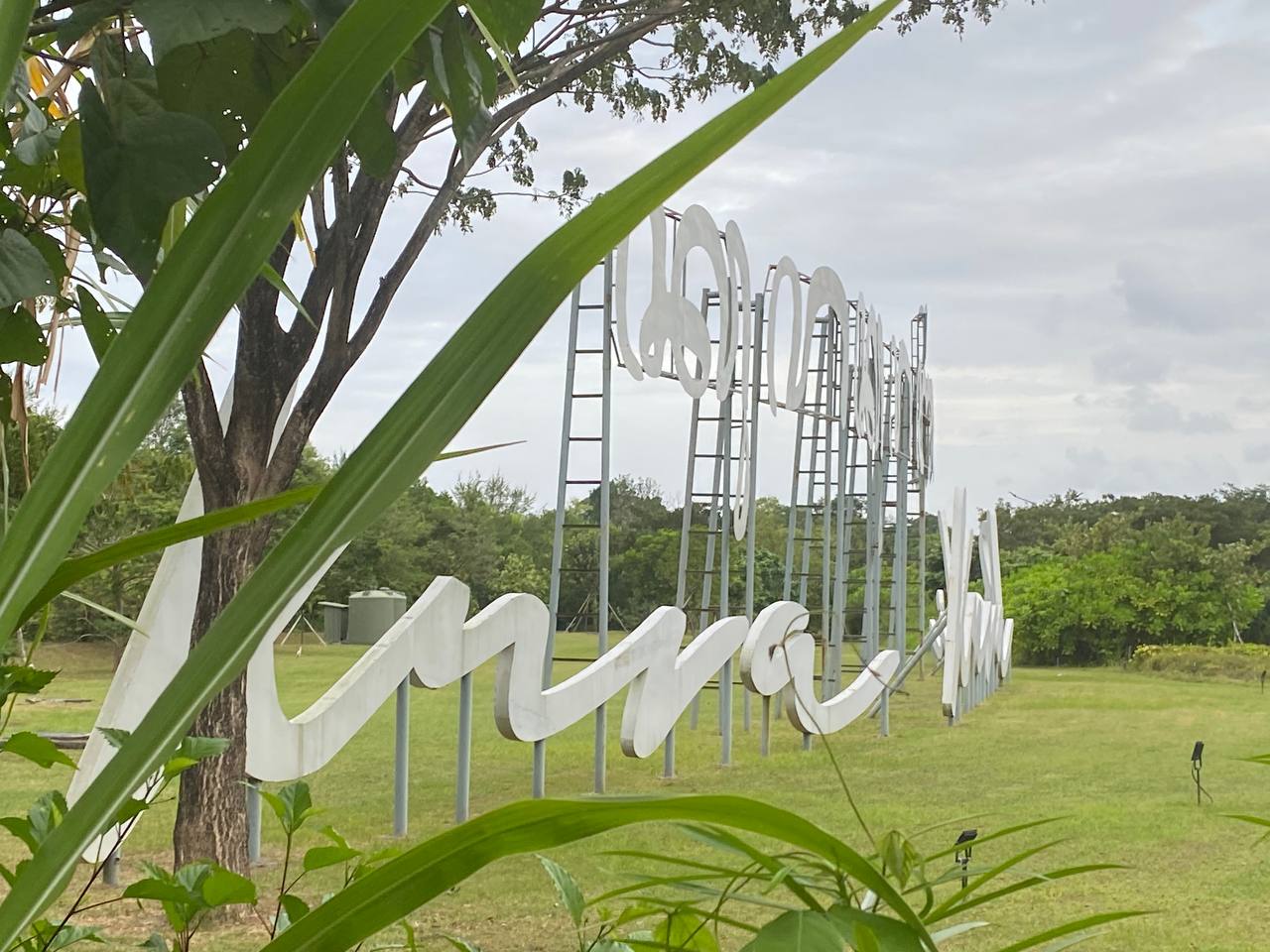
The project was revitalized under the administration of President Joko Widodo through Government Regulation No. 23 of 2023, which officially designated the area as the Kura-Kura Bali Special Economic Zone. According to the master plan published by the National Development Planning Agency (Bappenas) in 2022, the Kura-Kura Bali SEZ covers a total of 498 hectares. The government has set ambitious economic goals for the zone, projecting a total investment of IDR 104.4 trillion (approximately USD 6.5 billion) by 2052. The development is intended to feature luxury resorts, international schools, high-end medical facilities, and a marina, with the aim of attracting "high-net-worth individuals" and fostering a "Green Economy."
However, the pursuit of these economic milestones has seemingly come at the expense of the local community and the environment. Residents of Serangan have reported that the massive construction projects have restricted their access to the sea. For generations, the local population has relied on the mangrove-rich shallows to harvest fish, shrimp, and crabs. As the SEZ boundaries expand and mangroves are cleared, these traditional fishing grounds are disappearing, leading to economic marginalization for the island’s original inhabitants. Dewa Nyoman Rai, Secretary of the Pansus TRAP, emphasized that the social impact of the project cannot be ignored, stating that the "narrowing of movement" for local fishermen is a direct violation of their right to a sustainable livelihood.
The threats to the Tahura Ngurah Rai mangroves extend beyond the Kura-Kura Bali project. The forest park, which spans approximately 1,373 hectares, is the largest mangrove ecosystem in southern Bali and serves as a critical buffer for the Ngurah Rai International Airport and the surrounding urban centers of Denpasar and Kuta. In recent years, the area has faced a barrage of industrial and commercial encroachments. In September 2025, the Pansus TRAP was forced to shut down an illegal building materials factory owned by a Russian national that was operating deep within the conservation zone. Furthermore, various entertainment venues and commercial structures have been found encroaching on the forest borders, highlighting a systemic failure in spatial law enforcement.
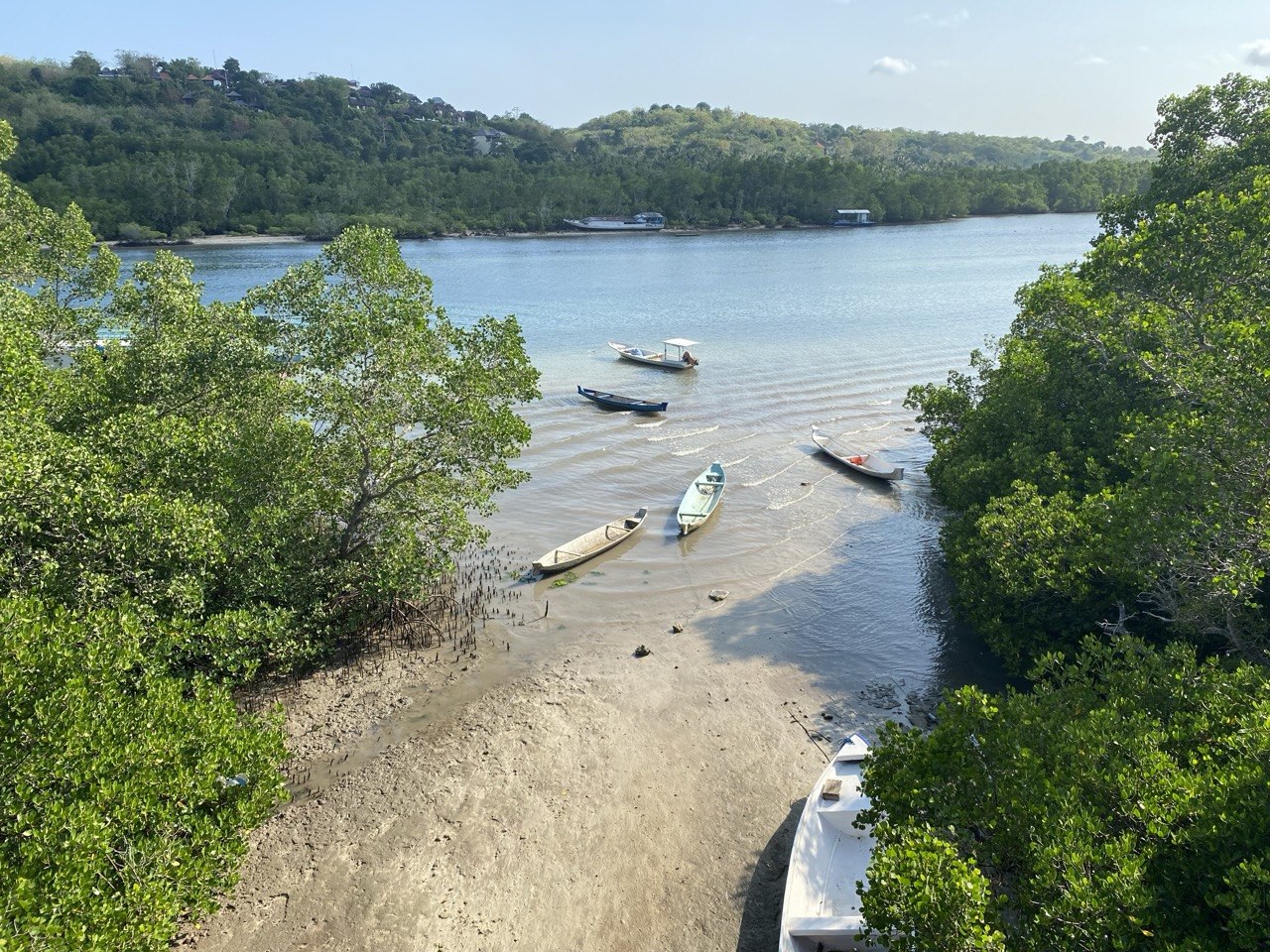
The ecological vulnerability of the region was further underscored in March 2026, when a massive die-off of mangroves occurred near Benoa Harbor. Thousands of trees withered and died following a suspected fuel leak from a subsea pipeline operated by the state energy company, Pertamina. While Pertamina initially offered conflicting reports regarding the leak, a joint investigation by the Port Authority (Syahbandar), Pelindo, and the Department of Environment and Forestry (DLHK) confirmed that a pipe rupture had occurred months earlier, and the subsequent cleanup efforts were insufficient.
A scientific analysis conducted by the Agricultural Hospital Team at Udayana University, led by coordinator Dewa Gede Wiryangga Selangga, provided grim details on the impact of the pollution. The research revealed that the mangroves suffered from "abiotic disease" caused by high concentrations of hydrocarbon contamination. The oil coated the specialized breathing roots (pneumatophores) of the trees, preventing them from absorbing oxygen and nutrients. This led to chlorosis (yellowing of leaves), stunted growth, and eventual mass mortality within weeks of exposure. The use of gas chromatography-mass spectrometry (GC-MS) confirmed that toxic aromatic compounds from the fuel had settled into the mud and sediment, creating a long-term toxic environment that prevents natural regeneration.
The intersection of these various threats—ranging from SEZ development and land-swap disputes to industrial pollution and illegal construction—paints a worrying picture for the future of Bali’s coastal integrity. Critics argue that the "Green Tourism" branding of the Kura-Kura Bali SEZ is inconsistent with the physical destruction of the very ecosystems that make Bali a desirable destination. The Tahura Ngurah Rai was a centerpiece of the 2022 G20 Summit, where world leaders planted mangrove saplings as a symbol of global commitment to climate action. The current clearing of these same forests for luxury real estate is seen by many as a betrayal of those environmental pledges.
As the Bali DPRD continues its investigation, the provincial government faces a difficult balancing act. On one hand, the Kura-Kura Bali SEZ represents a significant opportunity for post-pandemic economic diversification and infrastructure investment. On the other hand, the loss of the mangrove belt would leave the island significantly more vulnerable to rising sea levels and extreme weather events. The Pansus TRAP has signaled that it will not back down, demanding full transparency regarding the land-swap documents and an immediate restoration of any cleared mangrove areas that fall within the Tahura boundaries.
In the coming months, the resolution of the Kura-Kura Bali controversy will serve as a litmus test for Indonesia’s commitment to sustainable development. If the project proceeds without addressing the legal and environmental grievances raised by the legislature and the local community, it may set a dangerous precedent for other Special Economic Zones across the archipelago. For the people of Serangan and the fragile ecosystems of Tahura Ngurah Rai, the stakes could not be higher. The once-quiet island, which has already been reshaped by the ambitions of the past, now finds itself at the heart of a modern struggle to define the true cost of progress in Bali.