Nila Kartika Wati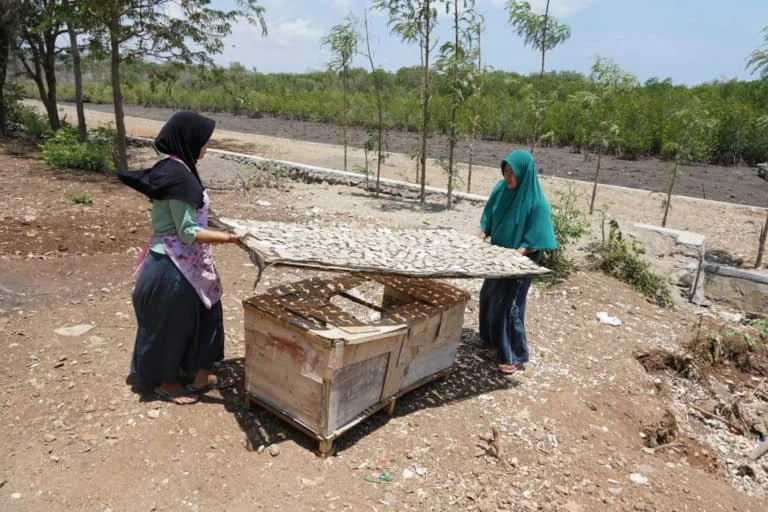
As Indonesia approaches the midpoint of 2026, the nations environmental and industrial landscape presents a complex tapestry of systemic crises and grassroots triumphs. While social media remains saturated with reports of habitat loss, land disputes involving indigenous communities, and the intensifying effects of climate change, specific regional developments have highlighted the precarious balance between economic development and ecological preservation. From the invasive species threatening the biodiversity of Balis iconic lakes to the human cost of the nickel boom in North Maluku, and the innovative waste-management strategies of coastal women in Lombok, the current state of the Indonesian archipelago serves as a microcosm for global sustainability challenges. This report examines five critical narratives that have defined the environmental discourse in the first half of 2026, analyzing their implications for policy, community welfare, and the future of Indonesias natural heritage.
The Ecological Crisis of Lake Batur: Invasive Species and the Decline of Local Fisheries
Lake Batur, a centerpiece of Balis Kintamani region and a vital component of the island’s UNESCO Global Geopark status, is currently facing an unprecedented ecological threat. The rapid proliferation of the "Red Devil" fish (Amphilophus labiatus), an invasive species originally from Central America, has fundamentally altered the lake’s ecosystem and decimated the livelihoods of local fishing communities.
The chronology of this invasion traces back several years, but by May 2026, the situation reached a critical tipping point. The Red Devil is characterized by its high reproductive rate, aggressive predatory behavior, and remarkable adaptability to varying water conditions. Unlike the native Nyalian fish, which have long been the staple catch for Batur’s fishermen, the Red Devil has no natural predators in the lake. It consumes the eggs and larvae of endemic species, leading to a sharp decline in biodiversity. Local fishermen report that their daily yields are now dominated by the invasive species, which possesses significantly lower market value than the native varieties.
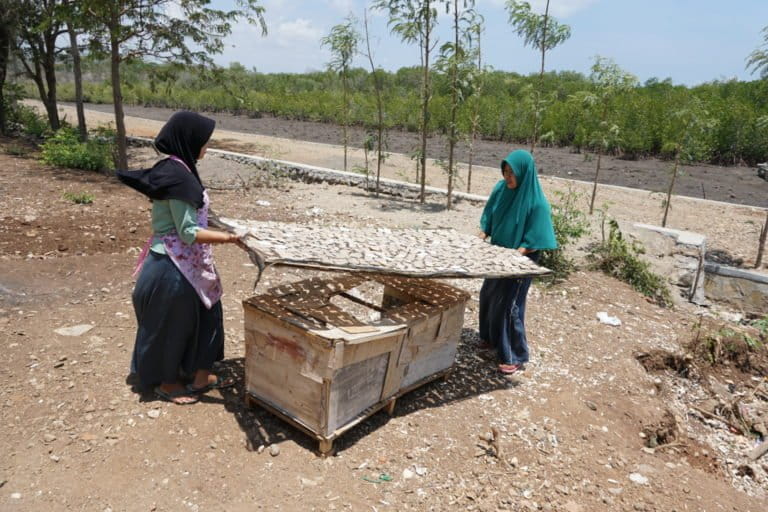
In response to the crisis, the Bali Provincial Department of Marine Affairs and Fisheries (DKP) has initiated a series of mass culling operations. These interventions involve the deployment of specialized nets and community-led fishing drives aimed at reducing the Red Devil population. However, ecological experts warn that while mass harvesting provides temporary relief, it does not address the root cause of the invasion. Long-term management requires a robust biosecurity framework to prevent the further introduction of non-native species and a comprehensive restoration plan for the lakes native flora and fauna. The economic impact on the Kintamani district is profound, as the decline in native fish stocks threatens food security and the traditional "Subak" cultural landscape that integrates agriculture and water management.
The Human Cost of the Nickel Boom: Labor Rights and Safety in Teluk Weda
As Indonesia solidifies its position as a global leader in the nickel industry—driven by the international demand for electric vehicle (EV) batteries—the industrial hubs of North Maluku have come under intense scrutiny. Recent reports from the Indonesia Weda Bay Industrial Park (IWIP) in Teluk Weda have revealed a disturbing trend of worker fatalities, including instances of sudden death, suspected suicides, and fatal industrial accidents.
The IWIP complex, which has been operational since 2018 and represents a massive influx of foreign investment, primarily from China, is a cornerstone of the nations "downstreaming" economic policy. However, the rapid expansion of the facility appears to have outpaced the implementation of adequate safety and mental health protocols. In May 2026, coinciding with International Workers Day, labor advocacy groups highlighted the phenomenon of karoshi—a term borrowed from Japanese culture to describe death from overwork—within the industrial park. The reports suggest that grueling shift schedules, high-pressure environments, and inadequate occupational health services have pushed many laborers to their breaking point.
The implications of these findings are significant for Indonesias reputation in the global supply chain. As international EV manufacturers face increasing pressure to ensure "clean" and ethical sourcing of raw materials, the labor conditions in Teluk Weda could pose a reputational risk to the nations nickel exports. Labor unions and human rights organizations are calling for an independent investigation into the working conditions at IWIP, demanding greater transparency, improved safety standards, and comprehensive support systems for the thousands of workers who sustain the industry. The clash between rapid industrialization and the fundamental right to safety remains one of the most pressing challenges for the Indonesian government in 2026.
The Shadow Economy of Gold: Smuggling and Environmental Degradation
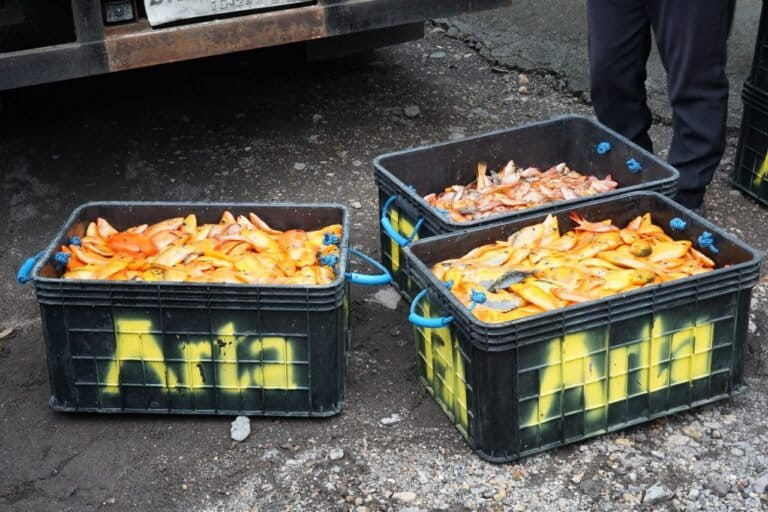
The intersection of illegal mining and international smuggling was brought into sharp focus in mid-May 2026, when authorities at Halim Perdanakusuma Airport in Jakarta intercepted a massive shipment of 190 kilograms of gold. Preliminary investigations suggest that the seized bullion is linked to illegal gold mining (PETI) operations, which continue to plague regions such as Pohuwato in Gorontalo and various districts in Kalimantan.
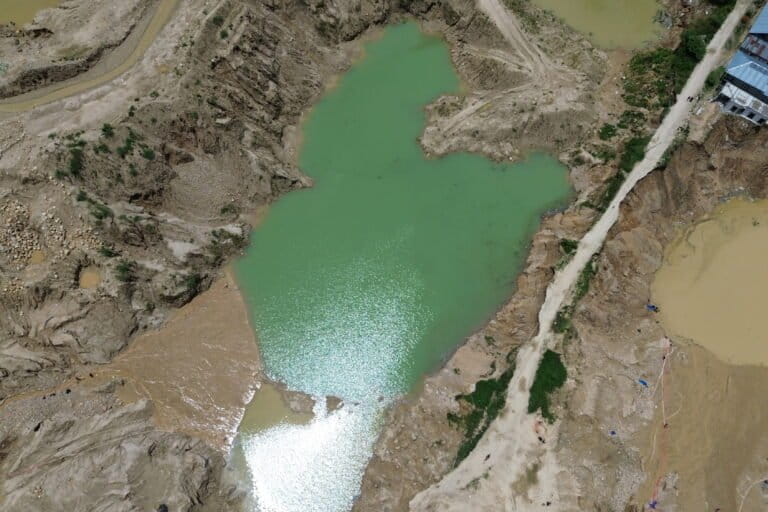
Illegal gold mining is not merely a financial crime; it is an environmental catastrophe. These operations typically rely on the use of mercury and cyanide to extract gold from ore, leading to the contamination of water tables and the destruction of forest ecosystems. The 190-kilogram seizure highlights the sophistication of the logistics networks that move illegal minerals from remote mining sites to urban centers and international markets.
Data from environmental watchdogs indicate that the ecological damage caused by these mines—including massive soil erosion and the loss of biodiversity—often goes unpunished, as the focus of law enforcement remains on the physical seizure of assets rather than the remediation of the land. Legal analysts have urged the Attorney General’s Office to maintain absolute transparency in the handling of seized gold. There are concerns that without rigorous oversight, confiscated minerals could be re-integrated into the shadow market through opaque auction processes. The case serves as a stark reminder of the need for a multi-agency approach to dismantle the financial incentives that drive illegal mining.
Guardians of the Forest: John Wompere and the Sustainable Agarwood Trade in Papua
In contrast to the narratives of exploitation, the story of John Wompere in Kampung Imbari, Papua, provides a blueprint for community-led conservation. Wompere has dedicated his life to the protection and sustainable cultivation of Agarwood (Gaharu), a high-value commodity often referred to as "the wood of the gods" due to its aromatic resin.
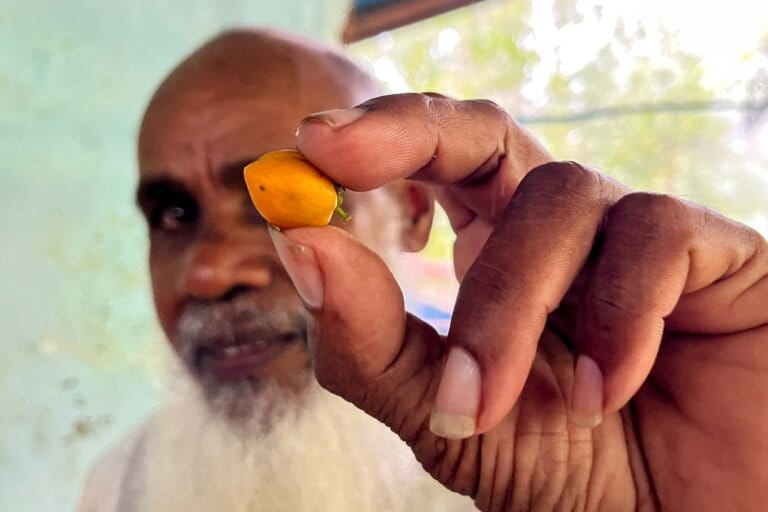
Agarwood is frequently the target of over-exploitation in the wild, as poachers often fell entire trees to find the resin-rich "gubal." However, Wompere’s approach emphasizes the holistic value of the tree. By utilizing the leaves for herbal teas and the bark for oils and soaps, he has demonstrated that the forest can provide a sustainable income without being destroyed. Wompere and his fellow villagers have established a community nursery to distribute Agarwood seedlings, ensuring that the species remains a permanent fixture of their ancestral lands.
This grassroots initiative in Papua highlights the critical role of indigenous stewardship in forest preservation. In a province often caught between large-scale land concessions and conservation goals, the Kampung Imbari model shows that economic development can be aligned with ecological integrity. Wompere’s work not only protects a valuable species but also strengthens the community’s claim to their customary forests, providing a buffer against the encroachment of industrial logging and monoculture plantations.
Coastal Innovation in Lombok: Transforming Waste into Economic Opportunity
In the coastal villages of Lombok, a different kind of revolution is taking place—one led by women and centered on the principles of the circular economy. In Desa Paremas and Desa Sugian, local women’s collectives have successfully transformed crab shells and fish waste into marketable food products, addressing both environmental pollution and economic instability.
Traditionally, crab shells were discarded as waste, accumulating on beaches and contributing to local pollution. Recognizing the untapped potential of this "waste," the women of Paremas developed a process to clean, grind, and flavor the shells, turning them into high-calcium crackers. In neighboring Sugian, women have diversified their production to include tuna-based abon (shredded meat), fish balls, and frozen meals.
This innovation is particularly vital in 2026, as climate change and unpredictable weather patterns have made traditional fishing increasingly precarious. When the seas are too rough for their husbands to go out, the income generated from processed seafood products provides a crucial safety net for coastal families. This shift toward "blue economy" value-adding activities demonstrates how small-scale community interventions can build resilience against global environmental shifts. By reducing waste and creating new revenue streams, these women are not only cleaning their coastlines but also redefining the role of women in the maritime economy.
Analysis of Broader Implications and the Path Forward
The five narratives detailed above illustrate the dual nature of Indonesia’s environmental journey in 2026. On one hand, the nation faces systemic threats from invasive species, industrial negligence, and organized crime. On the other, the resilience of individuals like John Wompere and the women of Lombok offers a glimpse of a more sustainable future.
The overarching challenge for the Indonesian government lies in the integration of these lessons into national policy. The crisis in Lake Batur highlights the need for a national biosecurity strategy, while the tragedies in Teluk Weda demand a re-evaluation of the human cost of the energy transition. Furthermore, the 190-kilogram gold seizure underscores the necessity of strengthening the rule of law in the extractive sector.
As Indonesia moves toward the latter half of the decade, the success of its environmental and social goals will depend on its ability to support grassroots innovation while simultaneously enforcing strict regulatory standards on large-scale industries. The stories of mid-2026 serve as both a warning and an inspiration, reminding the nation that true progress is measured not just by GDP growth, but by the health of its ecosystems and the safety of its people.