Nila Kartika Wati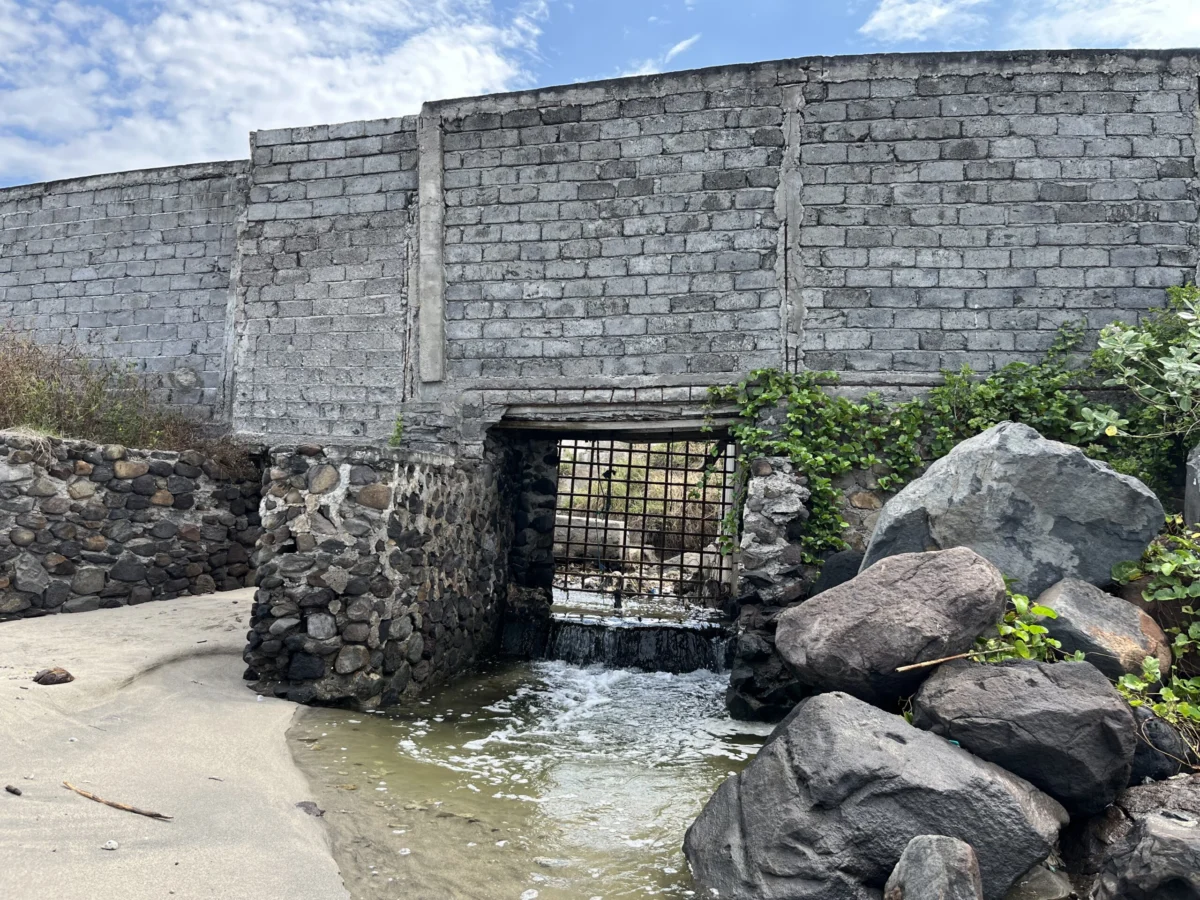
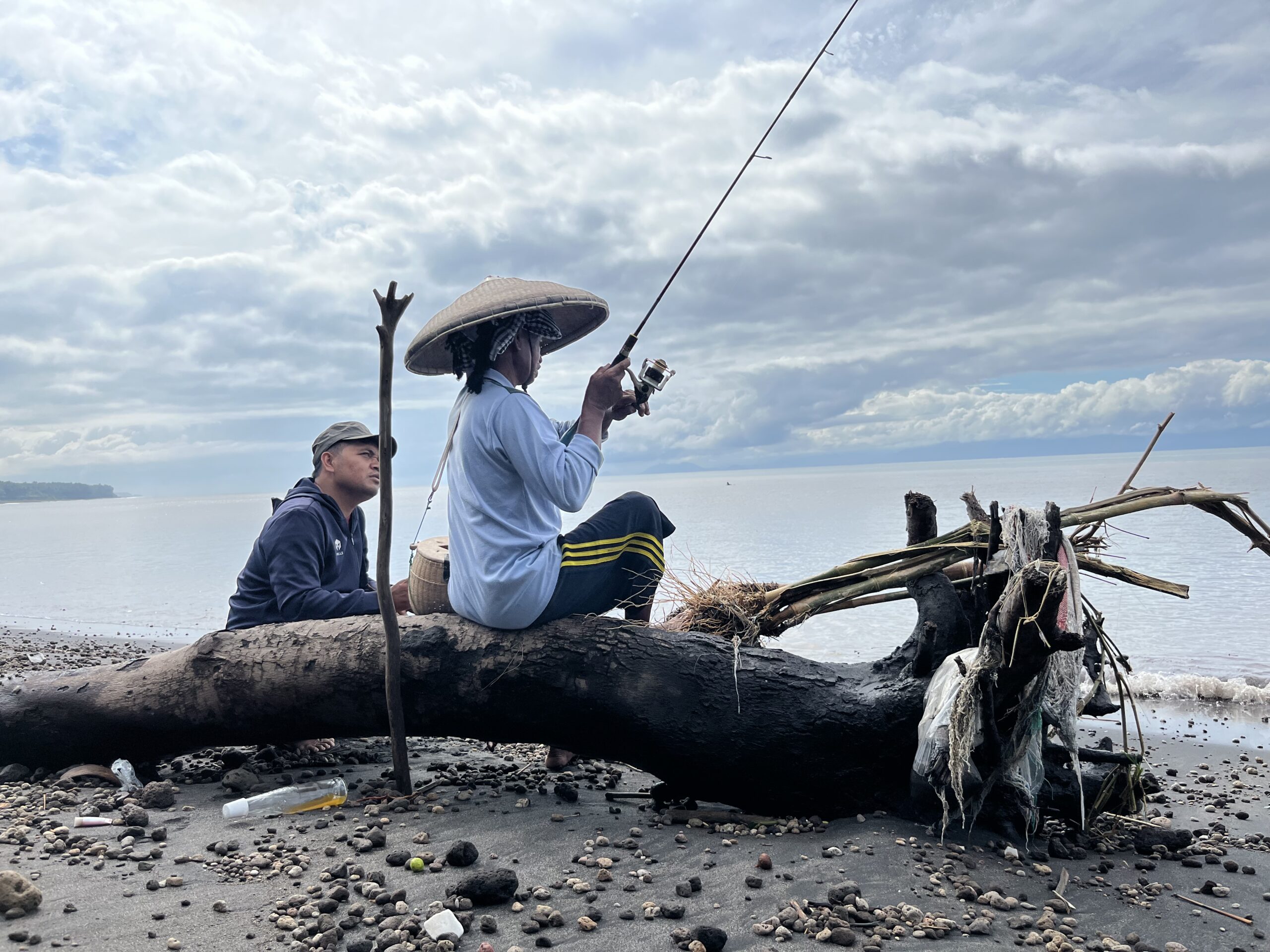
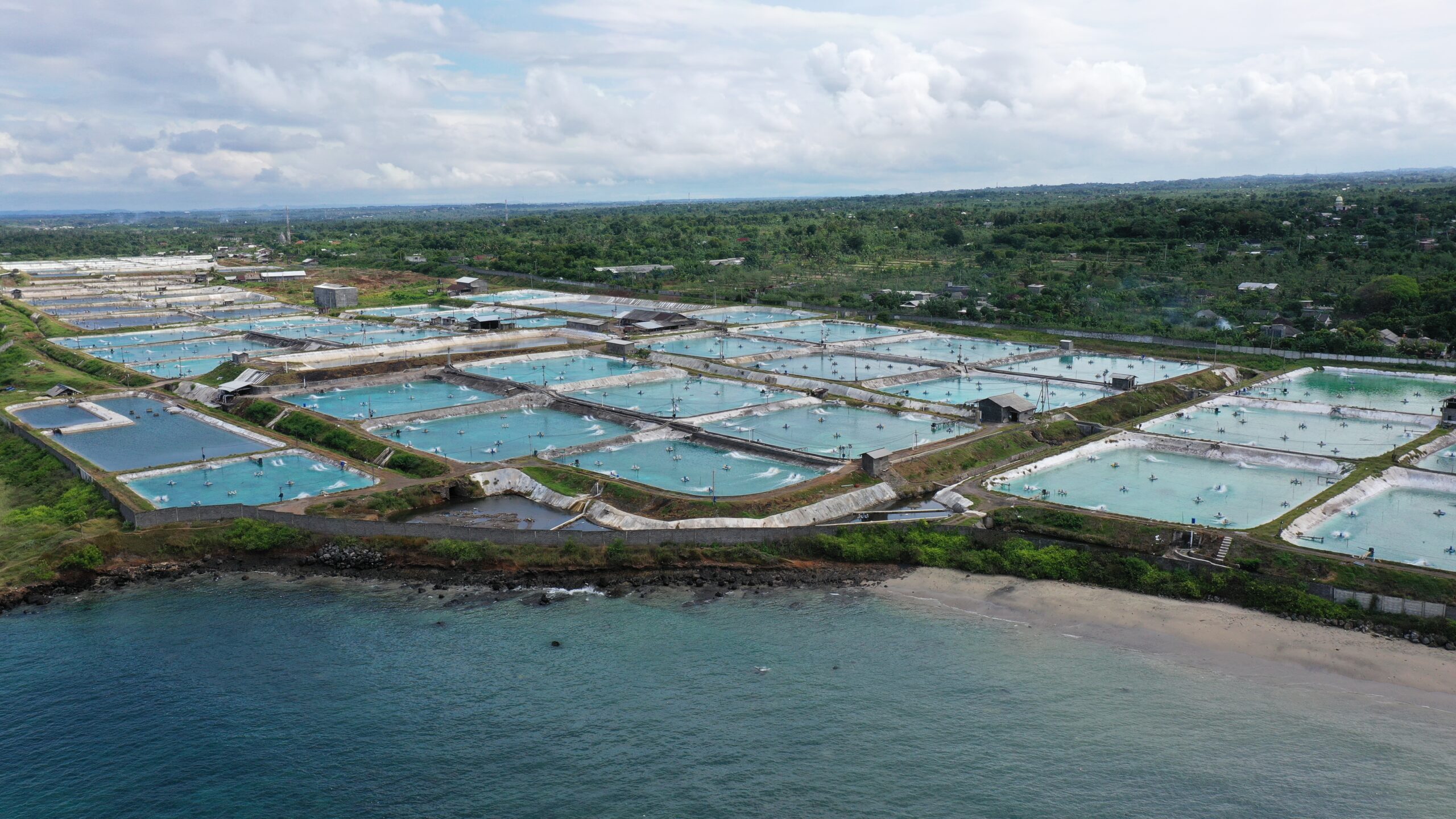
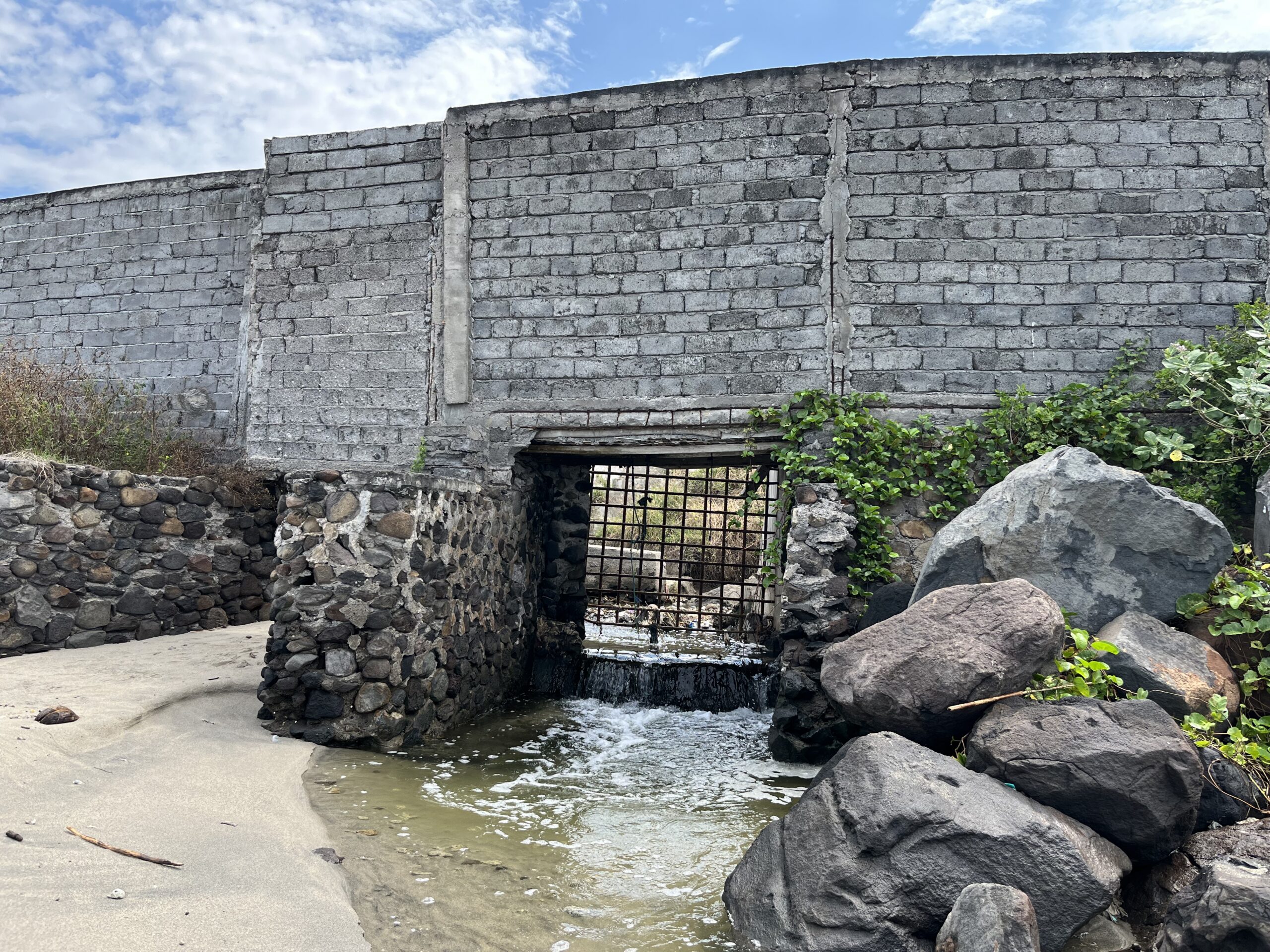
In the coastal village of Sepolong, located in the Labuhan Haji District of East Lombok, Alisah, a 70-year-old fisherman, stands on the shore and gazes at a long line of concrete walls. These structures, belonging to intensive shrimp farms, now dominate the horizon where the open sea once met the land. For over three decades, Alisah has relied on these waters to sustain his family, catching small fish, squid, and crabs. Today, the landscape of his livelihood has fundamentally shifted. The sea breeze, once fresh, now carries the faint hum of aerator engines, and the once-pristine turquoise waters are frequently clouded with a brownish, murky discharge near the farm outlets.
The transformation of the East Lombok coastline is not merely a change in scenery; it represents a profound ecological and social disruption. Alisah’s experience is a microcosm of a larger crisis unfolding across the West Nusa Tenggara (NTB) province. Where he once earned upwards of Rp300,000 in a single day, he now struggles to bring home Rp50,000 to Rp70,000. The fish stocks—tembang, selar, and various crustaceans—have retreated as their habitats are degraded by industrial waste and the physical enclosure of the coast. "The beach used to be open. We were free to find fish right at the edge," Alisah says. "Now, almost everything has changed."
The Rapid Expansion of Intensive Aquaculture
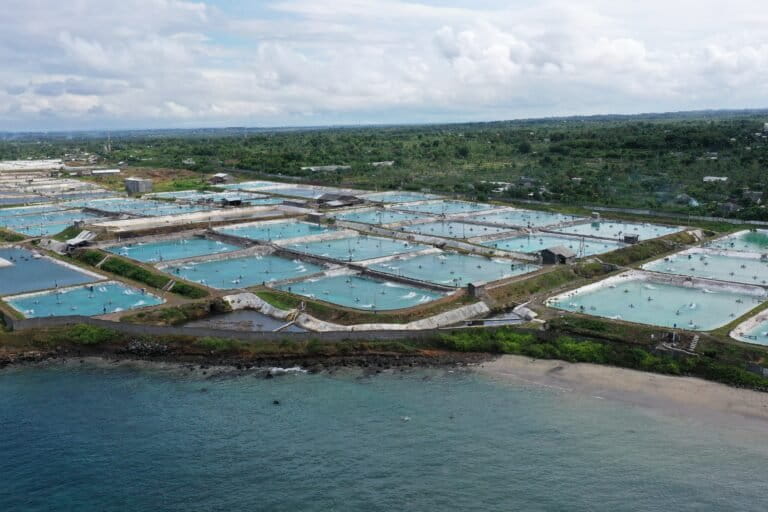
The growth of the shrimp industry in East Lombok is part of a broader national strategy to position Indonesia as a global leader in seafood exports. According to data from the Ministry of Marine Affairs and Fisheries (KKP), the production value of shrimp in East Lombok averages approximately Rp1 billion annually, with total production between 2020 and 2023 reaching 47,153 tons. In East Lombok alone, 42 entities currently manage intensive shrimp farms covering approximately 649.67 hectares.
This expansion is fueled by the high global demand for vannamei shrimp, a commodity prized for its high export value and contribution to national foreign exchange reserves. However, the speed of this industrial growth has far outpaced the government’s ability to regulate and monitor its environmental footprint. The result is a landscape where industrial success is built upon the erosion of traditional community rights and ecological health.
Ecological Degradation and the Loss of Biodiversity
The environmental impacts of these farms are multifaceted, ranging from the destruction of physical habitats to the chemical alteration of seawater. In the village of Sugian, Alihanafi, a local resident, reports a drastic decline in the mud crab population. This decline is directly linked to the removal of mangrove forests to make way for shrimp ponds. Mangroves serve as critical "nurseries" for the ocean, providing shelter for juvenile fish, crabs, and shrimp. Without these forests, the natural recruitment of marine life fails, leading to a collapse in local biodiversity.
Furthermore, the waste management practices of many farms are under scrutiny. Traditional fishermen like Awaludin have observed that when farms flush their ponds or dispose of waste, the sea turns black and muddy. This discharge often contains high levels of organic matter, residual feed, shrimp excrement, and chemical additives used to maintain water quality within the ponds.
When these nutrients—specifically nitrogen and phosphorus—enter the open ocean in high concentrations, they trigger a process known as eutrophication. This leads to "algal blooms" that deplete oxygen levels in the water, suffocating fish and coral reefs. In Padak Guar, Syahdan, a local boatman, notes that the sediment from these farms is slowly burying the coral reefs that once supported a vibrant tourism industry. "The smell is pungent when the farms discharge water," he explains. "The coral is dying, the fish are moving further out, and tourists are staying away because the water is so murky."
A Crisis of Compliance: The Regulatory Gap
Perhaps the most alarming aspect of the shrimp farm boom in NTB is the widespread lack of legal compliance. Investigations by the Corruption Eradication Commission (KPK) and the NTB Marine and Fisheries Office (DKP) reveal a staggering disparity between the number of operating farms and those with valid permits. Out of approximately 1,071 shrimp farms operating across NTB, an estimated 881 are functioning without complete operational or environmental permits. This means that only about 10% of the industry meets the full legal and environmental standards required by the state.
The data further breaks down into specific regulatory failures:
- Only 33 farms have environmental permits from the Office of Environment and Forestry.
- Out of 779 recorded farms, only 82 possess the required Marine Space Utilization Suitability (KKPRL) documents.
- The DKP NTB records show that only 197 farms hold a valid Fishery Business License (SIUP).
Muslim, the Head of the NTB Marine and Fisheries Office, admits that field supervision has been severely lacking. While permits are issued as administrative requirements, there is little "uji petik" (field auditing) to ensure that the farms actually implement the waste treatment systems (IPAL) promised in their documentation. "It is natural for fishermen to complain," Muslim stated. "They are trying to make a living in the same waters that are being used as a waste dump."
Socio-Economic Displacement and Conflict of Space
The conflict in East Lombok is fundamentally a struggle over space. Amin Abdullah, from the Fisherman’s Resource Empowerment Agency (LPSDN), points to the Regional Spatial Plan (RTRW) of NTB (Regulation No. 5 of 2023) as a source of concern. The regulation projects more than half of the coastal areas of Lombok for aquaculture development.
"If almost all coasts are turned into cultivation spaces, where is the living space for the fishermen?" Abdullah asks. He argues that the current development model is overly oriented toward investment, often ignoring the "invisible" inhabitants of the coast: women who glean shellfish, salt farmers, and traditional fishermen who lack the capital to compete with industrial entities.
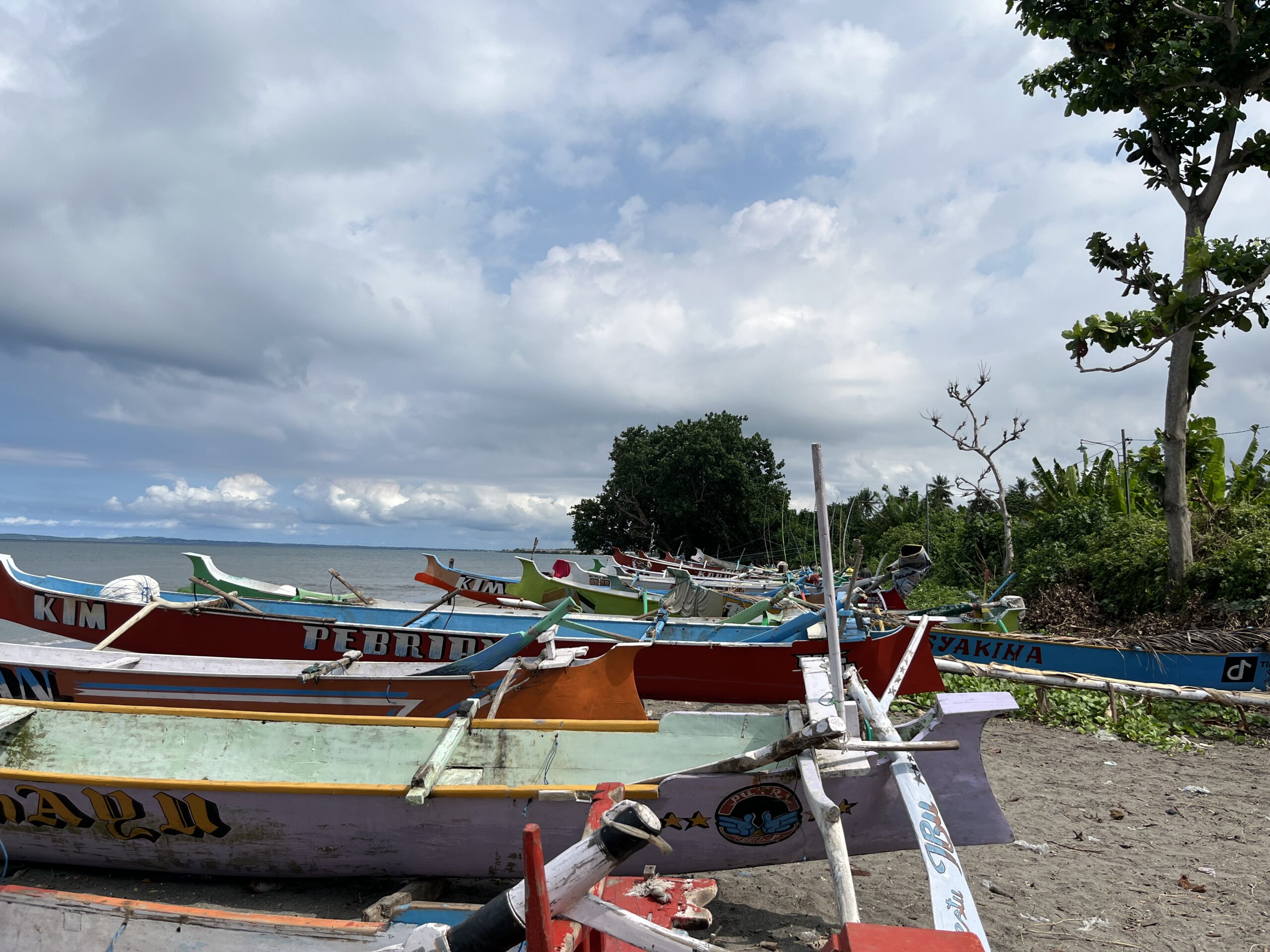
As farms erect walls and fences to protect their investments, they physically block access to the sea. This privatization of the coastline forces small-scale fishermen to travel further into the open ocean in search of catch. However, their small "ketinting" boats are not equipped for the rougher waters of the deep sea, significantly increasing the risk of accidents and raising operational costs for fuel.
Toward a Sustainable Future: The Need for Reform
The provincial government of NTB is currently attempting to address these issues through the drafting of a Governor’s Regulation (Pergub) that will provide a technical guide for administrative sanctions against companies that violate environmental rules. This regulation is intended to serve as the enforcement arm of Regional Regulation No. 14 of 2025 concerning the Management of Marine and Fisheries Resources.
However, environmental advocates and local communities argue that more than just new regulations are needed. They are calling for:
- A Comprehensive Audit: A full review of all existing shrimp farms to verify their waste treatment systems and legal standing.
- Mangrove Protection: A moratorium on the conversion of remaining mangrove forests into aquaculture ponds.
- Community Consultation: Ensuring that coastal communities are included in the spatial planning process and that their traditional fishing grounds are legally protected.
- Investment Accountability: Holding investors accountable for the restoration of ecosystems damaged by their operations.
In many parts of the world, the "Blue Economy" is being redefined to include not just economic output, but the preservation of ecological integrity and social equity. For the people of East Lombok, this transition cannot come soon enough. For Alisah and his fellow fishermen, the sea is not just a resource to be extracted; it is their identity and their children’s future. As Alisah concludes, "If the sea is destroyed, what else are we supposed to do? This is our home."
The situation in East Lombok serves as a stark reminder that when industrial growth occurs in a regulatory vacuum, the most vulnerable populations and the environment pay the highest price. The coming years will determine whether NTB can balance its ambitions as an export powerhouse with its responsibility to protect the natural heritage of its coastlines.