Nila Kartika Wati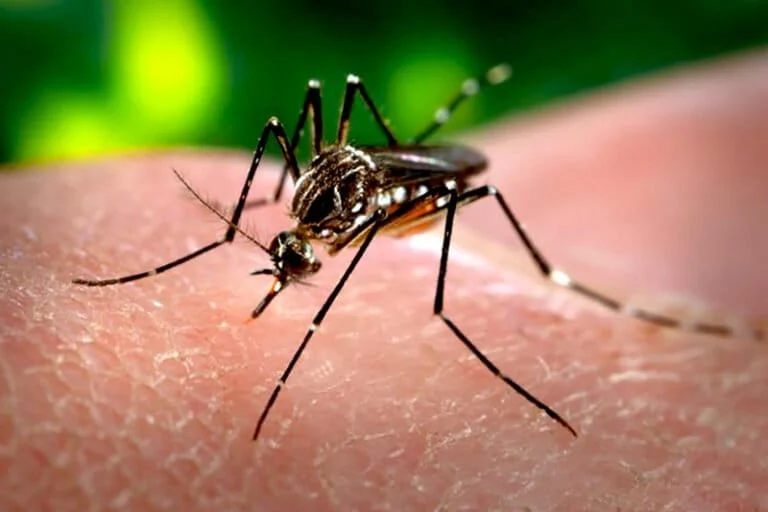
While the collective human imagination often conjures images of apex predators such as lions, great white sharks, or venomous king cobras when considering the world’s most dangerous creatures, the reality of biological lethality is far smaller and much more ubiquitous. The mosquito, a fragile insect often regarded as little more than a seasonal nuisance, is officially the deadliest animal on the planet. According to data aggregated by research institutions including Our World in Data and the World Health Organization (WHO), mosquitoes are responsible for approximately 760,000 human deaths every year. This figure places them well ahead of human beings, who rank second as the leading cause of death among their own kind through homicide and warfare.
The mosquito’s status as a global killer is not due to its bite itself, but rather its role as a highly efficient biological vector. These insects are responsible for roughly 17% of the global burden of infectious diseases. The pathogens they carry—ranging from the Plasmodium parasites that cause malaria to viruses such as dengue, yellow fever, chikungunya, and Zika—wreak havoc on public health systems and economies across the globe. As the world faces the escalating challenges of climate change, the threat posed by these insects is no longer confined to tropical regions. Rising global temperatures and shifting precipitation patterns are extending the mosquito’s breeding seasons and allowing them to colonize higher altitudes and northern latitudes, creating an urgent need for a definitive solution to this ancient adversary.
The Burden of Mosquito-Borne Diseases and the Climate Catalyst
The historical impact of mosquito-borne diseases is staggering. Malaria alone continues to be a leading cause of childhood mortality, particularly in sub-Saharan Africa. In 2022, the WHO estimated there were 249 million cases of malaria globally, resulting in 608,000 deaths. Beyond the human toll, these diseases exert a crushing economic weight on developing nations, trapping communities in cycles of poverty due to lost productivity and overwhelmed healthcare infrastructures.
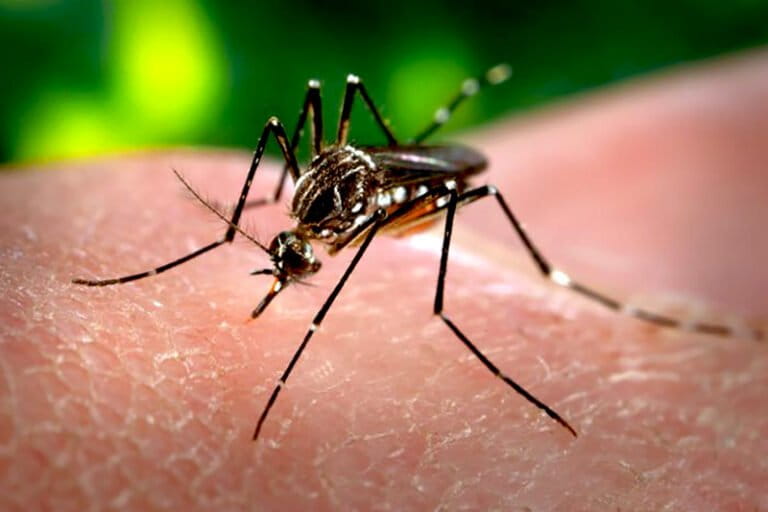
The geography of these diseases is currently in a state of flux. Scientists have observed that the Aedes aegypti and Aedes albopictus mosquitoes, which transmit dengue and Zika, are moving into previously temperate zones. Southern Europe, parts of the United States, and higher elevations in the Andes and Himalayas are seeing an uptick in mosquito activity. Longer, hotter summers and more frequent flooding events provide the perfect environment for mosquito larvae to thrive. This expansion has shifted the conversation from one of regional containment to a global health security priority.
Selective Eradication: Target the Few to Save the Many
One of the most persistent questions in modern entomology is whether humanity should—or even could—eradicate mosquitoes entirely. However, experts emphasize that "the mosquito" is not a monolithic entity. There are more than 3,500 known species of mosquitoes on Earth, and the vast majority of them play no role in human illness. Most mosquito species feed on plant nectar or the blood of non-human animals, and many are essential components of their local ecosystems.
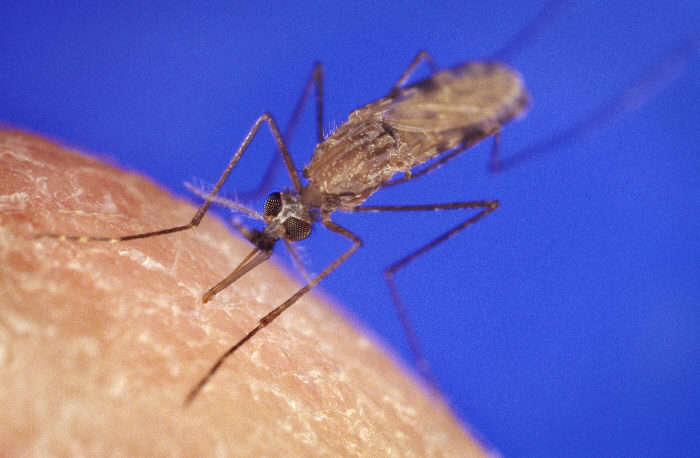
According to Hilary Ranson, a vector biologist at the Liverpool School of Tropical Medicine, the global health crisis is primarily driven by just a handful of species. Research suggests that approximately five species are responsible for 95% of human infections. These include Anopheles gambiae, the primary spreader of malaria in Africa, and Aedes aegypti, the primary vector for dengue and yellow fever. Ranson argues that the total eradication of these specific species would be a "tolerable" loss given the massive scale of human suffering they cause.
Dan Peach, an entomologist at the University of Georgia, concurs that while the elimination of these specific killers would be beneficial, it is vital to proceed with a full understanding of the ecological consequences. These species have evolved to live in close proximity to humans, often breeding in man-made containers and feeding almost exclusively on human blood. Because they occupy a niche created by human urbanization, their removal might not cause the ecological collapse that some fear.
The Ecological Debate: Risks of "Speciesicide"
The prospect of intentionally driving a species to extinction—a concept sometimes referred to as "speciesicide"—raises significant ethical and environmental questions. Critics of total eradication point out that our understanding of mosquito ecology remains incomplete. In many environments, mosquito larvae serve as a vital food source for fish and amphibians, while adult mosquitoes are consumed by birds, bats, and dragonflies. Furthermore, some species act as pollinators for various plants.
However, proponents of targeted eradication, such as Ranson, point out that humans are already causing a "sixth mass extinction" through habitat destruction and pollution, often wiping out species that are beneficial or neutral to the environment. Choosing to eliminate a species that kills hundreds of thousands of children every year is, in their view, a moral imperative. The prevailing scientific consensus suggests that if the five most dangerous species were removed, other, less harmful mosquito species would likely fill the ecological void without disrupting the broader food web.
Breakthrough Technologies: Gene-Drive and Wolbachia
To address the mosquito problem without resorting to indiscriminate chemical spraying, which often harms other insects like bees, scientists have developed sophisticated genetic and biological tools.
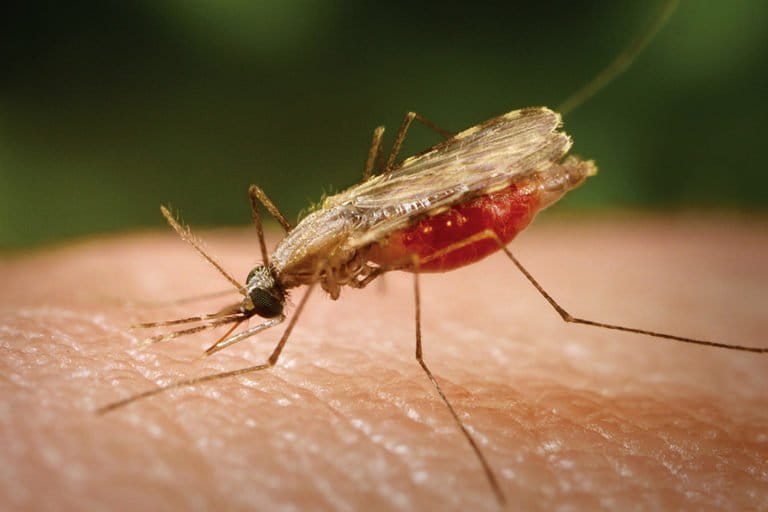
One of the most promising and controversial technologies is "gene-drive." Utilizing CRISPR-Cas9 gene-editing technology, scientists can "drive" a specific trait through a population at a rate much higher than standard Mendelian inheritance. For instance, researchers can engineer mosquitoes to produce only male offspring or to make females sterile. In laboratory settings, gene-drive systems have successfully crashed populations of Anopheles gambiae within just a few generations. Organizations like Target Malaria, which receives significant funding from the Bill & Melinda Gates Foundation, are working toward field trials of this technology, with a target date of 2030.
Another highly successful approach involves the use of Wolbachia, a naturally occurring bacterium found in many insects but not originally in Aedes aegypti. When mosquitoes are infected with Wolbachia, the bacterium competes with viruses like dengue and Zika inside the insect’s body, making it much harder for the mosquito to transmit the disease to humans. Furthermore, when a Wolbachia-infected male mates with a non-infected female, the eggs do not hatch, providing a method of population control.
The World Mosquito Program, led by founder Scott O’Neill, has seen remarkable success with this method. In Niteroi, Brazil, the release of Wolbachia mosquitoes led to an 89% reduction in dengue cases. To date, more than 16 million people across 15 countries have been protected by this technology, with no recorded negative impacts on local ecosystems.
Political Obstacles and the Burkina Faso Case Study
Despite the scientific promise of these technologies, the path to implementation is fraught with political and social challenges. The case of Burkina Faso serves as a cautionary tale for international health initiatives. In recent years, the military government of Burkina Faso halted tests involving genetically modified mosquitoes following intense pressure from civil advocacy groups and widespread disinformation campaigns.
Critics of the projects expressed concerns over "neocolonialism" and the potential for unintended biological consequences, while some campaigns falsely linked the research to the spread of other diseases. This highlights a critical reality: technological solutions cannot succeed in a vacuum. Dickson Wilson Lwetoijera of the Ifakara Health Institute in Tanzania emphasizes that community engagement, transparency, and local political support are just as important as the genetic engineering itself. For these interventions to be sustainable, they must be owned and managed by the nations they are intended to help.
A Multi-Pronged Strategy for the Future
While genetic engineering and biological control offer revolutionary potential, experts warn against viewing them as "silver bullets." A holistic approach to eradicating mosquito-borne diseases requires a combination of high-tech intervention and basic public health improvements.
Hilary Ranson and other global health advocates argue that the fight against mosquitoes must be integrated into broader efforts to improve human living conditions. This includes:
- Infrastructure and Housing: Improving urban drainage systems to eliminate standing water where mosquitoes breed and ensuring houses are equipped with screens and proper ventilation.
- Vaccine Development: The recent rollout of the RTS,S and R21/Matrix-M malaria vaccines represents a historic milestone, providing an additional layer of protection alongside bed nets and insecticides.
- Diagnostics and Treatment: Ensuring that rural populations have access to rapid diagnostic tests and affordable, high-quality antimalarial and antiviral medications.
- Climate Resilience: Developing early warning systems that use satellite data to predict disease outbreaks based on weather patterns.
The quest to neutralize the world’s deadliest animal is one of the most ambitious scientific endeavors in human history. Whether through the total eradication of specific species via gene-drive or the "disarming" of mosquitoes through Wolbachia, the goal remains the same: a world where a simple insect bite is no longer a death sentence. As we move toward 2030, the success of these programs will depend not only on the precision of our molecular scissors but on the strength of our global cooperation and the resilience of our public health systems. The war against the mosquito is not just a battle of biology, but a test of human ingenuity and ethical responsibility.