Nila Kartika Wati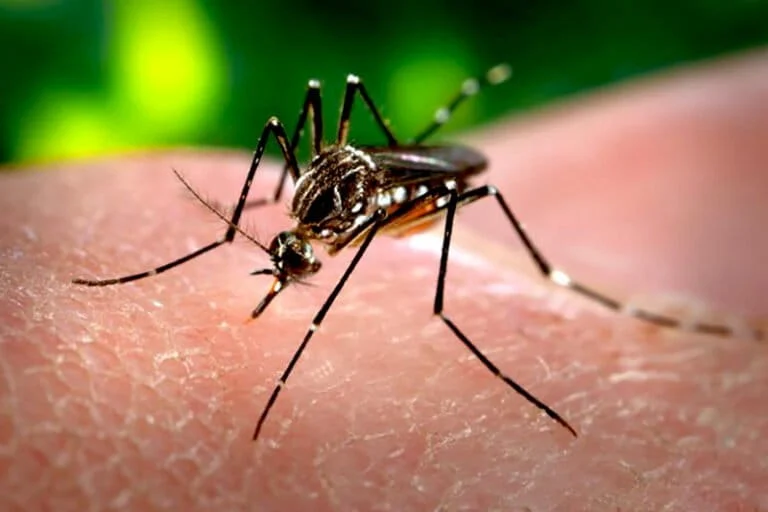
When humans envision the world’s most dangerous predators, the mind often drifts toward the apex hunters of the wild: the lion’s roar, the shark’s dorsal fin, or the venomous strike of a king cobra. However, biological data consistently reveals a far more unassuming and ubiquitous killer. Measuring only a few millimeters in length and weighing less than 2.5 milligrams, the mosquito is officially the deadliest animal on the planet. According to research from Our World in Data, these insects are responsible for approximately 760,000 human deaths every year—a figure that dwarfs the fatalities caused by sharks, wolves, and snakes combined. In the hierarchy of lethality, humans themselves occupy the second position, while the mosquito remains the undisputed champion of mortality.
The threat posed by mosquitoes is not found in their bite itself, but in their role as highly efficient biological vectors. They are responsible for approximately 17% of the global burden of infectious diseases. From the devastating toll of malaria and the bone-breaking pain of dengue fever to the neurological threats of the Zika virus and the historical scourge of yellow fever, mosquitoes act as a mobile delivery system for pathogens. As the 21st century progresses, this threat is no longer confined to tropical regions. Driven by the accelerating pace of climate change and rising global temperatures, mosquito populations are expanding their geographical footprints. Longer summers and shorter winters are allowing these vectors to infiltrate temperate zones that were previously shielded from mosquito-borne epidemics, sparking an urgent international debate: should humanity eliminate its greatest enemy, and if so, at what cost to the planet?
The Selective War: Identifying the Primary Culprits
To the average person, every mosquito is a nuisance to be swatted. However, from an entomological perspective, the mosquito population is incredibly diverse, and only a fraction of it is hostile to human life. There are roughly 3,500 known species of mosquitoes inhabiting nearly every continent except Antarctica. Of this vast number, only about 100 species exhibit "anthropophilic" behavior—a preference for biting humans. Within that subset, the danger is even more concentrated.
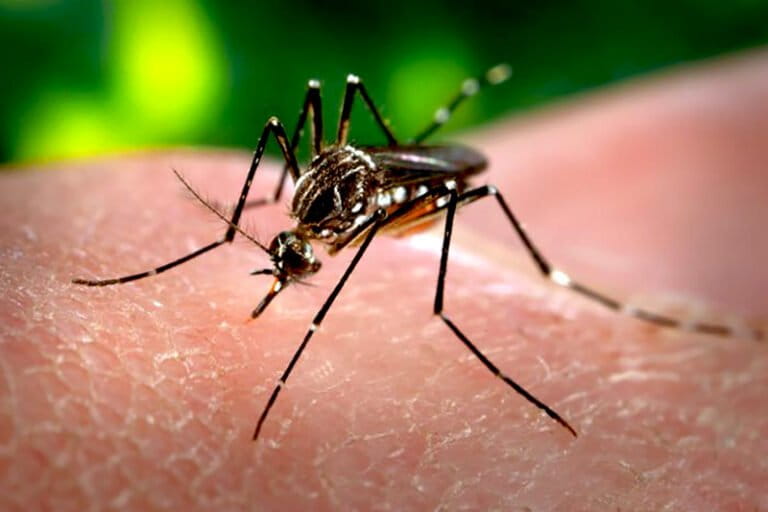
Hilary Ranson, a prominent vector biologist at the Liverpool School of Tropical Medicine, notes that a mere five species are responsible for nearly 95% of all human infections and deaths. These include Anopheles gambiae, the primary driver of malaria in Africa; Aedes aegypti, the vector for dengue, Zika, and yellow fever; and certain members of the Culex genus. Ranson argues that the eradication of these specific five species would be "tolerable" from an ethical and ecological standpoint, given the catastrophic human suffering and economic paralysis they inflict on developing nations.
This sentiment is echoed by Dan Peach, an entomologist at the University of Georgia, who acknowledges the necessity of intervention while cautioning that our understanding of these insects is still evolving. The debate is no longer about whether to control mosquitoes, but whether "speticide"—the intentional extinction of a species—is a tool humanity is prepared to use.
The Ecological Paradox: What Happens in a World Without Mosquitoes?
The primary argument against total eradication is the "precautionary principle." In many ecosystems, mosquitoes serve as a foundational component of the food web. In their larval stage, they are aquatic, providing a vital source of protein for fish, amphibians, and other predatory insects. As adults, they are consumed by birds, bats, and dragonflies. Furthermore, mosquitoes are surprisingly active pollinators; while females require blood meals to produce eggs, both males and females feed on nectar for energy, assisting in the reproduction of various plant species.
However, the five deadliest species have undergone a unique evolutionary trajectory that separates them from their "wild" cousins. Species like Aedes aegypti have become "synanthropic," meaning they have evolved to live almost exclusively in human environments. They breed in discarded tires, flowerpots, and plastic containers, and they feed almost entirely on human blood. Because these specific species occupy a niche created by human civilization rather than a pristine natural habitat, Ranson suggests their removal would likely have a negligible impact on the broader wilderness. In many cases, other, less dangerous mosquito species would simply move in to fill the ecological void without the accompanying baggage of human disease.
Despite this, Peach reminds the scientific community that ecological data is often incomplete. We do not fully understand the role of every mosquito species in nutrient cycling—the process of moving biomass from aquatic environments to terrestrial ones when they emerge as adults. The risk of unintended consequences remains a central pillar of the opposition to eradication.
A Chronology of Control: From Chemicals to Genetic Engineering
The history of mosquito control is a century-long saga of trial and error. Following the discovery in the late 19th century that mosquitoes transmit malaria and yellow fever, early efforts focused on "sanitary engineering"—draining swamps and pouring oil on standing water to suffocate larvae.
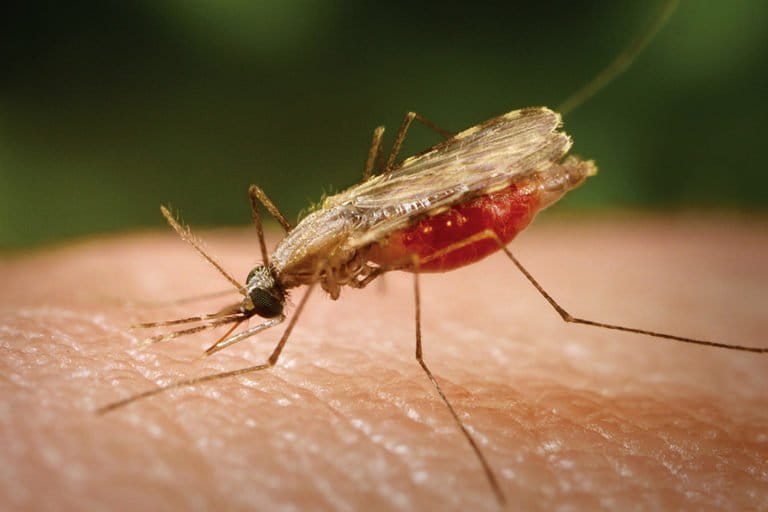
- The DDT Era (1940s-1960s): Following World War II, the miracle pesticide DDT was deployed globally. While it successfully eradicated malaria from the United States and much of Europe, it led to massive environmental degradation and the rise of insecticide resistance, as chronicled in Rachel Carson’s Silent Spring.
- The Rise of Resistance (1970s-1990s): As mosquitoes evolved to survive standard chemicals, global health organizations shifted toward Bed Nets (LLINs) and Indoor Residual Spraying (IRS). While effective, these methods were defensive rather than offensive.
- The Genomic Revolution (2000s-Present): With the advent of CRISPR-Cas9 technology, scientists began looking at the mosquito’s own DNA as a weapon.
The most sophisticated of these modern tools is "gene-drive" technology. Unlike traditional breeding, where a trait has a 50% chance of being passed on, a gene-drive ensures that a specific genetic modification is inherited by 100% of offspring. In laboratory settings, researchers have successfully engineered Anopheles gambiae mosquitoes so that females become sterile. Within just a few generations, the entire laboratory population collapses.
Global Initiatives and Political Roadblocks
Several high-profile organizations are currently leading the charge in this biological frontier. Target Malaria, a non-profit consortium heavily funded by the Bill & Melinda Gates Foundation, is working toward the release of gene-drive mosquitoes in Africa. Their goal is to reduce the population of malaria-carrying mosquitoes to a level where the disease can no longer sustain itself.
However, the path to implementation is fraught with geopolitical and social challenges. In Burkina Faso, a proposed trial faced intense scrutiny from local civil society groups and was eventually stalled by the nation’s military government. Critics raised concerns about "biological colonialism," questioning whether African nations were being used as testing grounds for technologies that Western nations might be hesitant to deploy at home. Disinformation campaigns also played a role, linking the genetic trials to unfounded conspiracy theories about population control.
A different approach, which has seen more widespread success, involves the use of Wolbachia bacteria. The World Mosquito Program, founded by Scott O’Neill, infects Aedes aegypti mosquitoes with this naturally occurring bacterium. Wolbachia acts as a biological shield, making it significantly harder for viruses like dengue or Zika to replicate inside the mosquito. When these mosquitoes are released into the wild, they breed with the local population, passing the bacteria down. In Niteroi, Brazil, this method resulted in a staggering 89% reduction in dengue cases. Crucially, this method does not kill the mosquito; it simply "disarms" it.
The Cost of Inaction: Economic and Human Implications
The debate over whether to kill or "fix" mosquitoes is not merely academic; it is an economic necessity. Malaria alone is estimated to cost the African continent more than $12 billion annually in lost productivity, healthcare costs, and decreased tourism. In many endemic regions, the disease traps families in a cycle of poverty, as meager earnings are spent on repeated treatments for children who fall ill multiple times a year.
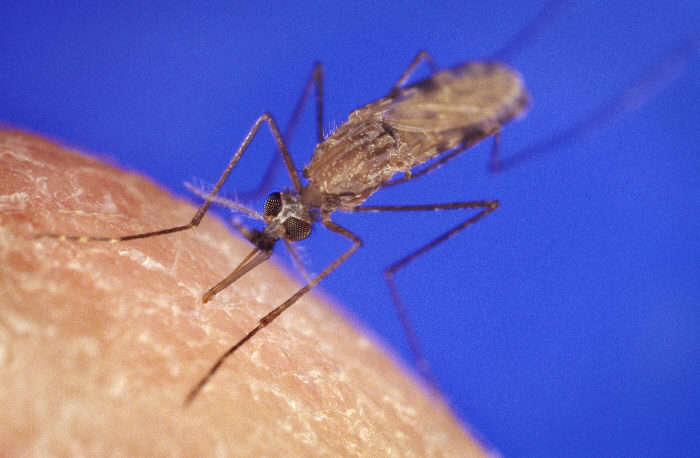
Furthermore, the "Transmission Zero" project is currently refining gene-drive techniques that do not cause population collapse but instead render mosquitoes immune to the malaria parasite. This "modification" strategy is seen by some as a middle ground—preserving the mosquito’s place in the food chain while removing its status as a killer. Dickson Wilson Lwetoijera of the Ifakara Health Institute in Tanzania emphasizes that for any of these technologies to succeed, there must be "radical transparency" and deep community engagement to ensure that the people most affected by the disease are the ones leading the decision-making process.
Beyond Technology: A Holistic Public Health Strategy
While genetic engineering offers a "silver bullet" allure, many experts, including Hilary Ranson, argue that technology cannot replace basic infrastructure. The nations that have successfully eradicated mosquito-borne diseases did so through a combination of vector control and social development.
The future of the fight against the world’s deadliest animal likely lies in a multi-pronged approach:
- Genetic Tools: Utilizing gene-drives or Wolbachia in high-burden urban centers.
- Vaccines: Scaling the rollout of the R21/Matrix-M malaria vaccine.
- Housing and Infrastructure: Improving urban drainage and ensuring homes have screens and proper waste management to eliminate breeding sites.
- Climate Adaptation: Developing early-warning systems for outbreaks as mosquito ranges shift due to global warming.
The question of whether we should eradicate the mosquito remains one of the most complex ethical dilemmas of modern science. It pits the sanctity of a species against the survival of hundreds of thousands of children every year. As the world moves closer to 2030—a target year for many of these field trials—the global community must decide if it is willing to play the role of an intentional architect of extinction to save the lives of its own kind. For now, the mosquito remains a tiny, buzzing reminder of our vulnerability to the natural world, and the high price of our efforts to master it.