Nila Kartika Wati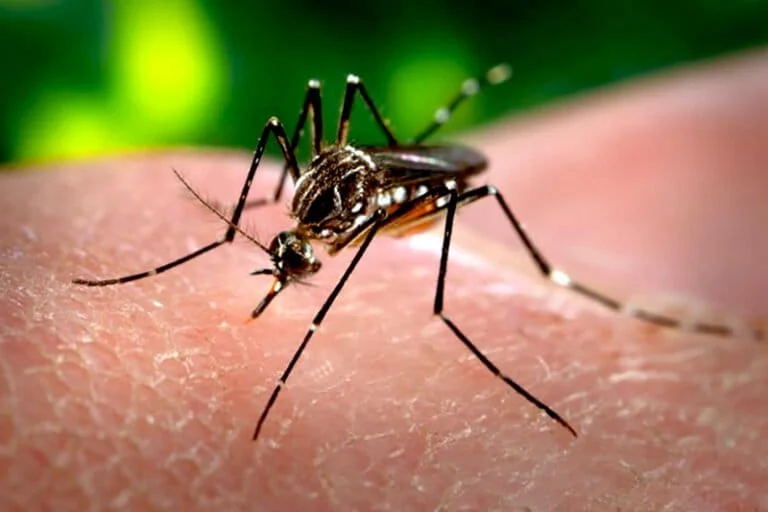
When asked to identify the world’s most dangerous predator, many might envision the serrated teeth of a great white shark, the stealth of a lion, or the venomous strike of a king cobra. However, biological data and global health statistics tell a far more harrowing story about a much smaller adversary. The mosquito, a tiny, buzzing insect often regarded as a mere summertime nuisance, is the undisputed deadliest animal on the planet. According to research synthesized by Our World in Data, mosquitoes are responsible for approximately 760,000 human deaths every year. This figure places them well ahead of the second most lethal creature—humans themselves—and far beyond the combined casualties caused by snakes, crocodiles, and predatory mammals.
The mosquito is not a direct killer in the predatory sense; rather, it serves as a highly efficient biological vector. By feeding on human blood, these insects transmit a devastating array of pathogens. They are currently responsible for roughly 17% of the global burden of infectious diseases. The roster of illnesses they carry reads like a catalog of global health crises: malaria, dengue fever, yellow fever, Japanese encephalitis, chikungunya, and the Zika virus. While the world has made significant strides in medical science, the threat posed by mosquitoes is not receding; instead, it is evolving and expanding, driven by the volatile forces of climate change and globalization.
The Expanding Frontier of Mosquito-Borne Illness
For decades, many of the most lethal mosquito-borne diseases were confined to tropical and subtropical regions. However, the geographic boundaries of these illnesses are shifting. As global temperatures rise due to climate change, the "transmission season" for mosquitoes is lengthening, and their habitable range is creeping into higher latitudes and altitudes.
In recent years, health authorities in Europe and North America have sounded the alarm over the appearance of the Aedes aegypti and Aedes albopictus mosquitoes in regions where they were previously unable to survive the winter. This migration brings diseases like dengue and West Nile virus to populations with little to no prior immunity or institutional preparedness. The World Health Organization (WHO) has noted that dengue cases have increased eightfold over the last two decades, with nearly half of the world’s population now at risk. This expansion has transformed a regional health issue into a global security concern, prompting scientists to ask a radical question: should we, and can we, simply eliminate the mosquito?
Selective Eradication: Target the Killers, Save the Rest
The prospect of "specicide"—the deliberate extinction of a species—is a heavy ethical and ecological burden. However, entomologists and biologists clarify that a total war on all mosquitoes is neither necessary nor recommended. There are approximately 3,500 known species of mosquitoes on Earth, yet the vast majority of them play no role in human suffering. Many species do not feed on humans at all, preferring the blood of birds, reptiles, or amphibians, while others feed exclusively on nectar.
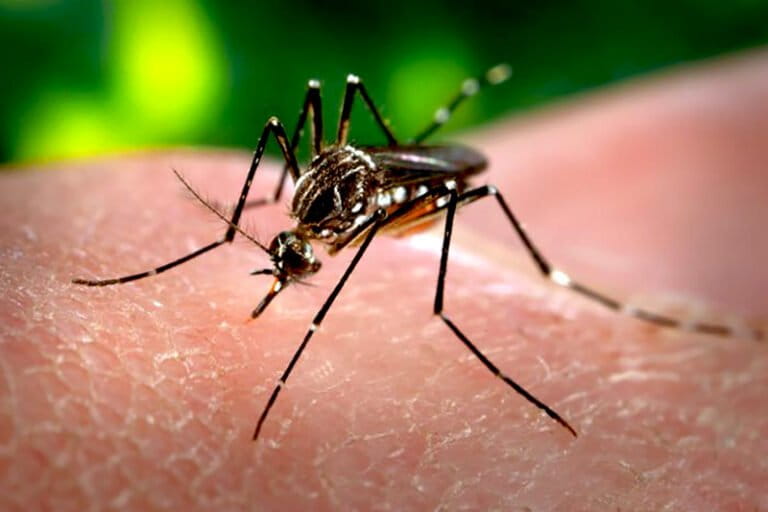
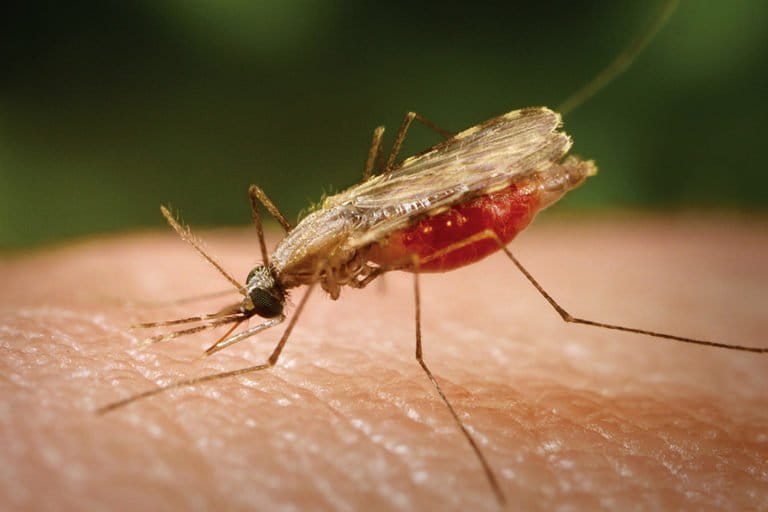
The crisis is driven by a surprisingly small group. Hilary Ranson, a vector biologist at the Liverpool School of Tropical Medicine, notes that just five species are responsible for approximately 95% of human infections and deaths. These include Anopheles gambiae (the primary vector for malaria in Africa) and Aedes aegypti (the primary vector for dengue and Zika). These specific species have evolved to thrive in human environments, breeding in discarded tires, flowerpots, and urban drainage systems.
From a purely humanitarian perspective, the argument for eliminating these five species is compelling. The economic toll of mosquito-borne diseases is staggering, costing affected nations billions of dollars in lost productivity, healthcare expenses, and decimated tourism industries. For many researchers, the potential to save hundreds of thousands of lives outweighs the loss of a few specialized insect lineages.
The Ecological Gamble: Niche Replacement and Food Webs
Despite the human cost, the proposal to eradicate even a handful of species triggers significant concern among ecologists. Mosquitoes are deeply integrated into the Earth’s ecosystems. In their larval stage, they inhabit aquatic environments, serving as a vital food source for fish, dragonflies, and various amphibians. As adults, they are prey for birds, bats, and spiders. Furthermore, male mosquitoes are pollinators, visiting flowers for nectar and inadvertently assisting in plant reproduction.
Dan Peach, an entomologist at the University of Georgia, emphasizes that our understanding of mosquito ecology is still incomplete. While some believe that other, less harmful insects would quickly fill the "ecological niche" left behind by eradicated mosquitoes, others fear a "trophic cascade"—a ripple effect where the loss of one species leads to the decline of many others.
However, Ranson and other proponents of targeted eradication argue that because the deadliest species are so closely tied to human habitats, their removal would likely have a negligible impact on "wild" ecosystems. In urban settings, the Aedes aegypti occupies a man-made niche that did not exist a few centuries ago. Removing them might simply return those urban environments to a more balanced state, or allow non-vector mosquito species to take their place without the accompanying disease burden.
Technological Solutions: From Gene-Drives to Bacteria
The battle against mosquitoes is no longer fought solely with bed nets and chemical sprays like DDT. The frontline has moved to the molecular level. Two primary technologies are currently at the center of the debate:
-
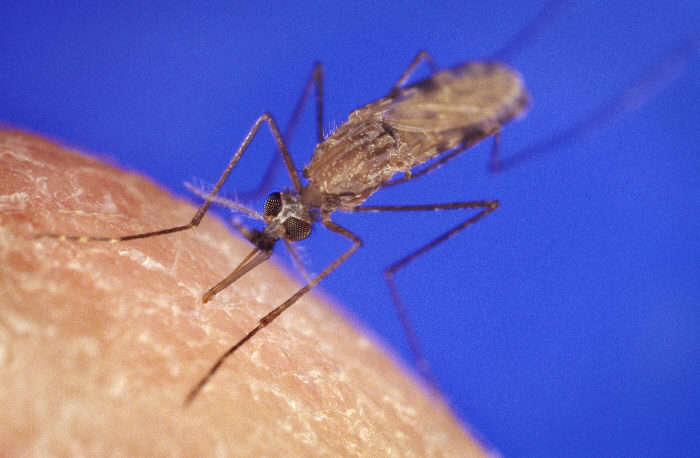
Gene-Drive Technology: Utilizing CRISPR-Cas9 gene editing, scientists can create "gene-drives" that bypass the standard laws of inheritance. In a project known as Target Malaria, researchers have engineered Anopheles gambiae mosquitoes that carry a trait for infertility or a "male-only" offspring bias. When these mosquitoes are released into the wild, the trait spreads rapidly through the population, eventually causing it to collapse. In laboratory settings, this technology has successfully wiped out mosquito populations in just a few generations.
-
The Wolbachia Method: The World Mosquito Program utilizes a naturally occurring bacterium called Wolbachia. When Aedes aegypti mosquitoes are infected with Wolbachia, the bacteria compete with viruses like dengue and Zika inside the mosquito’s body, making it much harder for the insect to transmit the disease to humans. Alternatively, releasing Wolbachia-infected males into a population of uninfected females can lead to sterile eggs, causing a population decline without genetic modification.
The Socio-Political Timeline and Public Resistance
The journey from the lab to the field has been fraught with challenges. In 2019, Target Malaria released non-gene-drive genetically modified mosquitoes in Burkina Faso as a preliminary study. However, the project faced a significant backlash. Civil society groups and international NGOs raised concerns about the long-term safety of the technology, and the military government of Burkina Faso eventually halted further testing amid a wave of public distrust and disinformation campaigns.
This resistance highlights a critical factor in the fight against mosquitoes: technology cannot succeed without social and political consensus. Dickson Wilson Lwetoijera of the Ifakara Health Institute in Tanzania points out that for these interventions to work, they must be "owned" by the communities they are meant to protect. The memory of colonial-era medical experiments often fuels skepticism toward Western-funded high-tech solutions, making transparent communication and local leadership essential.
A Holistic Framework: Beyond the Silver Bullet
While the prospect of a high-tech "fix" is enticing, many global health experts warn against over-reliance on genetic engineering. The history of malaria control is a cautionary tale; the mid-20th-century push to eradicate malaria using DDT failed partly because the mosquitoes developed resistance and the global community lost focus on basic healthcare infrastructure.
Hilary Ranson and other experts advocate for a multi-pronged approach. This includes:
- Environmental Management: Improving urban drainage and waste management to eliminate breeding sites.
- Housing Improvements: Installing screens on windows and doors and improving building materials to keep mosquitoes out of living spaces.
- Vaccine Development: The recent rollout of the R21/Matrix-M malaria vaccine represents a historic milestone, offering a defense that does not rely on killing the vector.
- Strengthening Healthcare Systems: Ensuring that individuals in high-risk areas have access to rapid diagnostic tests and affordable treatments.
Conclusion: The Moral Imperative
The question of whether we should eradicate the mosquito is ultimately a balancing act between ecological caution and the moral imperative to prevent human suffering. We are currently in a race against time as climate change accelerates the spread of these "winged assassins."
As research continues, projects like Transmission Zero are exploring a middle ground: using gene-drives not to kill the mosquito, but to render them "immune" to the malaria parasite. This would leave the mosquito’s role in the food chain intact while severing the link to human disease.
Whether through total eradication of key species or sophisticated biological "neutering," the next decade will be a turning point in human history. For the first time, we possess the tools to potentially defeat our deadliest enemy. However, the success of this endeavor will depend less on our ability to manipulate DNA and more on our ability to navigate the complex landscape of global ethics, environmental stewardship, and international cooperation. The mosquito has shaped human history for millennia; our generation may be the first to finally buzz back.