Nila Kartika Wati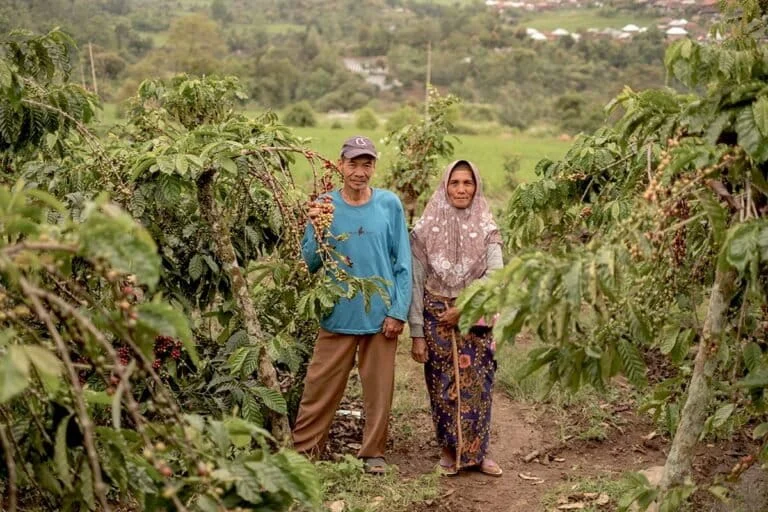
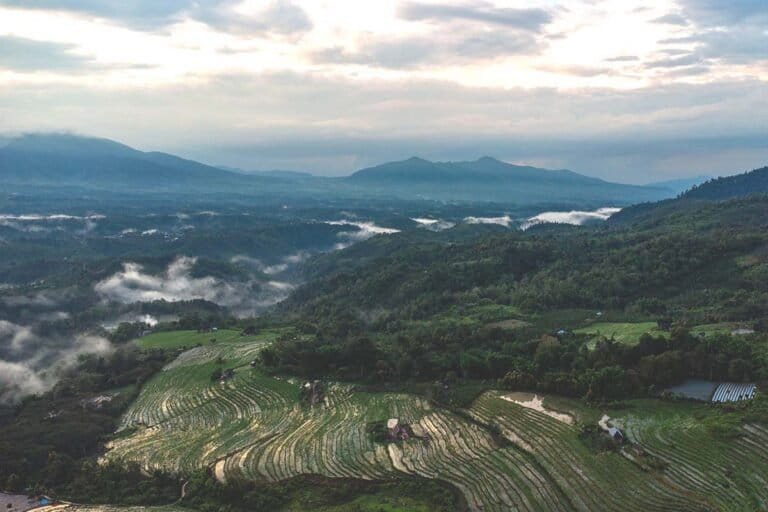
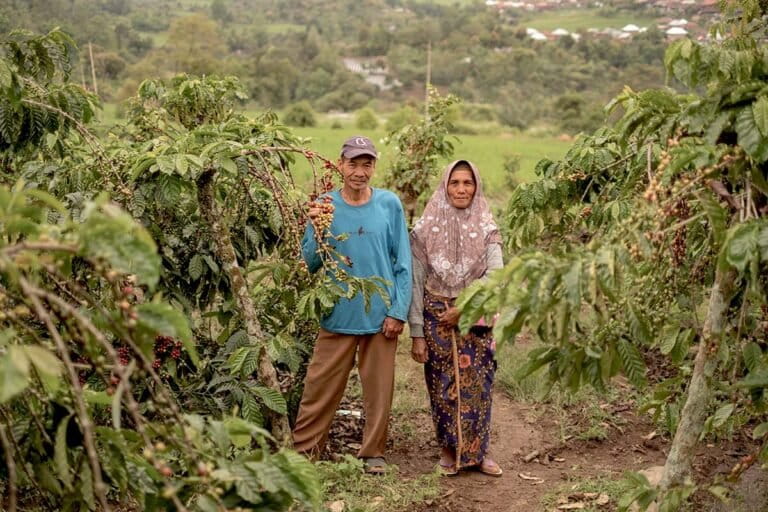
Deep within the Bukit Barisan mountain range of South Sumatra, the sun crests over the terraced landscapes of Datas Pagi, illuminating a unique intersection of ancestral tradition and high-altitude agriculture. Situated at an elevation of 1,300 meters above sea level, this region—referred to by the indigenous Semende people as an "ataran"—serves as a vital ecological corridor at the foot of Bukit Lumut Balai. While administratively part of Tanjung Tiga Village in the Muara Enim Regency, the land is primarily tended by families from Muara Tenang Village, some of whom have cultivated these slopes for over six generations. This remote agricultural frontier represents more than just a source of livelihood; it is a living testament to a centuries-old harmony between human industry and the survival of some of Southeast Asia’s most endangered species.
The daily life of the Semende farmers is defined by the rugged geography of the highlands. Farmers like Zakaria, a 42-year-old resident of Muara Tenang, navigate a grueling 42-kilometer round trip by motorcycle over steep, winding terrain to reach their plots. During the peak of the monsoon season, the threat of landslides often forces these families to take refuge in "dangau"—small wooden huts—rather than risking the treacherous trek home. This physical proximity to the wilderness has fostered a deep psychological and spiritual connection to the forest, governed by a set of unwritten laws that have protected the local ecosystem long before modern conservation movements took root in Indonesia.
A Chronology of Cultivation: From Ancestral Rice to Global Coffee
The agricultural history of Datas Pagi is characterized by a gradual evolution of land use that mirrors the broader economic shifts in South Sumatra. For hundreds of years, the Semende people focused almost exclusively on wet-rice cultivation (padi), utilizing the natural irrigation provided by mountain springs. These terraced fields remain a staple of the landscape, currently entering a quiet phase in mid-April as the crops mature ahead of the June and July harvest.
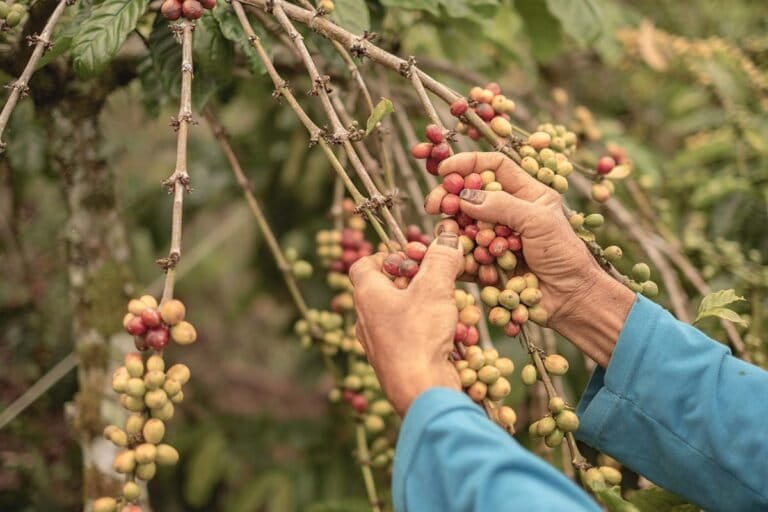
In the 19th century, coffee was introduced to the region, eventually becoming the backbone of the local economy. The high altitude and volcanic soil of the Bukit Barisan provide the ideal microclimate for producing high-quality beans. By the early 2000s, a brief surge in vegetable farming saw the area become a major regional supplier of produce. However, in recent years, the community has pivoted back toward coffee, integrating it with their traditional rice cycles. This dual-crop system allows for economic stability; while the rice fields require less intensive labor during the growing season, farmers shift their focus to the coffee groves, meticulously harvesting ripening cherries to prevent them from rotting on the branch.
The Sacred Pact: Living with the Setue and the Siamang
At the heart of the Semende’s environmental stewardship is a profound respect for the "Setue" or "Puyang"—the Sumatran tiger (Panthera tigris sumatrae). According to local belief, the Bukit Lumut Balai forest is the sovereign domain of the tiger. Traditional wisdom dictates that if the forest is desecrated, the Setue will descend into the villages as a sign of spiritual and ecological imbalance. Mansir, a 51-year-old elder from Tanjung Tiga, notes that there have been no recorded incidents of tigers entering their village in recent memory, a fact he attributes to the community’s strict adherence to forest boundaries.
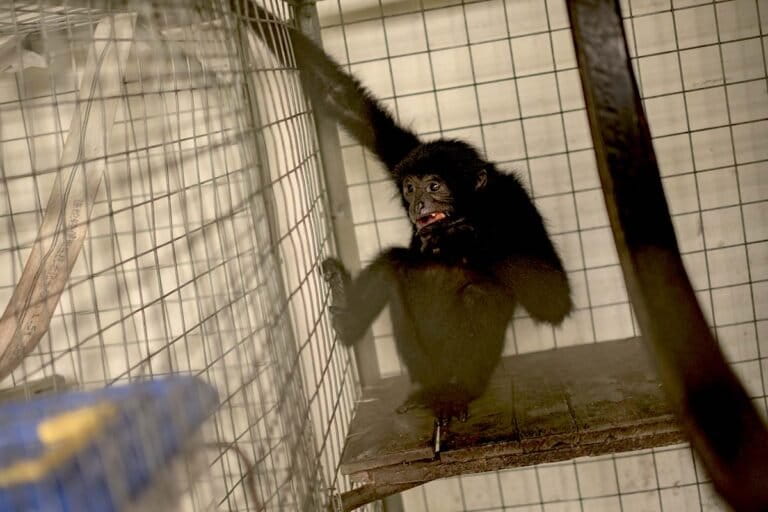
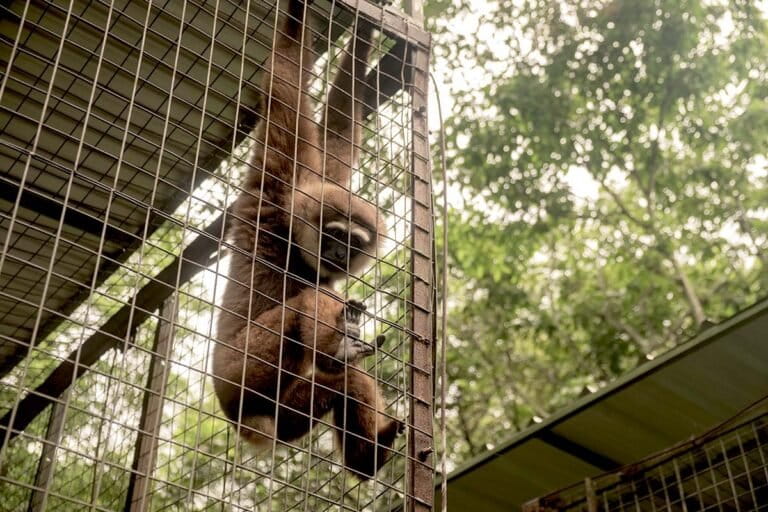
Beyond the tiger, the Semende maintain a specific "perjanjian" or ancestral pact with the siamang (Symphalangus syndactylus), a large, black-furred gibbon native to the canopy. The terms of this ancient agreement are clear: the siamangs are forbidden from disturbing human crops or descending to the ground, and in return, the humans are forbidden from hunting or harassing them. Unlike other primates, such as long-tailed macaques or pig-tailed macaques, which frequently raid farms, the siamangs of Datas Pagi are known to stay within the forest fringes.
This relationship is also functional. The booming, rhythmic songs of the siamang, amplified by their distinctive throat sacs, serve as a natural alarm clock for the village. Starting at approximately 6:00 AM, the calls echo through the valley, signaling the start of the workday. When the singing ceases around mid-morning, it marks a transition in the day’s labor. This acoustic synchronization between primate and farmer illustrates a level of coexistence rarely seen in modern agricultural landscapes.
Biological Significance and Conservation Status
The siamang is a remarkable primate, classified as Endangered (EN) on the IUCN Red List. It is the largest of the gibbon species and is distinguished by "syndactyly"—a physical trait where the second and third toes are fused by a web of skin, a characteristic that gives the species its scientific name, syndactylus. These primates are brachiation experts, using their exceptionally long arms to swing through the canopy at high speeds.
In South Sumatra, the siamang shares its habitat with the agile gibbon, or "owa ungko" (Hylobates agilis). However, local farmers like Aslianah observe that the ungko is rarely seen in the high-altitude forests of Semende, preferring the lower, warmer elevations of regions like Lahat and Banyuasin. This observation aligns with wildlife data suggesting that Bukit Lumut Balai serves as a critical high-altitude sanctuary for the siamang, while other gibbon species have seen their lowland habitats decimated by palm oil expansion and industrial logging.
Legal Frameworks and the Role of Social Forestry
The protection of this landscape is not solely reliant on tradition; it is reinforced by Indonesian state policy. The coffee and rice fields of Datas Pagi are situated within a "Hutan Desa" (Village Forest) zone, a designation approved by the Ministry of Environment and Forestry in 2016. This 715-hectare area allows the community to manage and benefit from the forest sustainably while preventing large-scale industrial encroachment.
The broader Bukit Lumut Balai region is classified as a Protection Forest (Hutan Lindung), managed by the UPTD KPH Wilayah VIII Semendo, covering a vast 70,000-hectare territory. This legal structure recognizes the Semende people as the primary guardians of the land. By granting them management rights, the state leverages indigenous knowledge to maintain a buffer zone against the illegal poaching and habitat loss that plague other parts of Sumatra.
Addressing the Threats: Poaching and Rehabilitation
Despite the success of the Semende model, the siamang faces severe external threats. M. Andre, Head of the Forest Police at the South Sumatra Natural Resources Conservation Agency (BKSDA), emphasizes that while habitat loss is a constant pressure, the illegal pet trade remains a primary driver of population decline. Many siamangs currently housed at the Punti Kayu Animal Rehabilitation Center in Palembang were confiscated from private owners who kept them as status symbols.
Conservation organizations like The Aspinall Foundation play a critical role in reversing this trend. Since 2022, in collaboration with the Ministry of Forestry, the foundation has managed a rigorous rehabilitation program. As of 2026, forty siamangs have undergone rehabilitation, with six individuals successfully released back into the wild. The process is complex, as captive primates must relearn how to forage, socialize, and navigate the canopy without human assistance. The success of these releases depends heavily on the existence of "safe" forests like those in Datas Pagi, where local taboos against hunting provide a protective shield for reintroduced animals.
Broader Implications for Global Conservation
The case of Datas Pagi offers a compelling alternative to the "fortress conservation" model, which often seeks to exclude human presence from protected areas. Instead, it demonstrates that indigenous agricultural practices can coexist with—and even enhance—the survival of endangered megafauna. The Semende’s belief system, which views the tiger as a moral arbiter and the siamang as a partner in timekeeping, creates an internal policing mechanism that is often more effective than state-sponsored patrols.
However, the future of this harmony is not guaranteed. As climate change shifts weather patterns in the Bukit Barisan, the timing of rice and coffee cycles may fluctuate, potentially straining the traditional labor schedules dictated by wildlife. Furthermore, the rising global demand for Sumatran coffee puts pressure on farmers to expand their plots. The challenge for the next generation of Semende farmers will be to maintain the "ataran" landscape without encroaching further into the protected "Hutan Lindung."
In conclusion, the highlands of Muara Enim serve as a vital laboratory for sustainable living. The rhythmic calls of the siamang at 1,300 meters above sea level are more than just a morning song; they are the sound of a successful ecological truce. As long as the Semende people continue to honor the "perjanjian" of their ancestors, the Bukit Lumut Balai will remain a rare stronghold for the endangered primates and elusive tigers of Sumatra, proving that tradition and science can walk the same path toward a resilient future.