Nila Kartika Wati
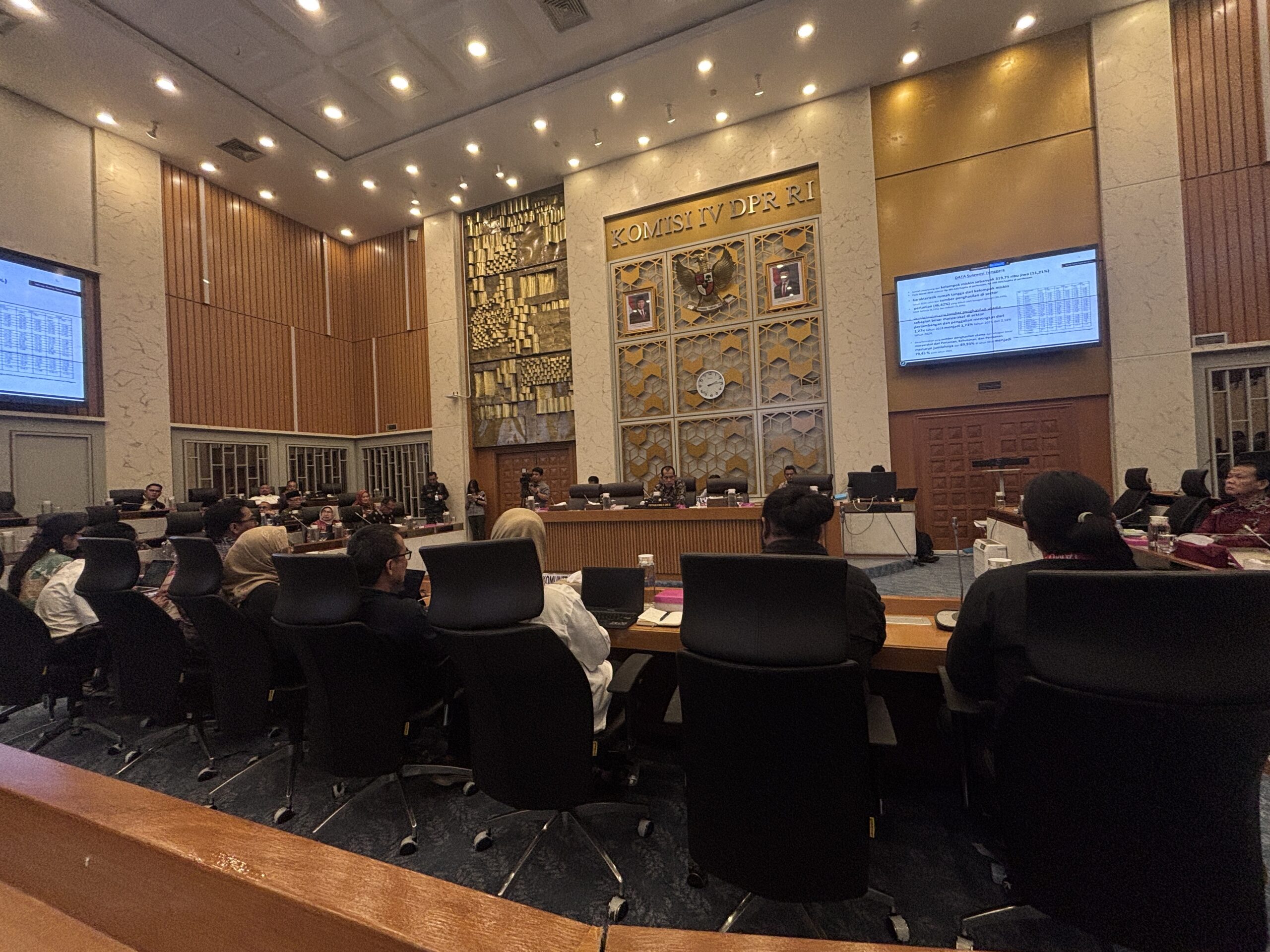
The fundamental question of whether the rapid expansion of mining activities and National Strategic Projects (PSN) truly brings prosperity to local communities took center stage during a recent hearing at the Indonesian House of Representatives (DPR). In a session held at the Commission IV meeting room in Jakarta, Abdul Kharis Almasyhari, Vice Chairman of Commission IV, challenged the prevailing narrative of industrial development by asking whether farmers and fishermen have actually seen an improvement in their quality of life following the arrival of large-scale mining operations. The inquiry, directed at representatives from civil society organizations, opened a complex dialogue regarding the deep-seated socio-ecological issues currently plaguing Southeast Sulawesi (Sultra), a region that has become the epicenter of Indonesia’s ambitious nickel downstreaming policy.
The testimonies provided by the Komunitas Teras and the Participatory Mapping Working Network (JKPP) painted a starkly different picture from the official reports of economic growth. According to these organizations, the majority of local residents have experienced a significant decline in welfare, driven by the loss of traditional livelihoods and the degradation of the environment. This discrepancy highlights a growing tension between national economic targets—driven largely by the global demand for electric vehicle (EV) batteries—and the fundamental rights of the people who inhabit the resource-rich landscapes of Sulawesi.
The Downstream Ripple: From Watersheds to the Deep Sea
The impact of nickel mining in Southeast Sulawesi is not confined to the pits where ore is extracted; it follows a destructive path from the highlands to the coastal zones. Imam Masud, Head of the Advocacy Division at JKPP, explained that the expansion of mining and PSN infrastructure has severely compromised the integrity of Watershed Areas (DAS). The environmental degradation begins in the upstream areas through massive land clearing, which leads to increased erosion and the loss of natural water absorption capacities.
As the land is stripped, sediment-laden runoff flows into rivers and eventually reaches the sea. This process has had a devastating effect on the maritime ecosystems of Southeast Sulawesi. In coastal areas such as Pomalaa, the Tiworo Strait, and the Kabaena islands, heavy sedimentation has turned once-clear waters into murky, polluted zones. The change in water quality has driven fish populations further away from the shore, forcing local fishermen to alter their traditional practices.
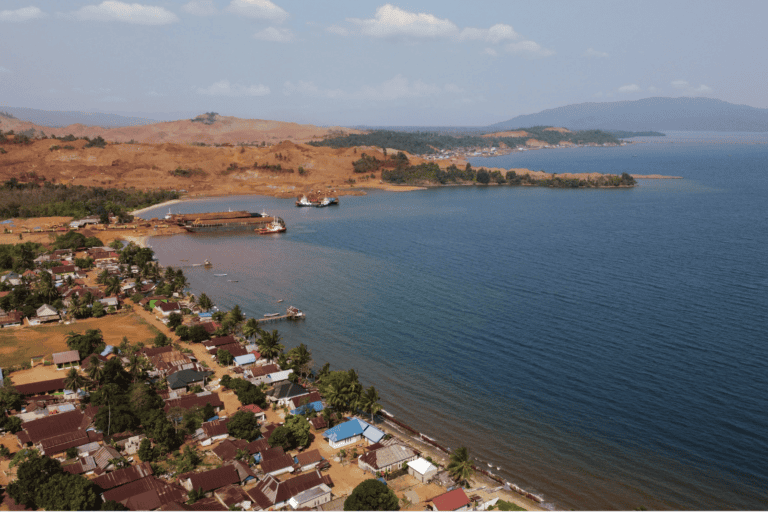
Data presented during the hearing revealed a troubling shift in the fishing industry. Previously, small-scale fishermen could secure a sufficient catch within a radius of one to three miles from the coastline. Today, due to pollution and habitat destruction, they are forced to travel between five and fifteen miles out to sea. This increased distance requires larger boats, more fuel, and higher operational costs, effectively squeezing the profit margins of traditional fishing families and pushing many into debt or poverty.
A Crisis of Spatial Planning and Land Overlap
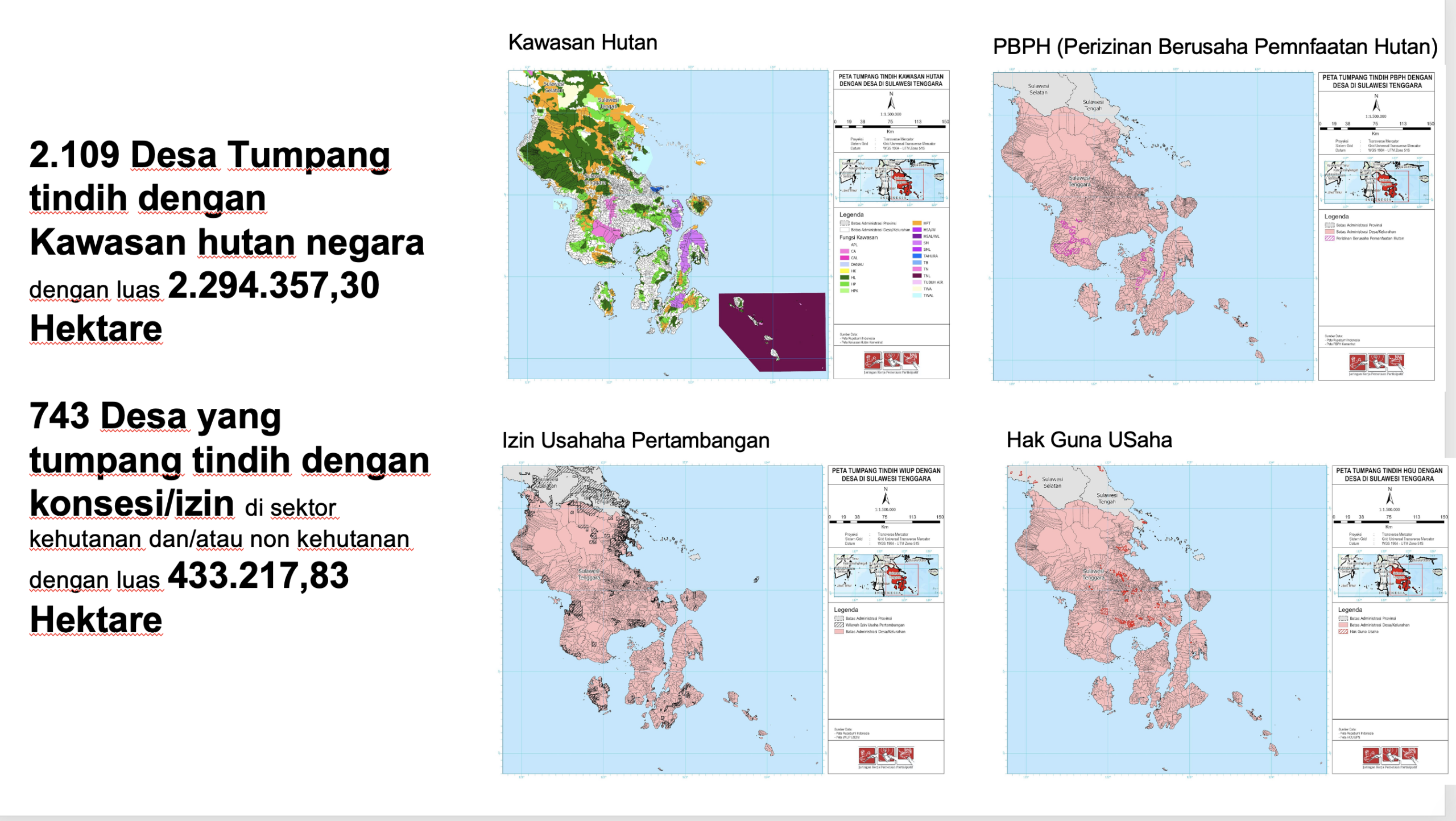
The conflict in Southeast Sulawesi is rooted in a systemic failure of spatial planning. The rapid issuance of Mining Business Licenses (IUP) has often ignored existing land use by local communities. JKPP records indicate that approximately 2,109 villages and sub-districts in the province are currently located within state forest areas, while 743 villages directly overlap with various corporate concessions.
The scale of the encroachment is immense. According to Imam Masud, nearly 94,206 hectares of mining concessions are situated on land that is officially designated for residential use or agriculture. Furthermore, nearly 70,000 hectares of these mining areas are located in zones identified as high-risk for natural disasters. This mismatch between industrial permits and geographical reality creates a precarious environment for residents, who face the dual threat of losing their land and being exposed to landslides or floods exacerbated by mining activities.
Fitria Nur Indah Djafar, Director of Komunitas Teras, argued that the issue is not merely a technical error in mapping but a profound crisis of spatial governance. She noted that when government policies prioritize investment interests over socio-ecological realities, the result is the systematic narrowing of "living spaces" (ruang hidup) for the populace. The agricultural sector, which has historically been the backbone of the regional economy, is being cannibalized by the extractive industry. As fertile land is converted into mines or industrial zones, farmers lose their primary source of income and are often forced to take low-paying, hazardous jobs within the mining sector itself.
The Paradox of Growth and Poverty
One of the most striking points raised during the DPR hearing was the economic paradox observed in mining hubs. Rokhmin Dahuri, a member of Commission IV from the PDI-P faction and a former Minister of Maritime Affairs and Fisheries, highlighted the disconnect between high regional Gross Domestic Product (GDP) growth and stagnant or rising poverty rates.
In provinces like Southeast Sulawesi and Central Sulawesi, economic growth rates have occasionally surged above 20%—far exceeding the national average—thanks to the nickel boom. However, these figures often mask a "leakage of benefits," where the wealth generated by resource extraction flows to multinational corporations and central government coffers, leaving the local population with the environmental bill and little social improvement.
"Growth can be high, but if poverty remains high as well, we must ask: who is actually benefiting?" Rokhmin questioned. He emphasized that for economic growth to be meaningful, it must be linear with the welfare of the local community. The current model, he suggested, appears to be extractive not just of minerals, but of the region’s long-term economic potential.
Vulnerability of Small Islands and Indigenous Territories
The expansion of mining has also reached the fragile ecosystems of small islands, which are supposedly protected under Indonesian law (Law No. 27 of 2007). In Kabaena, a significant portion of the island’s landmass is now covered by mining permits. Similarly, on Wawonii Island, mining activities continue to encroach upon residential areas and community plantations, despite a series of legal challenges and local protests.
The "One Spatial Planning" (one map) concept, intended to integrate land and sea management, has proven ineffective in protecting these areas. Furthermore, the rights of Indigenous peoples (Masyarakat Hukum Adat) are often sidelined. In Sultra, many indigenous territories that have been recognized locally are not accommodated within the national spatial planning system due to "nomenclatural limitations." This lack of formal recognition makes these communities invisible in the eyes of the state, allowing their ancestral lands to be designated as "vacant" and handed over to investors.
The environmental consequences are already visible. Southeast Sulawesi has lost more than 10% of its forest cover in recent years. This deforestation has led to an increase in "critical land" within watersheds, triggering more frequent and severe flooding and landslides during the rainy season, further impoverishing the communities living downstream.
Legislative Response and Future Actions
The findings presented by the civil society groups have prompted a commitment from the DPR to take further action. Abdul Kharis Almasyhari noted that the data provided is highly relevant to the work of the Panja Alih Fungsi Lahan (Working Committee on Land Conversion), which is currently investigating the widespread transformation of productive agricultural land into industrial and mining sites.
"This is very much related to our ongoing Panja. we will investigate these findings further," Kharis stated. He indicated that the committee would use this information to challenge existing policies that facilitate the easy conversion of land at the expense of food security and environmental stability.
Darori Wonodipuro, a member of Commission IV from the Gerindra faction, reminded the assembly that these issues have deep roots. He recalled that as far back as 2012, hundreds of illegal mines were identified in Sultra, yet many of the structural problems regarding oversight and enforcement remain unresolved. He called for a cross-sectoral field visit to Southeast Sulawesi, involving the ministries of agriculture, forestry, and fisheries, to see the impact firsthand.
Agus Ambo Djiwa, another legislator, requested more granular data on the specific losses incurred by the agricultural and fisheries sectors. He argued that having precise figures on the decline in crop yields and fish stocks is essential for formulating policy solutions that can provide genuine protection for the people of Sultra.
Implications for Indonesia’s Downstreaming Ambitions
The situation in Southeast Sulawesi serves as a cautionary tale for Indonesia’s broader "downstreaming" (hilirisasi) strategy. While the government aims to position the country as a global leader in the green energy supply chain, the "green" credentials of this transition are being questioned due to the heavy environmental and social toll at the point of extraction.
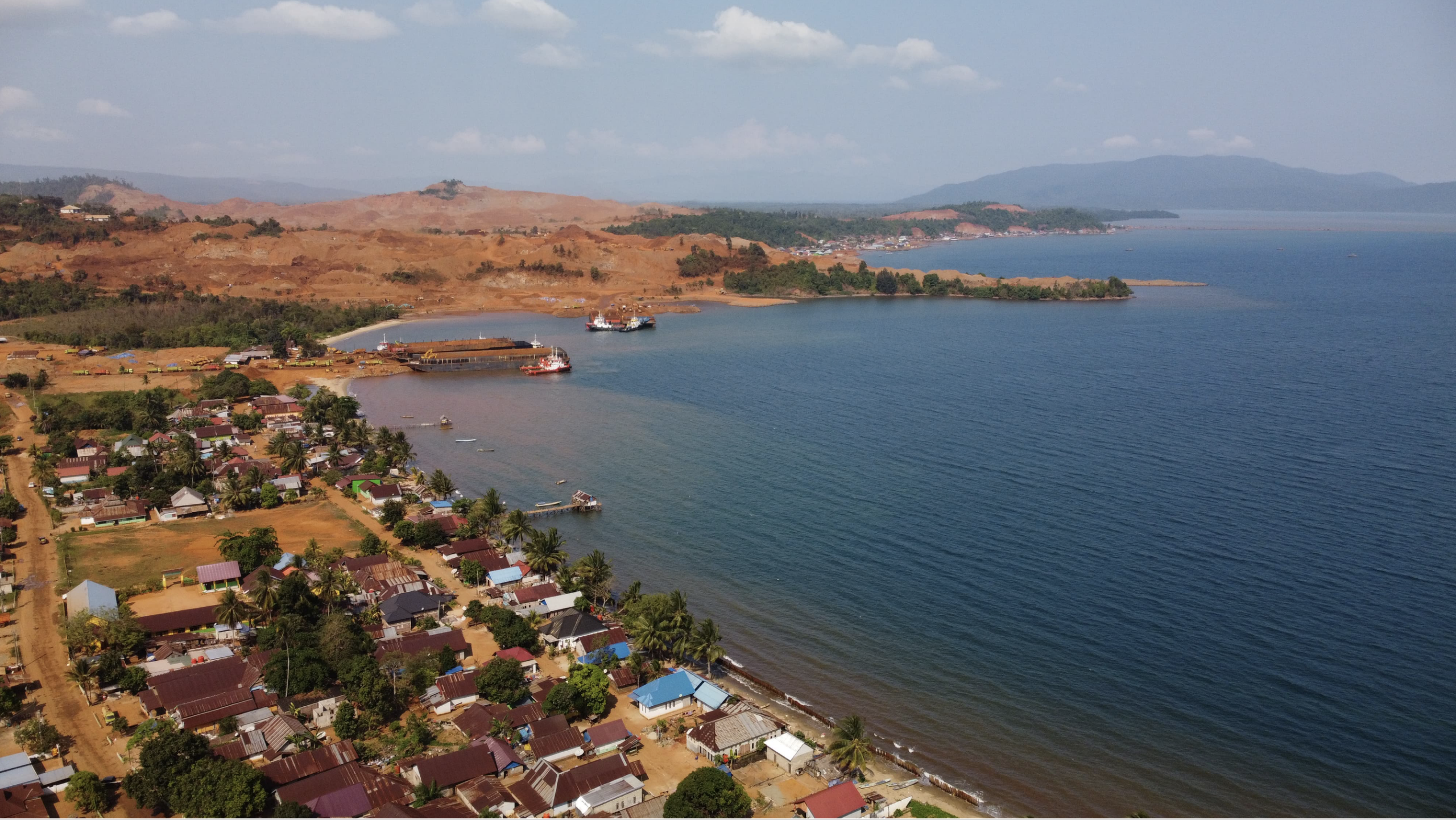
If the current trajectory continues, the very communities that are supposed to be the beneficiaries of national development may find themselves permanently displaced and impoverished. The depletion of natural capital—forests, clean water, and fertile soil—represents a long-term economic loss that may far outweigh the short-term gains from mineral exports.
As the DPR prepares for its field investigations, the pressure is mounting on the government to re-evaluate the implementation of National Strategic Projects. Experts suggest that a more holistic approach is needed—one that respects spatial boundaries, prioritizes environmental restoration, and ensures that the wealth generated from the earth is equitably shared with those who live upon it. Without such reforms, the "nickel rush" in Southeast Sulawesi risks becoming a legacy of ecological destruction rather than a milestone of national prosperity.