Nila Kartika Wati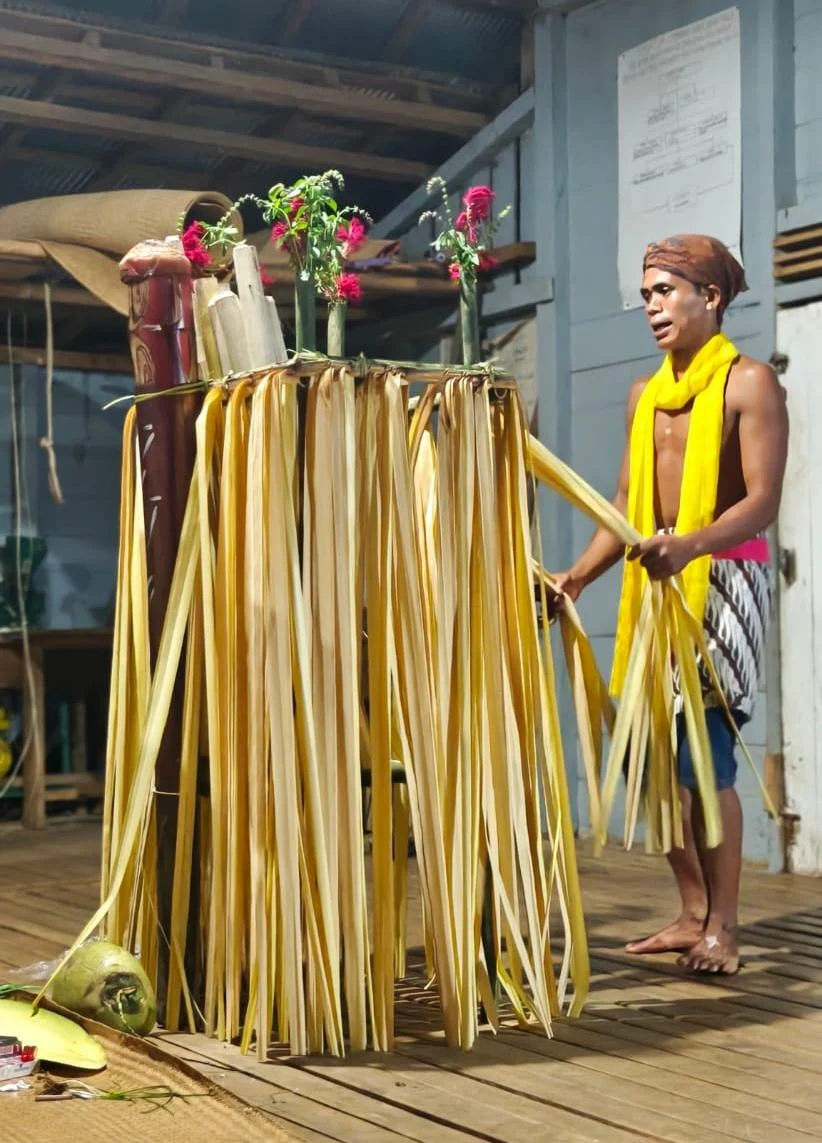
Mount Halau-Halau, the highest and most revered peak in the province of South Kalimantan, has been officially and permanently closed to all forms of public climbing, commercial tourism, and scientific expeditions as of May 1. This landmark decision was finalized following a comprehensive deliberation involving the Village Head of Juhu, the Village Head of Hinas Kiri, the local military district representative (Babinsa), the Tourism Awareness Group (Pokdarwis), and prominent community elders. The move is intended to restore the sanctity of the mountain and protect the spiritual heart of the Dayak Meratus indigenous community, who have long regarded the peak as a forbidden and holy site.
The closure of the 1,901-meter-high mountain, which forms a vital part of the Meratus Mountain range, represents a significant shift in the management of natural landmarks in Indonesia, prioritizing indigenous sovereignty and spiritual conservation over economic gain. For the Dayak Meratus people, Mount Halau-Halau is not merely a geographic feature or a destination for outdoor recreation; it is the dwelling place of ancestral spirits and the guardians of the natural world. In their belief system, the summit serves as the meeting point between the celestial and terrestrial realms, acting as the primary source of life for all creatures in the surrounding ecosystem.
The Spiritual and Mythological Foundation of the Closure
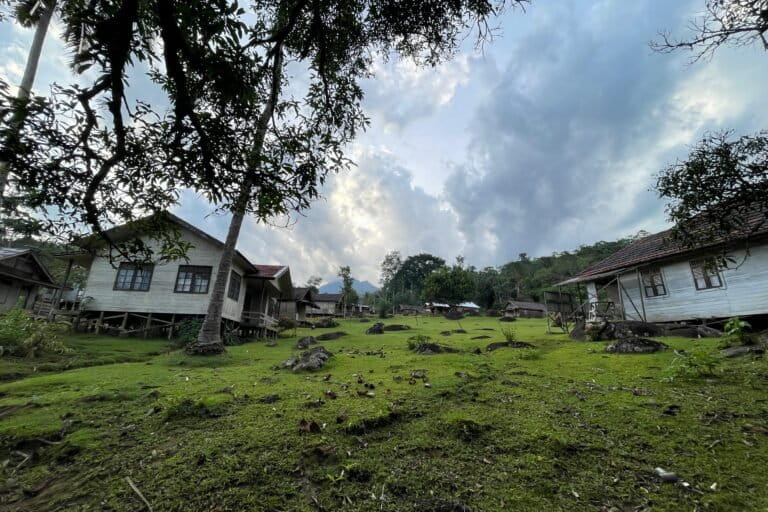
The decision to close Mount Halau-Halau is rooted in centuries of oral tradition and spiritual revelation. Abdul Dunduk, the Village Head of Juhu—a remote village located at the highest reaches near the peak—explained that their ancestors received divine guidance from the mountain’s guardian spirits. This mandate tasked the community with maintaining a delicate balance between humanity and nature. According to Dunduk, any human presence on the mountain requires profound respect and specific rituals to seek permission from the spirits, ensuring that the journey does not disturb the spiritual equilibrium or the physical environment.
In the Dayak Meratus cosmology, the mountain is the site of frequent purification rituals aimed at cleansing the environment of negative energies. One of the most significant ceremonies is the "Aruh," a ritual of gratitude performed to thank ancestral spirits for the abundance of the earth. These practices are seen as essential for the survival of the community, as they believe that the mountain’s health directly correlates with the prosperity and health of the people living in its shadow.
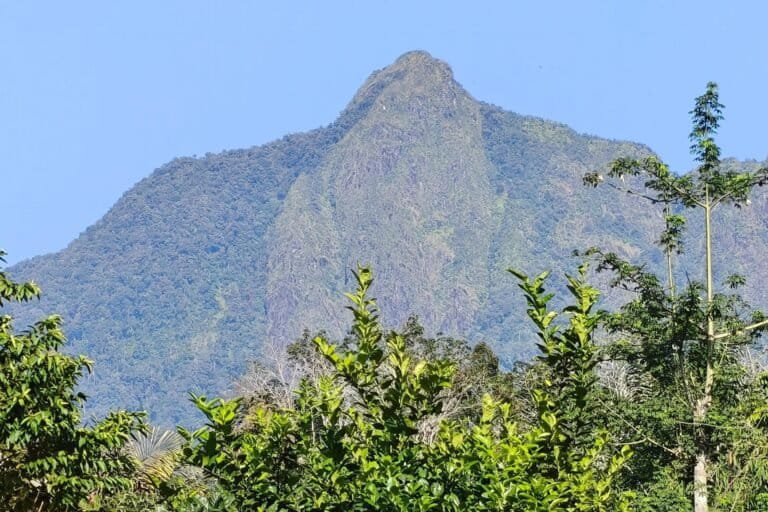
The mythology of the mountain is further enriched by the legend of Datuk Ayuh, a powerful figure from the spiritual realm of Patilaharan who descended to earth with his brother, Bambang Basuara. Local belief holds that the "Bintihan" stone site on the western slopes of Halau-Halau marks the spot of their arrival. This spiritual connection is physically manifested in the large boulders that span the Amandit River, which flows from the mountain’s heights. The descendants of Datuk Ayuh, often referred to as "Orang Pahuluan" (the people of the upstream), consider him the supernatural guardian of the "Great Mountain." Legend dictates that anyone who dares to desecrate or damage the Meratus range will face severe consequences according to ancestral oaths.
Chronology of the Decision and Indigenous Advocacy
The path toward the permanent closure of Mount Halau-Halau has been building for years as the Dayak Meratus community observed increasing environmental degradation and a lack of respect for their sacred protocols by outside visitors. The official consensus reached on May 1 was the culmination of these concerns. Rubi, the Chairman of the Regional Board of the Alliance of Indigenous Peoples of the Archipelago (AMAN) for South Kalimantan, stated that the closure is a definitive act of commitment by the Dayak Meratus to preserve their ecosystem and the sanctity of their values.
Rubi, who is himself a resident of Juhu Village, emphasized that the mountain has been commodified for too long. He cited a well-known local proverb: "Kita boleh hajin lawan binian, tapi kada kawa memiliki," which translates to the idea that while the forest, water, mountains, and air are to be enjoyed and sustained together, they are not to be possessed, exploited, or destroyed for individual gain. For the Dayak Meratus, the responsibility of environmental stewardship is a collective duty, but indigenous communities must be granted the sovereign space to ensure that sacred areas remain undisturbed.
The closure also addresses a specific cultural protocol: for the indigenous community, climbing Halau-Halau is traditionally an act of "ikhtiar" or a spiritual effort to seek healing for the critically ill or to ward off the threat of death. When the mountain is treated as a playground for hikers and tourists, this profound spiritual purpose is undermined.
Academic and Anthropological Perspectives
The closure has garnered support from the academic community, which views the decision as a necessary step in recognizing indigenous "ways of knowing." David Breckenridge, an anthropologist from the University of Toronto who has conducted extensive research in the Meratus region, shared his insights on the cultural significance of silence and listening on the mountain. Recalling a climb in 2017, Breckenridge noted how his local guides insisted on silence, prohibiting the use of electronic speakers.
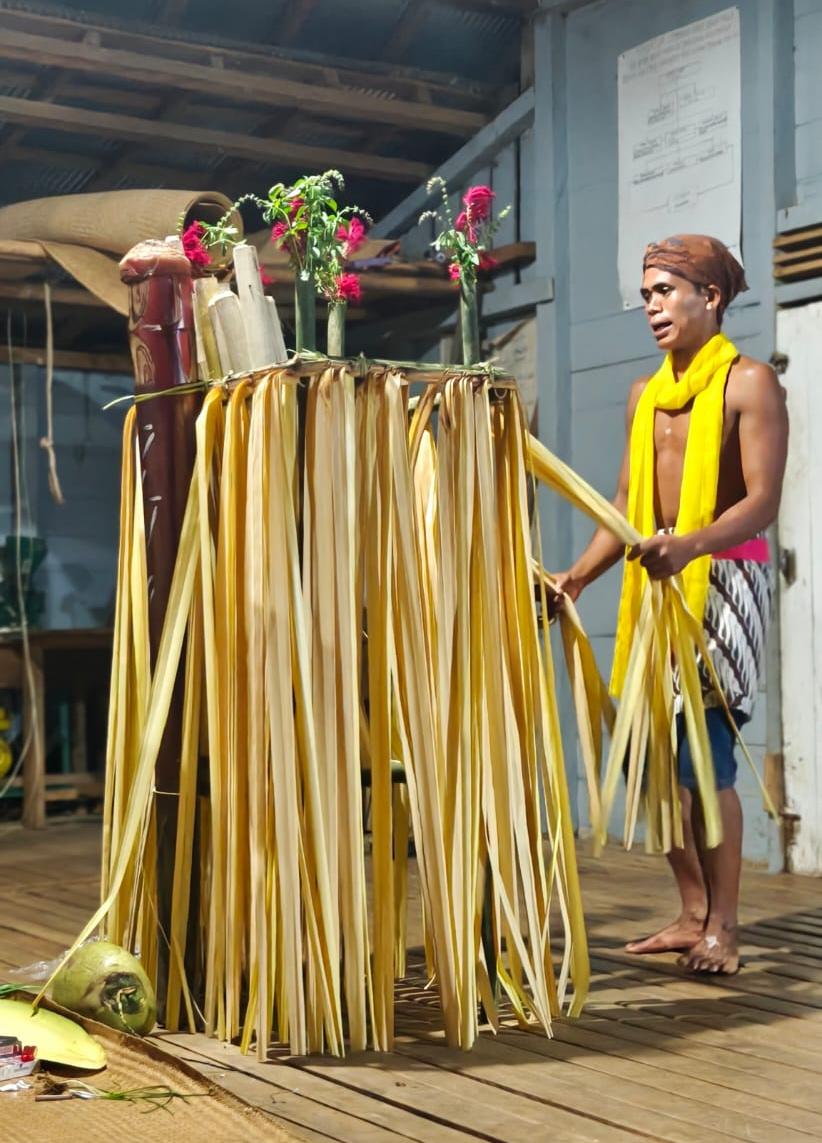
Breckenridge argues that for the Dayak Meratus, the forest acts as a living calendar and clock. The rhythmic buzzing of the tonggeret (cicadas), for instance, signals the setting of the sun and the time to return from the fields. He posits that the closure of Halau-Halau is not a radical new policy but a reminder of an ancient "adat" (customary law) that has been neglected by modern tourism. By closing the mountain, the community is asserting that the Meratus ecology is a "subject" with its own rights, rather than an "object" for human consumption.
Setia Budi, a Senior Lecturer in Sociology at Lambung Mangkurat University (ULM) in Banjarmasin, views the closure as a "collective statement of attitude." He explains that in traditional landscape management, "sacred space" and "conservation" are two sides of the same coin. By restricting human access, the indigenous community is implementing the purest form of conservation—a "healing period" that allows the flora and fauna of the tropical rainforest to regenerate without human interference. This "ecological brake" is often more effective than formal government regulations in maintaining the integrity of primary forests.
Government Response and Economic Friction
Despite the strong stance of the indigenous community and support from academics, the decision has met with resistance from the regional government. Muhammad Yani, the Regional Secretary of Hulu Sungai Tengah Regency, clarified that the local government has not issued an official decree regarding a permanent closure. He expressed regret over the unilateral nature of the announcement, claiming that the government was not involved in the discussions.
Yani further claimed that some parties involved in the May 1 meeting, including the Village Head of Hinas Kiri and the local Pokdarwis, had since retracted their support for the statement. He argued that because Mount Halau-Halau is classified as a "Protected Forest" (Hutan Lindung), its management falls under the jurisdiction of the Ministry of Environment and Forestry, not local village or indigenous groups.
The government’s primary concern appears to be economic. Mount Halau-Halau is an iconic destination that attracts international hikers, and its closure represents a loss of tourism revenue. Yani suggested that the underlying issue might not be spiritual but rather a dispute over the distribution of tourism income among various stakeholders. "If the issue is sanctity, why is it only being closed now? Why not years ago?" Yani questioned, suggesting that economic management issues are at the heart of the conflict.
Broader Implications for Indigenous Rights in Indonesia
The situation at Mount Halau-Halau mirrors a growing movement across the Indonesian archipelago where indigenous communities are reclaiming their ancestral lands. Similar initiatives include the Kawalu tradition of the Baduy people in Banten, the Nyepi (Day of Silence) in Bali, and the Sasi tradition in Maluku. Internationally, this aligns with the "Rights of Nature" movement, such as in New Zealand, where the Whanganui River and the Te Urewera forest have been granted legal personhood under Māori guardianship.
The Meratus Mountains are not just a spiritual site; they are a vital "water tower" for the surrounding regencies, providing essential hydrological functions for thousands of people. The degradation of this range due to mining, palm oil expansion, and unregulated tourism poses a direct threat to the regional water supply and biodiversity.
The permanent closure of Mount Halau-Halau serves as a critical test case for the implementation of the 2013 Constitutional Court ruling (MK 35), which recognized that customary forests (Hutan Adat) should not be classified as state forests. While the government views the mountain through the lens of administrative law and economic potential, the Dayak Meratus view it through the lens of survival and spiritual duty.
Conclusion: A Call for Re-evaluating Human-Nature Relationships
The closure of Mount Halau-Halau is more than a local administrative dispute; it is an invitation to rethink the fundamental relationship between modern society and the natural world. As the "lungs of South Kalimantan," the Meratus Mountains represent one of the last remaining primary forest fragments in a region heavily impacted by extractive industries.
Whether the closure remains permanent or transitions into a more strictly regulated limited-access model, the message from the Dayak Meratus is clear: the mountain is a living entity that requires rest and respect. For the indigenous people of the Meratus, the preservation of Halau-Halau is a non-negotiable requirement for the continuity of their culture and the health of the planet. As the debate continues, the "silence" of Halau-Halau stands as a powerful testament to the enduring strength of indigenous wisdom in the face of modern environmental and economic pressures.