Nila Kartika Wati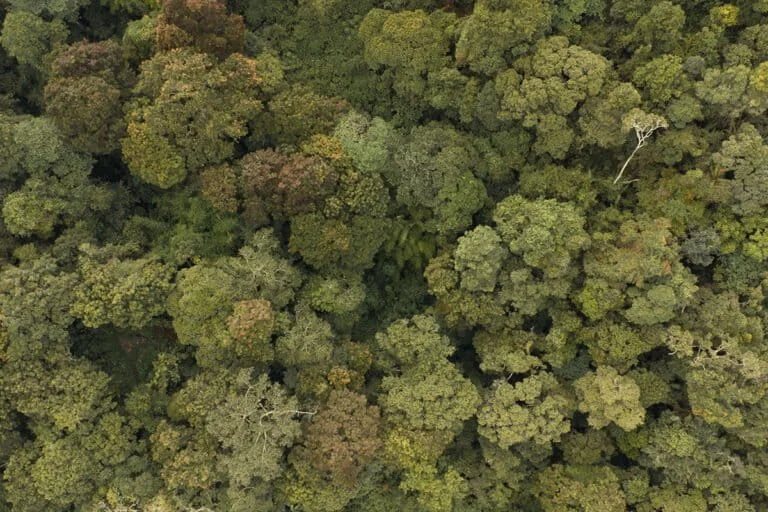
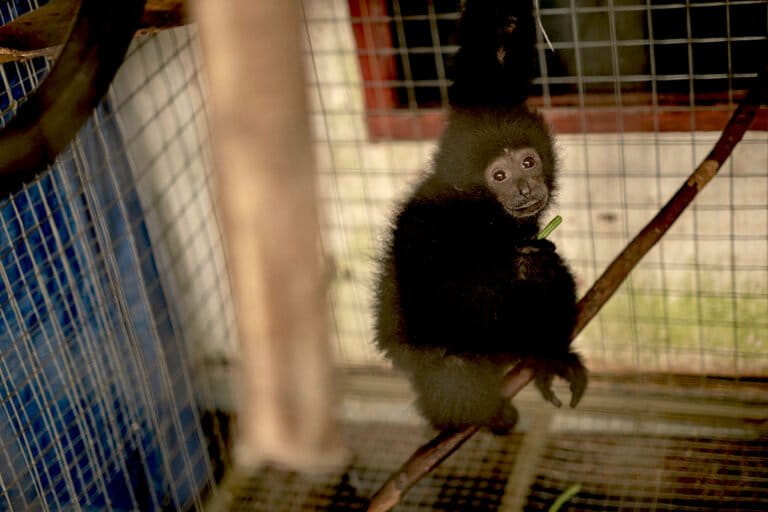
Inside a modest three-by-two-meter enclosure at the Punti Kayu Wildlife Rehabilitation Center (PRS) in Palembang, South Sumatra, a young siamang moves with practiced agility. Its small, nimble hands reach for a box filled with a colorful assortment of vegetables and fruits. One by one, pieces of carrots, corn, cucumbers, long beans, and eggplants are consumed with quiet intensity. Yet, behind the rhythmic chewing, the young primate’s eyes often drift toward the world outside its cage, carrying a weary gaze that seems to search for a lost connection to its mother and the sprawling canopy of the wild.
This particular siamang is only one year old—a mere infant in the biological timeline of its species. Under normal circumstances, it would still be clinging tightly to its mother’s fur, learning the complex vocalizations and acrobatic maneuvers necessary for survival in the Sumatran rainforest. Instead, it is a resident of a rehabilitation facility, a victim of the pervasive illegal wildlife trade that continues to threaten Indonesia’s biodiversity.
Dr. Arnestasya Fitri Andriani, a veterinarian at PRS Punti Kayu, noted during a recent assessment on May 7, 2026, that the infant had been prematurely separated from its mother. This separation is a common tragedy for many of the primates housed at the center. As of mid-2026, PRS Punti Kayu provides sanctuary and medical care for 29 individual gibbons, comprising 28 siamangs (Symphalangus syndactylus) and one ungko or agile gibbon (Hylobates agilis).
The Role of PRS Punti Kayu and The Aspinall Foundation
The facility has been under the management of The Aspinall Foundation since 2022, working in close collaboration with the Natural Resources Conservation Agency (BKSDA). The foundation’s mission is clear: to rescue, rehabilitate, and eventually return these endangered primates to their rightful habitats. Made Wedana, the Director of The Aspinall Foundation, revealed that since the partnership began, they have successfully released approximately 40 siamangs back into the wild.
The inclusion of the ungko, a slightly smaller and more vocal species of gibbon, is a more recent development for the center. "For the ungko, we currently have one individual because the formal cooperation for this specific species only began this year," Wedana explained. The majority of the animals arriving at Punti Kayu share a harrowing backstory; they are either surrendered by citizens who kept them as illegal pets or confiscated by authorities during anti-trafficking operations. Most distressingly, four of the recently confiscated individuals are infants around one year of age.
The Biological Toll of Forced Separation
The removal of an infant siamang from its family unit is more than just a legal violation; it is a biological catastrophe. In the wild, siamangs exhibit a unique and sophisticated parenting structure that is essential for the juvenile’s psychological and physical development.
During the first year of life, a siamang infant is entirely dependent on its mother for warmth, nutrition, and protection. However, as they enter their second year, a fascinating behavioral shift occurs known as "paternal care transition." In this phase, the male siamang takes over the primary duties of carrying and grooming the offspring, while the mother begins the weaning process to recover her physical energy. This shared parenting ensures the infant learns social cues from both parents.
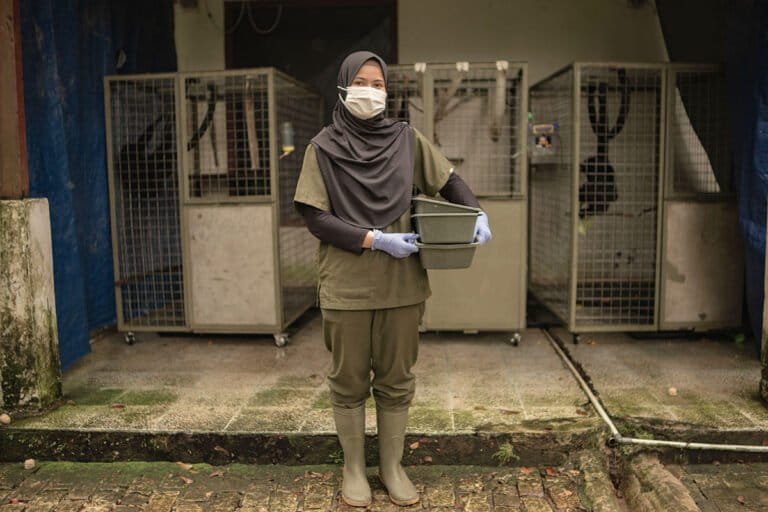
"When they are separated from their parents at such a young age, the chain of knowledge and learning is broken," said Dr. Arnestasya. "They miss out on learning how to forage, how to communicate, and how to navigate the canopy. This creates significant hurdles during the rehabilitation process."
Rehabilitating a former pet is a grueling, long-term endeavor. Unlike wild-caught adults that may retain their survival instincts, infants raised by humans often lose their fear of people. Dr. Arnestasya and her team must work for five to ten years to "rewild" these animals, ensuring they no longer seek human contact. Only when their natural instincts are fully restored can they be considered candidates for release.
Zoonotic Risks and the Case of Gading
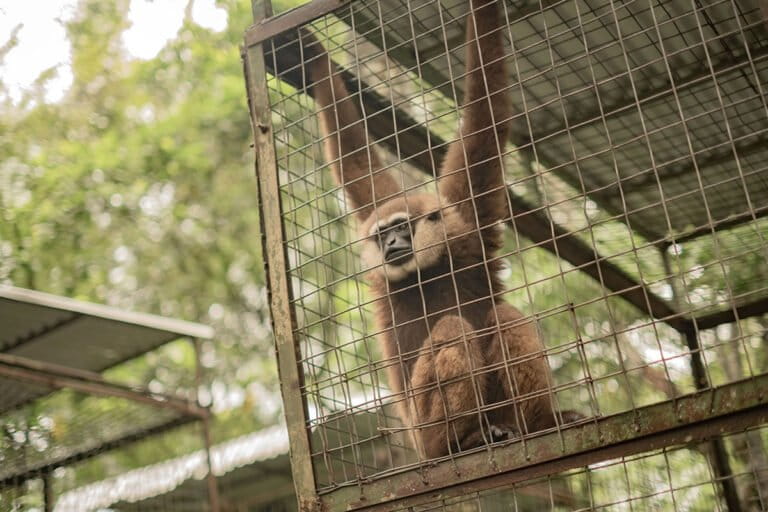
Beyond the behavioral challenges, the interaction between humans and wild primates poses a severe health risk: the transmission of zoonotic diseases. At PRS Punti Kayu, a 6.5-year-old agile gibbon named Gading serves as a somber reminder of these dangers.
Gading was surrendered to the South Sumatra BKSDA in 2022 when his owner became too ill to care for him. While Gading appeared clinically healthy and had reached sexual maturity, comprehensive screening tests revealed a devastating diagnosis: he was infected with the Herpes virus.
"The virus likely originated from his prolonged interaction with humans," Dr. Arnestasya stated. "While Gading shows no outward signs of illness, he can never be released into the wild. If he were to return to a natural population, he could act as a vector, spreading the virus to wild gibbons who have no immunity."
This situation mirrors the crisis seen in elephant populations across Africa and Asia, where Herpes virus strains have claimed the lives of numerous calves. Currently, there is no vaccine to eradicate the virus in gibbons, leaving Gading to spend the remainder of his life in a permanent sanctuary enclosure. His case highlights the "silent" impact of the pet trade—even if an animal is physically rescued, it may be biologically "dead" to its species’ future in the wild.
The Geographic and Ecological Importance of South Sumatra
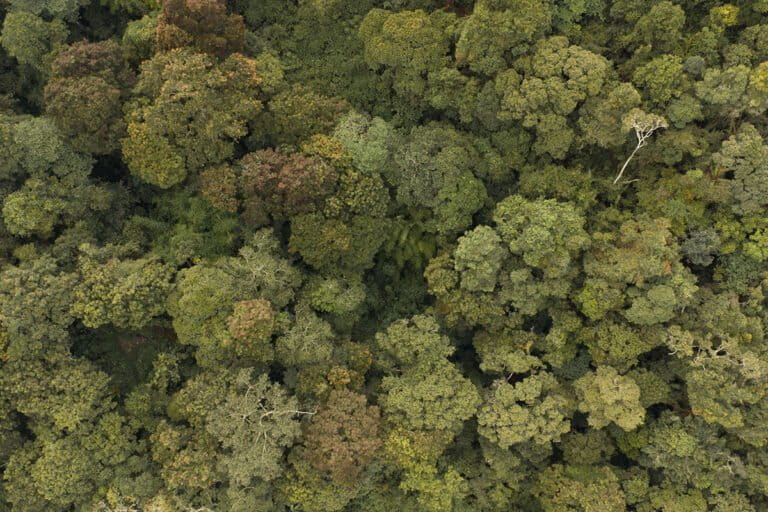
South Sumatra is a critical stronghold for both siamangs and agile gibbons. These primates are found across a diverse range of landscapes, from the high-altitude forests of the Bukit Barisan mountain range to the lowland wetlands surrounding the Musi River. While exact population data for the province remains elusive, their presence is a vital indicator of forest health.
Siamangs and ungkos are often referred to as "gardeners of the forest." As frugivores, they play an essential role in seed dispersal. By consuming fruits and traveling long distances through the canopy, they ensure the regeneration of diverse tree species. When gibbon populations decline, the very structure of the rainforest begins to degrade.
The pressure on these habitats is immense. Fragmentation due to agriculture, logging, and infrastructure development not only limits the space available for these primates but also brings them into more frequent contact with humans, fueling the cycle of poaching and pet ownership.
Regional Collaboration and the Path Forward
The effort to save South Sumatra’s gibbons extends beyond Punti Kayu. Before the partnership with The Aspinall Foundation was established, many rescued primates were translocated to the Alobi Wildlife Rescue Center (PPS Alobi) in Bangka Belitung.
Endy R. Yusuf, the Manager of PPS Alobi, currently oversees three gibbons that have been in care since 2019. Among them is Mong, an agile gibbon who survived a horrific injury after being shot with an air rifle. Surgeons successfully removed a pellet lodged behind his right ear, and Mong has since made a physical recovery. However, like the residents of Punti Kayu, Mong and his companions face a difficult path to freedom.
"The most challenging part is restoring their wild instincts," Yusuf said. "We have individuals who have lived with humans since they were infants and are now adults. We are working hard to minimize human contact, but it is a slow process."
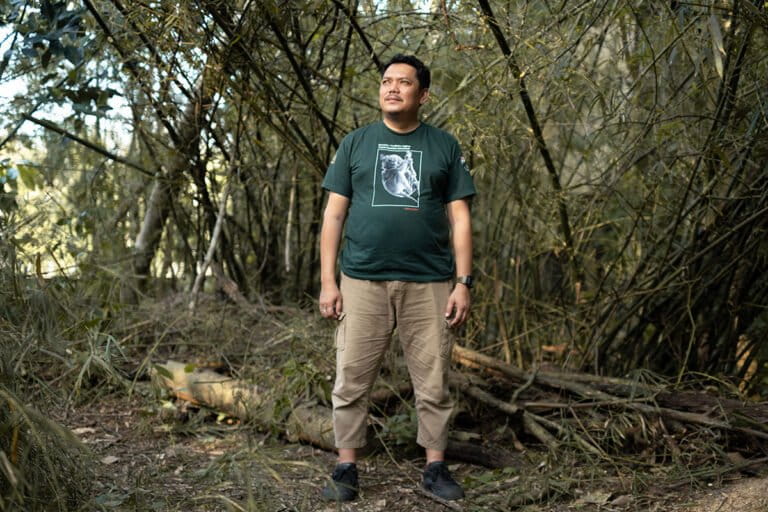
Yusuf expressed hope that these individuals could eventually be moved to specialized conservation centers that focus exclusively on gibbons, where they might find suitable mates and eventually be released in protected areas like the Bukit Lumut Balai highland forests.
Conclusion: A Call for Habitat Preservation
Both the siamang and the agile gibbon are currently classified as Endangered on the IUCN Red List. Their survival is inextricably linked to the preservation of Indonesia’s remaining primary forests. The legal framework, specifically Law No. 5 of 1990 concerning the Conservation of Living Natural Resources and Their Ecosystems, provides the basis for their protection, but enforcement and public education remain key.
The stories of Gading, Mong, and the unnamed infants at PRS Punti Kayu serve as a powerful testament to the consequences of treating wildlife as commodities. Every animal kept in a cage is a missing link in the ecological chain.
"In an ecosystem, all creatures are interconnected in a magnificent way," Yusuf emphasized. "When one link is broken, it eventually becomes a disaster for humans as well. We must protect their habitats and ensure that wild animals stay where they belong—in the wild, not in cages."
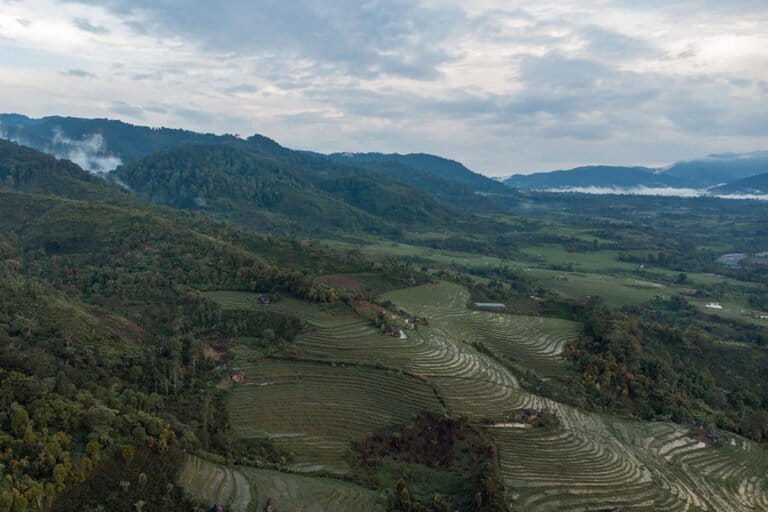
As the sun sets over the Punti Kayu rehabilitation center, the vocalizations of the siamangs—a hauntingly beautiful "great call"—echo through the facility. It is a sound that should be heard echoing across the vast valleys of the Bukit Barisan. For now, it remains a call for help, a reminder of the work that remains to be done to ensure that the next generation of these "singing primates" grows up under the canopy, protected by their own kind, and free from the shadow of human interference.