Chalifah Fatihah
Vesak, the holiest of Buddhist observances, transcends mere religious observance; it is a profound celebration interwoven with a rich array of traditions that embody the core tenets of Buddhism: peace, wisdom, and self-mastery. This sacred day, also known as Tri Suci Waisak, commemorates three pivotal moments in the life of Siddhartha Gautama, the Buddha: his birth as Prince Siddhartha, his attainment of perfect enlightenment, and his final passing into Nirvana (Parinibbana). While the spiritual significance of Vesak is paramount, the diverse traditions practiced by Buddhists worldwide offer a fascinating glimpse into the living embodiment of these teachings.
The origins of Vesak are deeply rooted in the ancient Indian lunar calendar, with the full moon of the month of Vaisakha (typically falling in May) marking this auspicious occasion. The synchronized celebration of these three significant events underscores the Buddha’s complete journey from mortal prince to enlightened teacher, providing a powerful narrative of transformation and liberation. For Buddhists, Vesak is not merely a remembrance but an active engagement with the Buddha’s legacy, a time for introspection, merit-making, and a renewed commitment to the path of righteousness.
The global Buddhist community, numbering over 500 million adherents, observes Vesak with varying yet interconnected traditions. While the core spiritual practices remain consistent, cultural nuances add unique flavors to the celebrations in different regions, from the lantern-lit skies of Southeast Asia to the serene temple ceremonies in the West. This article delves into the multifaceted traditions that define Vesak, exploring their spiritual significance and their enduring relevance in contemporary society.
The Pillars of Vesak Observance: Core Traditions
At the heart of Vesak celebrations lie several key practices that devotees undertake to honor the Buddha and deepen their spiritual understanding. These traditions, passed down through generations, serve as powerful reminders of the Buddha’s teachings and their application in daily life.
1. Vihara Gatherings and Puja Bakti: Communal Devotion
A central tradition during Vesak is the gathering of devotees at local viharas (Buddhist temples) for communal worship, known as puja bakti. These services typically involve chanting of parittas (sacred Buddhist verses), guided meditation sessions, and Dhamma talks delivered by venerable monks and nuns. The collective recitation of scriptures and prayers fosters a sense of unity and shared spiritual aspiration. The atmosphere within the vihara is one of deep reverence and tranquility, as participants engage in silent contemplation and offer their devotion.
The puja bakti is more than just a ritual; it is an opportunity for spiritual renewal. Participants are encouraged to reflect on the Buddha’s teachings, express gratitude for the Dharma, and cultivate a sense of peace and mindfulness. The presence of monks and nuns, who have dedicated their lives to the spiritual path, serves as an inspiration and a living example of the teachings. These gatherings often extend throughout the day and into the night, allowing devotees ample time for spiritual practice and community interaction.
2. Meditation: Cultivating Inner Peace and Wisdom
Meditation, a cornerstone of Buddhist practice, takes on heightened importance during Vesak. Many Buddhists dedicate significant time to cultivating mindfulness and insight through various meditation techniques. The stillness and focus achieved through meditation are seen as essential for calming the restless mind, developing emotional resilience, and gaining a deeper understanding of the nature of reality.
The practice of Vipassanā (insight meditation) is particularly emphasized, as it aims to develop clear comprehension of impermanence, suffering, and non-self – the three marks of existence. By observing the mind and body without judgment, practitioners can begin to detach from destructive emotions like anger, greed, and delusion. This inner work is crucial for personal transformation and for fostering a more compassionate and understanding approach to life’s challenges. The serenity achieved through meditation during Vesak is believed to radiate outwards, contributing to a more peaceful individual and, by extension, a more peaceful world.
3. Upholding the Five Precepts: Ethical Living
Vesak serves as a powerful reminder for Buddhists to recommit to living according to the Five Precepts, the fundamental ethical guidelines for lay followers. These precepts are: to abstain from taking life, to abstain from taking what is not given (stealing), to abstain from sexual misconduct, to abstain from false speech (lying), and to abstain from intoxicants that cloud the mind.
Adherence to these precepts is not viewed as a rigid set of rules but as a practical framework for cultivating wholesome actions and avoiding unwholesome ones. By refraining from harmful deeds, Buddhists aim to create positive karma and minimize suffering for themselves and others. The observance of the Five Precepts during Vesak reinforces the understanding that spiritual liberation is intrinsically linked to ethical conduct. It is through right action and right intention that one can truly embody the Buddha’s message of compassion and non-violence.
4. Illuminating the Path: Lighting Candles and Releasing Lanterns
The symbolic act of lighting candles during Vesak represents the dispelling of ignorance and the illumination of wisdom. Just as a candle’s flame banishes darkness, the Buddha’s teachings are believed to illuminate the path to enlightenment, guiding beings out of suffering. This practice is often observed collectively, with thousands of candles casting a warm glow in temples and homes, creating a serene and contemplative ambiance.
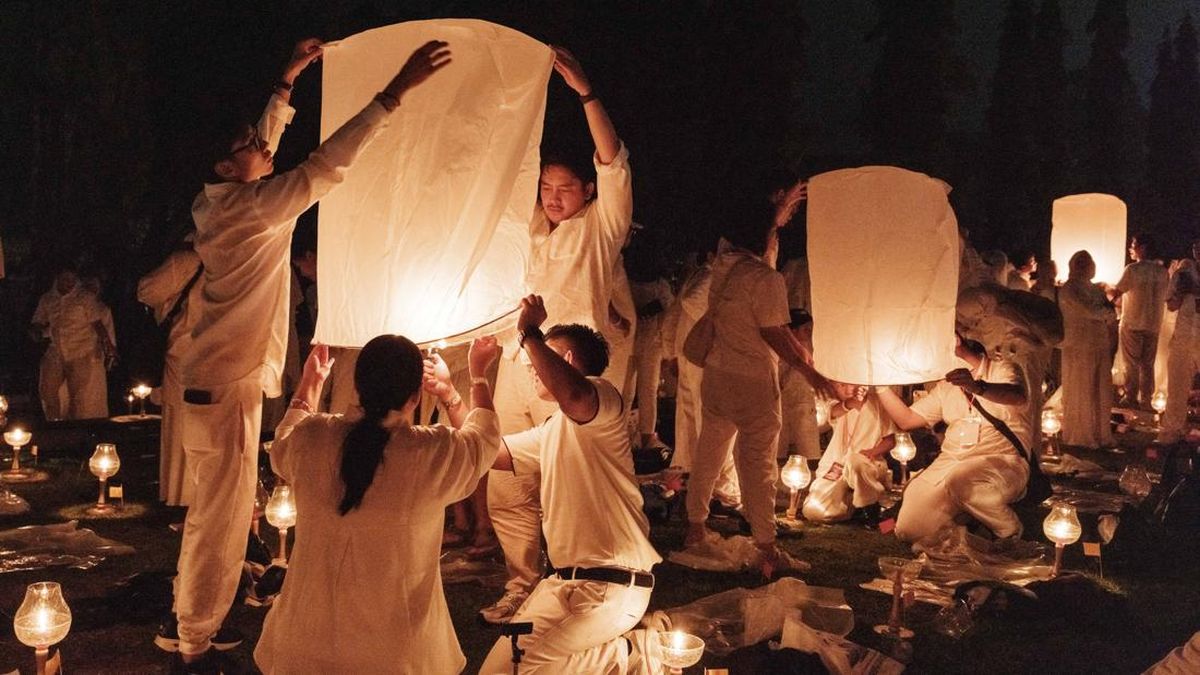
In many Buddhist traditions, the release of lanterns is another visually striking and meaningful ritual. These floating lanterns, often adorned with prayers and wishes, symbolize the sending forth of good intentions and aspirations for peace and well-being for all sentient beings. The sight of countless lanterns ascending into the night sky is a powerful metaphor for hope, the transcendence of worldly concerns, and the interconnectedness of all life. The iconic lantern releases at Borobudur Temple in Indonesia, drawing vast crowds and media attention, exemplify the widespread appeal and visual splendor of this tradition.
5. Purification Rituals: Cleansing the Mind and Body
Certain Buddhist communities observe the ritual of bathing the Buddha image during Vesak. This practice involves gently cleansing a statue of the Buddha with scented water, often infused with flowers. While seemingly a physical act, its deeper meaning lies in the symbolic purification of one’s own mind and heart. It is an act of devotion and a reminder of the importance of shedding negative mental states such as greed, hatred, and delusion.
The act of washing the Buddha image is an outward expression of an inner aspiration to purify oneself, to cultivate a clean and unblemished mind. It is a humble gesture of respect and a commitment to aspiring towards the Buddha’s enlightened qualities. This ritual underscores the Buddhist belief in the potential for transformation within every individual.
6. The Purity of White: Attire for Serenity
Many Buddhists choose to wear pure white attire when participating in Vesak celebrations. The color white is universally recognized as a symbol of purity, peace, and innocence. By donning white garments, devotees signify their intention to approach the sacred occasion with a clean heart and a sincere mind.
This practice also contributes to the overall atmosphere of solemnity and devotion within temples and places of worship. The visual uniformity of white attire can foster a sense of collective identity and shared purpose, enhancing the spiritual experience for all participants. It is a simple yet powerful way to express reverence and to align oneself with the pure teachings of the Buddha.
7. Generosity and Compassion: Sharing with Others
Vesak is also a time for profound acts of generosity and compassion, reflecting the Buddha’s emphasis on dana (giving). Many Buddhist organizations and temples organize charitable activities, including blood donation drives, distribution of essential goods to the needy, and offering free medical services. These initiatives embody the Buddhist ideal of extending kindness and support to all beings, irrespective of their background.
A traditional practice known as pindapatta involves devotees offering food and necessities to monks and nuns as they make their alms rounds. This tradition not only supports the monastic community but also provides lay practitioners with an opportunity to cultivate merit and practice detachment by giving without expectation of return. The spirit of sharing and selfless service during Vesak highlights the interconnectedness of all beings and the profound impact of compassion in alleviating suffering.
Context and Significance: The Enduring Relevance of Vesak
The observance of Vesak is not merely a static adherence to ancient customs; it is a dynamic and evolving practice that continues to resonate with contemporary audiences. The message of peace, mindfulness, and compassion that the Buddha espoused remains remarkably relevant in a world often characterized by conflict and division.
Historical Context: The historical roots of Vesak can be traced back to the earliest days of Buddhism. The Buddha himself is believed to have attained enlightenment and passed away on the same day of the full moon in Vaisakha, underscoring the profound interconnectedness of his life’s journey. Over centuries, these observances have been refined and adapted by various Buddhist schools and cultures, leading to the rich diversity of traditions seen today.
Global Reach: From the grand ceremonies at Bodh Gaya in India, where the Buddha attained enlightenment, to the tranquil meditation retreats in the West, Vesak is celebrated by millions across the globe. The increasing interconnectedness of the world through technology has also facilitated the sharing of these traditions, allowing individuals to participate in virtual ceremonies and connect with fellow Buddhists worldwide.
Socio-Cultural Impact: Beyond its religious significance, Vesak often plays a crucial role in fostering social harmony and cultural understanding. The inclusive nature of many Vesak activities, such as charitable events and public awareness campaigns, extends the message of peace and goodwill to broader communities. The visual spectacles, such as the release of lanterns, often attract international attention, promoting cultural exchange and appreciation.
Analytical Perspective: The enduring appeal of Vesak traditions lies in their ability to address fundamental human needs: the need for peace, meaning, and connection. In an increasingly materialistic and fast-paced world, the emphasis on mindfulness, ethical conduct, and selfless service offers a powerful antidote to stress and existential unease. The structured nature of the observances provides a sense of order and purpose, while the communal aspects foster a sense of belonging and shared humanity. Furthermore, the symbolic richness of the traditions allows for deep personal reflection and spiritual growth, catering to individuals seeking a more profound connection with themselves and the world around them.
The traditions observed during Vesak are not merely historical relics; they are living practices that offer profound insights into the human condition and the path to a more peaceful and enlightened existence. As the world continues to grapple with complex challenges, the timeless wisdom and compassionate spirit embodied in Vesak celebrations offer a beacon of hope and a pathway towards greater understanding and well-being for all.