Nila Kartika Wati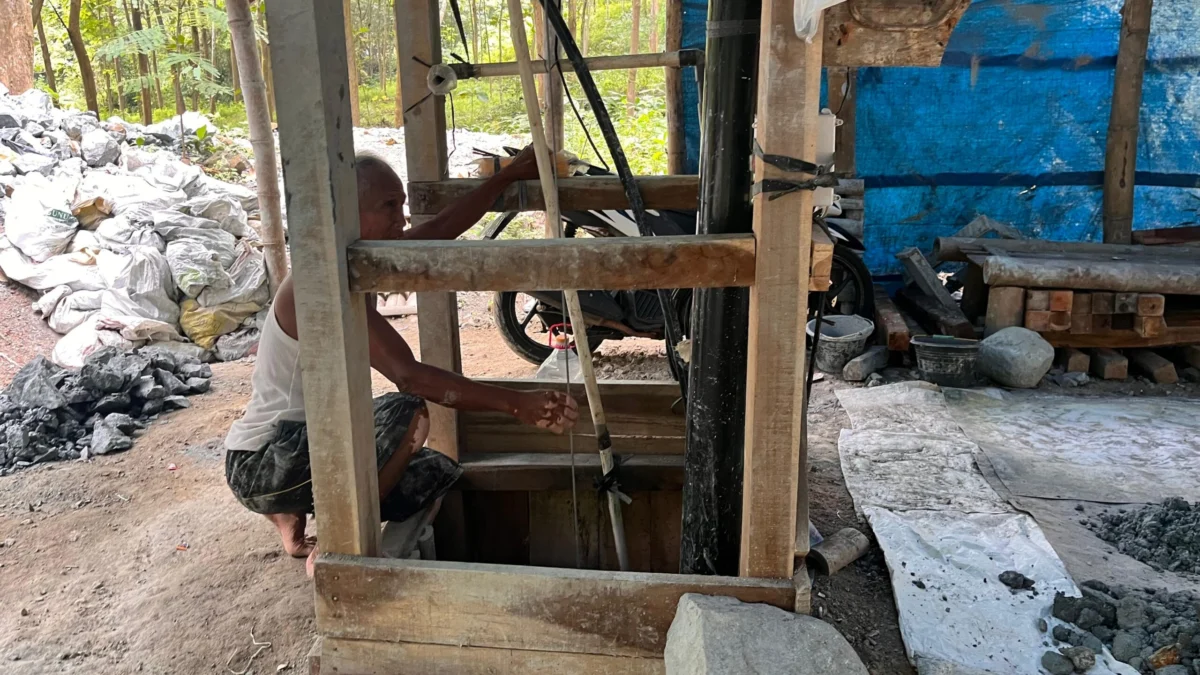
The Indonesian government appears to be struggling to contain the rapid proliferation of illegal gold mining activities, known locally as Pertambangan Emas Tanpa Izin (PETI), which continue to scar landscapes across the archipelago. Despite periodic crackdowns and high-profile enforcement operations, the scale of the problem is not merely persisting but expanding at an alarming rate. According to recent data from the Financial Transaction Reports and Analysis Center (PPATK), suspicious financial transactions linked to illegal mining have surged from Rp339 trillion in 2023 to nearly Rp1,000 trillion within a mere two-year window. This exponential growth underscores a burgeoning "shadow economy" that operates beyond the reach of state regulation, depriving the nation of significant revenue while inflicting irreversible damage on public health and the environment.
The Resilience of Illegal Operations: Jember and Wonogiri
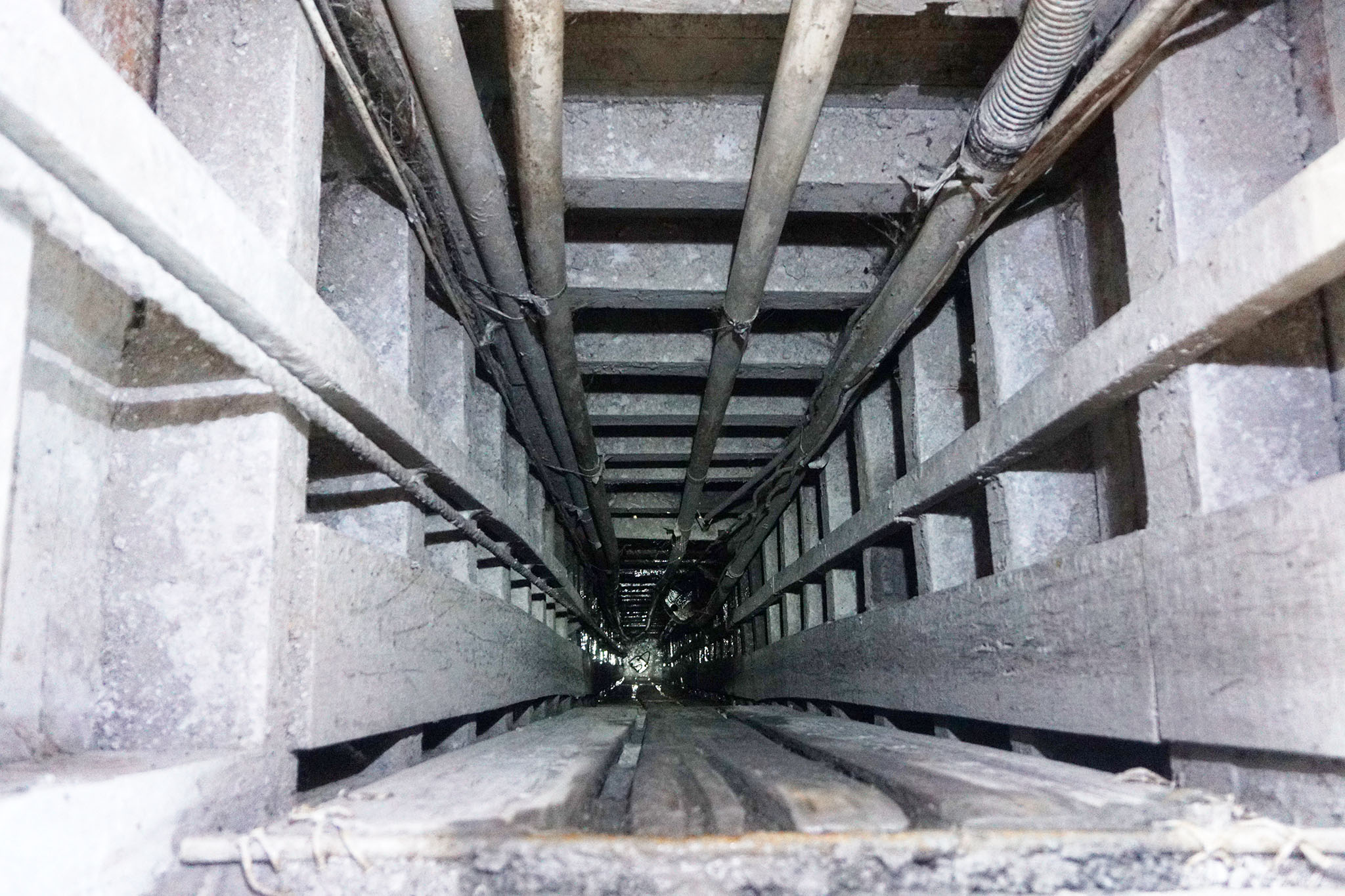
In East Java’s Jember Regency, the heart of illegal mining remains centered in the forests of Mount Manggar. Despite large-scale security operations in previous years, the activity has adapted rather than disappeared. Miners in Jember have transitioned to a nocturnal schedule to evade detection, navigating the rugged hills under the cover of darkness and retreating into deep, hand-dug shafts. They emerge only at dawn, carrying ore that will eventually find its way into a complex, clandestine supply chain.
"The activity is still there, though it is not as crowded as it once was," says Haris, a local resident. He notes that the shift to nighttime operations is a direct response to increased surveillance. While the COVID-19 pandemic briefly dampened the intensity of mining due to logistical disruptions, the industry has seen a massive resurgence in the post-pandemic era. Data from the Jember District Court (SIPP PN Jember) reveals that at least 60 suspects have faced legal proceedings for illegal mining since the pandemic subsided, yet these arrests represent only a fraction of the total workforce involved in the trade.
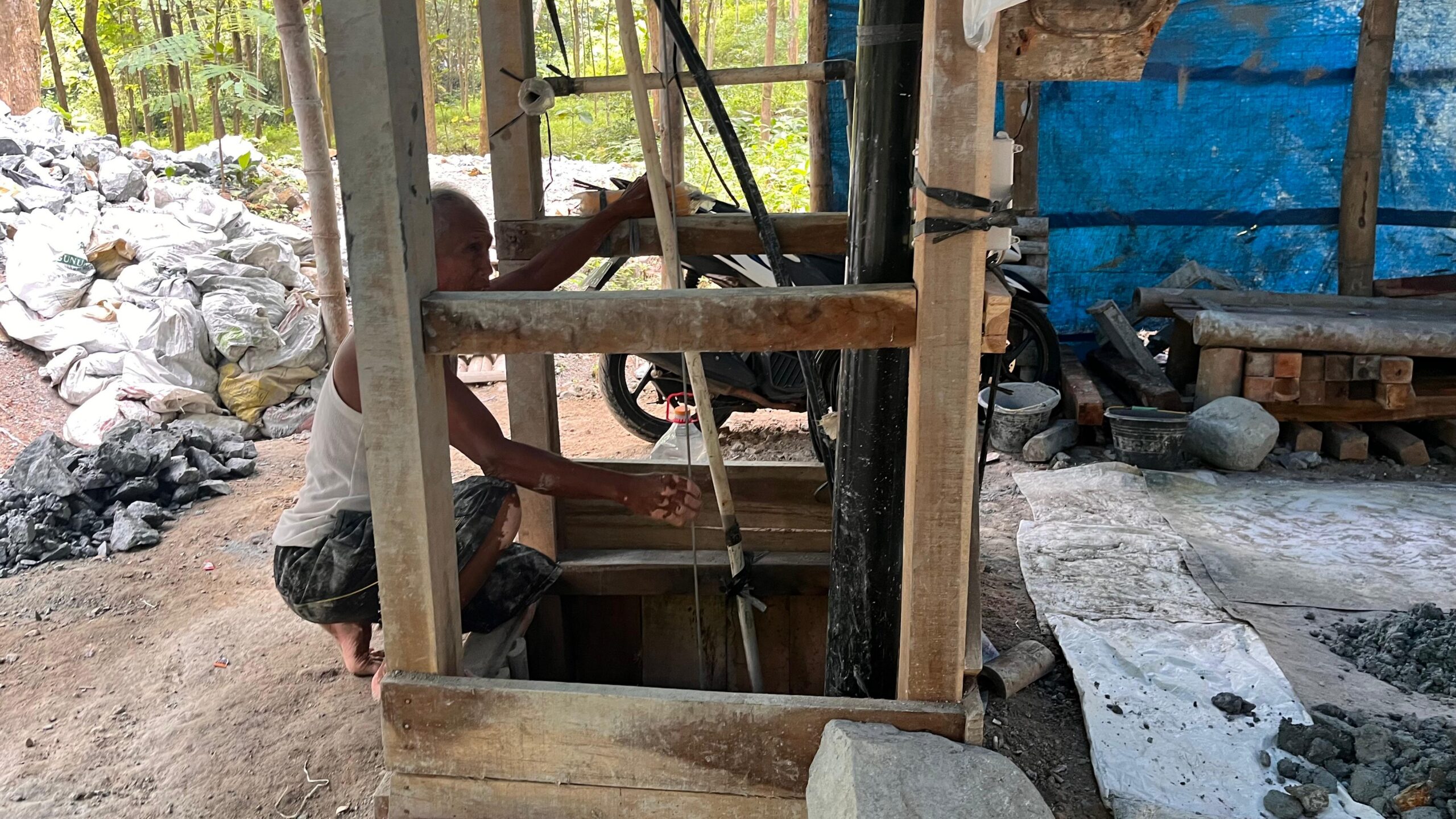
A similar narrative unfolds in Wonogiri, Central Java, particularly in the Jendi area. Here, illegal gold mining has a long history, characterized by deep shafts—often 50 meters down and only a meter wide—that follow narrow gold veins. For miners like "Rahman" (a pseudonym), the risks of tunnel collapses and chemical poisoning are secondary to the immediate pressure of economic survival. With global gold prices reaching historic highs, the incentive to dig outweighs the fear of the law or the long-term consequences of mercury exposure.
The Toxic Legacy of Mercury and Environmental Degradation
The environmental cost of PETI is most visibly measured in the widespread use of mercury during the amalgamation process. Mercury is favored by illegal miners because it is an inexpensive and accessible method for extracting gold from ore, despite its status as a highly potent neurotoxin. Research conducted in 2024 by Wawan Budianta and colleagues highlighted the catastrophic levels of mercury contamination in Wonogiri. Their study found mercury concentrations in tailing (processing waste) ranging from 184 to 517 mg/kg. To put this in perspective, natural background levels of mercury in rocks are typically around 0.001 mg/kg.
The mobility of this mercury is a grave concern. As tailing is often discarded directly into the environment or stored in unlined pits, the heavy metal leaches into the soil and water table. In Wonogiri, sediment testing in the upper reaches of the Jendi, Puri, Geritan, and Nglenggong rivers revealed mercury concentrations between 76,000 ppb and 194,000 ppb. These toxins eventually migrate downstream, entering the food chain and posing a permanent threat to regional ecosystems.
The Ministry of Environment and Forestry (KLHK) estimates that approximately 0.79 kg of mercury is released into the environment for every small-scale illegal mining site annually. This cumulative discharge has led to a public health crisis. A study by Sugeng Riyanto confirmed that 60% of miners in Jendi, Wonogiri, suffered from mercury poisoning, with blood mercury levels reaching 53.5 µg/l—vastly exceeding the World Health Organization’s (WHO) safety limit of 5–10 µg/l. Chronic exposure to mercury leads to "Minamata-like" symptoms, including neurological tremors, kidney failure, respiratory distress, and severe developmental issues in children.
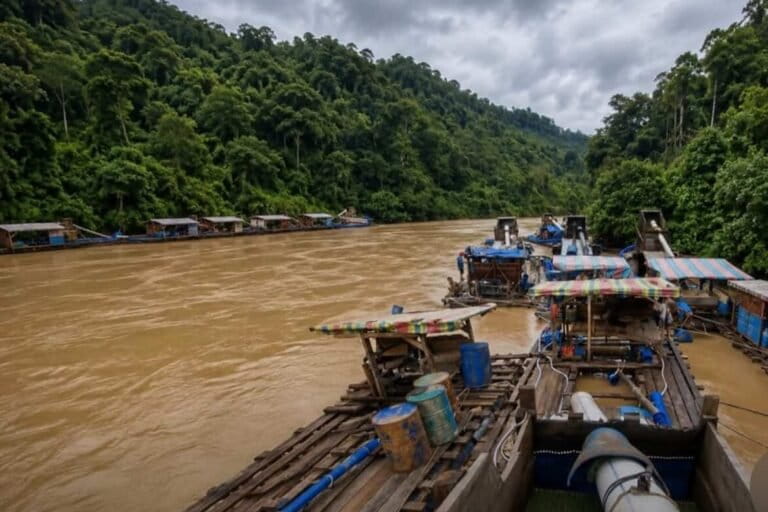
Economic Drivers and the Global Gold Surge
The persistence of illegal mining is inextricably linked to the global gold market. Purnawan Dwi Negara, an environmental law expert at Universitas Widya Gama (UWG) Malang, argues that as global uncertainty drives up gold prices, the pressure on Indonesia’s protected forests intensifies. "PETI is a portrait of the iceberg in our natural resource management," Purnawan explains. He emphasizes that while the narrative often focuses on "poor people’s stomachs," the reality is a highly organized shadow economy.
The economic structure of illegal mining is built on a patron-client system, or "cukong." The individual miners in the pits are often just laborers at the bottom of a pyramid. Above them are financiers who provide the capital for heavy machinery, excavators, and chemical supplies like mercury and cyanide. These backers often enjoy protection from corrupt officials, creating a "backing" system that makes law enforcement selective and ineffective.
Furthermore, gold is uniquely suited for smuggling. Unlike coal or nickel, which require massive infrastructure and shipping vessels, gold can be processed into small bars or crude jewelry in remote jungle camps. It is easily transported in small bags, making it nearly impossible to track once it enters the secondary market.
Regulatory Complexity and the Path to Legalization
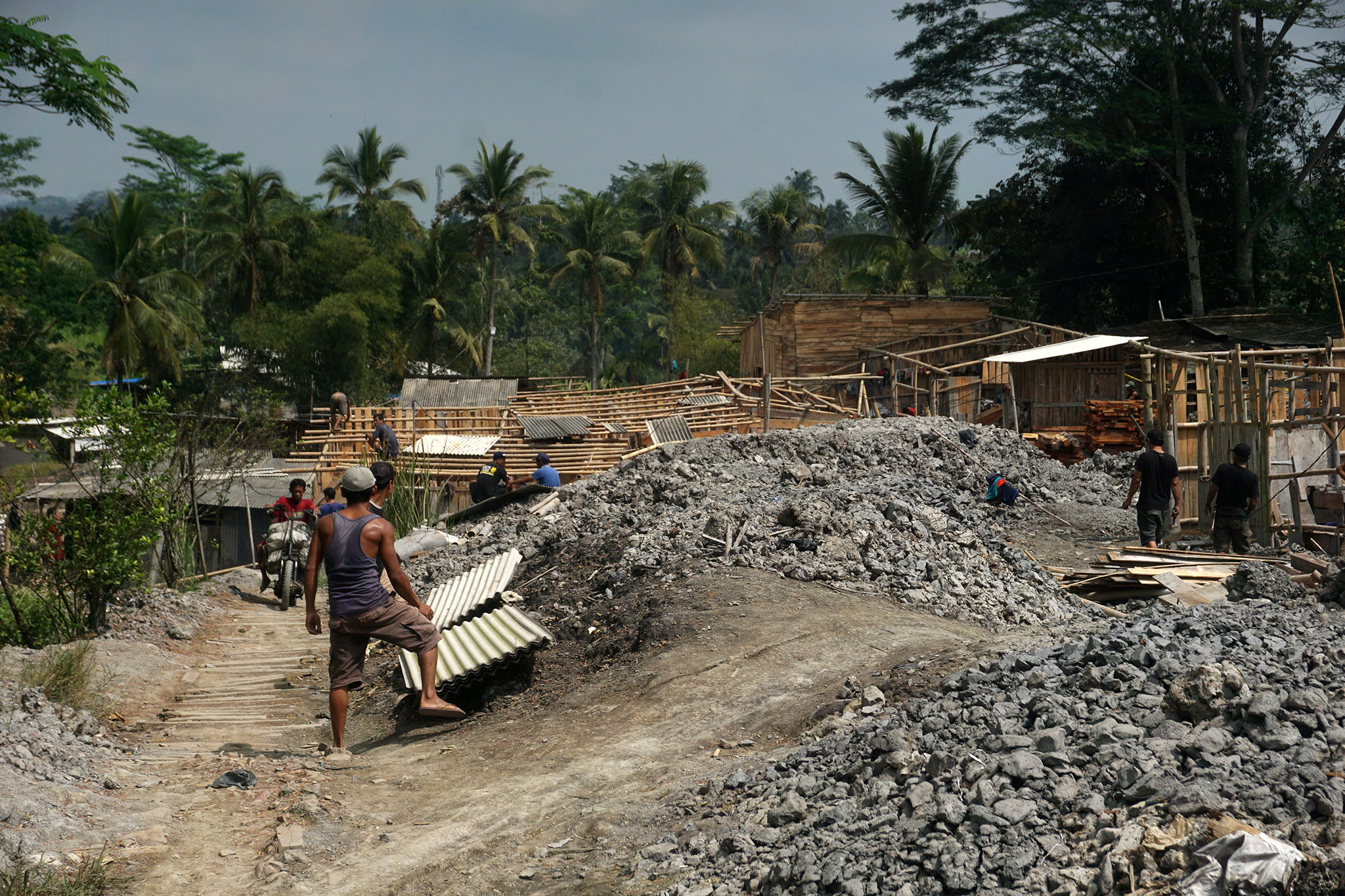
One of the primary hurdles in addressing PETI is the sheer complexity of Indonesia’s mining regulations. While the government promotes the transition from illegal mining to licensed People’s Mining Areas (WPR) and People’s Mining Licenses (IPR), the bureaucratic process is notoriously slow. The authority to designate WPRs lies with the central government, and the requirements for environmental impact assessments and technical standards are often beyond the reach of local mining cooperatives.
This regulatory bottleneck pushes communities toward the "path of least resistance"—illegal mining. When traditional sectors like agriculture or plantations face downturns, gold mining offers an immediate, cash-liquid alternative. Without a streamlined process for legalization that includes technical assistance for mercury-free processing, the cycle of illegality is likely to continue.
Indra Pradipta, Executive Director of Walhi East Java, notes that the lack of state firmness is a major factor. "In many places, PETI activities take place quite openly. The authorities need to strengthen their commitment to not only target the laborers in the field but the primary actors and financiers," Indra says. He argues that the rising price of gold is a catalyst, but the lack of consistent enforcement is the root cause.
Strategic Recommendations: Following the Money
To break the back of the illegal gold trade, experts suggest a paradigm shift in enforcement and supply chain management. Purnawan Dwi Negara advocates for a "follow the money" approach, working in tandem with PPATK to freeze the assets of major financiers and buyers. By treating illegal mining as a Money Laundering (TPPU) offense, the state can strip the profit motive from the industry.
Additionally, the government must implement mandatory "due diligence" for the entire gold supply chain. Every gold refinery, jewelry manufacturer, and state-owned entity like PT Antam should be required to verify the origin of their raw materials. If gold cannot be traced back to a licensed, environmentally compliant mine, it should be treated as a criminal product.
Digitalization of the chemical supply chain is another critical step. By tracking the distribution of mercury and cyanide from importers to end-users through a digital manifest system, the government could theoretically starve illegal mines of the chemicals needed for large-scale processing. Without these reagents, the efficiency of illegal mining would drop significantly, making it less attractive to large-scale investors.
Chronology of the Crisis
The current crisis can be traced through a clear timeline of escalating activity:
- Pre-2020: Illegal mining is a persistent but localized issue, primarily driven by traditional methods.
- 2020-2021 (Pandemic Period): Activity temporarily slows due to movement restrictions and supply chain disruptions for chemicals, though mining in remote areas like Jember continues under the radar.
- 2022-2023: As the pandemic subsides and global gold prices climb, PETI sees a massive resurgence. PPATK records Rp339 trillion in suspicious transactions.
- 2024-Present: Suspicious transactions nearly triple to Rp1,000 trillion. Research confirms catastrophic mercury levels in Central and East Java, prompting calls for a national emergency declaration.
The implications of this crisis are profound. Beyond the immediate loss of tax revenue and the destruction of biodiversity, Indonesia faces a long-term public health disaster. The mercury currently being dumped into the rivers of Wonogiri and the forests of Jember will persist for decades, potentially poisoning future generations. Unless the government moves beyond sporadic raids and addresses the systemic "cukong" networks and supply chain loopholes, the lure of the "yellow metal" will continue to outweigh the rule of law. The challenge for Indonesia is to transform its mineral wealth from a source of environmental and social decay into a regulated industry that benefits the many rather than the shadowy few.