Nila Kartika Wati
The lush, emerald-green tropical rainforests of Indonesia, long celebrated as a global epicenter of avian biodiversity, are facing a quiet but devastating crisis as the vibrant calls of parrots, cockatoos, and lorikeets grow increasingly faint. For centuries, these birds—collectively known as the Psittaciformes or hooked-bill birds—have played a vital role in the health of the nation’s ecosystems, serving as nature’s most efficient seed dispersers and pollinators. However, a combination of relentless illegal wildlife trafficking, rapid habitat loss driven by extractive industries, and the evolution of digital black markets has pushed many of these intelligent species to the brink of extinction. As the international community observes World Parrot Day on May 31, conservationists and researchers are sounding an urgent alarm, warning that without immediate and consistent intervention, the future of Indonesia’s "paruh bengkok" (hooked-bill) birds may be confined to history books and cages rather than the wild.
Dudi Nandika, the Chairman of the Indonesian Cockatoo Conservation Association (KKI), has spent nearly two decades monitoring the status of these birds. According to Nandika, the current state of parrot populations across the Indonesian archipelago is significantly more precarious than it was just ten or twenty years ago. The most acute threats are concentrated in Eastern Indonesia, a region famous for its high level of endemism, where species found nowhere else on Earth are being systematically removed from their natural habitats. The primary drivers of this decline are two-pronged: the high demand in the illegal pet trade and the encroachment of mining and logging operations into primary forests. Nandika notes that the presence of mining concessions and timber companies in natural forests has a compounding effect; not only does it destroy the large, old-growth trees required for nesting, but it also opens up access roads for poachers to reach previously untouched wilderness.

The geographical scale of the decline is particularly evident in the Maluku Islands. In North Maluku and the Maluku province, several species are showing alarming downward trends. On the island of Seram, the Salmon-crested Cockatoo (Cacatua moluccensis) and the Eclectus Parrot (Eclectus roratus) are under immense pressure. Meanwhile, on Buru Island, endemic species such as the Buru Racket-tail, the Buru Blue-rumped Parrot, and the Buru Lorikeet are facing rapid habitat transformation that leaves them with few places to breed or feed. Estimates suggest that thousands of birds of various species are illegally trafficked out of the Maluku region every year, destined for domestic markets in Java or international hubs.
Perhaps the most startling data comes from the island of Ambon, often referred to as "Ambon Manise." Monitoring conducted in 2022 revealed a staggering drop in population density. While cockatoos were a common sight just two decades ago, recent surveys indicate that the density of the Cacatuidae family has plummeted to just one or two individuals per ten hectares. This level of scarcity is considered critically low for the survival of the species in the wild. Currently, the last remaining stronghold for cockatoos on the island is the Sirimau Forest, a small sanctuary in an otherwise rapidly urbanizing and industrializing landscape.
The evolution of the illegal wildlife trade has further complicated conservation efforts. Achmad Ridha Junaid, a Biodiversity Conservation Officer at Burung Indonesia, explains that while almost all species within the Psittaciformes group are protected under Indonesian law, the methods used by traffickers have become increasingly sophisticated. The traditional physical marketplaces, while still active, are being bypassed in favor of social media platforms and digital marketplaces. This shift allows poachers and sellers to operate with a high degree of anonymity, reaching a global audience while evading the prying eyes of law enforcement.

Traffickers now utilize specialized "codes" or slang terms to advertise protected birds online, avoiding keywords that might trigger automated bans or alerts from platform moderators. Furthermore, the financial aspect of the trade has migrated to digital escrow services and joint accounts, known locally as "Rekber" (Rekening Bersama). By using these intermediaries, the identities of both the buyer and the seller remain shielded, making it nearly impossible for authorities to trace the transaction back to its source. Junaid points out that the persistent presence of these birds in the illegal trade, coupled with declining wild populations, suggests that the volume of poaching remains dangerously high, despite legal protections.
The Sumba Cockatoo (Cacatua sulphurea citrinocristata) serves as a poignant example of this struggle. Once showing signs of recovery due to intensive conservation programs, new reports indicate that illegal trapping persists both inside and outside protected areas. The demand is fueled by the birds’ charismatic nature, their vibrant plumage, and their remarkable ability to mimic human speech. These traits, while fascinating to humans, have become a biological curse for the birds, making them the most sought-after targets for the exotic pet industry.
The logistics of this trade follow a well-established route. Monitoring by Burung Indonesia and other NGOs shows that birds are typically collected from the forests of Papua, Maluku, and East Nusa Tenggara. They are then consolidated in transit hubs such as Makassar in South Sulawesi and Surabaya in East Java. From these points, they are distributed to high-demand areas, primarily on the island of Java, where a deeply ingrained culture of bird-keeping continues to drive the market. Of the approximately 100 to 120 species of Psittaciformes found across Indonesia—spanning Sulawesi, Maluku, Nusa Tenggara, and Papua—nearly all are now listed as protected species. In fact, only one species currently remains off the official protected list, highlighting the near-universal threat level facing the group.
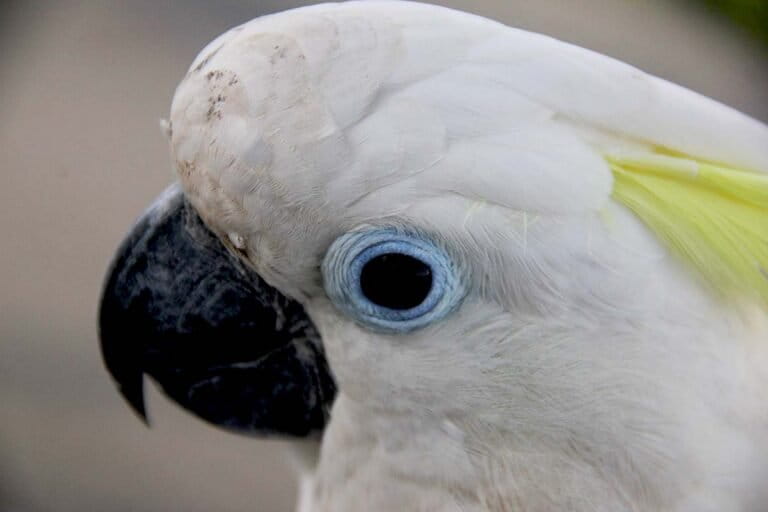
Beyond the tragedy of individual species loss, the decline of Indonesia’s parrots has profound ecological implications. Oki Hidayat, a researcher at the Center for Applied Zoology Research within the National Research and Innovation Agency (BRIN), emphasizes that these birds are essential for the maintenance of forest health. Parrots and lorikeets are key players in the "genetic flow" of the forest. Species like the lories and lorikeets primarily consume nectar, acting as vital pollinators for various tropical tree species. Others are specialized seed dispersers; by consuming fruits and traveling long distances, they ensure that seeds are deposited far from the parent tree, allowing for the regeneration of the forest and the maintenance of genetic diversity among plant populations.
Hidayat argues that the population health of hooked-bill birds is a direct reflection of the health of the entire ecosystem. These birds are highly dependent on "emergent" trees—the giants of the rainforest that tower above the canopy. These old-growth trees provide the hollows and cavities necessary for nesting. When a forest is fragmented by logging or mining, these old trees are often the first to go. Without suitable nesting sites, even a population that avoids being poached will eventually die out due to a lack of reproduction.
Furthermore, many parrot populations are now living in "habitat pockets"—isolated fragments of forest surrounded by plantations or human settlements. This isolation prevents birds from different groups from interacting, leading to inbreeding and a reduction in the species’ overall resilience to disease or climate change. Hidayat points to successful models, such as those in Komodo National Park, where the protection of a "flagship species" like the Komodo dragon has inadvertently saved the habitat of the Yellow-crested Cockatoo. This "umbrella effect" suggests that holistic habitat protection is the most effective way to ensure the survival of multiple species simultaneously.
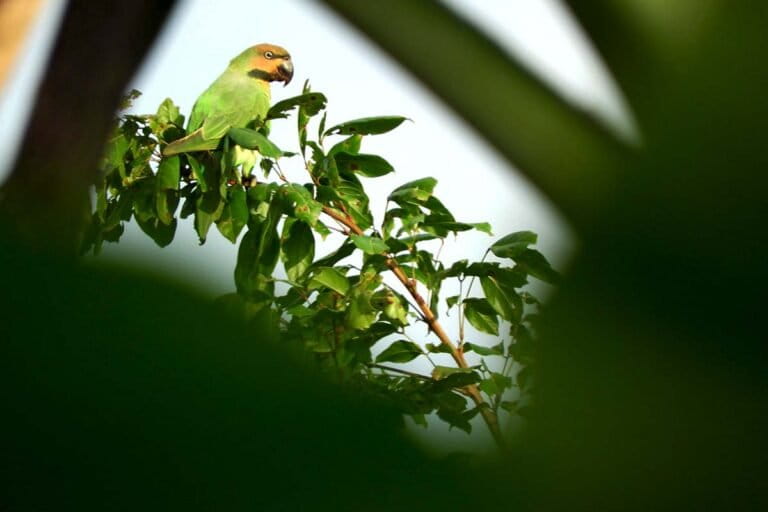
To combat the impending silence of the Indonesian forests, experts agree that a multi-faceted approach is required. First, there must be a consistent and uncompromising enforcement of existing laws. While the legal framework (such as Government Regulation P.106/2018) provides protection on paper, the lack of resources for forest rangers and the low conviction rates for high-level traffickers remain significant hurdles. Second, there is a dire need for science-based population monitoring to identify "hotspots" of decline before a species reaches the point of no return.
Third, the regulation of digital platforms must be strengthened. Social media companies must be held accountable for the illegal trade occurring on their sites, and closer cooperation between the government’s cyber-crime units and conservationists is essential to dismantle online trafficking networks. Finally, long-term strategies must be developed to reconnect fragmented habitats. This could include the creation of "wildlife corridors" that allow birds to move between isolated forest patches, thereby restoring the natural genetic flow.
The celebration of World Parrot Day is not merely an opportunity to admire the beauty of these birds, but a call to action to protect the future of Indonesia’s natural heritage. The message from researchers and conservationists is clear: protecting the "paruh bengkok" is synonymous with protecting the forests themselves. If the current trends of exploitation and habitat destruction are not reversed, the vibrant colors and clever mimics of the Indonesian canopy may soon vanish, leaving behind an ecosystem that is not only quieter but fundamentally broken. The survival of these iconic birds is a test of Indonesia’s commitment to its own biodiversity and a challenge that requires the collective will of the government, the public, and the international community.