Azin Asro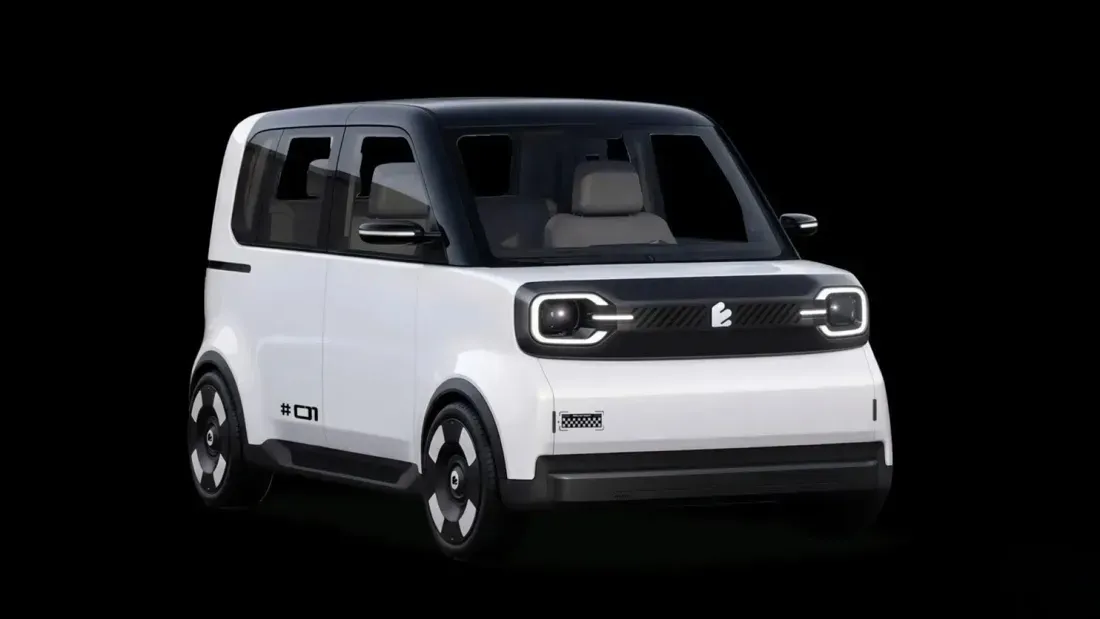
In a strategic move that signals a deepening of Chinese automotive influence in the Japanese domestic market, Chery Automobile has announced plans to introduce a specialized electric vehicle brand, Emta, to Japan by 2027. This initiative marks a significant milestone for Chery as it seeks to replicate the aggressive expansion strategies employed by competitors like BYD, specifically targeting the highly lucrative and culturally significant "kei car" segment. The venture, orchestrated through a complex international partnership, aims to blend Chinese technological prowess in electric mobility with Japanese design sensibilities and retail expertise to capture a market that has historically been difficult for foreign manufacturers to penetrate.
The Formation of Electric Mobility Technologies (EMT)
The foundation of this expansion is a newly formed joint venture known as Electric Mobility Technologies (EMT), headquartered in Singapore. This entity represents a diverse consortium of industry players, each bringing specific expertise to the table. The ownership structure of EMT is meticulously balanced: Chery Automobile and Jiangsu Yueda Automobile Group each hold a 27.27% stake, making them the primary shareholders. They are joined by the prominent Japanese automotive parts and services retailer Autobacs Seven, which holds 18.18%, and the major battery manufacturer Gotion High-Tech, also holding 18.18%. The remaining 9.09% is held by Anest, a firm specializing in quality assurance and technical support.
This collaborative framework is designed to mitigate the traditional barriers to entry in the Japanese market. By involving local giants like Autobacs Seven, the venture gains an immediate and robust sales and service network across the Japanese archipelago. The division of labor within the joint venture is clearly defined: Chery acts as the core technology provider, supplying the vehicle architecture, electric drive systems, and advanced driver-assistance systems (ADAS). Production will be centralized at the Yancheng manufacturing facility owned by Yueda in China, while Gotion will provide the lithium-ion battery solutions necessary for urban commuting.
The Strategic Focus on the Kei Car Segment
The decision to lead with a "kei car" (keijidōsha) is a calculated move based on the unique structure of the Japanese automotive landscape. Kei cars are a category of small vehicles that enjoy significant tax and insurance benefits in Japan, as well as exemptions from certain parking certification requirements in rural areas. Traditionally limited to specific dimensions—a maximum length of 3.4 meters and a width of 1.48 meters—these vehicles account for approximately 40% of all new car sales in Japan.
The first Emta model, currently referred to by the internal designation Emta #01, adheres strictly to these dimensions. Measuring exactly 3.4 meters in length and 1.48 meters in width, the vehicle is designed to navigate the narrow urban streets and dense residential areas characteristic of Japanese cities. Stylistically, the Emta #01 draws heavy inspiration from the Chery QQ Ice Cream, a popular micro-EV in the Chinese market. However, the Emta version is expected to be a more sophisticated five-door variant, featuring a boxy, utilitarian silhouette, squared-off LED headlights, darkened pillars for a "floating roof" effect, and a minimalist aesthetic that aligns with modern Japanese consumer preferences.
Leadership and Design Philosophy: A Blend of Two Nations
To ensure the brand resonates with Japanese consumers, Emta has recruited a leadership team with deep roots in both the Chinese and Japanese automotive industries. The product concept and design decisions are reportedly led by a specialized team in Japan, consisting of veterans from Honda and Mazda. This localized design approach is intended to avoid the "foreign" feel that often hinders international brands in Japan.
The executive suite further reinforces this cross-border synergy. The Chief Executive Officer of the venture is He Xiaoqing, the former president of Changan Ford, bringing extensive experience in managing large-scale automotive operations. On the marketing side, the brand is headed by Susumu Uchikoshi, a former General Manager at Nissan China. Uchikoshi’s intimate knowledge of both the Japanese consumer mindset and the Chinese EV manufacturing ecosystem is seen as a vital asset for the brand’s positioning.
Chronology of the Emta Market Entry
The roadmap for Emta’s entry into Japan is structured in several phases, reflecting a long-term commitment to the region:
- 2024–2026: Development and Localization: During this period, the joint venture will focus on refining the Emta #01 to meet Japanese safety standards and consumer expectations. This includes the integration of Chery’s latest electric platform with Japanese-specific software and user interfaces.
- 2027: Initial Market Launch: The first Emta electric kei car will officially go on sale through the Autobacs Seven network. This phase will test the brand’s reception and the efficacy of the Chinese-built, Japanese-designed model.
- 2028–2030: Portfolio Expansion: Following the initial launch, Emta plans to introduce three additional models. While details remain scarce, industry analysts expect these to include a small electric crossover and perhaps a more premium city car, expanding the brand’s reach beyond the entry-level kei segment.
- Post-2030: Local Manufacturing: If sales targets are met and the brand establishes a stable foothold, Emta has expressed intentions to consider the establishment of a dedicated manufacturing plant within Japan. Local production would further reduce logistics costs and help the brand bypass potential future trade barriers or logistics disruptions.
Market Context: The "Chinese EV Invasion" in Japan
Chery’s entry comes at a time when the Japanese automotive market is undergoing a quiet but significant transformation. For decades, Japanese manufacturers like Toyota, Honda, and Nissan dominated their home turf with little interference from foreign brands, particularly in the small-car segment. However, the slow transition of these domestic giants toward fully electric vehicles has created a vacuum that Chinese manufacturers are eager to fill.
BYD, the world’s leading EV manufacturer, has already set the precedent. Since entering the Japanese passenger vehicle market in early 2023, BYD has successfully launched the Atto 3, the Dolphin, and the Seal. The BYD Dolphin, in particular, has been positioned as a direct competitor to Japanese compact cars, and the upcoming BYD Racco is expected to be a major rival for the Emta kei car. Chery’s Emta brand will therefore be entering a competitive environment where "Made in China" is increasingly associated with high-tech electric mobility rather than just low-cost manufacturing.
Technical Foundations and Supply Chain
The technological backbone provided by Chery is one of the project’s strongest selling points. Chery’s dedicated EV architectures are known for their efficiency and modularity. For the Emta #01, the use of Gotion’s batteries is particularly noteworthy. Gotion High-Tech, which counts Volkswagen as its largest shareholder, specializes in Lithium Iron Phosphate (LFP) chemistry. LFP batteries are ideal for the kei car segment because they are more cost-effective, have a longer cycle life, and are inherently safer than nickel-based chemistries—factors that are highly prioritized by Japanese urban commuters.
Furthermore, the involvement of Autobacs Seven provides a unique advantage. With over 600 stores across Japan, Autobacs is a household name. Using these locations as showrooms and service centers solves the "last mile" problem of automotive retail, ensuring that customers have easy access to maintenance and charging infrastructure, which is a common concern for first-time EV buyers in Japan.
Implications for the Japanese Automotive Industry
The arrival of Emta and the continued expansion of Chinese EV brands have several implications for the Japanese industry:
- Accelerated Electrification: The presence of affordable, high-quality Chinese EVs may force Japanese automakers to accelerate their own EV development timelines, particularly in the kei car segment, where the Nissan Sakura and Mitsubishi eK X EV currently dominate the limited electric offerings.
- Shift in Consumer Perception: If Emta successfully delivers a vehicle designed by Japanese engineers and sold through Japanese retailers, it could significantly erode the historical skepticism toward Chinese automotive quality.
- Supply Chain Realignment: The partnership between Chery, Gotion, and Japanese firms like Autobacs and Anest suggests a new model of industrial cooperation that transcends national borders, focusing instead on regional supply chain efficiency.
Analysis and Outlook
While the 2027 launch date seems distant, the complexity of the Japanese market necessitates such a long lead time. Success for Emta will depend on several factors: competitive pricing, the reliability of the Chery-sourced tech, and the ability of the Japanese design team to capture the "Kawaii" (cute) yet functional essence of the kei car culture.
The Emta #01 will enter a market where the Nissan Sakura has already proven that there is a massive appetite for electric kei cars, having won the Japan Car of the Year award in 2022-2023. If Emta can offer a similar or superior range and technology package at a price point that undercuts domestic offerings, it could disrupt one of the last remaining strongholds of the Japanese domestic auto industry.
As the 2027 deadline approaches, the automotive world will be watching closely to see if Chery’s multi-national joint venture can turn the "Galapagos" market of Japan into a new frontier for Chinese electric excellence. The combination of Chery’s manufacturing scale, Gotion’s battery technology, and the local expertise of the Japanese partners creates a formidable contender that could redefine the future of urban mobility in Japan.