Nila Kartika Wati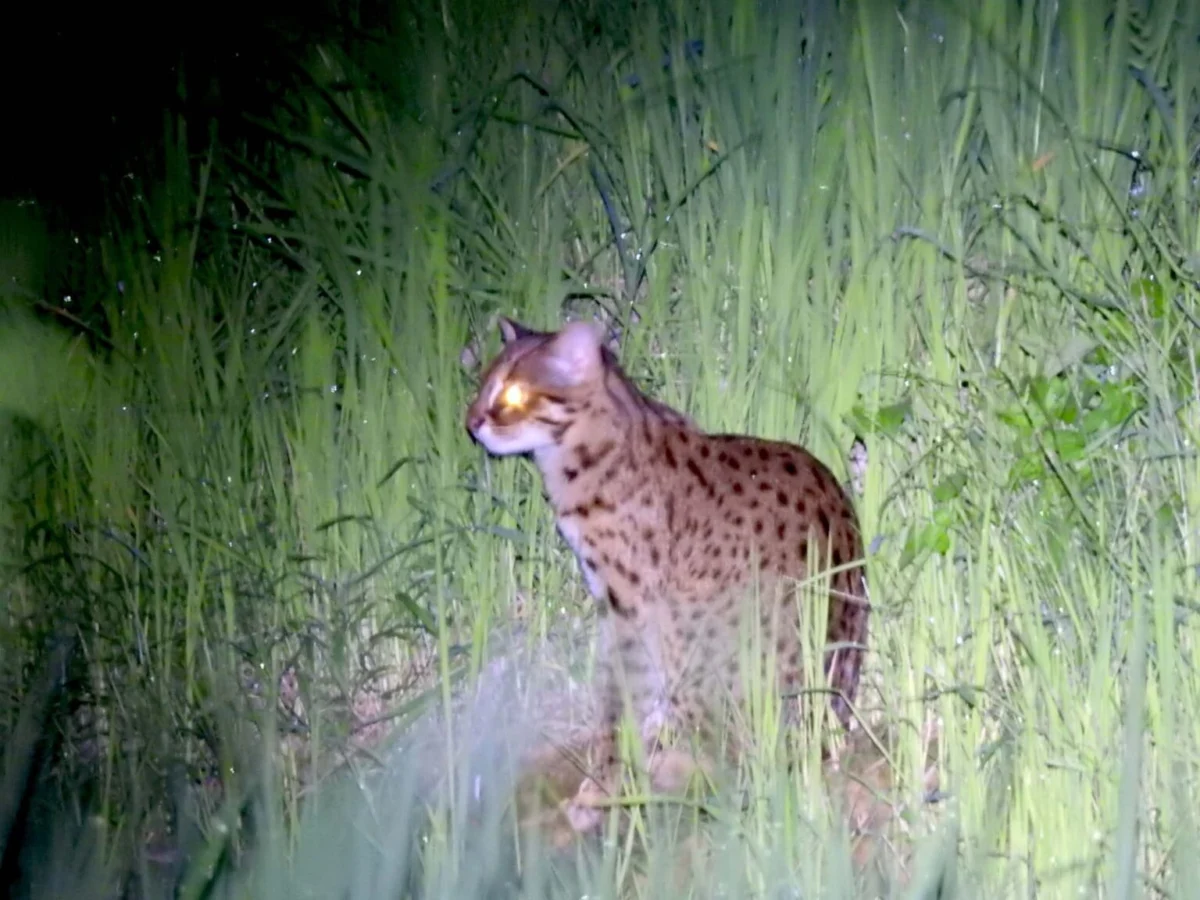
The leopard cat, scientifically known as Prionailurus bengalensis, is a small wild feline often mistaken for a domestic stray due to its diminutive size, yet it remains one of the most specialized and vital carnivores in the tropical ecosystems of Asia. Far from being a displaced pet, this species—locally known in Indonesia as "kucing kuwuk" or "kucing hutan"—is a fierce predator that plays a critical role in maintaining the ecological balance of both primary forests and anthropogenic landscapes. In Indonesia, its survival is safeguarded by the Ministry of Environment and Forestry (LHK) Regulation No. P 106 of 2018, which classifies it as a protected species. Despite this legal status, the leopard cat faces a complex future as its natural habitats are increasingly converted into monoculture plantations, forcing the species to exhibit remarkable, yet potentially dangerous, behavioral adaptations.
Biological Profile and Evolutionary Specialization
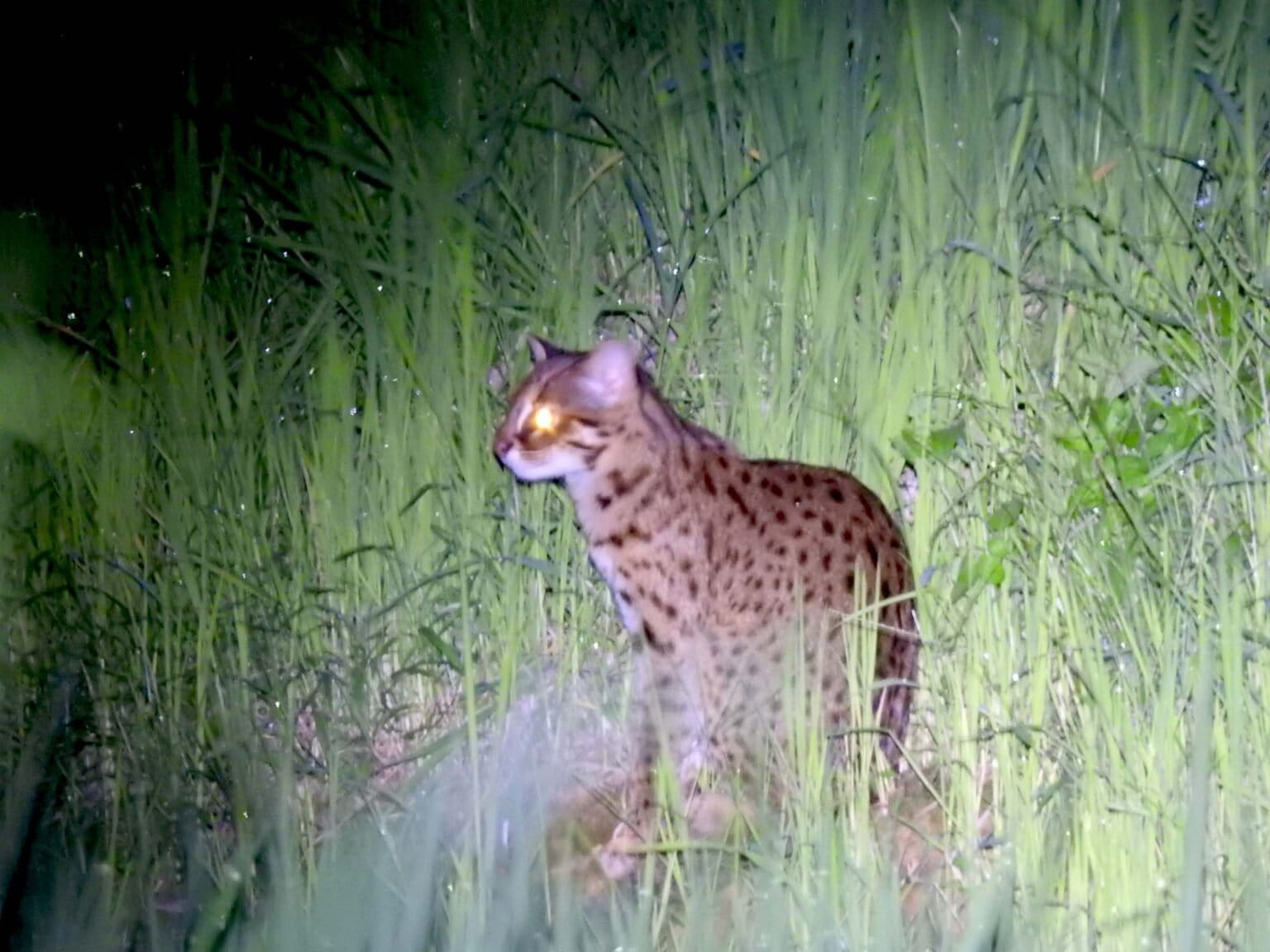
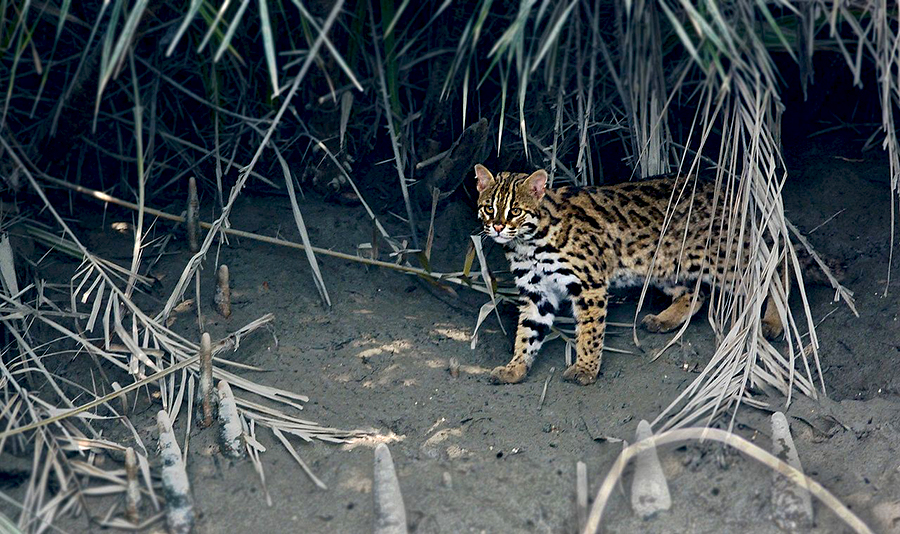
The leopard cat is a master of the undergrowth. Weighing between 3 and 7 kilograms, it is not built to take down the large ungulates favored by its larger cousins, such as the Sumatran tiger or the clouded leopard. Instead, the leopard cat has evolved into a highly efficient "ambush predator" of small mammals. Its physical attributes—including exceptionally sharp night vision, agile limbs for both terrestrial and arboreal movement, and a distinctive spotted coat that provides camouflage in dappled forest light—allow it to exploit a niche that larger predators overlook.
Researchers categorize the leopard cat as a dietary specialist with a focus on high-frequency, small-biomass prey. While its diet can include reptiles, birds, amphibians, crabs, and insects, the consistent staple across its vast range—from the foothills of the Himalayas to the tropical islands of the Indonesian archipelago—is small mammals, particularly rodents from the Muridae family. This evolutionary focus on rodents makes the leopard cat an indispensable component of the ecosystem, acting as a natural check on populations that could otherwise explode and cause significant damage to forest vegetation and human crops.
Temporal Plasticity: The Science of Survival
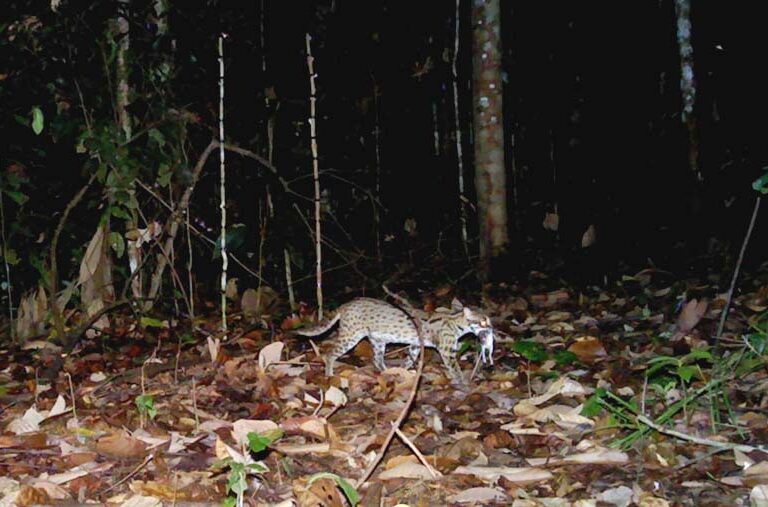
One of the most significant recent breakthroughs in understanding leopard cat behavior comes from a study published in Scientific Reports by Wang et al. (2026). Using a network of 37 infrared camera traps in the Lingnan Provincial Nature Reserve in China, researchers monitored the species’ activity rhythms over a full year. The data revealed that leopard cats exhibit a "bimodal" activity pattern, meaning they have two primary peaks of activity: one just before dawn and another just before dusk.
This timing is not arbitrary. The study found a strong correspondence between the leopard cat’s hunting hours and the peak activity times of their primary prey, rats. This alignment demonstrates "temporal niche plasticity," the ability of a predator to shift its active hours to maximize hunting efficiency based on environmental conditions and prey availability.
Furthermore, the research highlighted that this plasticity is seasonal. During periods of extreme weather or heightened competition for resources, such as in the transition from spring to winter, the leopard cat can broaden its "hunting window." This behavioral flexibility allows the cat to coexist with other nocturnal or crepuscular competitors, such as the masked palm civet (Paguma larvata) and the small-toothed ferret-badger (Melogale moschata). While they share the same space, the leopard cat’s ability to micro-adjust its timing prevents direct conflict and ensures it can still secure enough calories to survive.
Adaptation to the Palm Oil Frontier
In Indonesia, the world’s largest producer of palm oil, the leopard cat’s ability to adapt is being put to the ultimate test. As primary forests are cleared for plantations, many wildlife species face local extinction. However, the leopard cat has shown a surprising level of resilience. A long-term study by Silmi et al. (2021) in the palm oil landscapes of Central Kalimantan tracked leopard cats using VHF radio transmitters over 44 months. The findings were striking: the cats were not just surviving in the plantations; they were actively using them as hunting grounds.

The study documented leopard cats moving seamlessly between the ground and the canopy of palm fronds to hunt rats. This has led many ecologists to propose the leopard cat as a viable "biological control agent." In many plantations, farmers rely on toxic rodenticides to manage rat populations, which can cause secondary poisoning in the wider food chain. The presence of leopard cats offers a natural, toxin-free alternative for pest management.
However, this adaptation comes with a significant ecological caveat. Research by Rajaratnam et al. (2007) in Sabah, Malaysian Borneo, found that while leopard cats can inhabit agricultural landscapes, their dietary diversity shrinks dramatically in these environments. In primary forests, a leopard cat might eat a dozen different species of rodents, lizards, and birds. In a palm oil plantation, they become almost entirely dependent on a single species: the Whitehead’s spiny rat (Maxomys whiteheadi).
The Risk of Dietary Narrowing
This narrowing of the leopard cat’s "ecological niche" creates a dangerous vulnerability. If the population of the specific rat species it relies on were to collapse—due to a disease outbreak, a sudden change in plantation management, or extreme climate fluctuations—the local leopard cat population would have no "backup" food source. This makes them highly susceptible to localized extinctions despite their apparent abundance in the short term.
In contrast, those living in primary or secondary forests maintain a "diverse portfolio" of prey. If one species of rodent becomes scarce, the forest-dwelling leopard cat can switch to frogs, small birds, or different types of forest rats. The simplification of the landscape into a monoculture inherently simplifies the food web, stripping away the redundancies that make ecosystems resilient.
Legal Status and the "Least Concern" Paradox
On the global stage, the leopard cat is categorized by the IUCN Red List as "Least Concern." This status often leads to a lack of urgency in conservation funding and policy. However, experts like Ghimirey et al. (2022) argue that this label is deceptive. The "Least Concern" status is based on the species’ wide geographic distribution, but it does not account for the rapid decline of specific subspecies or the lack of accurate population data in many regions.
In Indonesia, the lack of granular data is a major hurdle. There is very little information comparing population densities across different habitat types, such as primary forest versus degraded scrubland versus industrial plantations. Without this data, it is difficult for the government to design targeted conservation strategies. While the species is protected under P 106/2018, enforcement remains a challenge, particularly in remote areas where "conflict" with humans—often over the cat’s occasional predation of domestic poultry—can lead to retaliatory killing.
Human Threats: Poaching and the Illegal Pet Trade
Beyond habitat loss, the leopard cat is a frequent victim of the illegal wildlife trade. Its beautiful, leopard-like markings make it highly desirable as an exotic pet. In Indonesia, kittens are often "rescued" from the forest after their mothers are killed or displaced by land clearing, only to be sold on online platforms.
This trade is fueled by a lack of public awareness. Many buyers believe they are purchasing a "miniature leopard" that can be domesticated. In reality, the leopard cat is a wild animal with high metabolic needs and a temperament unsuited for captivity. Most "pet" leopard cats die within months due to improper nutrition or the stress of confinement. Furthermore, the removal of these individuals from the wild weakens the gene pool and reduces the species’ ability to maintain its role as a pest controller in agricultural areas.
Broader Implications and the Path to Conservation
The story of the leopard cat is a microcosm of the broader challenges facing biodiversity in the 21st century. Its ability to adapt to human-altered landscapes is a testament to its resilience, but that resilience has limits. The transition from being a generalist forest predator to a specialist plantation hunter is a gamble that may not pay off in the long run.
To ensure the survival of the leopard cat, a multi-pronged approach is required:
- Integrated Landscape Management: Large-scale plantations should be required to maintain "forest corridors" or patches of natural vegetation. These areas act as refuges for a wider variety of prey species, allowing leopard cats to maintain a more diverse diet and higher genetic health.
- Scientific Monitoring: There is an urgent need for comprehensive surveys across Indonesia to establish a population baseline. Using camera traps and DNA sampling from scat can provide insights into how different populations are faring.
- Community Education: Reducing human-wildlife conflict requires educating rural communities and plantation workers about the benefits of leopard cats. Instead of being seen as "chicken thieves," they should be recognized as valuable allies that protect crops from rodents.
- Stricter Enforcement: Cracking down on the illegal trade of leopard cats on social media and in physical markets is essential to stop the drain on wild populations.
The leopard cat is more than just a beautiful animal; it is a sentinel of the forest. Its presence—or absence—serves as a vital indicator of the health of the ecosystems we all depend on. Protecting this small feline is not just an act of compassion; it is a necessary step in securing the ecological stability of the region’s changing landscapes.