
 Lina Irawan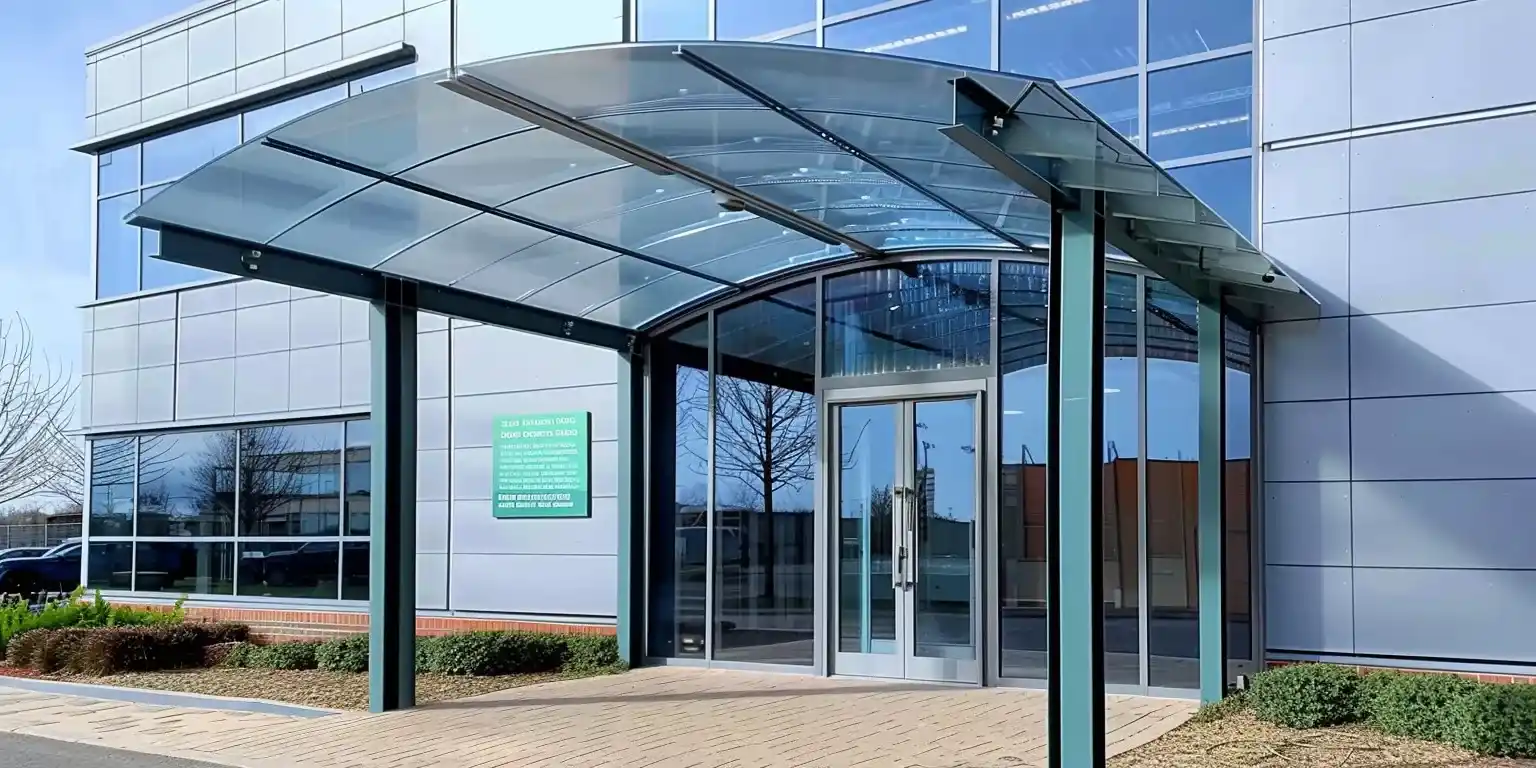
When approaching any residence, the initial impression is often forged long before one steps through the doorway, heavily influenced by the entrance and its immediate surroundings. The entrance canopy, or portico in classical terms, is an architectural feature frequently underestimated, yet it serves as a permanent, functional shelter, akin to a robust umbrella, safeguarding occupants and guests from the elements—be it inclement rain or harsh sunlight—as they await entry. Beyond its primary protective role, a thoughtfully conceived entrance canopy extends the aesthetic narrative of the building’s façade, seamlessly integrating architectural lines, introducing visual depth, and orchestrating a comfortable, dry transition from the external environment to the interior sanctuary. This comprehensive analysis delves into the strategic principles for designing an entrance canopy tailored for minimalist homes, meticulously considering critical aspects such as optimal width and height proportions, profound integration with the existing façade, judicious material selection, and expert insights to maximize its transitional functionality.
The Evolving Role of Entrance Canopies in Modern Architecture
The practice of incorporating an overhead structure at an entrance is deeply rooted in architectural history, dating back to ancient civilizations where porticos and overhangs signified status, provided shelter, and framed the point of entry. In contemporary architecture, particularly within the burgeoning minimalist movement, the entrance canopy has transcended its rudimentary function. The global trend towards minimalist design, characterized by clean lines, uncluttered spaces, and a "less is more" philosophy, has elevated the entrance canopy from a mere functional addition to a pivotal design component. It demands careful consideration to ensure it complements, rather than detracts from, the overarching architectural vision. The increasing awareness of indoor-outdoor living, coupled with varying climatic demands, further underscores the canopy’s significance as a bridge between these two realms.
Beyond Shelter: The Multifaceted Importance of a Well-Designed Canopy
A meticulously engineered entrance canopy possesses the transformative capacity to redefine how individuals perceive and interact with a structure. As highlighted by leading architectural resource ArchitectureCourses.org, a precisely designed canopy can profoundly influence the approach, entry, and overall experience of a building, often serving as a preliminary impression that precedes the door or even the façade itself. Its utility extends beyond merely obstructing solar radiation and mitigating rainwater impact; it masterfully bridges the interstitial space between the exterior and interior environments. While canopies for terraces or balconies primarily expand usable outdoor living space, the entrance canopy’s fundamental purpose remains steadfast: to provide critical protection during the act of opening a door and to unequivocally delineate the primary point of access.
For minimalist residences, where the hallmark lies in pristine, unadorned façade lines, an oversized or overly embellished entrance canopy would invariably disrupt this delicate harmony. Consequently, the design imperative dictates meticulous attention to its proportions—specifically its width, height, and depth—ensuring the canopy integrates seamlessly with the building’s scale and does not visually overpower the entrance. This balance is paramount to preserving the inherent elegance and simplicity of minimalist aesthetics.
Precision in Design: Mastering Canopy Proportions for Minimalist Homes

Determining the precise width and depth of an entrance canopy is a foundational step in its design. A canopy that is too shallow or narrow will prove ineffective against wind-driven rain and intense sunlight, while one that extends excessively risks impeding natural light penetration into the interior spaces. Architectural design guidelines, including those advocated by ArchitectureCourses.org, recommend an overhang or projection sufficient to cover the area beneath, typically extending 24 to 36 inches (approximately 60 to 90 cm) beyond the edge of adjacent windows.
Width and Overhang Considerations: For an entrance door, a practical approach involves adding approximately 30 to 50 cm to both sides of the door frame. This lateral extension ensures that rainwater is effectively diverted from the door jambs and that waiting guests remain dry. Regarding depth, an overhang of 80 to 100 cm generally provides ample space for an individual to stand comfortably while manipulating the door. However, this dimension must be critically assessed against the width of the accompanying terrace or pathway to ensure it does not obstruct pedestrian flow or create an awkward impediment. For instance, in a typical 60-square-meter minimalist home in a climate like Yogyakarta, with a standard 90 cm wide main door, a total canopy width of approximately 1.5 meters (adding 30 cm on each side) would be ideal to prevent rain ingress. A depth of 90 cm would offer sufficient protection for an adult, even when carrying an umbrella. In situations with constrained front yard space, this depth could be reduced to 70 cm, complemented by a discreet integrated gutter system to manage water runoff laterally. Crucially, a minimum roof pitch of 5 degrees is essential to guarantee efficient water drainage and prevent accumulation on the canopy surface.
Optimal Height and Clearance: The height at which a canopy is positioned significantly impacts both user comfort and visual aesthetics. Given that standard residential doors typically stand around 2.1 meters tall, it is advisable to maintain a clearance of 20 to 30 cm between the top of the door frame and the underside of the canopy. This ensures the door operates unimpeded and maintains a sense of spaciousness. The overall height of the canopy, measured from ground level, should ideally fall within the range of 2.4 to 2.7 meters to facilitate adequate air circulation and prevent heat buildup beneath the structure. It is equally important to avoid positioning the canopy excessively high, as this would compromise its protective function against wind-driven rain, a common occurrence in many tropical climates.
Seamless Integration: Harmonizing Canopies with Façade Aesthetics
The entrance canopy should never be perceived as an isolated appendage but rather as an organic extension that echoes the rhythm and material palette of the primary façade. The selection of materials for the canopy must be inherently sympathetic to, or subtly complement, those used for windows, doors, or other prominent architectural features.
Architectural Lines and Forms: For minimalist homes, the canopy’s horizontal lines should align congruently with the lines of window frames, door headers, or other defining elements of the façade. Overly elaborate or curvilinear forms should be avoided in favor of flat or gently sloped profiles, which inherently convey a modern and understated elegance. If the building incorporates strong vertical elements, such as columns, consider visually connecting the canopy’s framework to these elements, thereby establishing a cohesive architectural relationship. The use of concealed brackets or minimalist supports is paramount to maintaining a clean and uninterrupted visual aesthetic.
Material Cohesion and Contrast: If the façade features a combination of pristine white walls and natural wood accents, a canopy frame constructed from black or dark brown finished hollow steel, or even a subtle timber-look aluminum, can serve as an elegant accent. Conversely, if the façade is clad in natural stone, a robust aluminum or lightweight steel frame with a natural finish can seamlessly blend into the existing material tapestry. The goal is to achieve visual unity without resorting to mimicry, allowing for subtle contrasts that enhance the overall design.
Material Selections: Balancing Durability, Aesthetics, and Performance

The choice of roofing material for the canopy is a critical decision, influencing both its visual appeal and its functional performance.
Transparent Options: Tempered Glass and Polycarbonate:
- Tempered Glass: This material imparts a sophisticated, transparent aesthetic, often associated with luxury. Tempered glass is engineered to be 3 to 5 times stronger than standard annealed glass and, in the event of breakage, shatters into small, relatively blunt fragments, significantly enhancing safety. Its primary advantage lies in its ability to admit abundant natural light, ensuring the main entrance remains bright and inviting. However, glass requires consistent cleaning to maintain its pristine appearance and can contribute to heat gain beneath the canopy. Solutions include employing heat-rejecting films or specifying laminated glass, which offers enhanced safety and acoustic properties.
- Polycarbonate: As a lightweight and highly durable alternative, polycarbonate is favored for its ease of installation and inherent UV protection. Available in an extensive range of colors and opacities, clear or smoked variants are typically chosen for entrance canopies to balance light transmission with glare reduction. Polycarbonate offers a more economical solution compared to glass, making it suitable for projects with budget constraints, though it may not convey the same premium perception as glass. Modern polycarbonate sheets are also available with advanced coatings to improve scratch resistance and reduce yellowing over time.
Solid Options: Metal and uPVC:
- Spandek or uPVC: These materials are often chosen for their cost-effectiveness and rapid installation. However, their aesthetic tends towards a more industrial or utilitarian look, which may not align with the refined elegance sought in minimalist main entrance designs. Their application is typically reserved for situations where functional durability and economic efficiency supersede premium aesthetic considerations.
- Metal Panels: Modern metal panels (e.g., aluminum composite panels, perforated steel) can offer a sleek, contemporary look. They provide excellent sun shading and are highly durable, often integrated with sophisticated drainage systems. Their versatility allows for custom perforations or patterns, adding a unique textural element.
Framing Materials and Finishes: The structural framework of the entrance canopy is typically constructed from galvanized hollow steel, stainless steel, or aluminum.
- Galvanized Hollow Steel: This material features a protective zinc coating that effectively resists corrosion, making it a durable choice. If raw black steel is used, it is imperative to apply an anti-corrosion primer followed by a robust top coat paint system to ensure longevity, especially in humid or coastal environments.
- Stainless Steel: Offering a lustrous finish and exceptional corrosion resistance, stainless steel is particularly well-suited for coastal regions or environments with high humidity, though it represents a higher investment. Different grades (e.g., 304, 316) offer varying levels of corrosion resistance, with 316 being superior for marine environments.
- Aluminum: Lightweight and inherently rust-resistant, aluminum frames are highly versatile. They can be finished with anodization for a metallic sheen or powder coating, which provides a vast array of color options and enhanced durability.
Enhancing User Experience: The Dry Transition Zone and Beyond
The fundamental purpose of an entrance canopy is to establish a dry transition zone, a space where occupants can comfortably pause, close an umbrella, or unlock a door without being exposed to rain. This differs fundamentally from a patio canopy, which typically shelters a seating area. This crucial dry zone also contributes significantly to maintaining interior cleanliness, allowing individuals to wipe their shoes or remove wet outerwear before entering, preventing the ingress of water and debris.
Effective Water Management: Slope and Drainage Systems: The strategic inclination of the canopy roof is paramount to prevent water pooling. Architectural best practices generally recommend a minimum slope of 5 degrees for most roofing materials to ensure efficient runoff. For transparent materials like glass or polycarbonate, a subtle slope of 2 to 3 degrees is often sufficient. It is vital to integrate a well-designed drainage system, comprising gutters or downspouts, strategically placed on one or more sides of the canopy to direct water away from the entrance. For minimalist aesthetics, a concealed drainage system, where gutters are integrated within the canopy frame and connect to hidden downspouts, is highly recommended. This maintains the clean lines of the design while ensuring practical water management.
Integrated Lighting for Safety and Ambiance: As the main entrance is frequently used during evening hours, the seamless integration of lighting becomes indispensable. LED strip lights or discreet downlights can be strategically embedded beneath the canopy to illuminate the pathway, enhance safety, and subtly highlight the texture and design of the door. ArchitectureCourses.org underscores the importance of integrated lighting as a core component of contemporary design. Wiring should be meticulously concealed, and the selection of warm color temperature lighting (typically 2,700–3,000 K) is advised to foster a welcoming and inviting ambiance at the entrance. Smart lighting systems, which can be programmed to activate at dusk or upon motion detection, further enhance convenience and security.

Considerations for Security and Maintenance: Beyond aesthetics and function, structural integrity and ease of maintenance are critical. The canopy must be securely fastened to the building structure, capable of withstanding local wind loads and potential snow loads (if applicable). Regular inspection for loose fastenings, material degradation, or clogged drainage systems is essential. Material choices impact maintenance: glass requires frequent cleaning, while certain metals or polycarbonate might need less frequent but specific care. Addressing potential pest nesting (e.g., birds, insects) within the canopy structure should also be considered during design and maintenance planning.
Broader Architectural Harmony: Connecting the Canopy to the Landscape
The entrance canopy exists not in isolation but in dynamic interaction with surrounding elements, including fencing, front gardens, and pathway lighting. Achieving visual cohesion across these components elevates the overall architectural statement.
Synergy with Gates and Fencing: To create a unified visual narrative, the design language, materials, and color palette of the entrance canopy should resonate with those of the main gate and perimeter fencing. For instance, if the gate features sleek horizontal slats of steel, the canopy frame could adopt similar horizontal elements. In a minimalist home in Yogyakarta, an exemplar of this integration involved connecting a lightweight steel gate to a glass canopy at the main entrance. The canopy frame was seamlessly extended and anchored to the fence structure, creating an illusion of a single, continuous architectural element.
Landscaping and Pathway Integration: Thoughtful landscaping around the entrance can further enhance the canopy’s impact. Low-maintenance plants or subtle hardscaping elements can guide visitors towards the entrance, reinforcing the canopy’s role as a focal point. Pathway lighting, carefully selected to complement the canopy’s integrated lighting, ensures a well-lit and secure approach.
Sustainable Design Elements: Modern canopy design can also incorporate sustainable practices. The pitch and overhang can be optimized to reduce solar heat gain on the façade, thus lowering cooling costs. Integrated rainwater harvesting systems, where collected water from the canopy is directed to a small reservoir for garden irrigation, offer an eco-conscious benefit. The selection of recyclable materials for both the frame and roofing further contributes to the building’s environmental footprint.
Conclusion
The entrance canopy for a minimalist home is far more than a simple add-on; it is a strategic architectural element that fundamentally shapes the occupant and visitor experience. By meticulously adhering to principles of optimal width, depth, and height, making informed material selections, and ensuring profound integration with the existing façade and surrounding landscape elements, homeowners can craft a permanent shelter that is both highly functional and aesthetically compelling. It is imperative that the canopy’s pitch and drainage system are flawlessly designed to prevent water accumulation and safeguard the longevity of the materials. Ultimately, the entrance canopy serves not only as a guardian against the elements but also as a visual guide, an architectural rhythm setter, and a purveyor of comfort, orchestrating a seamless and dry transition from the external world to the intimate embrace of home.








