
 Lina Irawan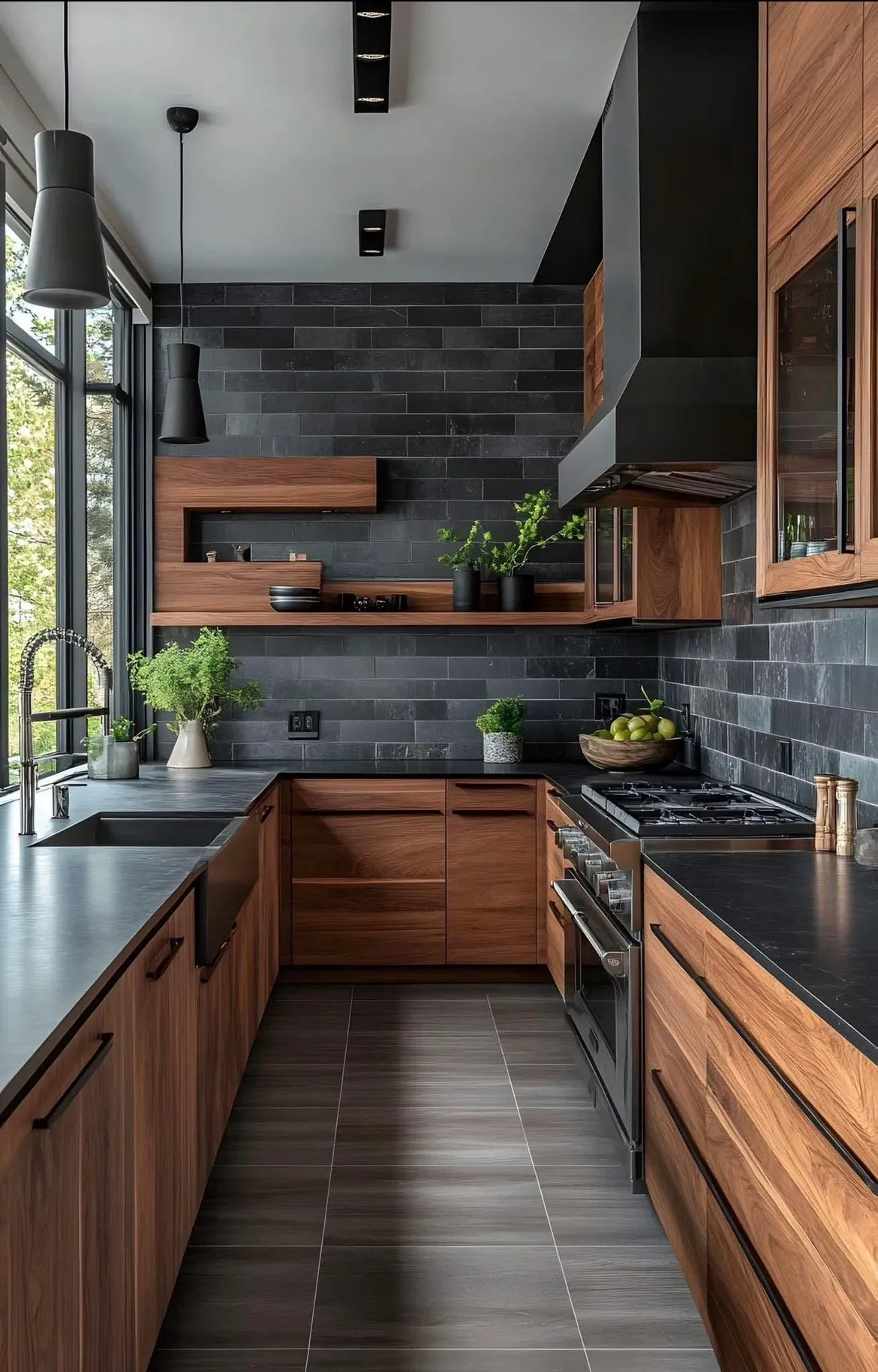
InteriorDesign.ID – Modern minimalist kitchen design stands as a testament to the adage "less is more," characterized by its uncompromisingly clean visual lines, integrated appliances, and a meticulous arrangement of elements that coalesce into a cohesive whole. This aesthetic prioritizes geometric structures, featuring flat cabinet surfaces and an unwavering commitment to spatial efficiency. The widespread adoption of built-in electronic appliances and the deliberate omission of cabinet handles are hallmarks of this sophisticated style, reflecting a deeper philosophical shift in contemporary living. For the discerning urban dweller, a kitchen free from visual clutter transcends mere aesthetic preference; it offers a palpable sense of calm, a crucial antidote to the daily grind and the relentless pace of city life. This design philosophy is not merely about stripping away the superfluous; it’s about crafting an environment that promotes clarity, reduces cognitive load, and enhances the overall well-being of its occupants.
The evolution of kitchen design into its current minimalist iteration is a fascinating journey, deeply intertwined with architectural movements and changing societal needs. Tracing its roots back to early 20th-century modernist movements like Bauhaus, which championed functionality and industrial efficiency, and later influenced by the clean lines of Scandinavian design, the minimalist kitchen found its true calling in the modern urban landscape. As living spaces in metropolitan areas became increasingly compact, the demand for interiors that maximized utility without sacrificing style grew exponentially. This confluence of spatial constraints, a desire for simplified living, and advancements in home technology has propelled minimalist kitchen design to the forefront of contemporary interior architecture. It represents a conscious move away from ornate, decorative styles towards a pragmatic yet profoundly elegant approach to the heart of the home.
The Foundational Philosophy: Form Follows Function
At the very core of modern kitchen design lies an unwavering adherence to the principle of "form follows function." This architectural maxim dictates that the shape and structure of a space should primarily be determined by its intended purpose. In practice, this means the systematic elimination of any detail deemed non-essential or purely decorative. One will find no intricate wood profiles, classical carvings, or superfluous embellishments in a truly minimalist kitchen. Its inherent appeal stems instead from the harmonious proportions of its cabinetry and the judicious selection of materials. This seemingly simple aesthetic, paradoxically, demands an exceptionally high level of precision and craftsmanship. Any imperfection, any misalignment, becomes immediately apparent in a design where nothing is hidden. The structural framework of the space is meticulously constructed from fundamental geometric forms – blocks and cubes – with horizontal and vertical lines drawn with utmost crispness, ensuring the cooking area exudes an unparalleled sense of order and serenity. Industry experts often highlight that this rigorous approach not only creates a visually appealing space but also optimizes the workflow, making the kitchen more intuitive and efficient to use.
Anatomy of Modern Kitchen Cabinetry: A Study in Subtlety

The most distinguishing visual characteristic of a minimalist kitchen resides in its cabinetry doors. The prevalent choice is the "slab door" – a design featuring a completely flat, unadorned surface. Unlike traditional framed or recessed panel doors, slab doors present a smooth, unbroken plane that inherently resists dust accumulation in corners and reflects ambient light more uniformly, contributing to a brighter, more open feel. To amplify this sense of seamlessness, the gaps between individual doors, known as "nats," are kept to an absolute minimum, typically a mere 2 to 3 millimeters. The result is a striking visual effect where the entire arrangement of cabinets appears as a monolithic, continuous wall panel, blurring the lines between storage and architectural feature.
The move towards "handleless design" is another defining characteristic, signifying a significant departure from conventional metal or decorative handles. The protrusion of traditional handles is seen as an interruption to the smooth, continuous plane of the cabinet fronts. In their place, drawers and cupboards incorporate various ingenious hidden opening systems:
- Push-to-Open Systems: This mechanism allows for effortless access with a gentle press on the door or drawer front. An internal magnetic or spring-loaded device then propels the panel outward, providing a truly sleek and unbroken façade. While offering ultimate visual purity, designers advise selecting high-quality mechanisms to ensure durability and smooth operation over time.
- J-Pull Profiles: This integrated solution involves a J-shaped groove precisely routed into the top or bottom edge of the door or drawer material. This subtle cut-out provides a discrete space for fingers to grip and pull open the unit without the need for an external handle. It’s an elegant compromise between a completely invisible system and direct tactile engagement.
- C-Channel Aluminum Profiles: Here, an aluminum profile is integrated into the main cabinet frame, creating a slim, continuous recess behind the door or drawer front. Users simply slide their fingers into this discreet channel to pull the unit open from behind. This method offers robustness and a clean, linear aesthetic, often preferred for its ergonomic comfort and longevity.
Materiality and Finishes: Sculpting the Kitchen’s Character
In the absence of elaborate ornamentation, the choice of materials and their finishes becomes paramount in defining the character and ambiance of a minimalist kitchen. This selection plays a crucial role in shaping the sensory experience of the space.
- Matte Finishes: Currently dominating the premium kitchen market, matte (doff) surfaces are celebrated for their sophisticated appearance. They absorb light rather than reflecting it, which helps to minimize the appearance of fingerprints and smudges, contributing to a consistently pristine look. The soft, non-reflective quality of matte finishes imparts a sense of understated luxury and contemporary elegance, creating a calm and inviting atmosphere.
- High-Gloss Finishes: Conversely, high-gloss (mengkilap) finishes are often recommended for smaller kitchen spaces. Their mirror-like reflective quality effectively bounces light around the room, creating an illusion of greater depth and spaciousness. Materials such as acrylic or lacquered glass are commonly employed for this effect. However, designers caution against an overuse of high-gloss surfaces, as excessive reflection can sometimes lead to visual fatigue or a feeling of sterility. Strategic placement and balance are key.
- Natural Wood Accents: To prevent the minimalist aesthetic from feeling overly stark or rigid, the strategic incorporation of natural wood textures is increasingly popular. The inherent warmth and organic grain patterns of wood effectively break the monotony of solid colors and smooth surfaces, introducing an element of natural beauty and tactile interest. Wood can be integrated as shelving, island panels, or even specific cabinet fronts, offering a harmonious contrast that grounds the modern design. The choice of wood—from light birch to dark walnut—can significantly alter the overall mood.
Color Theory: The Art of Restrained Palettes
The modern minimalist kitchen consciously shies away from overly busy or vibrant color palettes. Instead, it embraces a more disciplined approach to color, often favoring schemes that enhance the perception of space and form.

- Monochromatic Schemes: Classic monochromatic palettes, such as combinations of dark grey and off-white or various shades of white, remain a perennial favorite. These schemes excel at highlighting the architectural forms and textures within the space without distraction, fostering a sense of serene sophistication.
- Earth Tones: A rising trend sees the integration of muted, grounding earth tones. Colors like sage green, pale terracotta, and deep navy blue are increasingly sought after, often paired with matte finishes. These colors introduce a subtle connection to nature, offering a sense of calm and organic warmth that complements the minimalist ethos without overwhelming it.
- Two-Tone Designs: Many designers advocate for a "two-tone" approach to visually segment and balance cabinet proportions. A common strategy involves using darker colors for lower cabinets to create a sense of grounded stability, while lighter hues are applied to upper cabinets to visually elevate the ceiling and enhance the feeling of height and openness.
- Absence of Patterns: A cardinal rule in this design philosophy is the strict avoidance of elaborate patterns. Floral motifs, intricate scrolls, or conspicuous geometric prints are rarely found in a minimalist kitchen, as they would introduce visual clutter and detract from the clean, pure lines that define the style. The focus remains on texture, finish, and form rather than decorative imagery.
Countertops: Defining the Work Surface Aesthetic
The design of the kitchen countertop, or "meja kerja," plays a pivotal role in shaping the overall aesthetic. Its thickness and edge profile are critical determinants of style.
- Thin Profile Countertops: The latest trends lean towards ultra-thin countertops, typically ranging from 12 to 20 millimeters in thickness. Materials like solid surface, sintered stone, or compact laminate are favored for their ability to achieve this sleek, almost floating appearance. This slender profile contributes significantly to the light and airy feel characteristic of modern minimalism.
- Chunky Countertops with Sharp Edges: For those who prefer a more substantial look, thicker countertops remain an option, but with a crucial caveat: the edges must maintain crisp, sharp angles. Rounded or beveled edges, common in more traditional designs, are avoided to preserve the modern, geometric character. Materials such as thick quartz, granite, or concrete can achieve this robust yet contemporary look.
- Waterfall Edge Concept: Particularly striking for kitchen islands, the "waterfall edge" concept involves extending the countertop material vertically down the sides of the island, seamlessly connecting the horizontal surface to the floor. This visual trick creates the impression of a single, luxurious block of stone, enhancing the island’s presence as a sculptural element within the space. It is a premium feature often seen in high-end minimalist kitchens.
Seamless Backsplashes: A Unified Vertical Plane
The evolution of the backsplash, or "dinding belakang," in minimalist kitchens has seen a significant shift away from small, grout-heavy ceramic tiles. The current preference is for large format materials, often referred to as "slabs," to minimize visible grout lines and create a smooth, uninterrupted vertical surface.
- Matching Slab Backsplashes: The most common and impactful approach is to extend the countertop material directly up the wall as the backsplash. This creates a visually cohesive and luxurious effect, making the counter and wall appear as a single, unified plane. Quartz, sintered stone, and natural stone are popular choices for this application.
- Glass Splashbacks: Another excellent alternative is the use of specialized kitchen glass splashbacks. These offer a perfectly smooth, non-porous surface that is exceptionally easy to clean from cooking splatters and grease. Available in a wide array of colors, glass splashbacks contribute to a sleek, modern aesthetic and can introduce a subtle reflective quality.
- Subway Tiles with Unified Grout: If traditional ceramic tiles, such as subway tiles, are still desired, a key design strategy is to match the grout color precisely to the tile color. This minimizes the visual interruption of contrasting grout lines, allowing the tiled surface to appear more cohesive and less visually "busy."
Integrated Appliances: The Invisible Kitchen Workhorse
A hallmark of sophisticated minimalist design is the seamless integration of large electronic appliances, transforming them from visual disruptions into concealed elements of the overall cabinetry.

- Panel-Ready Appliances: Refrigerators, dishwashers, and even some washing machines are now available as "panel-ready" units. This means their exterior doors are designed to accept custom panels crafted from the same material and finish as the surrounding cabinetry. When closed, these appliances completely disappear, maintaining the clean, unbroken lines of the kitchen. This technique is crucial for achieving a truly integrated and uncluttered look.
- Flush Mount Installation: For appliances that cannot be completely concealed behind panels, such as ovens, microwaves, or built-in coffee makers, "flush mount" installation is key. This involves recessing the appliance so its front surface is perfectly level with the surrounding cabinet fronts, eliminating any protruding edges or frames. This meticulous attention to detail ensures a smooth, uninterrupted visual flow across the entire kitchen elevation.
- Induction Cooktops: The preference for induction cooktops over traditional gas ranges is largely driven by aesthetics and functionality. Induction hobs feature a flat, black glass surface that sits perfectly flush with the countertop, creating a seamless and integrated cooking area. Beyond their sleek appearance, induction cooktops offer superior energy efficiency, precise temperature control, and easier cleaning compared to their gas counterparts.
Symmetry, Asymmetry, and Cabinet Harmony
The arrangement of cabinets in a modern minimalist kitchen is founded on precise alignment and clean, straight lines.
- Horizontal and Vertical Precision: Lower drawers are often designed to be wider, typically ranging from 90 to 120 centimeters. This strategy reduces the number of visual breaks created by multiple narrow drawers, making the kitchen appear longer and more expansive. The horizontal and vertical lines formed by the meeting points of drawers and doors must be perfectly aligned across the entire length of the kitchen. Even a slight misalignment of a few millimeters can disrupt the intended visual order and make the entire space appear unkempt.
- Strategic Asymmetry: While strict symmetry is a guiding principle, carefully introduced asymmetrical elements can prevent the design from becoming overly rigid or monotonous. For example, incorporating a single block of open shelving or a niche within an otherwise closed run of cabinets can add visual interest and a curated touch without compromising the minimalist aesthetic. This allows for personalized display of select items while maintaining overall design integrity.
Lighting as an Elemental Design Feature
In minimalist kitchen design, lighting transcends its functional role, becoming an integral element that defines space, accentuates form, and enhances ambiance.
- Task Lighting: LED strip lights strategically recessed beneath upper cabinets are an indispensable feature. Their primary function is to uniformly illuminate the cutting and preparation surfaces below, eliminating shadows and ensuring optimal visibility for cooking tasks. The light source itself must be concealed to produce a soft, diffused glow that highlights the work area without being harsh.
- Ambient and Accent Lighting: Recessed downlights in the ceiling provide general ambient illumination. For a dramatic effect, "toe-kick lighting"—LED strips installed along the plinth at the base of the lower cabinets—creates a subtle glow on the floor, giving the illusion that the entire kitchen set is floating. This adds depth and a modern, ethereal quality to the space.
- Pendant Lighting: If pendant lights are used over a kitchen island, they are typically chosen for their sleek, linear, and unobtrusive designs. Their slender profiles ensure they provide focused illumination without obstructing sightlines or disrupting the minimalist aesthetic.
The Influence of Negative Space
A common misconception in kitchen design is that every available wall surface must be filled with cabinetry to maximize storage. However, in minimalist design, the concept of "negative space" – deliberately left empty areas – is highly valued for its ability to create visual breathing room.

- Visual Respite: Overfilling walls with cabinets, especially up to the ceiling, can make a kitchen feel cramped and overwhelming. By leaving certain wall sections empty, a visual pause is introduced, allowing the eye to rest and appreciate the surrounding elements.
- Curated Displays: In these negative spaces, floating shelves are often installed to display a carefully curated selection of items, such as elegant ceramicware, a few cookbooks, or small potted plants. The key here is strict curation; displaying cluttered or mismatched items, such as food cartons or brightly colored, disparate utensils, would immediately undermine the minimalist aesthetic. Negative space, when properly utilized, enhances the perception of openness and sophistication.
Common Visual Missteps That Undermine Modern Minimalism
The minimalist style, by its very nature, is highly demanding of precision and order. Any design flaw or clutter is immediately amplified due to the absence of decorative elements that might otherwise mask imperfections.
- Conspicuous Electrical Fixtures: A frequent oversight is the placement of bulky, highly visible electrical switches or outlets on the kitchen walls. To maintain the seamless aesthetic, designers recommend using pop-up power sockets integrated flush into the countertop or selecting switches that are color-matched and subtly blended with the wall material.
- Cluttered Countertops: Leaving appliances like coffee makers, toasters, blenders, or their associated cables perpetually on the countertop is a cardinal sin in minimalist design. The countertop should ideally remain pristine and clear, reserved solely for active food preparation. Storage for these items should be integrated within cabinets.
- Incorrect Upper Cabinet Placement: The positioning of upper cabinets is critical. If they are installed too low, they can visually weigh down the workspace, making the kitchen feel confined and oppressive. The safe and ergonomic distance is typically between 60 to 70 centimeters from the countertop surface, ensuring comfort and visual balance.
- Poor Edging and Finishing: The quality of edge banding (pelapis tepi) on cabinet doors and panels, whether HPL or painted finishes, is paramount. Sloppy or uneven adhesion can immediately detract from the luxurious feel and polished appearance that defines minimalist cabinetry. Meticulous craftsmanship in every detail is non-negotiable.
Long-Term Solutions for Enduring Visual Appeal and Functionality
Maintaining the pristine appearance of a flat-surfaced minimalist kitchen is surprisingly straightforward. Regular cleaning with a microfiber cloth and a glass cleaner is often sufficient to keep panels gleaming. However, the true long-term investment lies in the quality of the hardware.
- Premium Hardware: For handleless systems, the longevity and smooth operation of the kitchen heavily depend on the mechanical strength and durability of its hinges (preferably hydraulic) and drawer slides. Investing in premium-grade hardware ensures that these concealed mechanisms function flawlessly for years, preventing common issues like sagging doors or sticky drawers.
- Durable Finishes: Selecting cabinet finishes (HPL, paint, or veneer) that are highly resistant to heat, scratches, and moisture is crucial, especially for active kitchens. These durable surfaces will better withstand the rigors of daily cooking and cleaning, preserving the aesthetic integrity over time.
- Consistent Curation: Once the kitchen is complete, maintaining consistency with the minimalist concept is vital. Avoid introducing decorative items, spice jars, or colorful cookware that clash with the room’s foundational design principles. Every item displayed or stored should be carefully considered to align with the overarching aesthetic of simplicity and order.
Realizing Your Dream Modern Kitchen with InteriorDesign.ID
Designing a truly minimalist kitchen is an intricate process that demands meticulous calculations of lines, precise cabinet proportions, and sophisticated lighting strategies. While the final aesthetic appears deceptively simple, the planning and execution are remarkably complex. Attempting to estimate dimensions and layouts independently often results in rigid, disproportionate spaces.

The professional design team at InteriorDesign.ID possesses the expertise to masterfully manipulate materials, optimize spatial composition, and integrate lighting to create kitchens that are not only visually stunning but also supremely functional and ergonomically sound. We are dedicated to translating the sophisticated urban kitchen aesthetic into a tangible reality within your home, crafting cooking areas that are as comfortable for daily use as they are photogenic. Contact InteriorDesign.ID today to begin discussing your bespoke kitchen transformation project and discover how a meticulously designed minimalist space can elevate your daily living experience.








