Nila Kartika Wati
The MV Hondius, a high-latitude expedition vessel renowned for its excursions into the world’s most remote polar regions, departed from the port of Ushuaia, Argentina, in early April 2026. Bound for the icy wilderness of Antarctica, the ship carried hundreds of passengers and crew members, all eager to witness the pristine beauty of the southern continent. However, unbeknownst to anyone on board, the vessel was also carrying a silent and deadly passenger: a Hantavirus outbreak. Within less than a month of sailing, the expedition turned into a medical emergency as three passengers succumbed to the virus. By May 4, 2026, the World Health Organization (WHO) officially designated the situation a formal outbreak, confirming a total of 11 cases linked to the vessel.
While the MV Hondius never made port in Indonesia, the international alarm triggered by the deaths in South America and the subsequent investigation in Europe has profound implications for the Southeast Asian nation. The incident serves as a stark reminder of the global nature of zoonotic diseases—illnesses that jump from animals to humans—and highlights a growing vulnerability within Indonesia’s own borders. According to a landmark study published in the journal PLOS Neglected Tropical Diseases in March 2026, Indonesia has been identified as having the highest prevalence of Hantavirus in Southeast Asia, a finding that has sent shockwaves through the regional public health community.
The MV Hondius Incident: A Chronology of a Crisis at Sea
The journey of the MV Hondius began as a routine late-season Antarctic cruise. Ushuaia, often referred to as "The End of the World," serves as the primary gateway for such expeditions. The initial stages of the voyage were unremarkable, but as the ship navigated the Drake Passage and approached the Antarctic Peninsula, the first signs of illness began to appear among the passengers.
The clinical progression was rapid. Patients initially reported high fevers, severe muscle aches, and fatigue—symptoms that could easily be mistaken for the common flu or exhaustion from the rigors of polar travel. However, as the condition of the first three patients deteriorated, it became clear that this was no ordinary seasonal virus. Despite the best efforts of the ship’s medical team, three individuals died before the vessel could return to port for advanced medical intervention.
Following the deaths, international health protocols were immediately activated. Samples were sent to specialized laboratories in Argentina and later cross-referenced with European health agencies. The results confirmed the presence of Hantavirus. The WHO’s declaration on May 4, 2026, emphasized the gravity of the situation, noting that the 11 confirmed cases represented a significant cluster for a virus that typically appears in sporadic, isolated instances.
Indonesia: The Regional Epicenter of Hantavirus Prevalence
The global attention on the cruise ship outbreak coincided with the release of a comprehensive meta-analysis that shed new light on the distribution of Hantavirus in Asia. The study, led by Zixiao Guo of Hainan Medical University, represents the first systematic review to cover the entirety of Southeast Asia. The findings were startling: Indonesia’s small mammal population—specifically rodents and shrews—carries a Hantavirus prevalence rate of 17.49 percent.
This figure places Indonesia significantly ahead of its neighbors. Singapore, which ranks second in the region, recorded a prevalence rate of 10.53 percent. The disparity suggests that the environmental and ecological conditions in Indonesia are uniquely suited for the persistence and spread of the virus among animal reservoirs. The study analyzed decades of data and field samples, concluding that the high density of rodent populations in both urban and rural Indonesian settings creates a persistent risk of spillover into the human population.
Rising Domestic Case Numbers and the Indonesian Response
Data from the Indonesian Ministry of Health (Kemenkes) corroborates the concerns raised by the scientific community. From the beginning of 2024 through May 2026, health authorities recorded 256 suspected cases of Hantavirus-related illness. Of these, 23 have been laboratory-confirmed as Haemorrhagic Fever with Renal Syndrome (HFRS), the specific manifestation of Hantavirus most common in Asia.
The trajectory of these cases is particularly alarming to epidemiologists. In 2024, only one case was confirmed. By 2025, that number had jumped to 17. The geographical distribution of these cases is also broad, indicating that the virus is not confined to a single province. Confirmed infections have been reported in DKI Jakarta, West Java, Yogyakarta (DIY), North Sulawesi, West Sumatra, and East Nusa Tenggara (NTT).
Indonesian health officials have noted that the rise in confirmed cases may be due to improved diagnostic capabilities and increased awareness among healthcare providers, but they also acknowledge that the underlying risk is growing. The urbanization of previously wild areas, combined with inadequate waste management in densely populated cities, has brought humans into closer and more frequent contact with the rodents that carry the virus.
Understanding the Transmission: The Role of Rodent Vectors
Hantavirus operates differently than many of the respiratory viruses that have dominated headlines in recent years. Unlike COVID-19 or influenza, Hantavirus does not typically spread through human-to-human contact, particularly the variants found in Asia and Europe. Instead, the virus is a classic zoonosis, relying on animal vectors for transmission.
In Southeast Asia, the primary vectors are species that have become highly adapted to living alongside humans. These include:
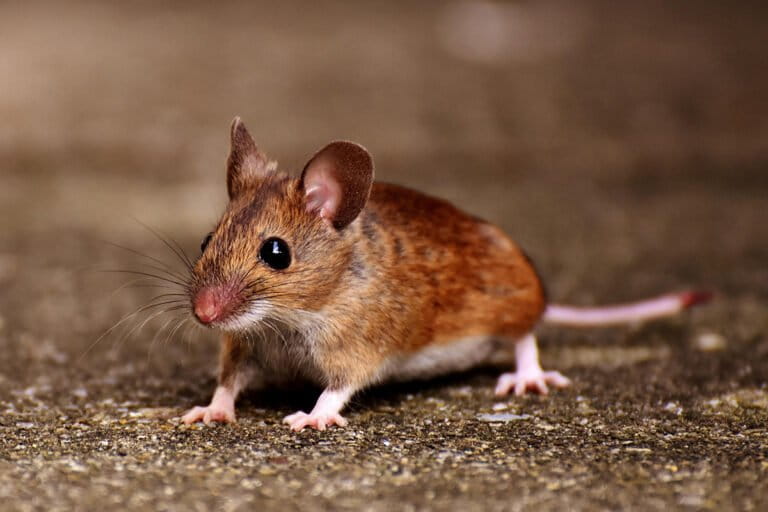
- The Norway Rat (Rattus norvegicus): Often found in sewers and urban infrastructure.
- The Roof Rat (Rattus rattus): Common in attics and the upper floors of buildings.
- The Bandicoot Rat (Bandicota indica): A larger rodent often found in agricultural areas and outskirts of cities.
- The House Shrew (Suncus murinus): A small, insectivorous mammal often mistaken for a mouse, frequently found in and around homes.
The virus is shed in the urine, feces, and saliva of these animals. Human infection occurs most commonly through the inhalation of "aerosolized" particles. When dried rodent excrement is disturbed—such as when sweeping a dusty floor or moving old boxes in a warehouse—microscopic virus particles become airborne and can be inhaled by anyone in the vicinity. Infection can also occur through direct bites or by touching contaminated surfaces and then touching the mouth, nose, or eyes.
Public Health Guidance: "Wet Cleaning" and Protection
In response to the rising threat, Hera Nirwati, a Professor of Microbiology at Gadjah Mada University (UGM), has issued urgent guidance for the public. She emphasizes that the way people clean their homes and workplaces can directly impact their risk of infection.
"One of the biggest mistakes people make is sweeping dry rodent droppings," Professor Nirwati explained. "This action launches the virus into the air, where it can easily be inhaled. We strongly advise a ‘wet cleaning’ method. Before cleaning any area where rodents may have been present, the surfaces should be thoroughly sprayed with a disinfectant or a bleach solution. This neutralizes the virus and prevents it from becoming airborne."
Furthermore, health experts recommend the use of personal protective equipment (PPE) when cleaning high-risk areas like old warehouses, damp basements, or long-vacant houses. Wearing a mask (specifically an N95 or similar high-filtration mask) and rubber gloves provides a critical barrier against infection.
Clinical Manifestations and Mortality Rates
Hantavirus infections generally fall into two categories: Haemorrhagic Fever with Renal Syndrome (HFRS) and Hantavirus Cardiopulmonary Syndrome (HCPS). The variant prevalent in Indonesia and the rest of Asia typically causes HFRS.
The early stages of HFRS are characterized by intense headaches, back and abdominal pain, fever, chills, nausea, and blurred vision. As the disease progresses, it can lead to low blood pressure, acute shock, and eventually, kidney failure. The mortality rate for the HFRS variant circulating in Indonesia is estimated to be between 5 and 15 percent.
While this is lower than the 50 to 60 percent mortality rate associated with the "Andes" variant found in South America (which can also exhibit rare human-to-human transmission), a 15 percent death rate remains a severe public health threat. For comparison, the mortality rate of seasonal influenza is typically well below 1 percent. Currently, there is no specific cure, vaccine, or antiviral treatment for Hantavirus; medical care is primarily supportive, focusing on managing fluid balance and providing dialysis if kidney failure occurs. Early diagnosis is the single most important factor in patient survival.
Broader Implications: A Call for "One Health" Surveillance
The outbreak on the MV Hondius and the high prevalence rates in Indonesia underscore the need for a "One Health" approach to disease surveillance. This strategy recognizes that the health of people is closely connected to the health of animals and our shared environment.
For Indonesia, the implications are both medical and economic. As a tropical nation with high biodiversity and rapid urban expansion, the country is a natural "hotspot" for emerging infectious diseases. The presence of Hantavirus in such a large percentage of the small mammal population suggests that the virus is deeply entrenched in the ecosystem.
Public health analysts argue that Indonesia must invest more heavily in environmental health and pest control. Improving waste management to reduce rodent food sources, enhancing the structural integrity of housing to prevent rodent entry, and conducting regular surveillance of animal populations are essential steps. Furthermore, the cruise ship incident highlights the need for more rigorous health screenings and sanitation protocols in the global travel industry, particularly for vessels that operate in regions where zoonotic risks are present.
Conclusion: The Hidden Threat in the Corner of the Warehouse
The events of early 2026 have served as a wake-up call. The tragedy aboard the MV Hondius showed that even the most organized and modern environments are not immune to the reach of zoonotic pathogens. In Indonesia, the threat is even more immediate. It is not a distant concern on a ship in the Antarctic; it is a present reality in the markets of Jakarta, the warehouses of West Java, and the homes of North Sulawesi.
With a prevalence rate of 17.49 percent among local rodents, the Hantavirus is a silent neighbor to millions of Indonesians. While it does not spread with the explosive speed of a respiratory pandemic, its high mortality rate and the ease of accidental transmission make it a formidable foe. As Indonesia continues to develop and urbanize, the lessons from the MV Hondius and the data from the PLOS study must be integrated into the nation’s long-term health strategy. Vigilance, proper hygiene, and a proactive approach to environmental management are the only tools currently available to keep this silent killer at bay.