Tata Titiana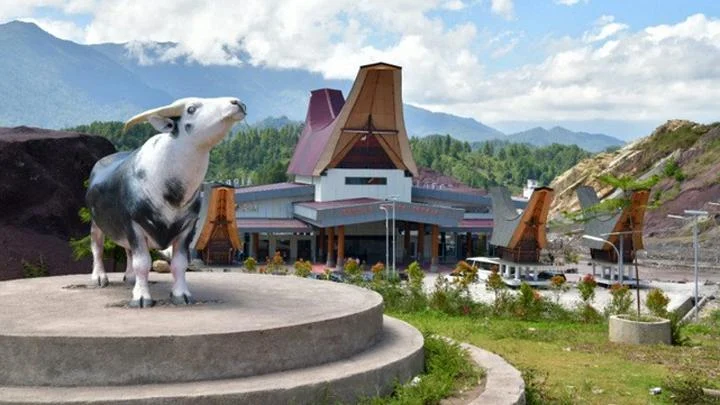
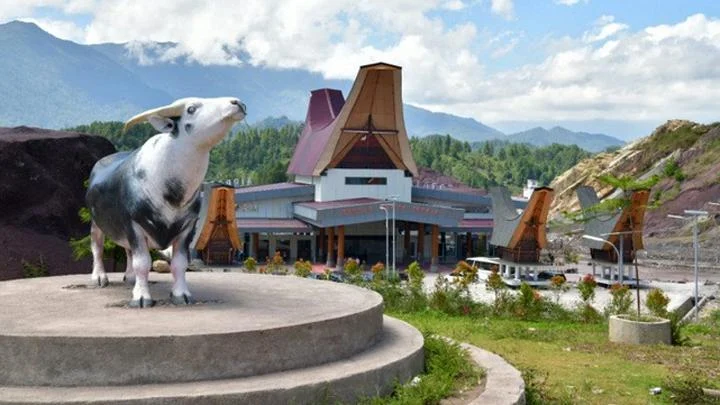
President Joko Widodo officially inaugurated the Toraja Airport, formerly known as Buntu Kunik Airport, in Tana Toraja Regency, South Sulawesi, on Thursday, March 18, 2021. The opening of this long-awaited infrastructure project is poised to significantly boost the region’s economy, create new employment opportunities, and foster the development of new economic centers. The inauguration, broadcast live via the Presidential Secretariat’s YouTube channel, underscored the government’s commitment to enhancing connectivity and accessibility in Indonesia’s eastern regions.
The development of Toraja Airport represents a decade-long endeavor, with construction initially commencing in 2011. The project faced several delays before gaining renewed momentum under President Widodo’s administration. Resumption of construction in 2018, with the first phase managed by the central government, saw the airport’s initial completion by mid-2020. Currently, two airlines, Wings Air and Citilink, operate regular flights connecting Makassar and Toraja, providing a vital link for both domestic and international travelers.
A Decade of Development: The Toraja Airport Journey
The genesis of Toraja Airport dates back to 2011, when plans were laid to replace the aging Pongtiku Airport in Ratentayo. The strategic decision to develop a new airport in Tana Toraja was driven by the need for enhanced air transport infrastructure to support the region’s growing tourism potential and economic aspirations. However, the ambitious project encountered significant hurdles, primarily due to the challenging topography of the Tana Toraja area, characterized by its steep hills and valleys.
Construction efforts were initially hampered, leading to a period of stagnation. It was not until 2018 that the project was revitalized, with the central government taking the lead in spearheading its advancement. This renewed commitment saw the completion of the first phase of construction by mid-2020. The subsequent phases, including the expansion of the runway and terminal facilities, have continued to be a priority, reflecting the government’s dedication to seeing the project through to its full operational capacity.
The relocation of the airport was a strategic move, aiming to provide a more modern and capable facility. Pongtiku Airport, while historically significant, lacked the capacity and modern amenities to adequately serve the projected growth in air traffic and passenger numbers. The selection of the new site in Tana Toraja was carefully considered to optimize accessibility and minimize environmental impact, although the latter proved to be a considerable challenge given the terrain.
Enhancing Connectivity and Economic Prospects
President Widodo articulated his vision for Toraja Airport, emphasizing its role as a catalyst for economic growth. "With the presence of this airport, it is hoped that it can be utilized to improve the regional economy, create more jobs, and revitalize new economic centers," the President stated during the inauguration ceremony. This sentiment highlights the strategic importance of the airport, moving beyond mere transportation to serve as a critical engine for socio-economic development.
The improved air connectivity is expected to attract a greater number of tourists to Tana Toraja, a region renowned for its unique cultural heritage, ancestral traditions, and breathtaking natural landscapes. The ease of access provided by the new airport will likely translate into increased visitor numbers, leading to a surge in demand for local hospitality services, cultural tours, and local handicrafts. This, in turn, will stimulate job creation across various sectors, from airport operations and aviation services to tourism and retail.
Furthermore, the airport is anticipated to facilitate the efficient transportation of goods and produce from Tana Toraja to other markets. This enhanced logistical capability can open up new avenues for local businesses, enabling them to reach wider customer bases and potentially export their products. The development of new economic hubs around the airport is also a key objective, fostering local entrepreneurship and diversifying the regional economy.
Technical Specifications and Future Expansion
Toraja Airport spans a total area of 141 hectares. In its initial operational phase, the airport features a runway measuring 1,600 meters, suitable for ATR aircraft. The apron has dimensions of 94.5 x 67 meters, complemented by a taxiway of 124.5 x 15 meters. These specifications are designed to accommodate the current flight schedules and passenger volumes.
However, the development plan includes a second phase aimed at further enhancing the airport’s capabilities. Upon completion of the second phase, the runway will be extended to 2,000 meters, allowing for the operation of larger aircraft such as the Boeing 737. This expansion is crucial for accommodating increased passenger traffic and potentially attracting a wider range of airlines and routes. The terminal building, currently covering 1,000 square meters, has a capacity for 150 passengers, which will also be reviewed and potentially expanded as demand grows.
The ambitious runway extension project involved significant engineering feats, including the excavation of three hills to create the necessary length and width. This undertaking, as highlighted by Minister of Transportation Budi Karya Sumadi, presented considerable challenges due to the rugged terrain. "The construction of this airport was very difficult because it was hampered by steep topographic conditions," Sumadi noted. The ongoing efforts in 2021 are focused on further clearing obstacles on the runway sides to ensure maximum safety and operational efficiency.
Renaming Ceremony: A Nod to Local Identity
The renaming of the airport from Buntu Kunik to Toraja Airport signifies a conscious effort to embrace and promote the distinct identity of the region. This change was not a unilateral decision but a product of extensive consultation and agreement between the Tana Toraja regency government and traditional leaders representing 19 sub-districts within the regency. This collaborative approach underscores the importance of local input in significant regional development projects.
Following the consensus among local stakeholders, the proposed name change was formally submitted to the Regional People’s Representative Council (DPRD) for deliberation and ratification during a plenary session. Subsequently, the decision was escalated to the provincial government and ultimately to the Ministry of Transportation for final approval. This multi-layered process ensured that the renaming reflected the collective will and cultural significance attributed to the Toraja name.
The choice of "Toraja Airport" serves to bolster the region’s brand recognition and cultural tourism appeal. Tana Toraja is globally recognized for its ancestral rites, unique funerary customs, and distinct architectural styles. By prominently featuring "Toraja" in the airport’s name, the government aims to create an immediate association with this rich cultural heritage, thereby encouraging more visitors to experience its wonders firsthand.
Broader Implications and Future Outlook
The inauguration of Toraja Airport is more than just the opening of a transportation hub; it represents a significant step forward in Indonesia’s broader agenda of equitable development and infrastructure enhancement across the archipelago. For regions like Tana Toraja, which have historically faced challenges related to connectivity and accessibility, such projects are transformative.
The economic benefits are expected to be multifaceted. Increased tourism will not only benefit those directly involved in the hospitality sector but also ripple through to local artisans, farmers, and small business owners. The improved logistics will facilitate the movement of goods, potentially reducing the cost of essential supplies and opening new markets for local produce.
Moreover, the presence of a modern airport can attract further investment into the region. Businesses looking to establish operations in areas with good transportation links may find Tana Toraja more appealing. This could lead to diversification of the local economy beyond tourism and traditional agriculture.
The challenges encountered during construction, particularly those related to the difficult terrain, highlight the ingenuity and perseverance required to implement large-scale infrastructure projects in diverse geographical settings. The successful completion of Toraja Airport serves as a testament to the government’s commitment and the capabilities of the engineering and construction teams involved.
Looking ahead, the continued development of Toraja Airport, including the planned runway extension and potential terminal upgrades, will be crucial to fully realize its potential. The ongoing efforts to address remaining obstacles, such as the hills adjacent to the runway, underscore a commitment to ensuring the airport’s long-term safety and efficiency.
The success of Toraja Airport will likely serve as a model for future infrastructure development in other remote or geographically challenging areas of Indonesia. By improving connectivity, the government aims to unlock the economic potential of these regions, foster inclusive growth, and improve the quality of life for their residents. The airport is not just a gateway for visitors but also a bridge connecting Tana Toraja to greater opportunities and prosperity.