Tata Titiana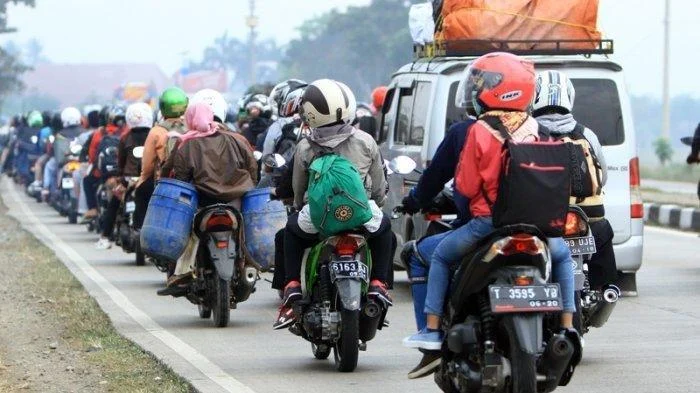
Government Allows Eid al-Fitr Homecoming for 2021, Amidst Concerns and Strict Protocols
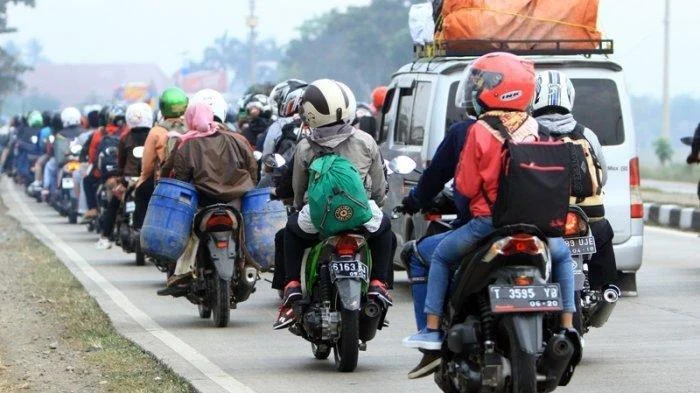
Jakarta, Indonesia – In a significant shift from the previous year, the Indonesian government has announced that citizens will be permitted to undertake the traditional Eid al-Fitr homecoming (mudik) to their hometowns for the observance of Idul Fitri 1442 Hijriah. This decision, confirmed by the Minister of Transportation, Budi Karya Sumadi, during a working meeting with Commission V of the House of Representatives on Tuesday, March 16, 2021, marks a notable departure from the strict prohibitions implemented in 2020 due to the escalating COVID-19 pandemic.
However, the Ministry of Transportation has emphasized that this is not an endorsement or encouragement for citizens to travel, as the ministry does not possess the authority to issue such directives. Instead, the government intends to work collaboratively with the COVID-19 Handling Task Force to establish a comprehensive framework for the 2021 mudik season. The primary objective of this framework is to mitigate the risk of increased COVID-19 transmission, particularly into rural communities, which may have less robust healthcare infrastructure.
The Ministry of Transportation, in coordination with relevant agencies and stakeholders, will engage in extensive consultations to ensure a conducive and safe homecoming period. Key measures under consideration include the stringent tightening of travel requirements and enhanced contact tracing protocols. This proactive approach aims to balance the cultural and social significance of the mudik tradition with the ongoing public health imperative to control the pandemic.
A Shift in Policy: From Prohibition to Permitted Travel
The decision to permit mudik in 2021 comes after a year of unprecedented restrictions. In 2020, the Indonesian government, citing the severe threat posed by the novel coronavirus, imposed a nationwide ban on mudik travel to prevent the virus from spreading rapidly across the archipelago. This ban, enforced from late April to early May 2020, significantly disrupted traditional celebrations and led to considerable economic impact on sectors reliant on seasonal travel. Historical precedent for such restrictions exists, with a notable instance of mudik being prohibited in 1946, underscoring the extraordinary circumstances that necessitate such measures.
The current announcement reflects a nuanced approach, acknowledging the deep-seated cultural importance of the mudik tradition for millions of Indonesians, while also recognizing the persistent risks associated with mass gatherings and inter-regional travel during a pandemic. The government’s strategy appears to be evolving, moving from outright prohibition to a model of managed and controlled travel, contingent upon strict adherence to health protocols.
Key Conditions and Protocols for 2021 Mudik
Minister Budi Karya Sumadi outlined several critical conditions and stipulations for individuals planning to undertake the 2021 Eid al-Fitr homecoming:
-
Stringent Health Protocol Enforcement: This is the cornerstone of the government’s plan. Strict adherence to health protocols will be mandated at all stages of the journey: from the point of departure, throughout the travel period, and upon arrival at the destination. This includes, but is not limited to, mandatory mask-wearing, maintaining physical distancing, regular disinfection of transportation facilities and public spaces, limiting passenger capacity in vehicles, and carefully scheduling travel services to avoid overcrowding.
-
Anticipating Passenger Surges with Enhanced Tracing: To manage potential spikes in passenger numbers and to quickly identify and isolate any potential infections, rigorous contact tracing mechanisms will be implemented. This will likely involve detailed record-keeping of passenger movements and close monitoring of individuals who may have come into contact with confirmed cases.
-
Shortened Validity Period for Screening Tests: The validity period for health screening tools, such as rapid antigen tests, will be reduced. This measure is designed to ensure that travelers undergo testing closer to their departure date, thereby increasing the accuracy and relevance of the results in detecting active infections. The government is also exploring the wider deployment of rapid screening tools like GeNose at transportation hubs.
The Ministry of Transportation reiterated the importance of public awareness and individual responsibility in complying with these health protocols. The ultimate success of the managed mudik program hinges on the collective commitment of the public to prioritize collective well-being. The precise details of the operational mechanisms for the 2021 mudik are still being finalized through ongoing collaboration between the Ministry of Transportation and various partner agencies.
Expert Concerns and the Persistent Risk of Transmission
Despite the government’s efforts to facilitate a controlled homecoming, the decision has been met with apprehension from public health experts. Epidemiologists have expressed concerns regarding the potential for increased COVID-19 transmission, even with the planned safety measures in place.
Riris Andono Ahmad, an epidemiologist from Universitas Gadjah Mada (UGM), suggested that the decision might be predicated on an assumption of sufficient vaccination coverage to manage the situation. However, he cautioned that the primary challenge remains the adherence to health protocols by travelers. According to Ahmad, even with widespread vaccination, if individuals fail to rigorously implement preventive measures, the risk of COVID-19 transmission will persist, mirroring the situation prior to the availability of vaccines.
The choice of transportation mode is deemed critical in this context. The government’s initiative to equip major terminals, train stations, and airports with COVID-19 screening tools like GeNose is aimed at providing safer travel options. Ahmad noted that public transportation, when managed effectively with strict protocols, could be relatively safer. The greater concern lies with the use of private vehicles, which often operate with less oversight, potentially becoming conduits for virus transmission to less-affected regions. Therefore, a strong recommendation has been made for travelers to utilize public transportation, which allows for more manageable government monitoring in case of unforeseen circumstances.
Furthermore, experts emphasize that vaccination does not confer absolute immunity from transmission. Individuals who have been vaccinated are still urged to maintain disciplined adherence to health protocols when in public spaces. Ahmad expressed a personal hope that large-scale mudik travel, at a macro level, might be postponed. He anticipates that the pandemic may not have fully subsided by Idul Fitri 2021, and with vaccination coverage still not reaching optimal levels, the risk of COVID-19 transmission remains a significant concern.
Broader Context: Vaccination Rollout and Pandemic Fatigue
The government’s decision to permit mudik is occurring against the backdrop of Indonesia’s ongoing national vaccination program. As of early 2021, the vaccination campaign was still in its initial phases, prioritizing healthcare workers and vulnerable populations. While the government aimed to accelerate the rollout, widespread community immunity was still a distant prospect. The perception that vaccination coverage might be sufficient is a key factor influencing policy decisions, but epidemiologists are quick to point out the lag between vaccination and the development of herd immunity.
Moreover, a degree of "pandemic fatigue" has set in among the public, with many yearning for a return to normalcy and a resumption of traditional social practices. The cultural significance of Eid al-Fitr, particularly the reunion with family, is deeply ingrained in Indonesian society. This societal pressure, combined with economic considerations for various sectors dependent on travel, likely played a role in the government’s decision-making process.
Implications and Future Outlook
The decision to allow mudik carries significant implications:
- Public Health Risk: The primary implication is the potential for a surge in COVID-19 cases, particularly in rural areas where healthcare resources might be stretched. The effectiveness of contact tracing and isolation measures will be paramount in containing outbreaks.
- Economic Impact: For sectors such as transportation, hospitality, and local businesses in tourist destinations and hometowns, the return of mudik travelers offers a much-needed economic stimulus. However, this comes with the inherent risk of exacerbating the pandemic’s health toll.
- Social and Cultural Continuity: The allowance of mudik offers a sense of normalcy and allows millions to reconnect with their families, a crucial aspect of Indonesian culture, especially during major religious holidays. This can contribute to improved mental well-being after a prolonged period of restrictions.
- Government Credibility: The success or failure of the managed mudik program will significantly impact public trust in the government’s handling of the pandemic. Strict enforcement of protocols and transparent communication will be vital.
The coming weeks will be a critical test for Indonesia’s public health strategy. The government’s ability to effectively implement and enforce the stipulated health protocols, coupled with the public’s willingness to comply, will determine whether the 2021 Eid al-Fitr homecoming can be managed without triggering a significant resurgence of the virus. The experience of this year’s mudik season will undoubtedly inform future pandemic management strategies and policy decisions regarding large-scale public gatherings. The world will be watching to see if Indonesia can successfully navigate the complex balance between cultural traditions and public health imperatives.